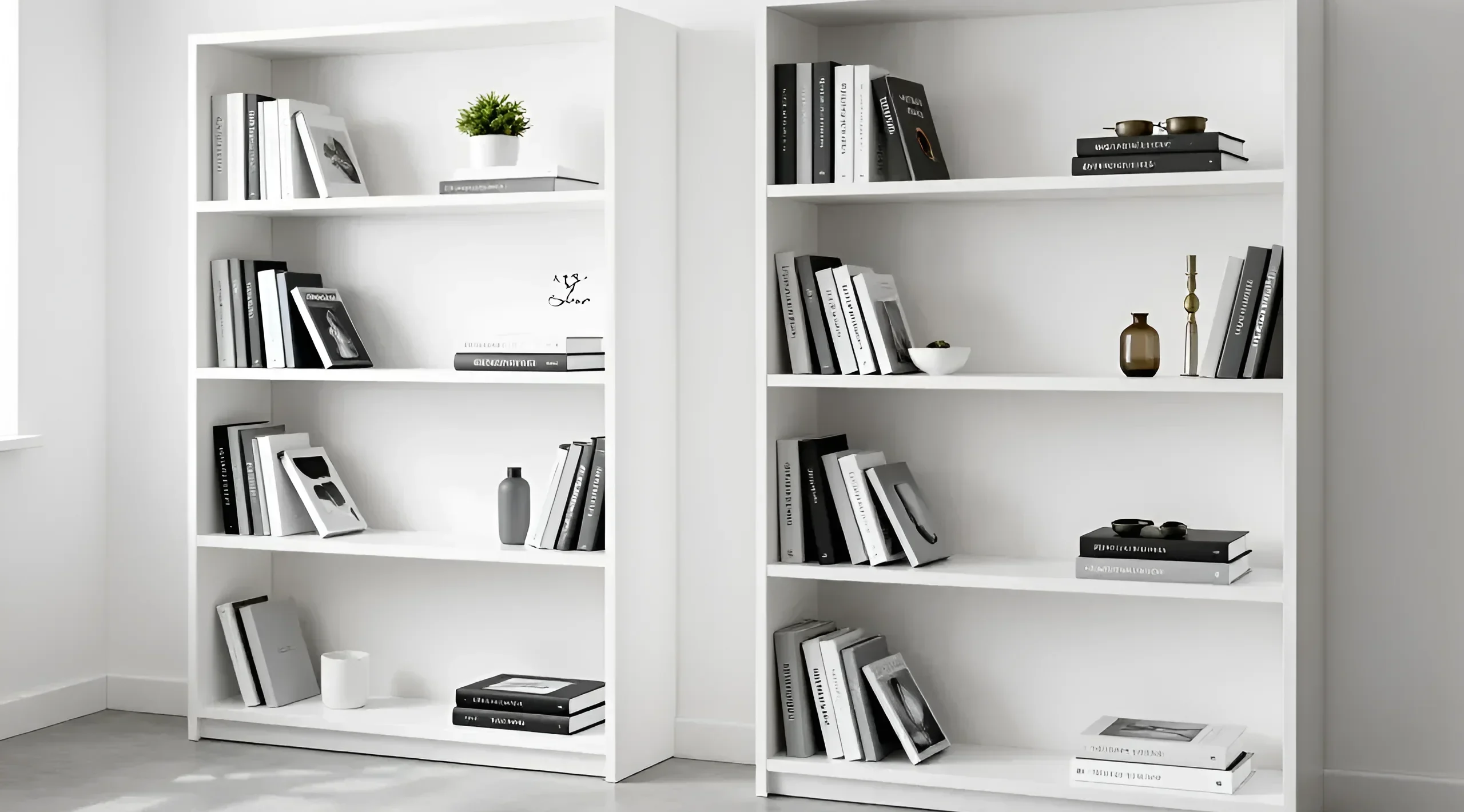
White shelves are one of the most versatile and sought-after elements of modern furniture design. They can visually declutter a space, add light to even the darkest room, and serve as an ideal backdrop for a collection of books, art objects, or houseplants. However, behind their apparent simplicity lie many nuances: from choosing the right shade of white (from “arctic” to “ivory”) to selecting a material that won’t yellow after a year of use. In this material, we will delve into how to integrate white shelves into your interior so that they bring aesthetic pleasure and last for decades.
 admin
admin
Furniture for a Small Kitchen: How to Choose a Set and Save Space
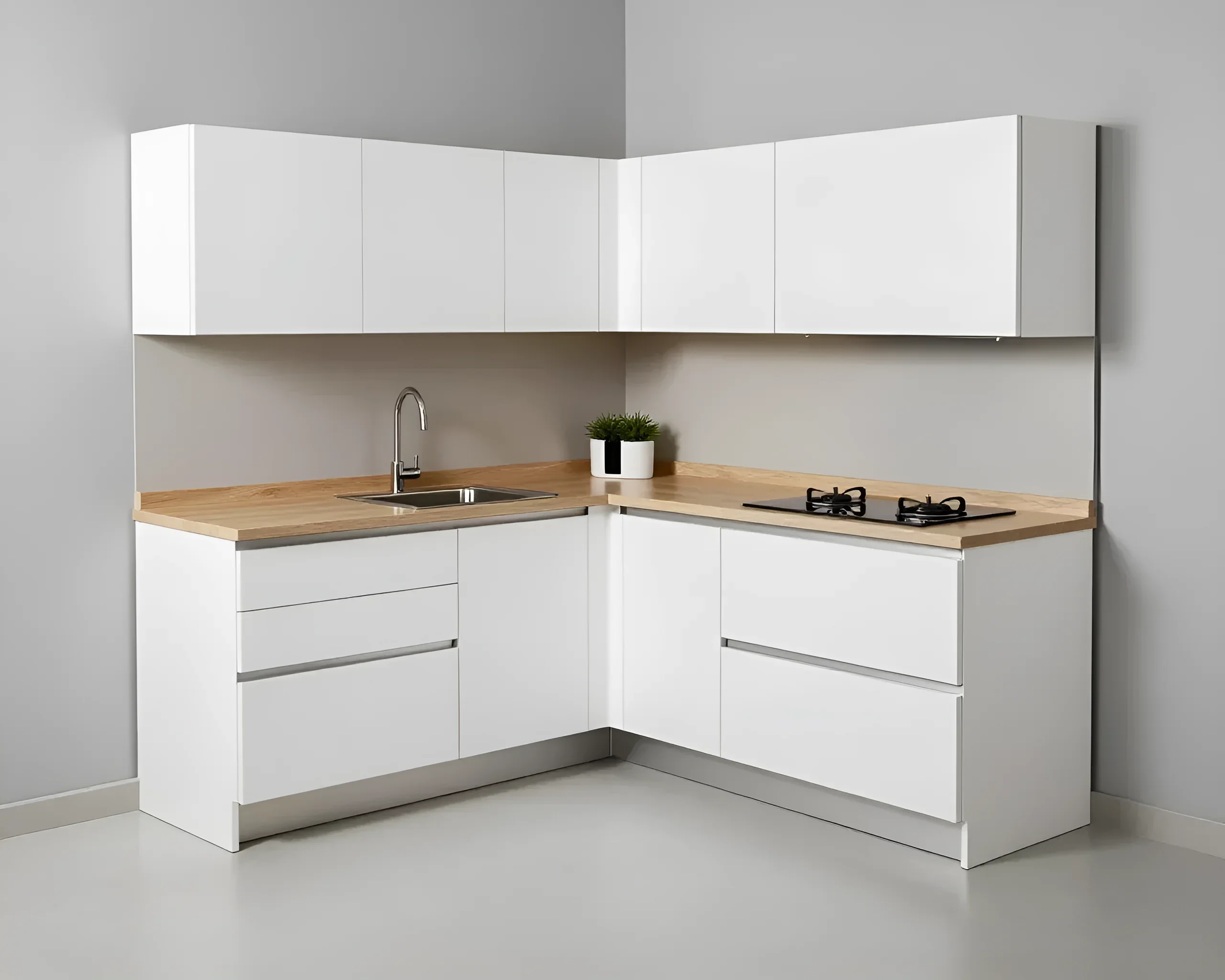
Furnishing a kitchen with limited space is always a challenge, requiring owners to have not only a sense of style but also competent design skills. In conditions where every centimeter counts, furniture ceases to be just an interior item and becomes a complex multifunctional tool. The main task of furniture for a small kitchen is to accommodate a full-fledged work area, storage systems, and a dining group in an area of 5-7 square meters without turning the room into a cramped warehouse. Modern manufacturers offer hundreds of solutions: from ultra-compact modular systems to custom projects using “smart” hardware. In this guide, we will explore how to transform a cramped kitchen into an ergonomic and cozy space by choosing the right furniture set.
Furniture for the Elderly: How to Choose a Comfortable Armchair and Bed for Home
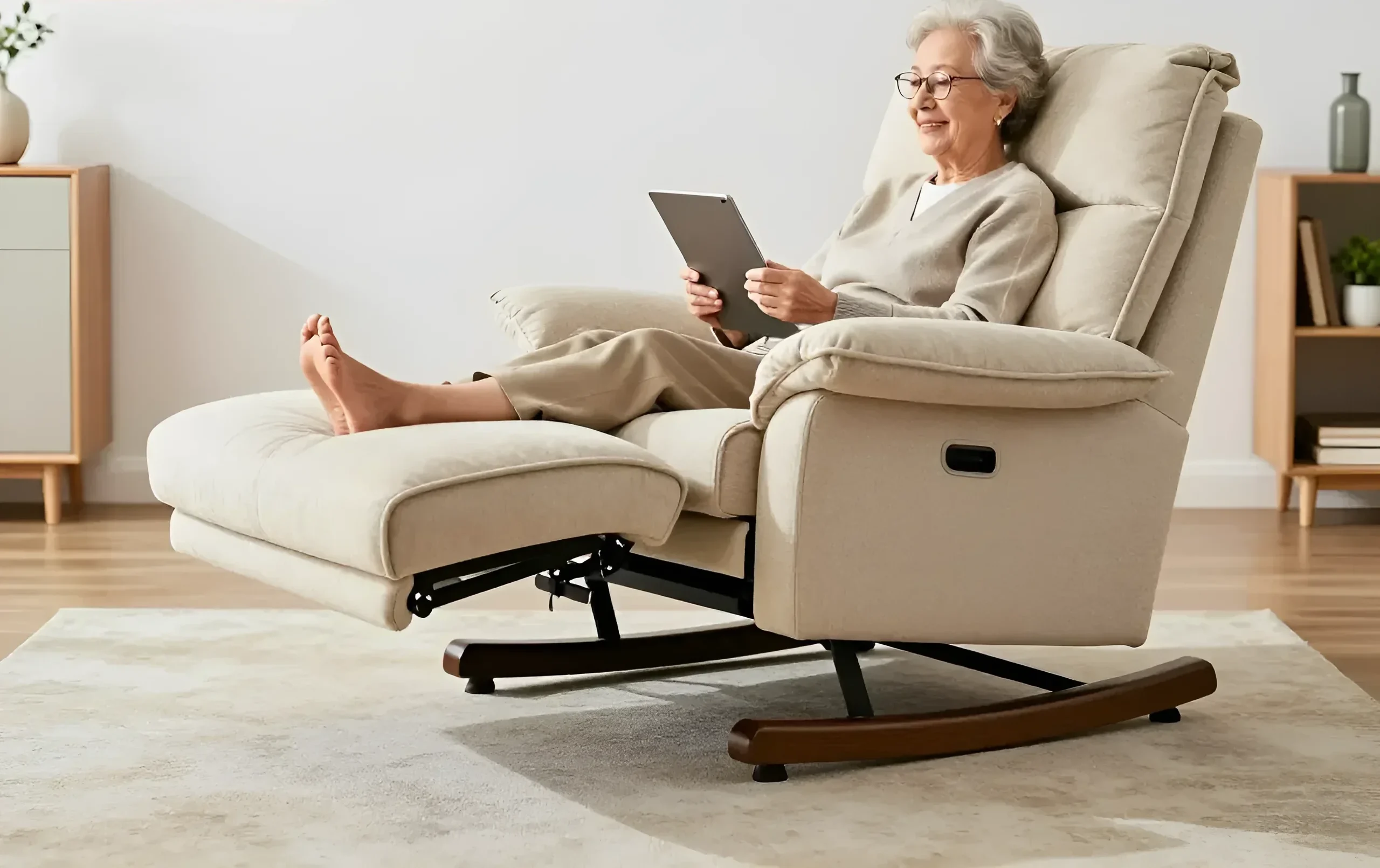
Furnishing a home for an elderly person is a task that requires not so much design flair as a deep understanding of the physiology and needs of a body undergoing age-related changes. Over the years, joints lose mobility, muscles weaken, and coordination can become less confident. In such a situation, an ordinary, even very beautiful armchair or a standard bed can become a source of discomfort or even injury. Properly selected furniture for the elderly can not only facilitate daily activities, such as getting out of bed or resting after a walk, but also significantly improve the quality of life, reduce the load on the spine, and normalize blood circulation.
Biophilic Design Without Live Plants: How to Choose Furniture with Wood and Stone Textures
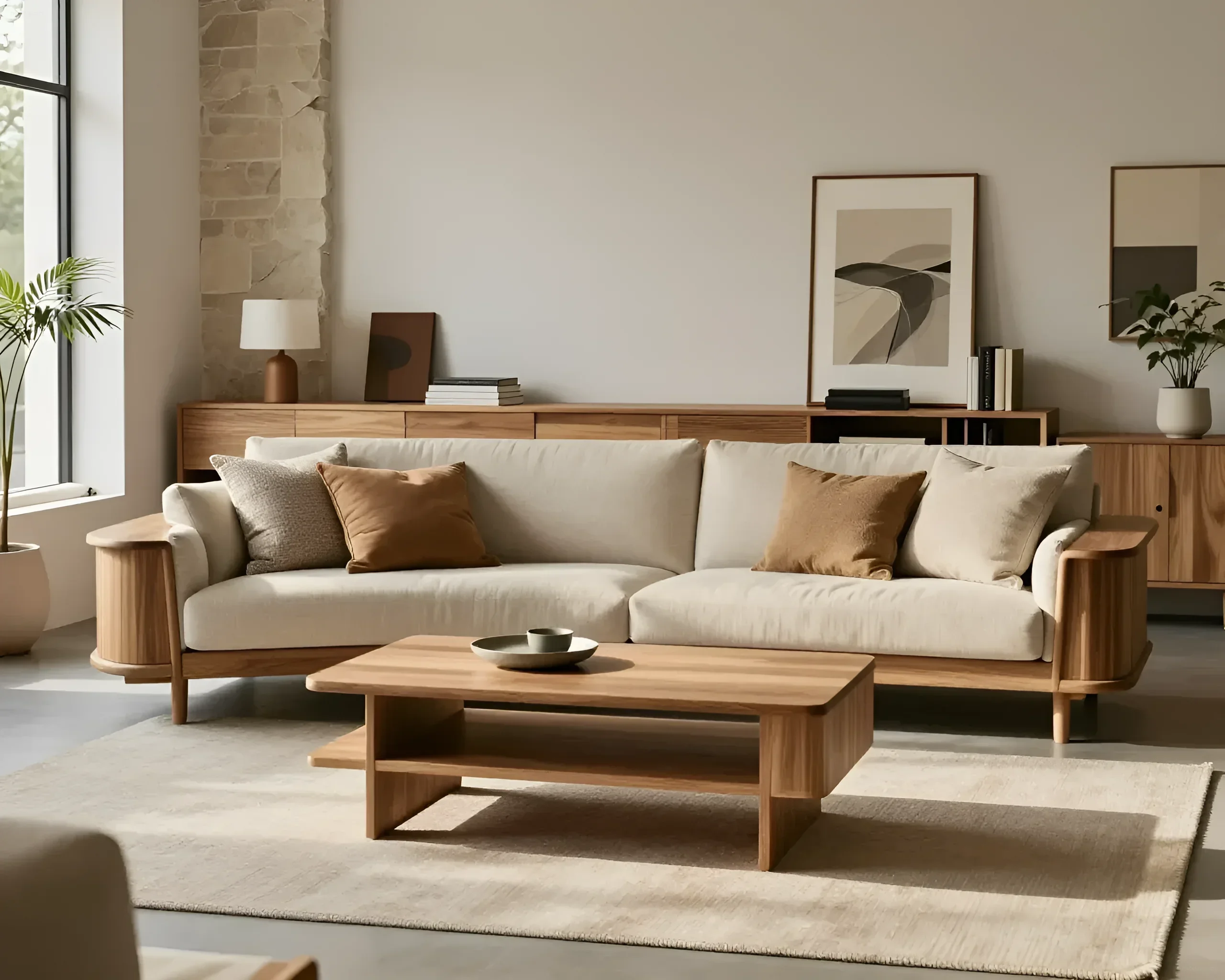
Biophilic interior design is not just a trendy way to place ficus pots in corners of the room. It is a deep concept based on humanity’s innate connection with nature, which helps reduce stress levels, increase productivity, and improve overall well-being. However, it is not always possible to keep live plants in modern apartments or offices: lack of natural light, allergies, frequent travel, or simply no time for care can be serious obstacles. In such cases, furniture that conveys natural aesthetics through tactile sensations, visual imagery, and natural materials comes to the rescue.
Furniture for awkward corners: how to effectively use dead zones in an apartment
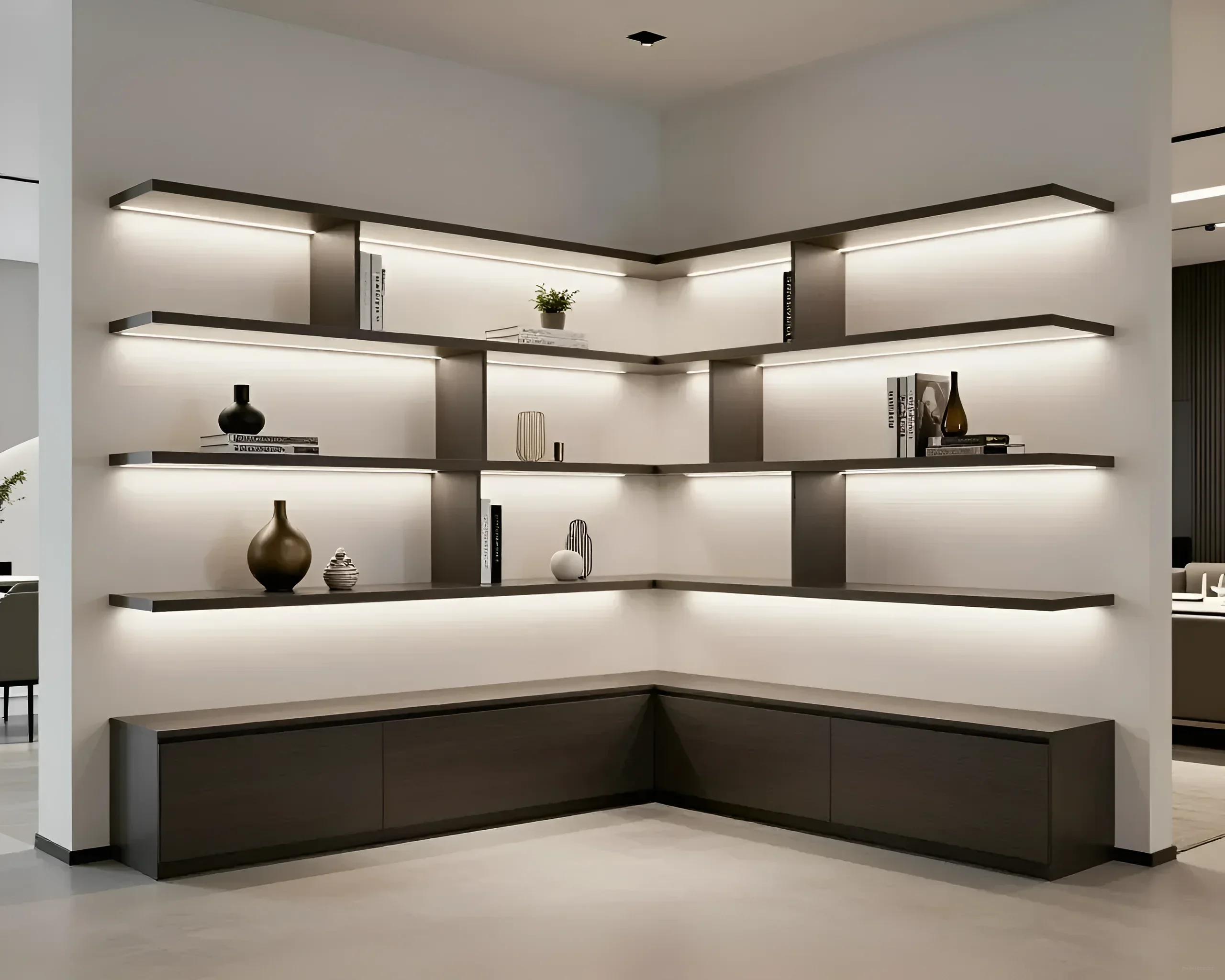
The layout of most modern apartments, especially in old buildings or new constructions with monolithic frames, often suffers from “awkward” zones. These can be acute or obtuse angles, narrow niches, protrusions of ventilation shafts, or simply empty corner spaces that seem absolutely useless. In the furniture industry, such areas are called “dead zones.” However, for a professional designer and experienced furniture maker, each such corner is a hidden potential for storing things, organizing a workspace, or creating a cozy relaxation area. Properly selected furniture allows not only to utilize every square centimeter but also to visually correct the geometry of the room, making it more harmonious and functional.
Japandi Style in Apartment Interiors: How to Choose Furniture and Create Coziness
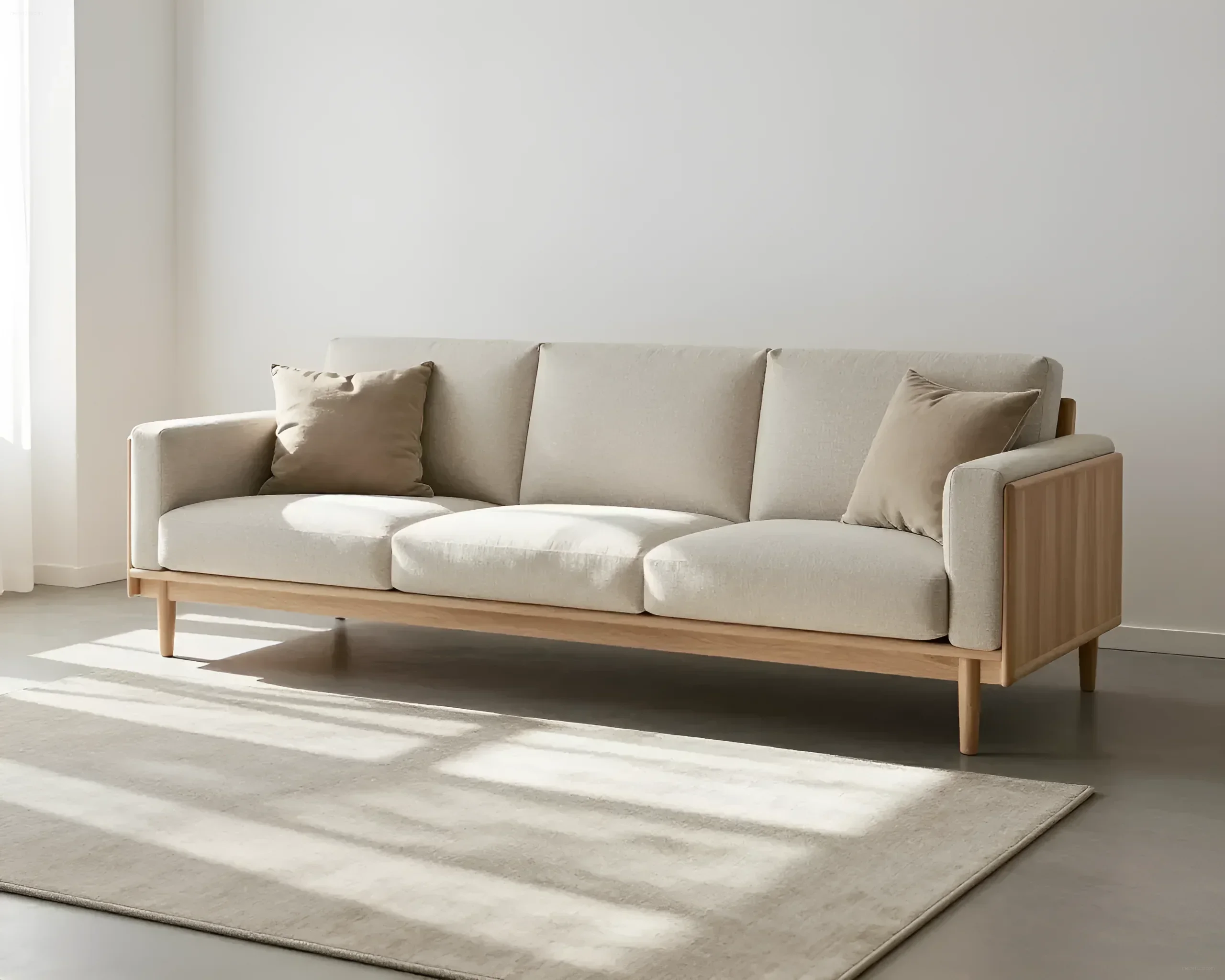
The Japandi style (Japandi) is not just another fashion trend, but a deep interior philosophy that emerged at the intersection of Scandinavian practicality and Japanese pursuit of harmony. The name of the direction speaks for itself: Japan + Scandi. From the Nordic countries, Japandi took its love for light, functionality, and home coziness (hygge), and from Japan – minimalism, low forms, and the aesthetic of imperfection (wabi-sabi). In the conditions of a typical Russian apartment, this style becomes a real salvation: it helps to visually expand the space, get rid of excess visual noise, and create a place for complete relaxation. The right choice of furniture is 80% of success in implementing this trend, as it is the interior items that set the desired geometry and tactility.
Lighting inside cabinets and drawers: how to choose and install wireless lighting
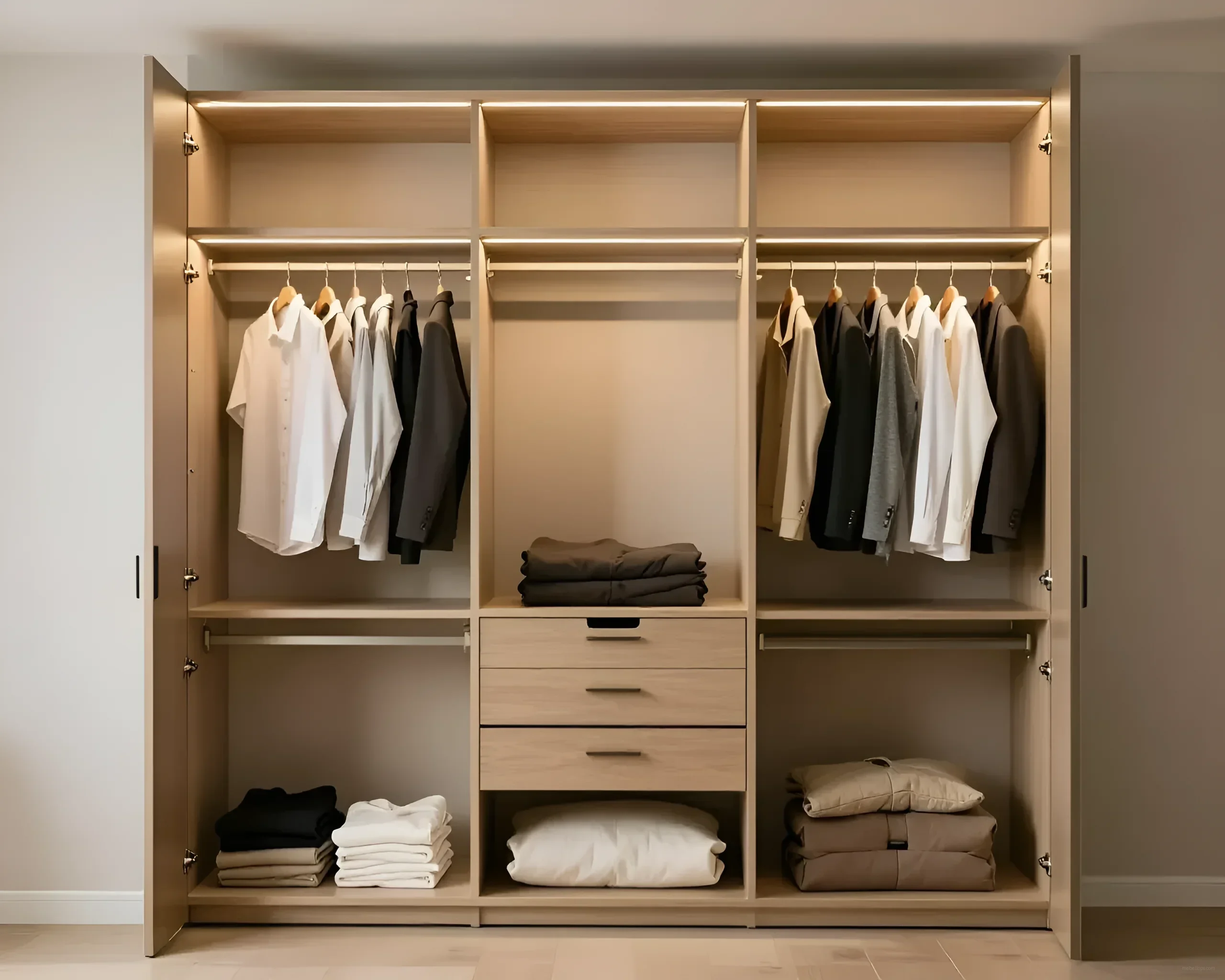
Comfort in a modern home is made up of small details that seem insignificant at first glance, but in practice save a lot of time and nerves. Lighting inside cabinets and drawers is exactly such a detail. Imagine this situation: early morning, you are trying to find the right item in a deep wardrobe without turning on the main light, so as not to wake up the household. Or you are looking for the right spice in a dark corner of a kitchen unit. In such moments, quality lighting in a wardrobe becomes not a luxury, but a necessity. Modern technologies allow this solution to be implemented as simply as possible, without wall chasing and cable laying, using wireless systems with intelligent control.
Bedroom Homestaging: How to Choose Furniture to Rent Out Your Apartment for More
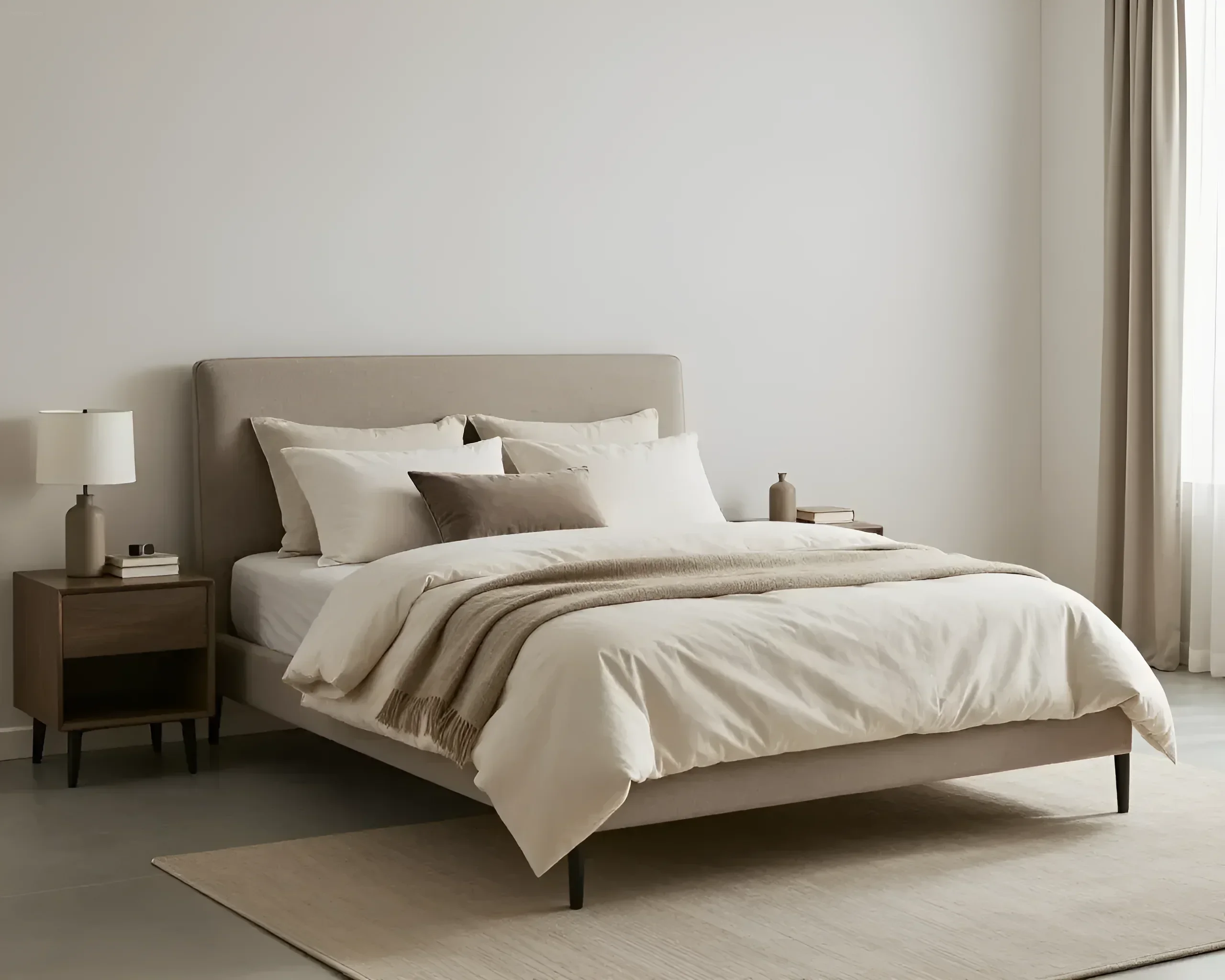
Preparing an apartment for rent is not just cosmetic repairs, but strategic investment. In a highly competitive real estate market, a potential tenant chooses not square meters, but a lifestyle and comfort. Homestaging (from English “home staging” – “home staging”) allows you to create an interior that looks more expensive than its real value, attracts a solvent audience, and reduces the exposure time of the property. The bedroom plays a central role in this process, as it is where a person spends a third of their time, and it is the quality of rest that often becomes the deciding factor when making a rental decision.
Neuroaesthetics of the Home: How Tactile Fabrics and Rounded Furniture Reduce Cortisol Levels
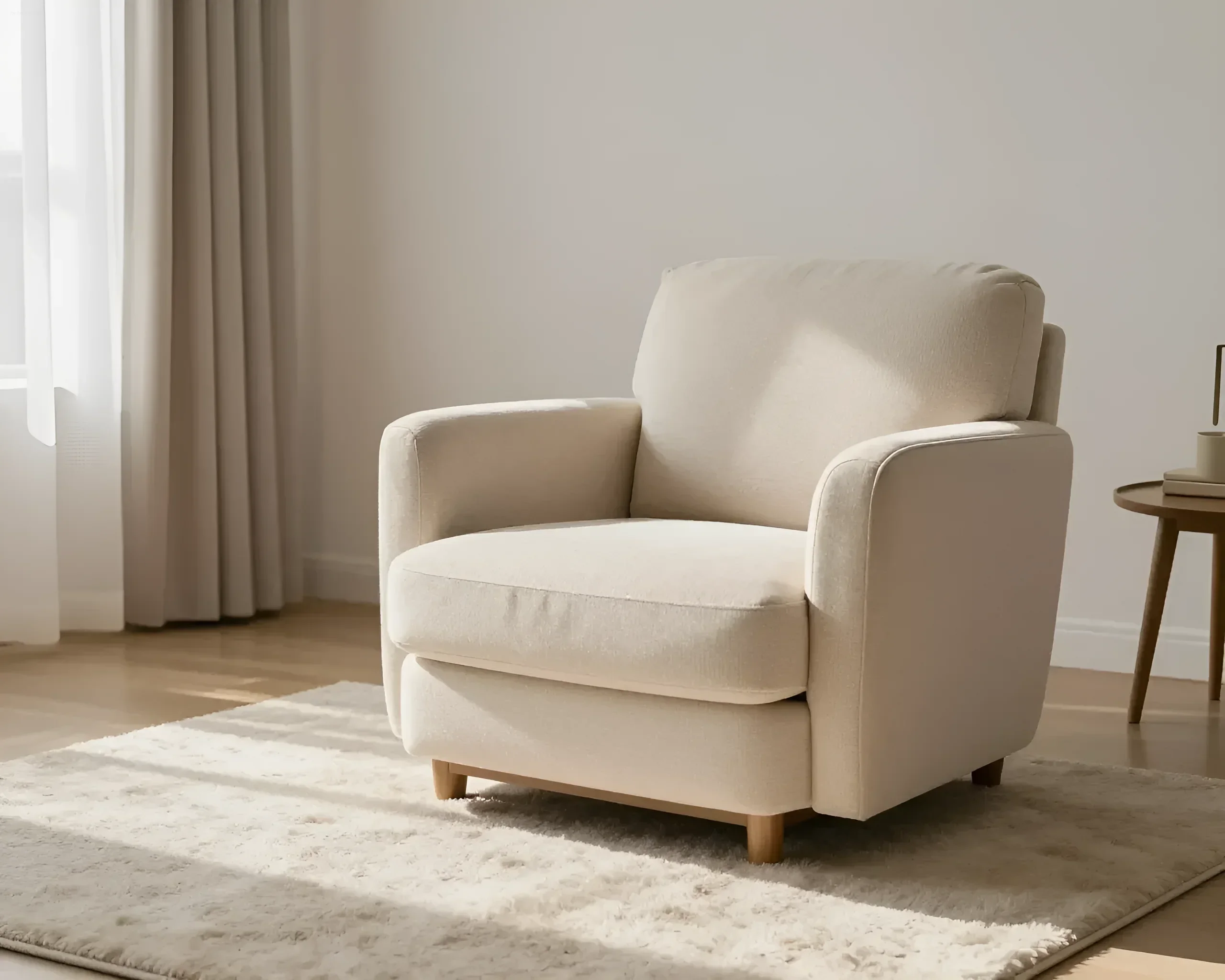
Modern humans spend up to 90% of their time indoors, and the objects we surround ourselves with directly dictate our brain’s operating mode: ‘fight or flight’ or ‘rest and recover.’ Neuroaesthetics is a relatively young discipline at the intersection of cognitive psychology, neurobiology, and design, studying how aesthetic experience affects our neural connections. In the context of home furnishing, this means shifting from a purely functional approach to creating an environment that physiologically reduces cortisol, the stress hormone. Research shows that certain shapes, textures, and even furniture arrangements can activate the parasympathetic nervous system, giving us a sense of security and deep psychological comfort.
Shoe Storage System for a Narrow Hallway: How to Fit 15 Pairs and More
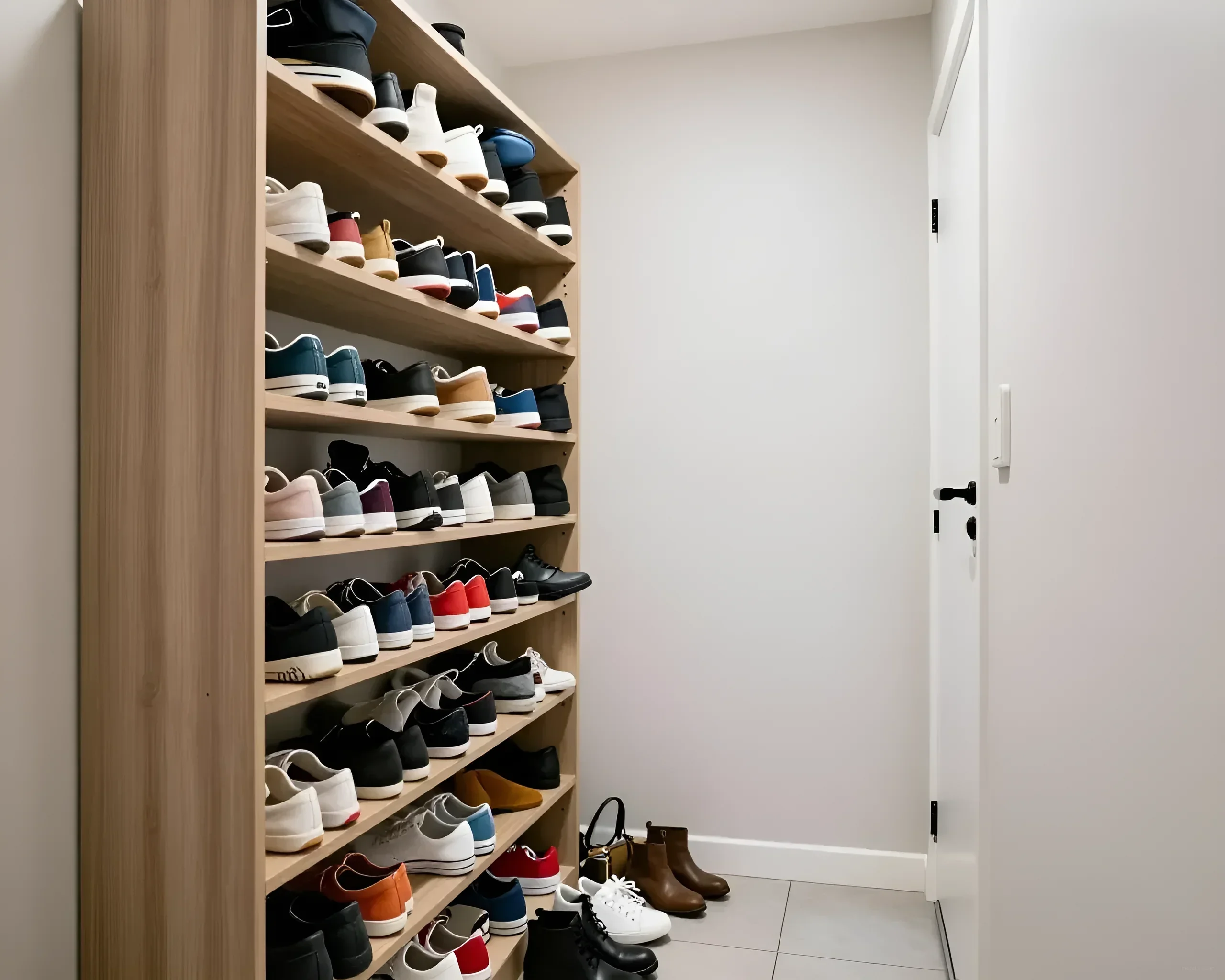
A narrow hallway is a common “pain point” for owners of standard apartments, where every centimeter counts, and the number of seasonal shoes for a family of three to four people easily exceeds 15-20 pairs. When a standard open shelf for 5 pairs turns into a chaotic mountain of sneakers and boots blocking the passage, it’s time to switch to systematic furniture solutions. The task seems impossible: how to accommodate a substantial wardrobe in a depth of 15-25 centimeters while maintaining aesthetics and free movement space? The answer lies in using vertical systems, specialized “slim” mechanisms, and smart zoning of the furniture’s internal space.