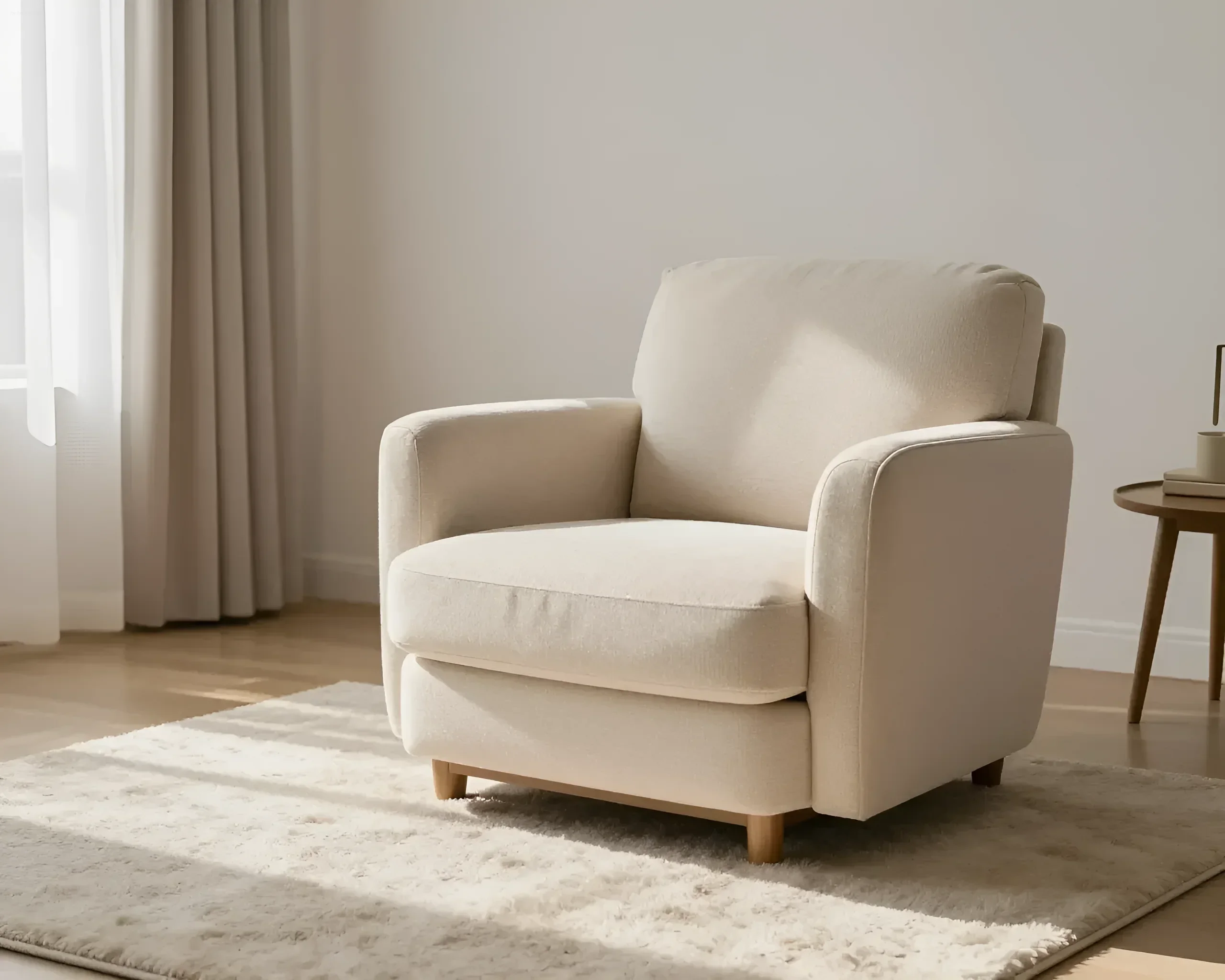
Modern humans spend up to 90% of their time indoors, and the objects we surround ourselves with directly dictate our brain’s operating mode: ‘fight or flight’ or ‘rest and recover.’ Neuroaesthetics is a relatively young discipline at the intersection of cognitive psychology, neurobiology, and design, studying how aesthetic experience affects our neural connections. In the context of home furnishing, this means shifting from a purely functional approach to creating an environment that physiologically reduces cortisol, the stress hormone. Research shows that certain shapes, textures, and even furniture arrangements can activate the parasympathetic nervous system, giving us a sense of security and deep psychological comfort.