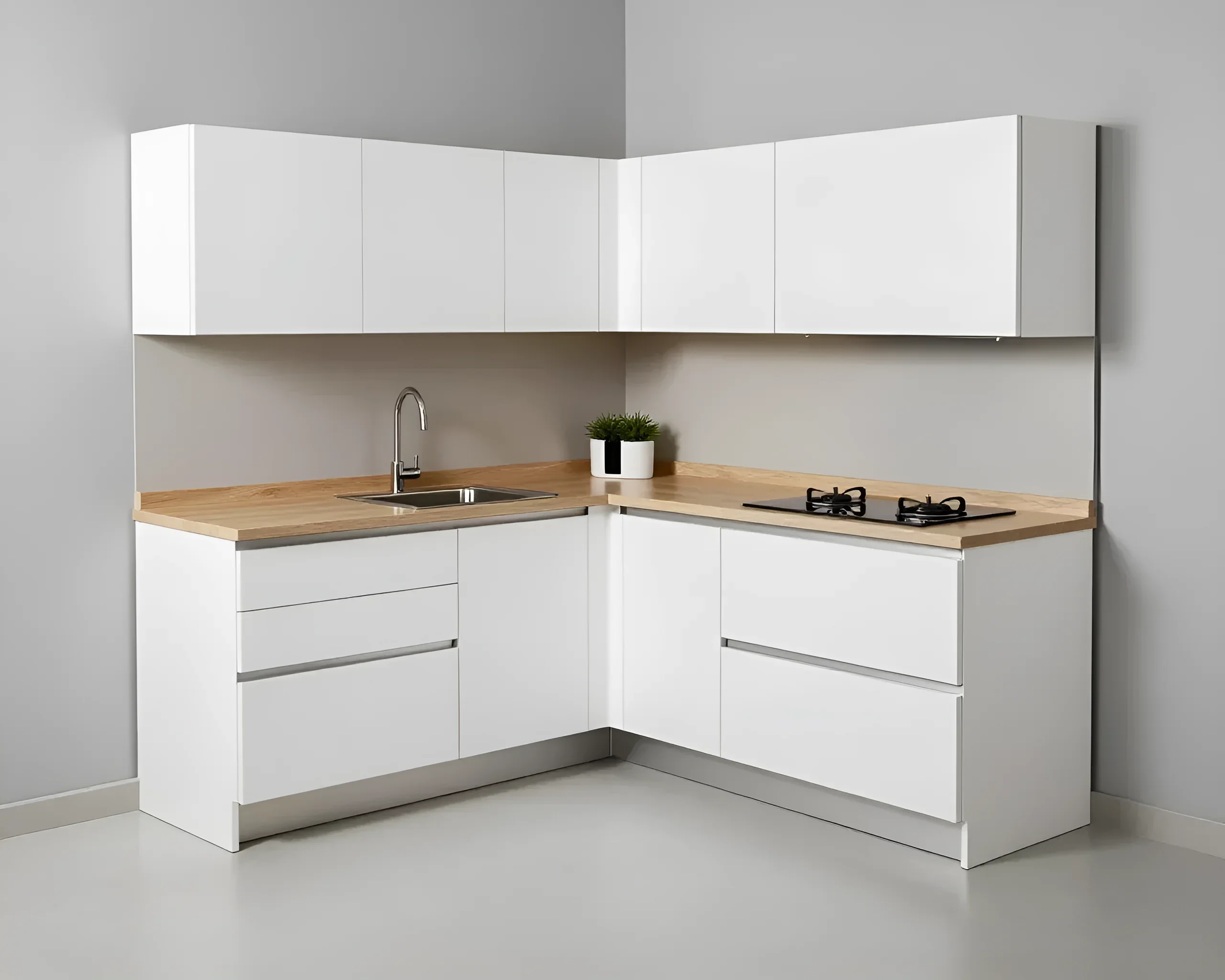
Furnishing a kitchen with limited space is always a challenge, requiring owners to have not only a sense of style but also competent design skills. In conditions where every centimeter counts, furniture ceases to be just an interior item and becomes a complex multifunctional tool. The main task of furniture for a small kitchen is to accommodate a full-fledged work area, storage systems, and a dining group in an area of 5-7 square meters without turning the room into a cramped warehouse. Modern manufacturers offer hundreds of solutions: from ultra-compact modular systems to custom projects using “smart” hardware. In this guide, we will explore how to transform a cramped kitchen into an ergonomic and cozy space by choosing the right furniture set.
Furniture for a Small Kitchen: Types and Styles of Sets
When choosing furniture for a limited space, layout plays a crucial role. An incorrectly chosen furniture set shape can “eat up” up to 30% of usable area. For small kitchens, specialists identify three of the most effective configuration types:
- Straight (linear) layout. This is the most compact option, where all furniture is arranged along one wall. It is suitable for very narrow and elongated rooms. The main advantage is freeing up space for a full dining area on the opposite wall. However, the work surface in this case is often minimal.
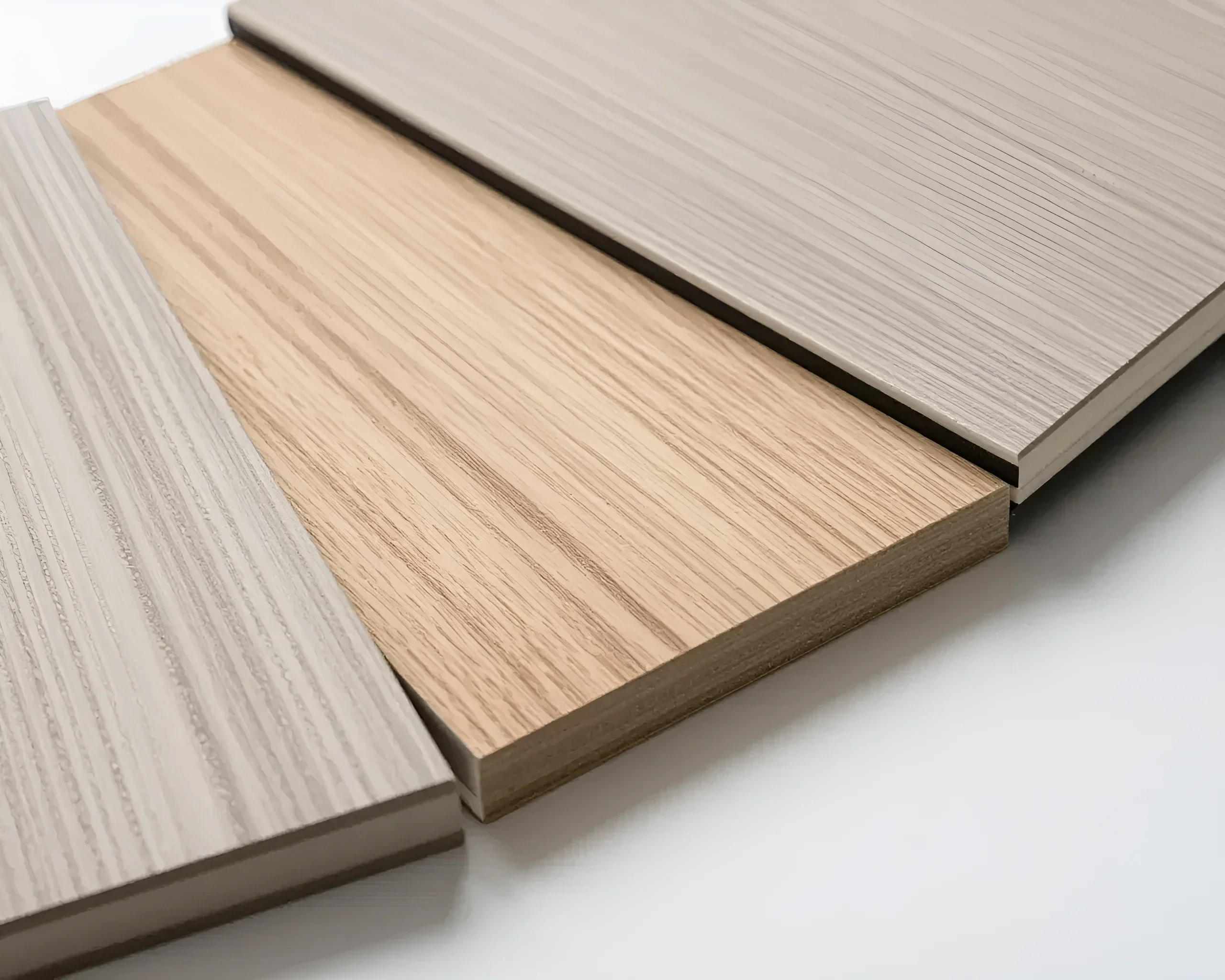
- L-shaped (corner) layout. Considered the golden standard for square kitchens of 6-9 sq. m. It allows for the implementation of the “work triangle” rule (refrigerator – sink – stove), which minimizes unnecessary movements for the hostess. A corner cabinet, with the use of special hardware, becomes the most spacious storage area.
- Two-row (parallel) layout. Used in walk-through kitchens. Furniture is arranged along two parallel walls. It is important that the distance between cabinets is at least 120 cm, otherwise the doors will be impossible to open fully, and the passage will become too narrow.
A separate trend is mezzanine kitchens – sets where cabinets extend all the way to the ceiling. This visually elongates the room upwards and provides additional shelves for rarely used items (holiday dishes, pantry supplies).
Materials for Kitchen Furniture in a Small Area: Pros and Cons
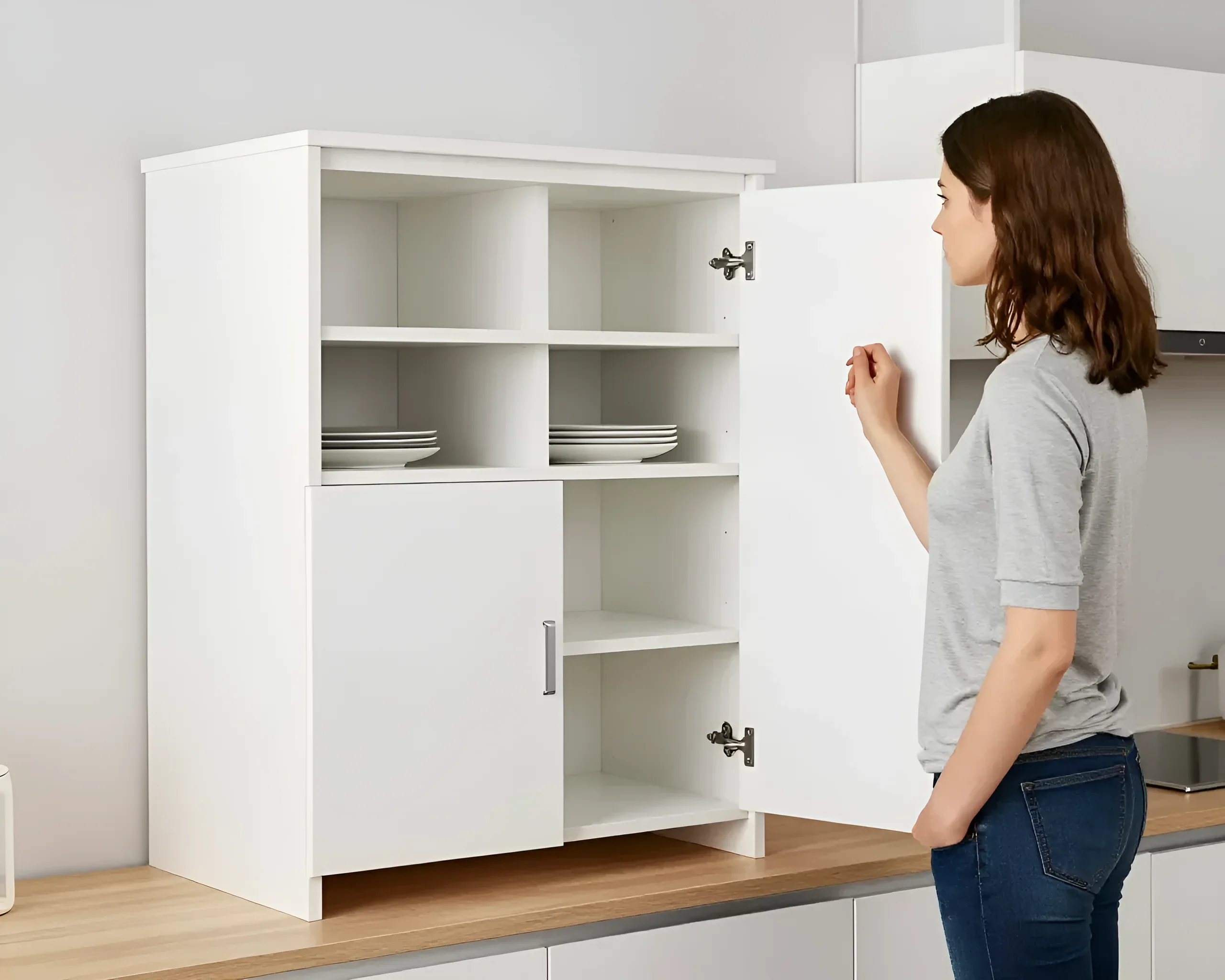
The choice of material directly affects not only durability but also the visual perception of space. In a small kitchen, furniture is subjected to more intense exposure to steam and grease due to the proximity of all surfaces to the stove.
1. Chipboard (Laminated Particleboard).
- Pros: The most budget-friendly option, a huge selection of colors and textures.
- Cons: Afraid of moisture at the joints, short lifespan (7-10 years). For a small kitchen, it is better to choose chipboard with emission class E1 or E0.
2. MDF (Medium-Density Fiberboard) with coating.
- PVC film: Economical, but can peel off near the oven.
- Enamel (paint): Ideal for small kitchens. Glossy enamel has a reflective effect, which visually expands the space. The surface is seamless, protecting the base from moisture.
- Plastic (HPL/CPL): The most wear-resistant option. It does not scratch, does not fade, and tolerates household chemicals perfectly.
3. Solid wood.
Solid wood is rarely used for small kitchens as it looks heavy. If you prefer classics, choose light wood species (ash, birch) with thin panels on the facades.
Comparative table of facade materials:
| Material | Moisture resistance | Visual expansion | Price |
|---|---|---|---|
| Chipboard | Low | Medium | Low |
| MDF + Gloss | High | Maximum | Medium |
| Plastic | Very high | Medium | Above average |
How to Choose the Ideal Kitchen Set for a Small Kitchen
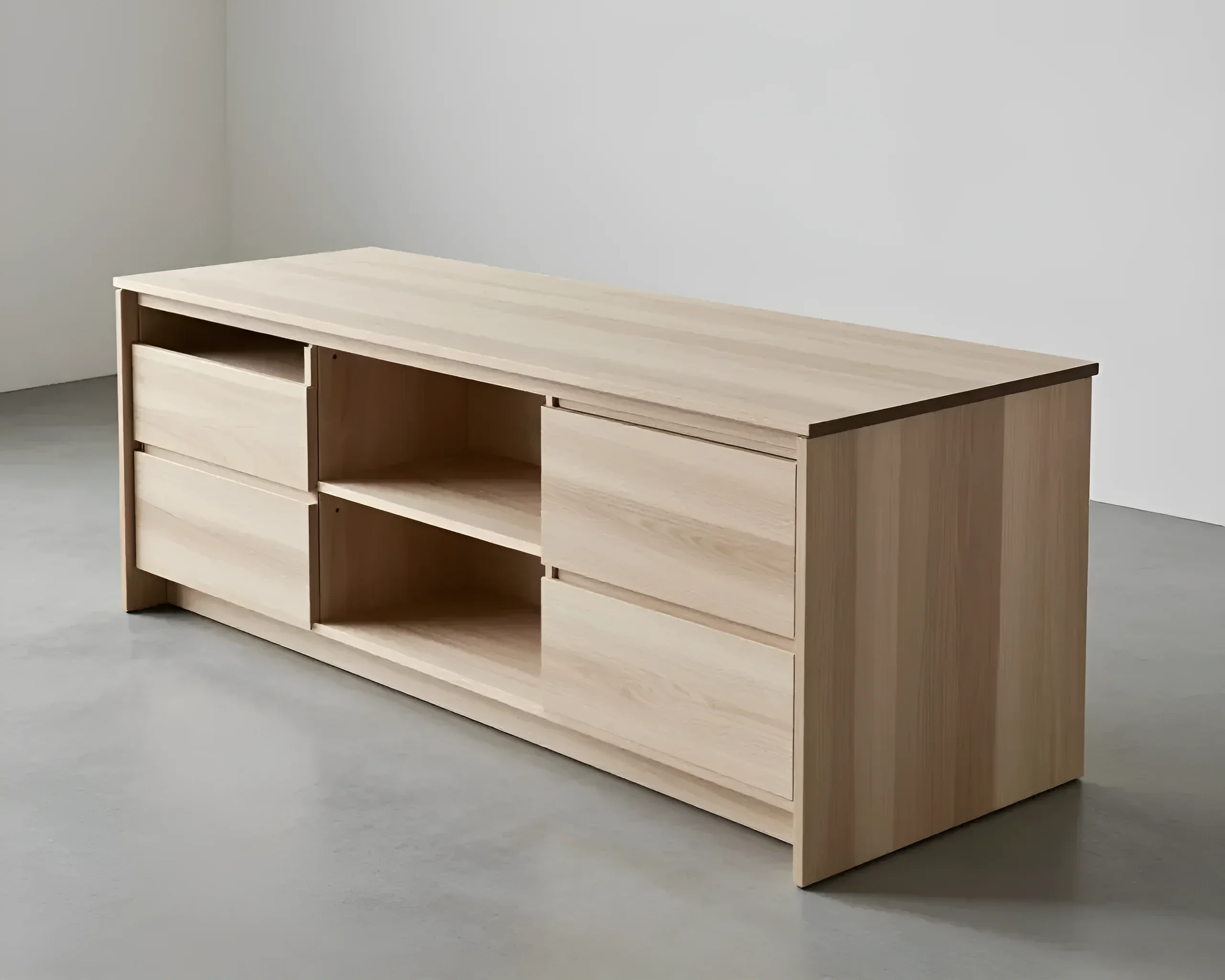
Choosing furniture for a small kitchen requires a strategic approach. Experts recommend adhering to the following rules:
Light color scheme. White, beige, light gray, or pastel tones are your best friends. Dark furniture in a small space creates a “box” effect. If you want brightness, use it in details: a backsplash or decor.
Glossy and mirrored surfaces. Gloss works like a mirror, reflecting light and adding depth. However, remember that dark gloss shows all fingerprints, so for a small kitchen, it is better to choose light gloss.
Avoid excessive decor. Bulky hardware, pilasters, carvings, and open shelves with many trinkets create visual noise. In a small kitchen, laconic facades without handles (with Push-to-open system) or with integrated hidden handles look better.
Glass inserts. Cabinets with glass doors (especially with frosted or textured glass) appear lighter than solid facades. They add “air” to the interior.
Optimal Dimensions and Sizes of Furniture for Space Saving
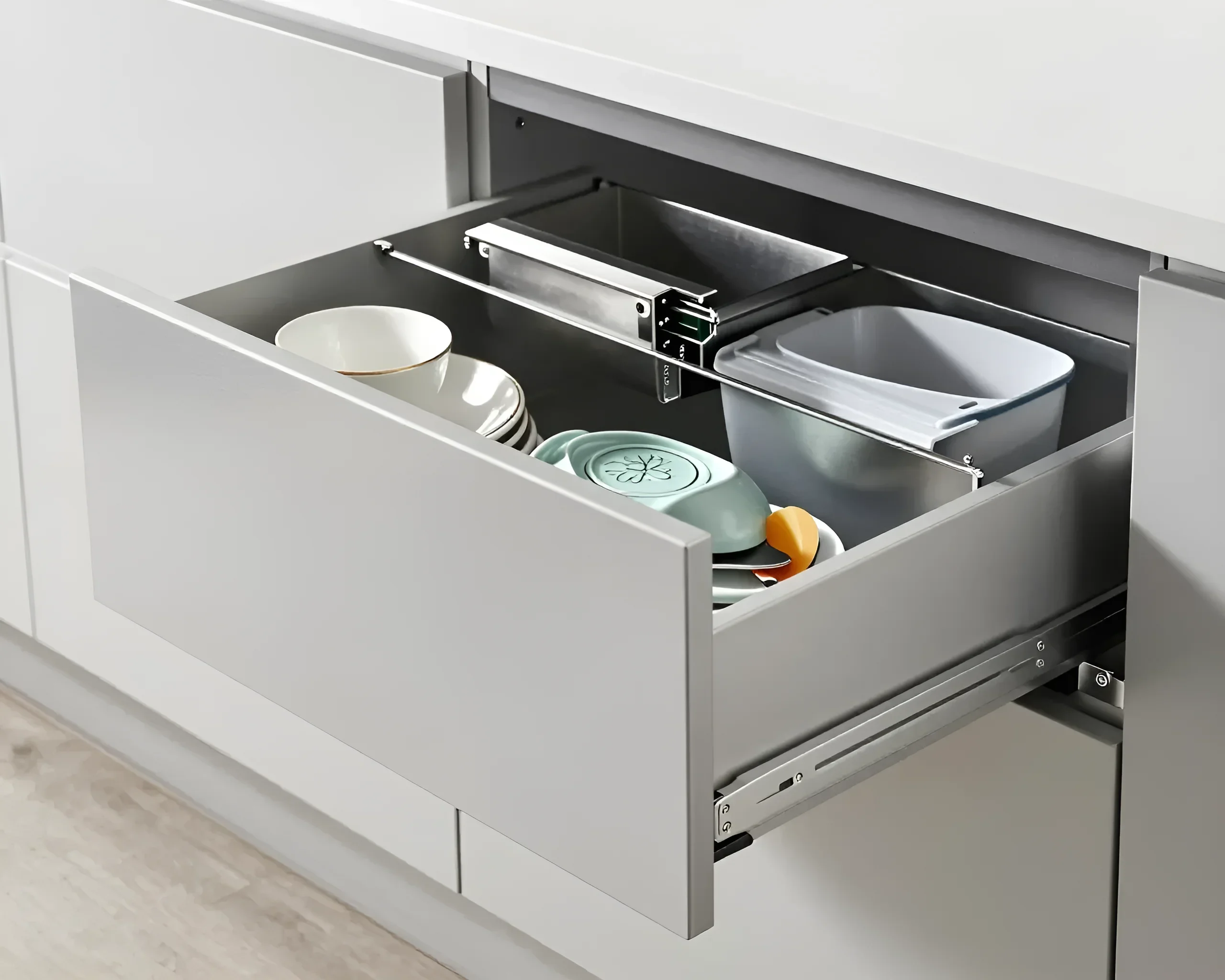
Standard dimensions of kitchen modules are not always suitable for small apartments. To save space, consider changing the furniture dimensions:
- Depth of lower cabinets. Standard is 600 mm. In narrow kitchens, the depth of one side can be reduced to 400-450 mm. This will free up 15-20 cm of passage, which is critical for comfortable movement. Note that when reducing the depth, you will have to look for non-standard hobs or sinks.
- Height of upper cabinets. Instead of the standard 720 mm, choose cabinets with a height of 900-920 mm or install a second tier of mezzanines. This will increase the usable storage volume by 30-40%.
- Width of modules. Instead of two cabinets of 450 mm, it is better to install one of 900 mm. One wide drawer holds more items than two narrow ones due to the absence of extra partitions and walls.
- Plinth height. The standard plinth of 100-150 mm can be turned into additional storage space by installing flat pull-out drawers for baking sheets or baking dishes.
Important tip: When planning furniture, be sure to consider the protrusion of the windowsill and the location of heating radiators. Often, the windowsill can be integrated into the countertop, making it a work area or a bar counter.
Functionality and Mechanisms: How to Make a Small Kitchen Convenient
In a small kitchen, the “filling” of the furniture is more important than its appearance. It is the hardware that makes it convenient to use. Pay attention to the following mechanisms:
1. Pull-out systems (Tandemboxes). Instead of hinged doors in the lower tier, use only pull-out drawers. They allow you to see all the contents at once, and you won’t have to get on your knees to get a pot from the back corner.
2. “Magic corner” and carousels. In corner kitchens, these mechanisms allow you to utilize the “dead zone” of the corner. Shelves slide forward when the door is opened, providing easy access to utensils.
3. Lifting mechanisms for upper cabinets. Doors that open upwards (folding or parallel lift) are much safer in a tight space. You won’t hit your head on an open door while cooking.
4. Bottle holders (Cargo). Narrow pull-out baskets, only 150-200 mm wide, allow for efficient use of narrow gaps between modules or appliances. They are convenient for storing oils, spices, or detergents.
5. Folding and pull-out tables. If there is no space for a dining table, use a transformer table that hides in the kitchen facade or pulls out from under the countertop only during meals.
Caring for Furniture in a Small Kitchen: Secrets of Durability
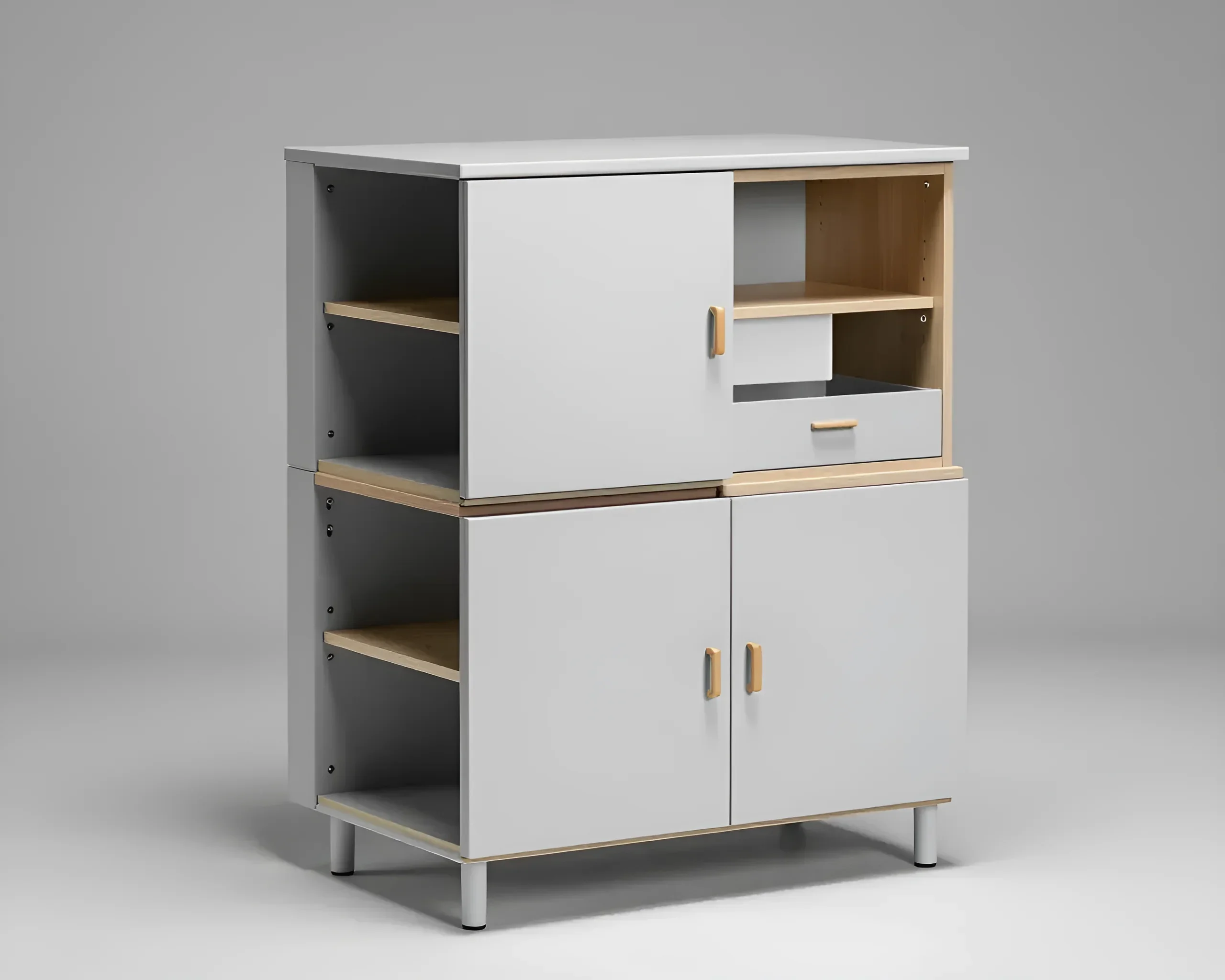
Due to the high density of items, furniture in a small kitchen wears out faster. To extend its life, follow these recommendations:
- Steam protection. Always turn on the range hood when cooking. In a small room, the moisture concentration skyrockets instantly, leading to swelling of the edges of MDF and chipboard. Ensure that protective aluminum or plastic profiles are installed on the lower edges of upper cabinets.
- Gloss care. Do not use abrasive powders or harsh sponges. Only microfiber and special sprays without alcohol and ammonia. A regular solution of laundry soap is excellent for removing grease from gloss.
- Hinge adjustment. Check and tighten hinges and drawer slides every six months. Crooked doors not only look bad but also wear out mechanisms faster, and can scratch adjacent facades.
- Temperature control. The distance between the stove and adjacent cabinets should be protected by thermal insulation strips. This will prevent delamination of the film or cracking of the enamel on the furniture.
Top 5 Furniture Solutions for a Small Kitchen: Best Models

Based on sales experience and customer reviews, we have identified five of the most effective furniture solutions for limited spaces:
- Ceiling-high kitchen with “mezzanines”. Maximum use of vertical space. Visually, such furniture blends with the wall, without cluttering the space.
- Countertop-windowsill. Allows you to forgo a dining table or expand the work area. It is important to provide ventilation holes in the countertop for the circulation of warm air from the radiator.
- Modular mini-kitchens. Ready-made solutions with a width of 1200 to 1800 mm, which already include space for a sink, a 2-burner hob, and a compact refrigerator. Ideal for studios.
- Furniture with integrated lighting. LED strips under upper cabinets and inside drawers are not only convenient but also create the effect of “floating” furniture, which lightens the interior.
- Rail systems. Although we talked about minimizing visual noise, a well-placed rail on the backsplash frees up drawers from small utensils (ladles, knives, cutting boards).
Buyer’s Tips: How Not to Make a Mistake When Choosing Furniture for a Small Kitchen
When buying or ordering furniture for a small kitchen, it is important not to miss details that can become a problem in the future:
Accurate measurements. In a small kitchen, a 5 mm error can lead to the refrigerator not fitting or a cabinet door hitting the windowsill. Order professional measurements after leveling the walls.
Built-in appliances. Choose narrow models: a 45 cm dishwasher instead of 60 cm, a 2-3 burner hob. Built-in appliances look neater and allow for a consistent facade line.
Socket placement. First, design the furniture, and then run the sockets accordingly. Make sure that access to sockets for a kettle or microwave is not blocked by cabinets.
Edge quality. When inspecting furniture samples in the showroom, pay attention to the chipboard edge. It should be made of PVC or ABS with a thickness of 2 mm. Thin melamine edging will quickly peel off due to moisture exposure.
Frequently Asked Questions (FAQ)
What is the best layout for a 5-6 sq. m kitchen?
Optimal are straight or L-shaped. If the family is small, a straight kitchen will allow for a comfortable table. If you need to cook a lot, choose a corner one.
Is it worth choosing dark furniture if I really want it?
You can, but only if the lower facades are dark, and the upper ones are light or mirrored. Also, ensure powerful multi-level lighting.
What is cheaper: a ready-made set or a custom-made kitchen?
A ready-made set is 30-50% cheaper, but it rarely fits perfectly into the dimensions of a small kitchen, leaving useless gaps. For maximum space saving, it is better to order furniture according to individual dimensions.
Interesting Facts About Furniture for Small Spaces
- The first “small-sized” kitchen was designed by Margarete Schütte-Lihotzky in 1926. It was named the “Frankfurt Kitchen” and had an area of only 6.5 sq. m. Many modern ergonomic principles are taken from there.
- Using pull-out plinth drawers can add up to 0.5 cubic meters of useful storage volume even to the smallest kitchen.
- Psychologists claim that in a small kitchen with light furniture, a person feels less tired than in a spacious one filled with dark, bulky items.
Choosing furniture for a small kitchen is a balance between functionality and aesthetics. Don’t be afraid of non-standard solutions: narrow cabinets, high mezzanines, and folding elements. A correctly chosen furniture set can make even the most modest area a pleasant place not only for cooking but also for spending time with loved ones. Remember that in a small kitchen, the quality of hardware and the accuracy of planning are more important than the number of decorative elements.