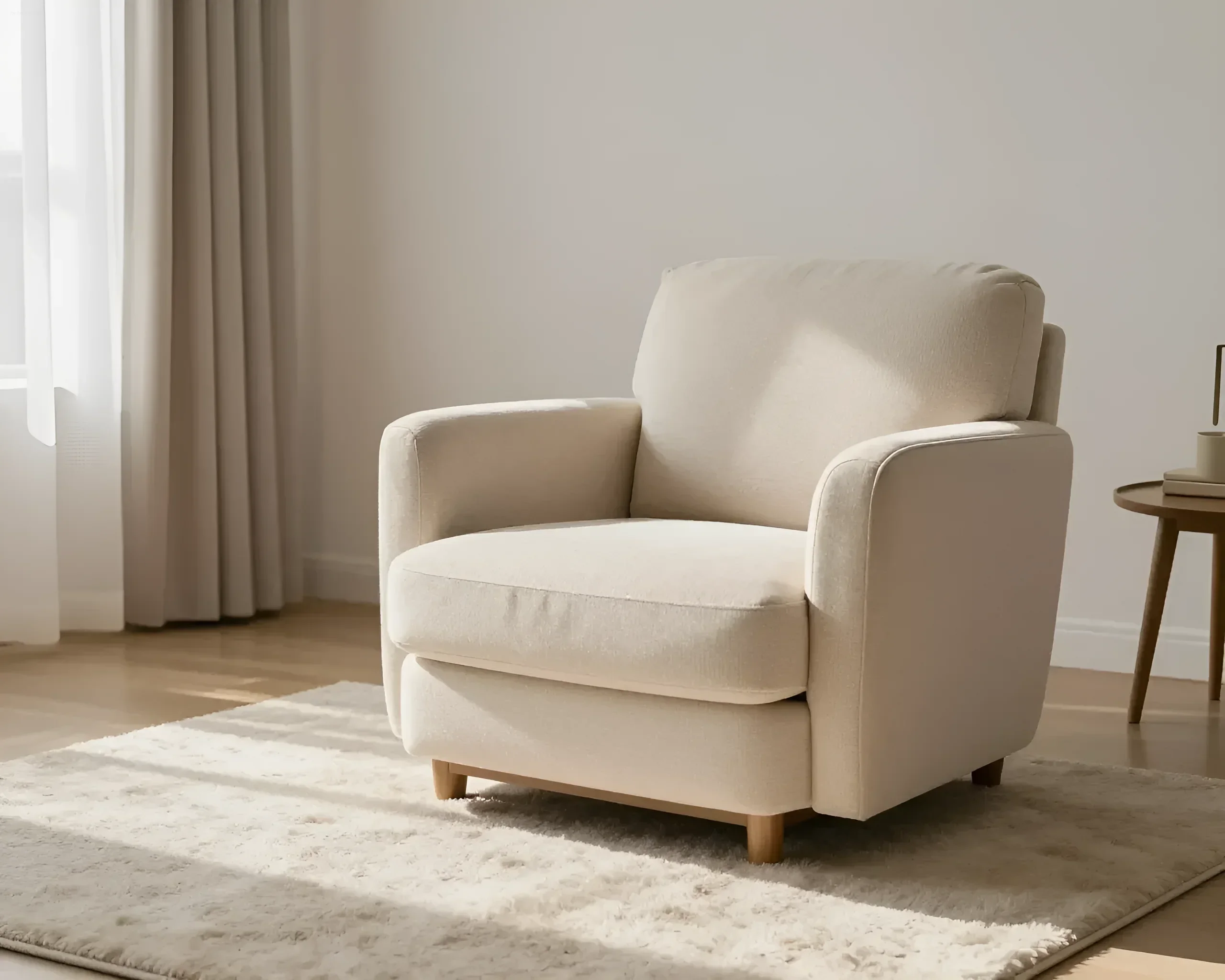
Modern humans spend up to 90% of their time indoors, and the objects we surround ourselves with directly dictate our brain’s operating mode: ‘fight or flight’ or ‘rest and recover.’ Neuroaesthetics is a relatively young discipline at the intersection of cognitive psychology, neurobiology, and design, studying how aesthetic experience affects our neural connections. In the context of home furnishing, this means shifting from a purely functional approach to creating an environment that physiologically reduces cortisol, the stress hormone. Research shows that certain shapes, textures, and even furniture arrangements can activate the parasympathetic nervous system, giving us a sense of security and deep psychological comfort.
Neuroaesthetics of the Home: Your Personal Oasis of Calm
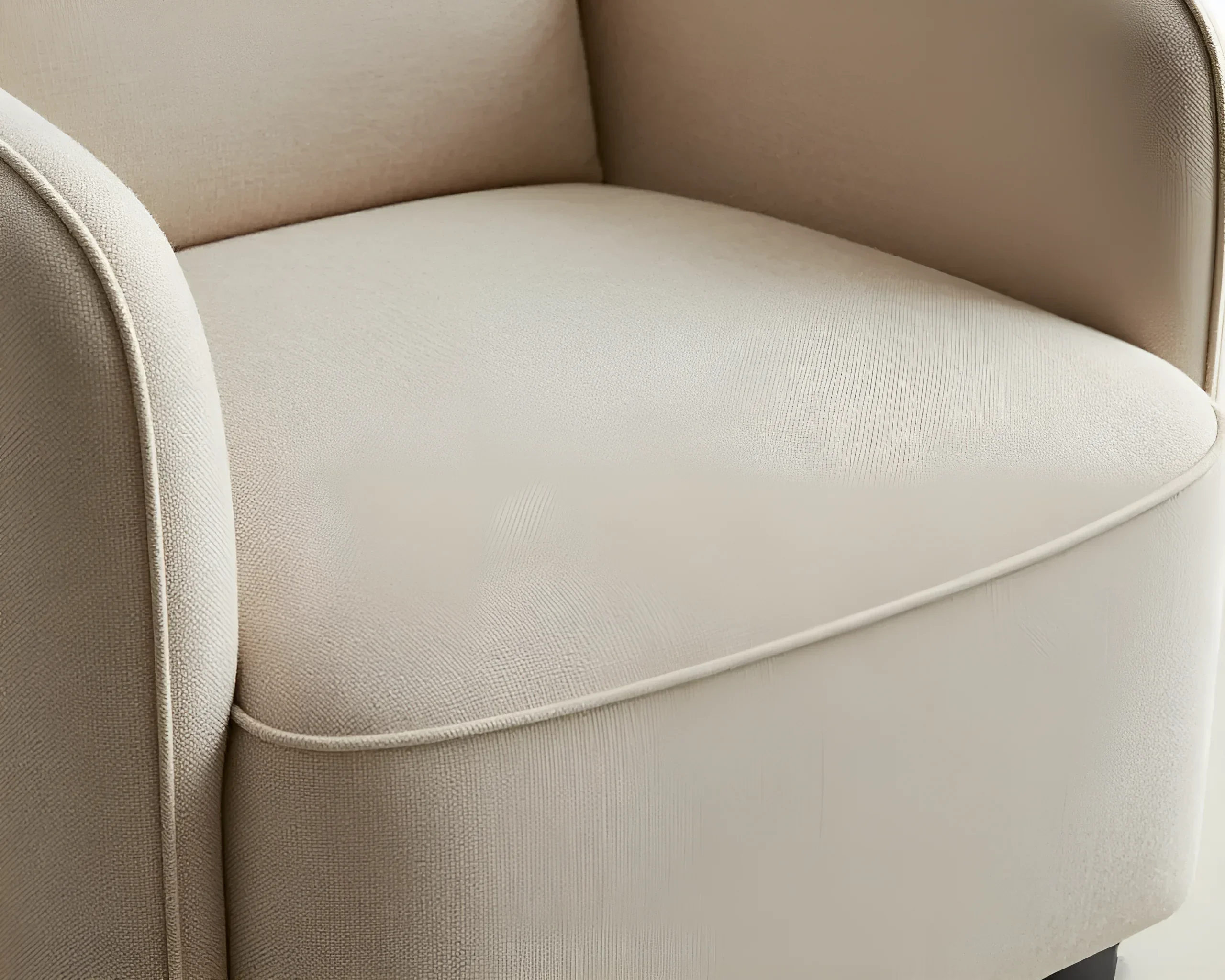
Neuroaesthetics is not just about ‘beautiful sofas.’ It’s about how our senses transmit signals to the amygdala in the brain. When you enter a room with sharp corners, hard surfaces, and cold lighting, the brain subconsciously reads it as a potentially dangerous or aggressive environment. Conversely, a neuroaesthetic interior is based on principles of biophilia and softness, which our brain associates with natural safety.
The main goal of neuroaesthetics in furniture is to minimize cognitive load. The brain doesn’t need to ‘process’ complex, broken lines or defend itself from sharp corners. In such a space, cortisol levels begin to smoothly decrease within 15-20 minutes of being present. This is especially important for city dwellers whose sensory apparatus is overloaded with visual noise. By choosing furniture with neurobiology in mind, you are investing not in an interior, but in your ability to regenerate.
The key tools here are visual softness (absence of aggressive geometric shapes) and tactile diversity. When we touch a pleasant surface, oxytocin is released in the body – a hormone that is an antagonist to cortisol. Thus, a properly chosen armchair literally becomes a tool for meditation.
Tactile Fabrics: A Touch of Harmony
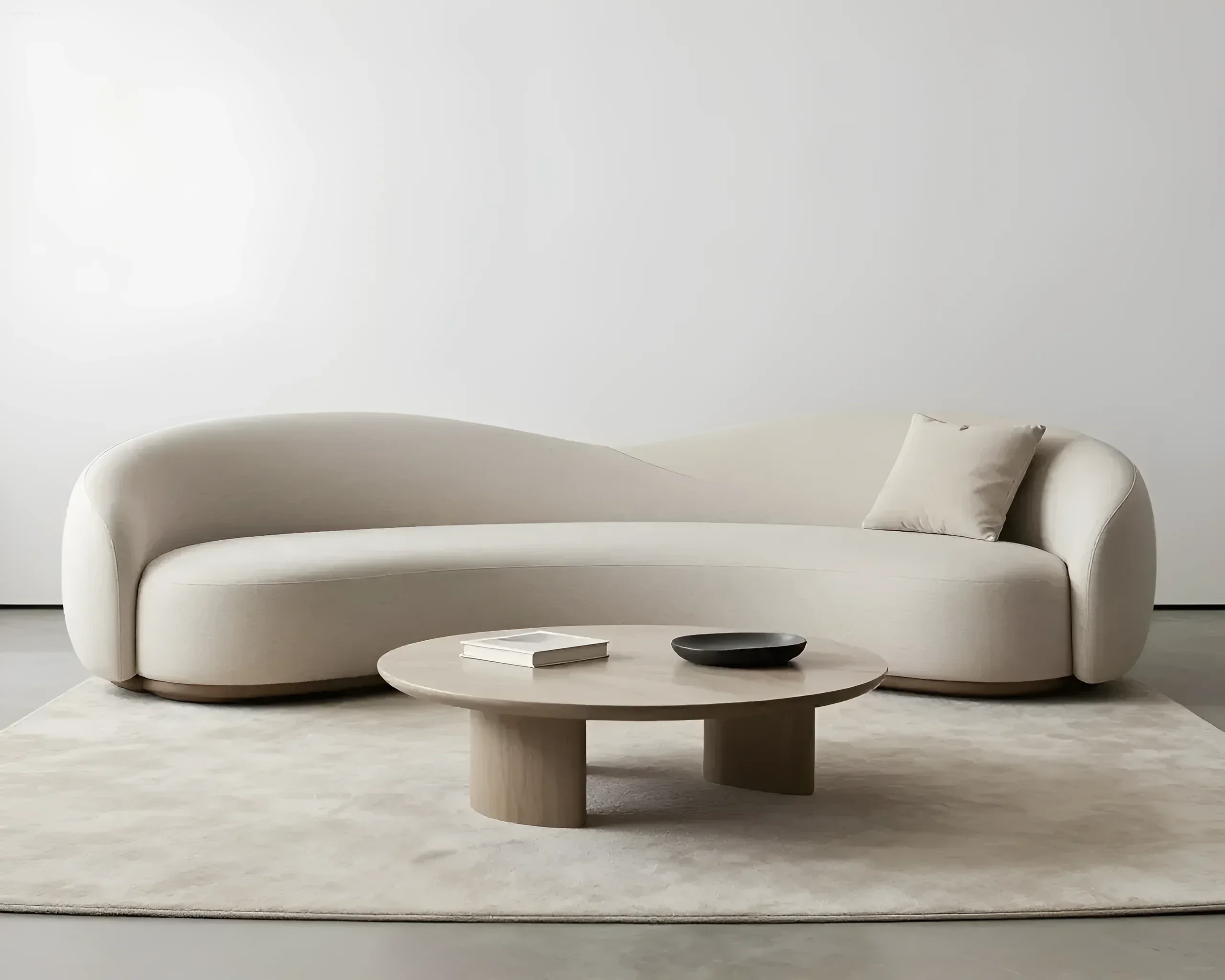
A tactile interior begins with upholstery. Human skin is a vast sensory organ, and the first contact with furniture is through touch. In 2024-2025, fabrics with a pronounced texture that invite touch are at the peak of popularity.
- Bouclé: A fabric with characteristic knots and loops. It creates a ‘cocoon’ effect. From a neuroaesthetic perspective, the uneven structure of bouclé mimics natural surfaces (moss, sheep’s wool), which calms the psyche. Technical specifications: density from 400 to 600 g/m², Martindale abrasion resistance – 20,000–50,000 cycles.
- Chenille: Has a fluffy yarn structure. It is softer than jacquard but more durable than velour. Chenille retains heat well, which is important for creating a sense of coziness.
- Microvelour and Velvet: These fabrics have a low coefficient of friction and a pleasant coolness or warmth depending on their composition. Deep-pile fabrics absorb sound, acting as acoustic traps, which also reduces stress from background noise.
When choosing a fabric, pay attention to the composition. Natural fibers (cotton, linen, wool) combined with high-quality polyester provide the best tactile response. For maximum cortisol reduction, experts recommend using fabrics with high pile or textured weaves, as they stimulate pressure receptors on the skin, causing an effect similar to a light massage.
Rounded Furniture: Smooth Lines for Your Psyche
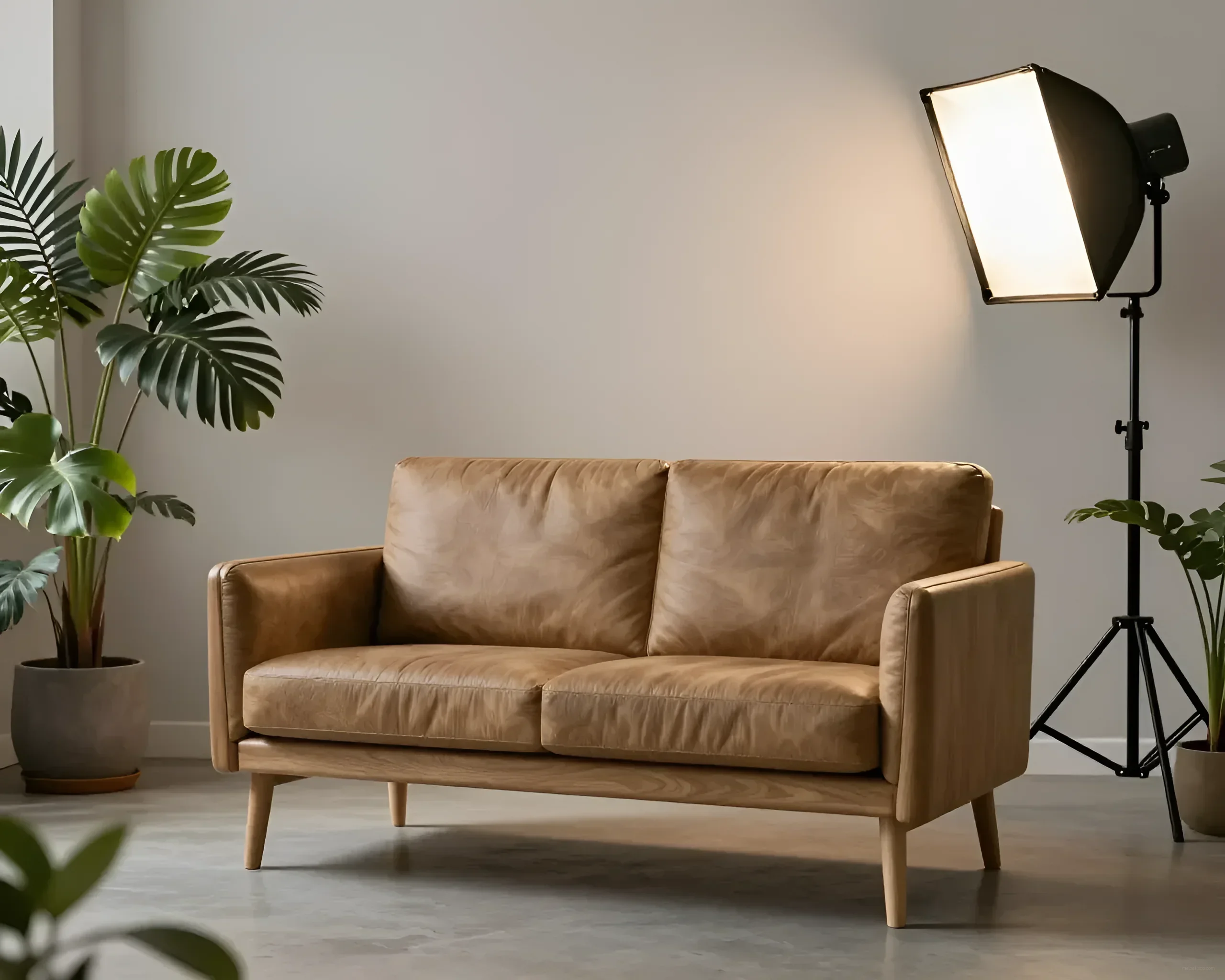
Rounded furniture is not just a trend; it’s a return to origins. Nature has virtually no perfectly straight 90-degree angles. Studies conducted at Harvard Medical School have confirmed: when people look at objects with sharp corners, the brain area responsible for fear is activated. Rounded shapes, on the other hand, activate areas associated with pleasure and aesthetic approval.
Why Choose Rounded Shapes:
- Subconscious Safety: Smooth sofa edges, round coffee tables, and shell chairs are perceived by the brain as objects that cannot cause injury.
- Improved Navigation: Rounded furniture allows for smooth ‘flow’ around the space. This eliminates micro-stress from constantly having to watch out for hitting a table or cabinet corner.
- Psychological ‘Enveloping’ Effect: Sofa backs that smoothly transition into armrests create a sense of protection from behind and the sides, which is critical for complete relaxation.
When choosing, pay attention to the radius of curvature. For dining tables, a radius of 50 mm and above is considered optimal. Crescent sofas (curved sofas) are best placed in the center of the room, creating a circular movement path around them, which promotes a freer flow of energy in the space and reduces feelings of confinement.
The Influence of Interior Design on the Psyche: A Scientific Look at Coziness
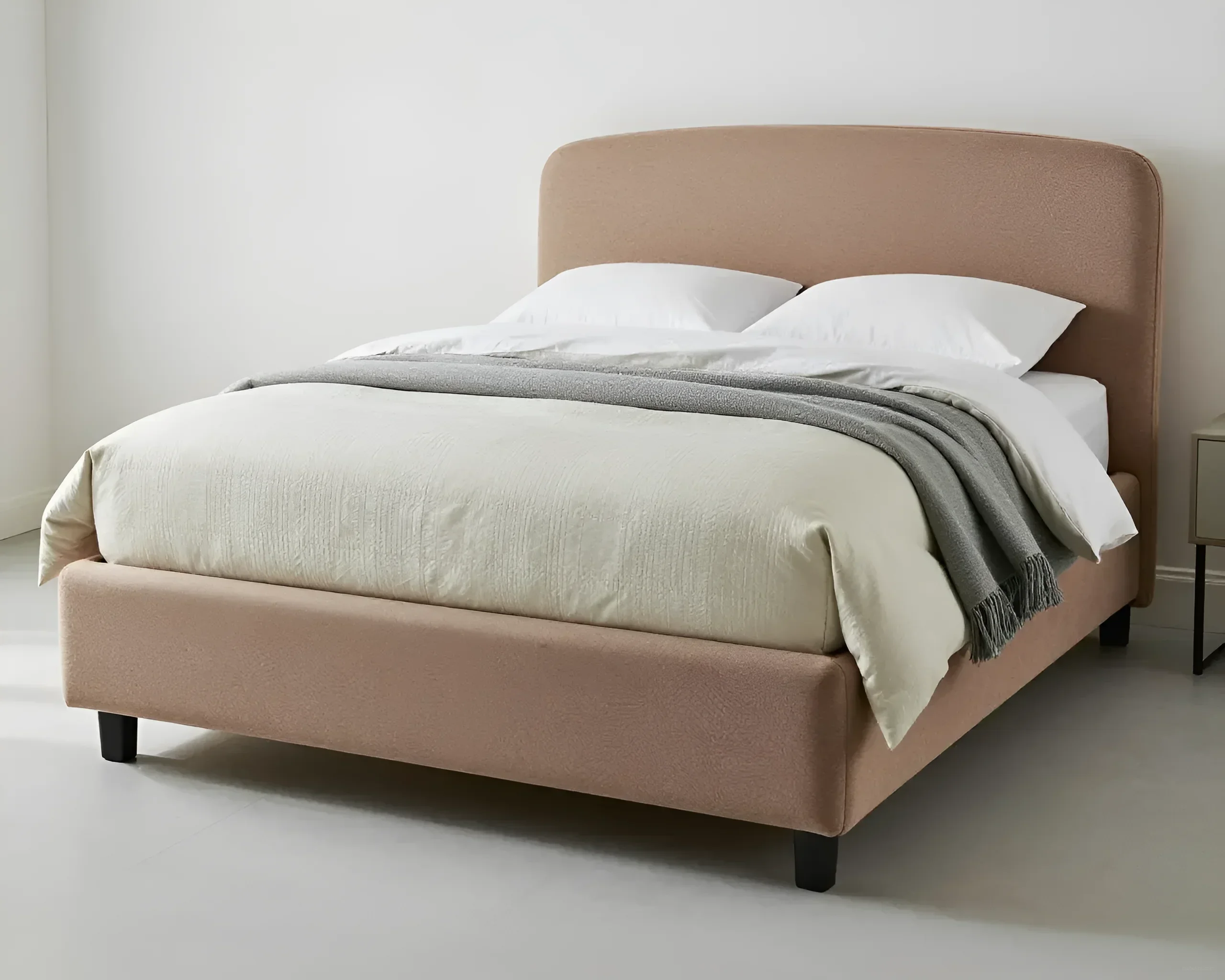
The influence of interior design on the psyche is confirmed by the concept of an ‘enriched environment.’ Neurobiologists assert that an environment rich in sensory stimuli (but not overloaded) promotes neuroplasticity. Furniture, in this context, acts as the main sensory trainer.
When we sit on a soft, deep sofa (seat depth 60-70 cm), our body adopts a posture that signals the brain to cease the activity phase. If the furniture upholstery has a pleasant texture, Meissner’s corpuscles (touch receptors) are activated, sending signals to the somatosensory cortex. The result is an immediate slowing of heart rate.
Comparative Table of Furniture Elements’ Impact on Human State:
| Furniture Element | Psychological Effect | Physiological Response |
|---|---|---|
| Sharp corners, glass, metal | Concentration, distance, strictness | Increased muscle tone, readiness for action |
| Rounded shapes, wood | Trust, softness, openness | Lowered blood pressure |
| Textured fabrics (bouclé, wool) | Security, warmth, coziness | Reduced cortisol levels, oxytocin release |
Interestingly, symmetry in the arrangement of rounded furniture further enhances the calming effect. The brain processes symmetrical compositions more easily, saving mental energy.
How to Choose Furniture to Reduce Cortisol Levels: A Practical Guide
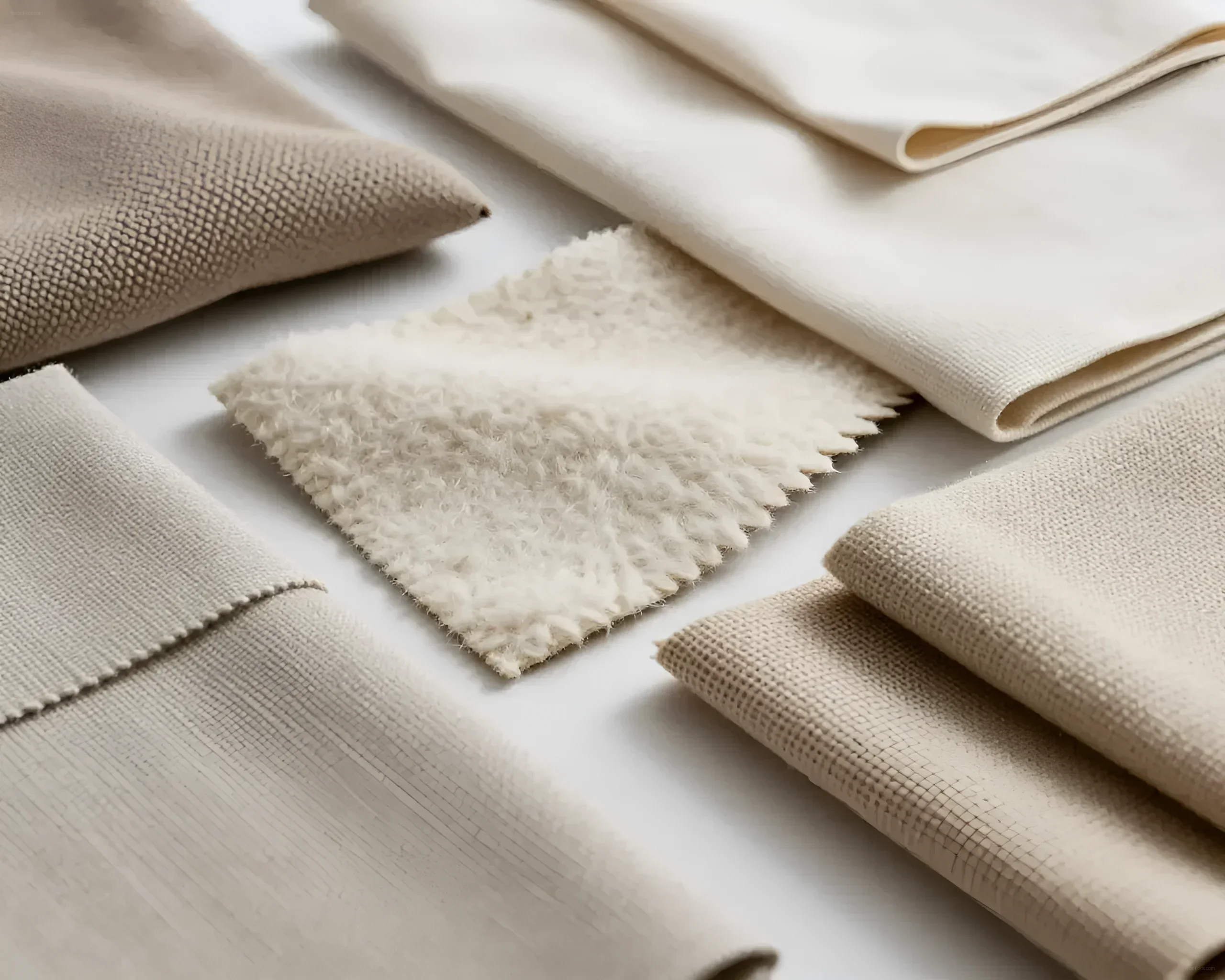
For furniture to truly work for your health, follow clear criteria when choosing in-store or online. Don’t limit yourself to appearance; delve deeper into the technical specifications.
- Check ‘Seat Softness’: For stress reduction, choose memory foam fillers or multi-layer polyurethane foam (PU foam) sandwiches of varying densities. Optimal density for comfortable rest is 30–35 kg/m³. Too firm a surface forces muscles to remain tense, which hinders cortisol reduction.
- Backrest Ergonomics: Look for models with an anatomical curve in the lumbar region. The angle of the backrest relative to the seat should be 105-110 degrees for active rest and up to 120-130 degrees for deep relaxation.
- Leg Height: Furniture with low legs or no legs at all (in the ‘Japandi’ or 70s minimalist style) creates a sense of groundedness and stability. Psychologically, this is perceived as a more reliable support.
- Fabric Color Temperature: Neuroaesthetics favors natural, ‘dusty’ shades: sage, terracotta, sand, soft gray. Avoid bright neon colors, which are visual irritants and provoke micro-adrenaline surges.
Remember the ‘rule of three textures’: for balance, a relaxation zone should combine three different tactile sensations. For example: a soft chenille sofa, a smooth wooden table, and a long-pile rug. This creates the necessary perceptual depth for the brain.
Materials and Textures: Choosing Tactilely Pleasing Options
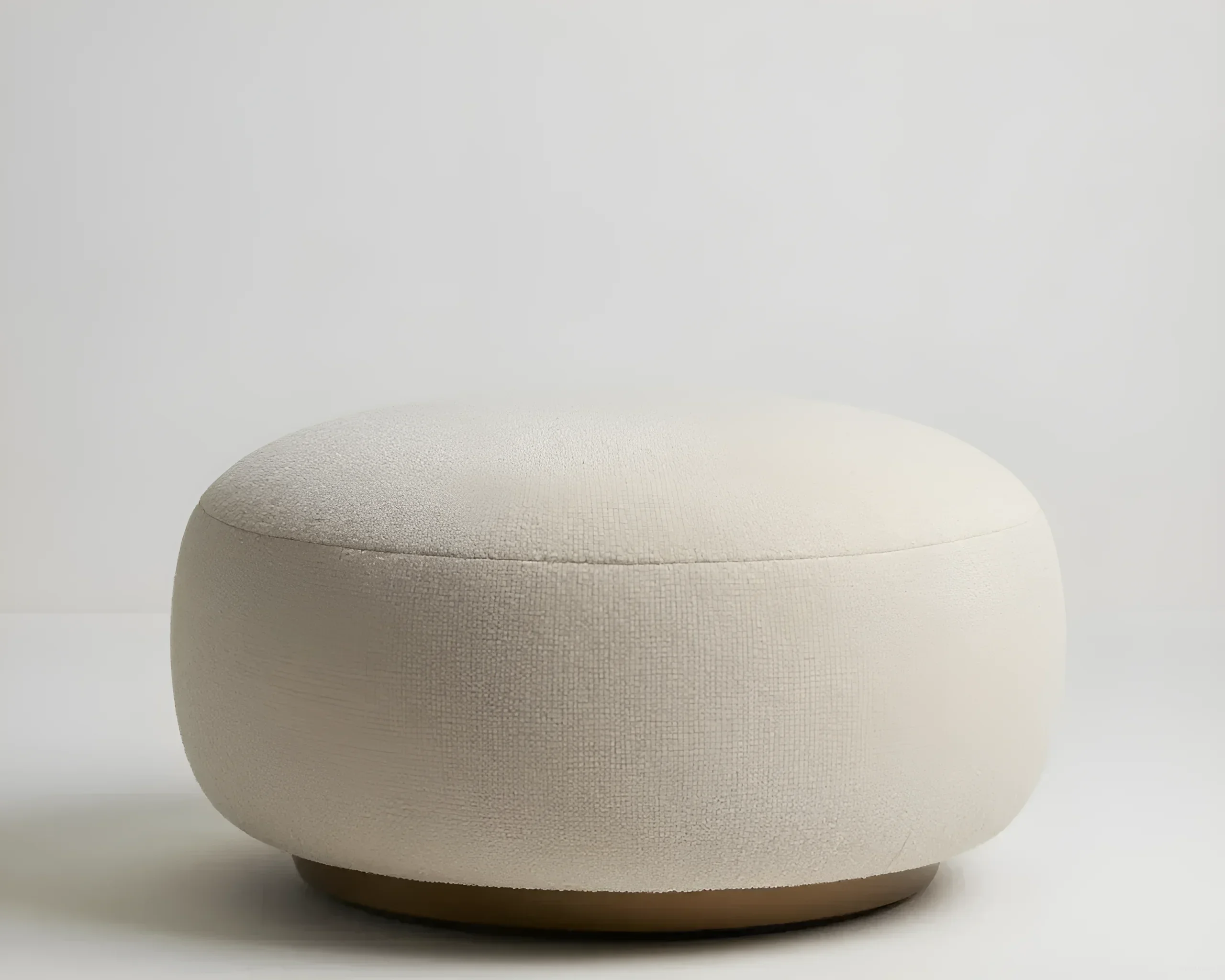
Materials are the foundation of a tactile interior. Beyond fabrics, the material of solid furniture elements plays a huge role. Neuroaesthetics strongly recommends using natural materials with minimal processing.
Wood: Instead of glossy varnish, opt for furniture finished with oil or wax. This keeps the wood pores open, and upon touch, you feel warmth and a unique texture. Oak, ash, and walnut have a pronounced texture that is pleasant to the fingers. Touching natural wood reduces sympathetic nervous system activity.
Stone: Matte marble or travertine is more pleasant to the touch than surfaces polished to a mirror shine. Travertine, with its porous structure, adds ‘naturalness’ to the interior, which is important for biophilic design.
Metal: If it’s unavoidable, choose brushed (matte) options. Cold and slippery chrome can cause subconscious aversion, while matte brass or copper are perceived as ‘warmer’ and friendlier materials.
Important Tip: When choosing tactile furniture, always check the seams. In high-quality neuroaesthetic furniture, seams should be hidden or perfectly smooth to avoid discomfort upon skin contact.
Furniture Care: Preserving Tactile Bliss
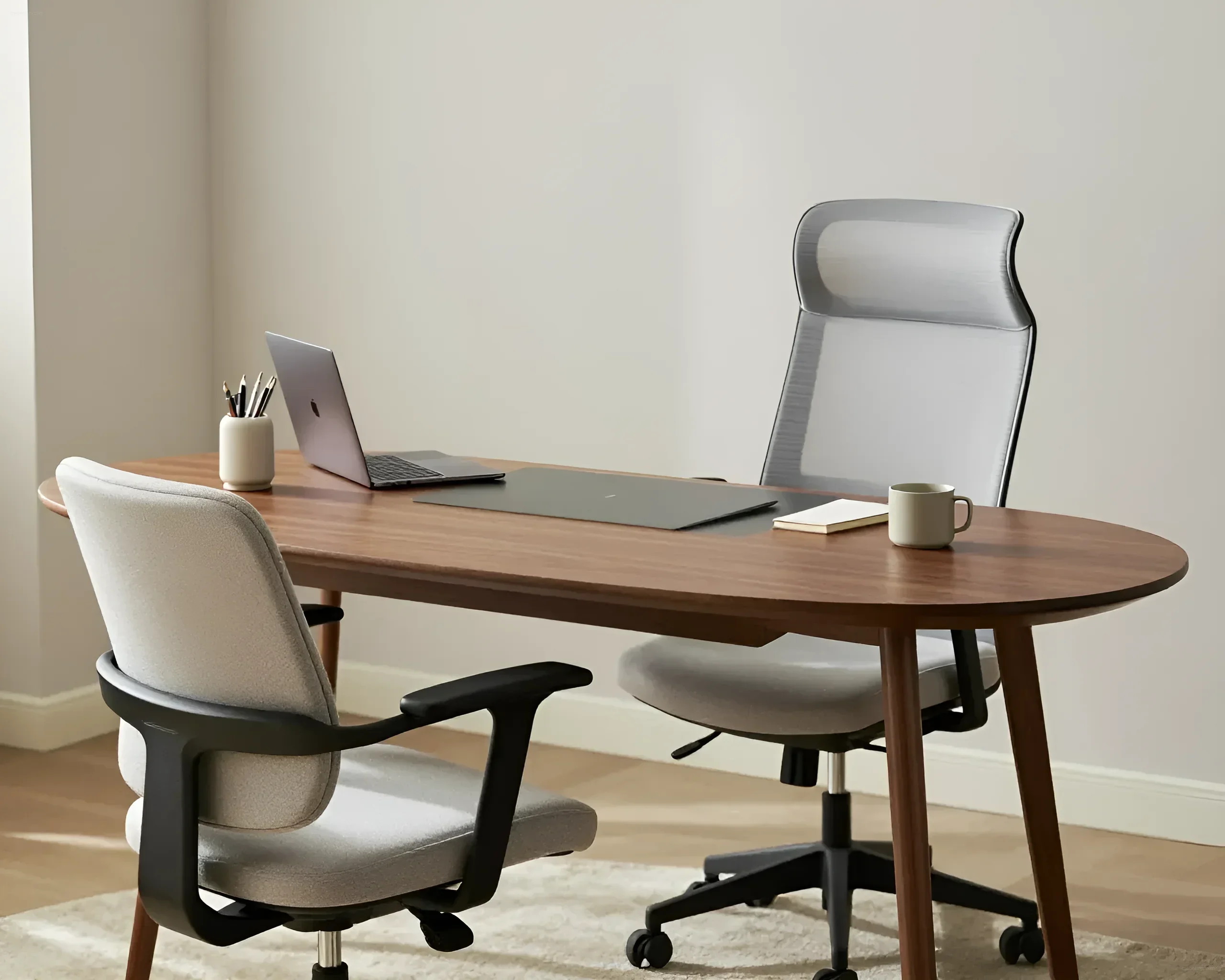
For tactile fabrics to continue to please you and perform their anti-stress function, they require specific care. Dirty, greasy, or pilled fabric loses its neuroaesthetic properties and begins to cause irritation instead of peace.
- For Bouclé: Use only a soft vacuum cleaner attachment. Absolutely do not rub stains with stiff brushes – you will damage the loop structure. The best option is professional aqua-cleaning every six months.
- For Velour and Velvet: Purchase a special brush with soft bristles to restore the pile direction (napping). This will preserve the play of light on the surface, which our eyes love so much.
- Dealing with Pilling: If pills (pilling) appear on the fabric, remove them with a special machine. A rough fabric surface with pills is a strong tactile irritant that can subconsciously increase anxiety levels.
For wooden surfaces, use restorative products based on beeswax. This will not only protect the wood but also preserve that pleasant aroma and smoothness that are important for the overall sense of well-being in the home.
Buyer’s Tips: Creating a Neuroaesthetic Home
Creating a space for cortisol reduction is a process that does not tolerate haste. Start small and gradually transform your home into a zone of total comfort.
Step-by-Step Plan:
- Conduct a Corner Audit: Look at your living room. If it’s dominated by sharp corners (tables, shelves, cabinets), try replacing at least one central element with a rounded one. For example, a rectangular coffee table with a round or oval one.
- Add a ‘Tactile Spot’: Buy one accent armchair in bouclé or soft velour fabric. Make it your reading nook or relaxation spot after work.
- Monitor Lighting: Furniture with rounded shapes is best showcased under soft, diffused light. Use floor lamps with fabric shades that emphasize the upholstery texture.
- Eliminate Visual Noise: Neuroaesthetics does not tolerate chaos. Choose storage systems with closed, rounded facades. A clean space is key to low cortisol.
By investing in quality, tactilely pleasing, and rounded furniture, you are contributing to your longevity. Remember that home is the only place where your brain should feel absolutely safe. Let your furniture help you with this.
Frequently Asked Questions
1. Does rounded furniture really help with insomnia?
There is no direct link, but an indirect one is huge. Reduced cortisol levels in the evening due to a calming environment promotes faster melatonin production. A rounded bed or soft headboard creates a sense of security, which facilitates falling asleep.
2. Is bouclé fabric impractical if you have cats?
Unfortunately, yes. Bouclé loops are an ideal target for claws. If you have pets but want tactility, choose microvelour with an ‘anti-scratch’ effect. It’s smooth for claws but very soft and pleasant for human hands.
3. Won’t an interior with rounded furniture look old-fashioned?
On the contrary, it is currently the most relevant trend, called ‘Organic Modern’ or ‘Soft Minimal.’ It’s a modern interpretation of 70s design that looks very stylish and expensive.
Interesting Facts About Furniture and the Psyche
- Curvature Effect: In 2013, scientists from the University of Toronto proved that people are 2 times more likely to call interiors with rounded furniture ‘beautiful’ than those with linear furniture.
- Color and Touch: Our brain associates color with an expected tactile sensation. Blue furniture subconsciously seems cooler and smoother to us, while beige and brown seem softer and fuzzier, even if the fabric is the same.
- Tactile Hunger: In the digital age, people suffer from a lack of real sensations. Furniture with pronounced texture helps compensate for ‘tactile hunger,’ stabilizing emotional balance.