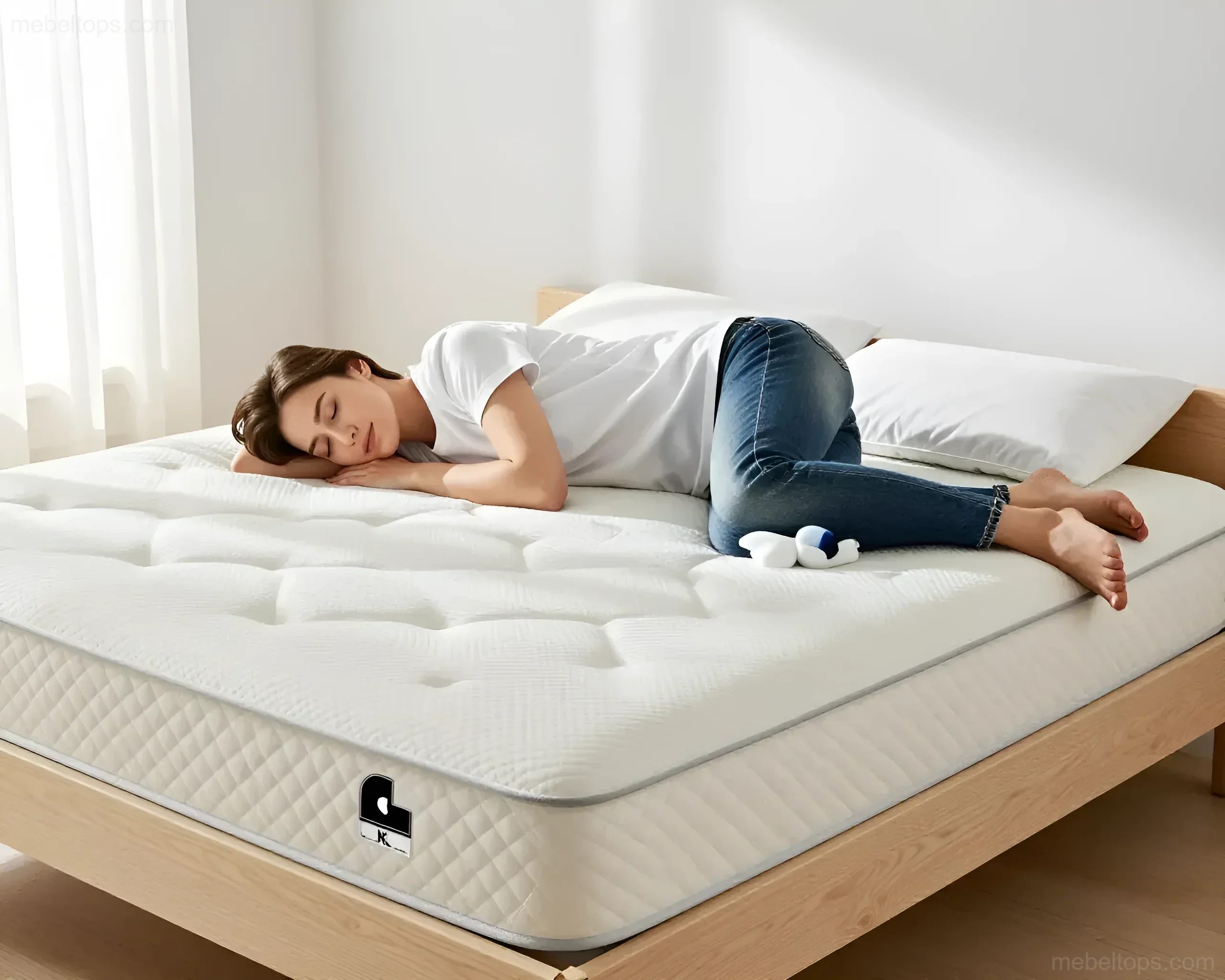
Purchasing a quality orthopedic mattress is a significant investment in your health and daily well-being. However, many buyers forget that even the most expensive product with “smart” springs and modern fillings requires regular maintenance. Proper and timely mattress flipping is not just a manufacturer’s recommendation, but a critically important procedure that helps prevent premature deformation of fillings and preserves the anatomical properties of your sleeping surface for years to come. If you ignore this stage of care, you may encounter “dents” and sags in areas of maximum surface load within 2-3 years.
Why Flipping a Mattress is Important
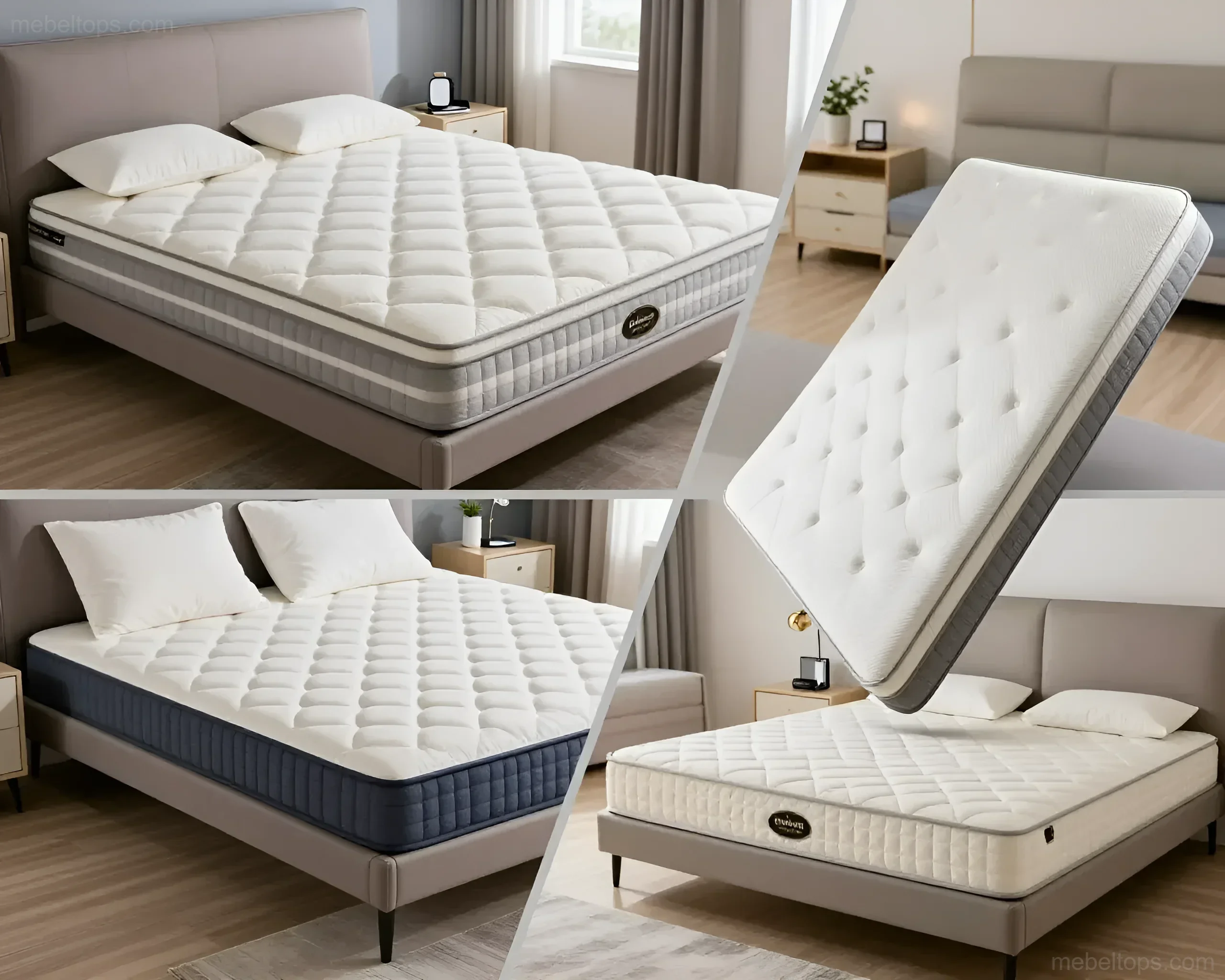
The primary reason a mattress needs regular position changes is the physics of materials. When you sleep in the same position every night, certain areas of the mattress (usually around the shoulders and hips) are subjected to constant pressure. Material fatigue is a real technical term. Springs and foam layers (latex, memory foam, polyurethane foam) lose their original elasticity over time if the load is not distributed evenly.
Here are several key reasons why this procedure is mandatory:
- Preventing filler settlement. Constant pressure on one point causes comfort layers (coir, latex) to compress. Flipping allows the areas under load to “rest.”
- Maintaining hygiene. During use, the mattress accumulates moisture released by the human body. Flipping promotes better ventilation of internal layers, which prevents the proliferation of dust mites and mold.
- Even wear of the spring unit. In independent spring units (TFK, S1000, S2000), each spring works autonomously. If the mattress position is not changed, the outer springs will remain like new, while the central ones will quickly fail.
- Spinal support. A deformed mattress ceases to perform its main function – orthopedic support. As soon as a sag of more than 2-3 cm appears, your spine begins to take an incorrect shape during sleep.
Types of Mattresses and Specifics of Flipping Them
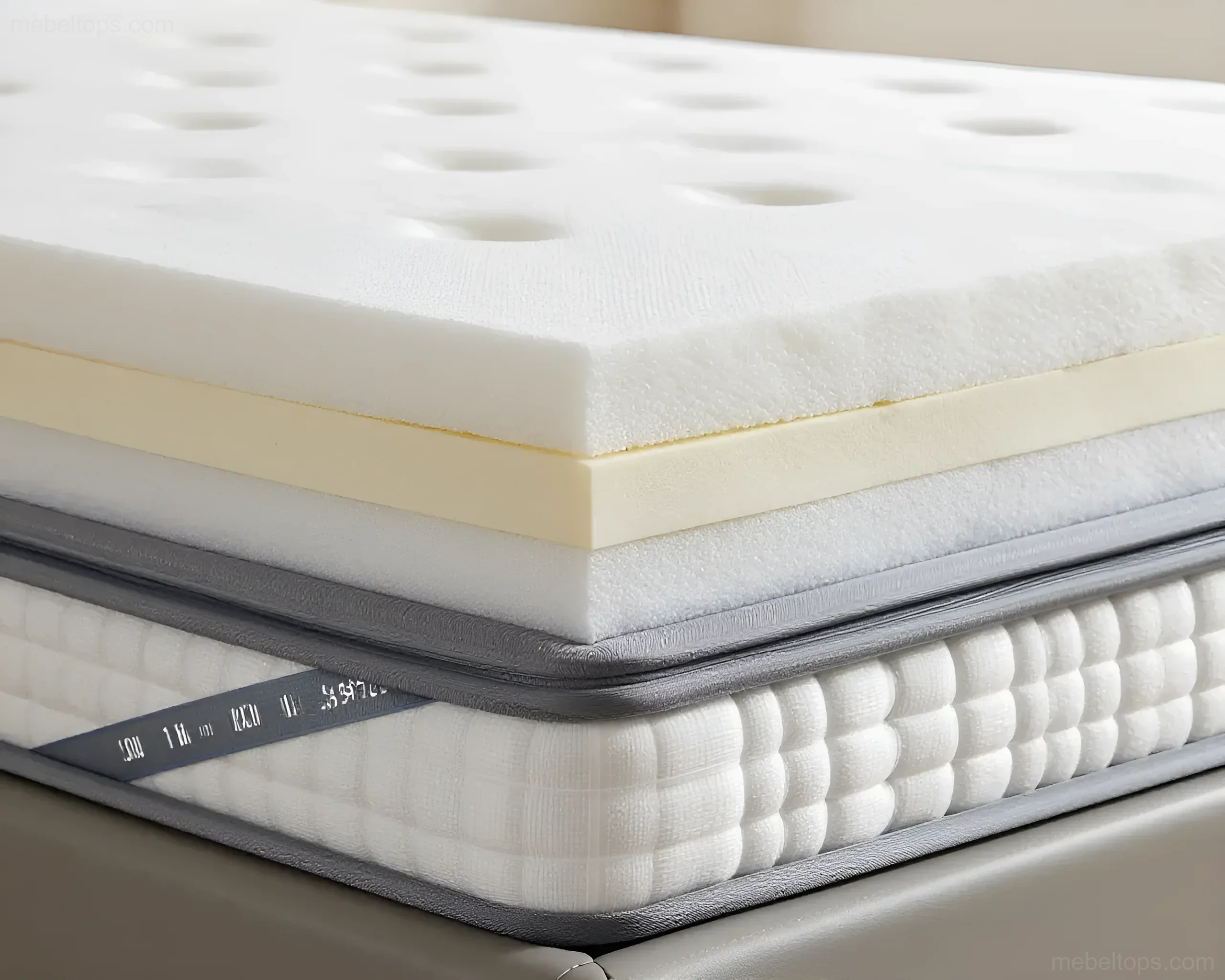
Before you start, you need to determine the type of product in your bedroom. Not all mattresses can and should be flipped the same way. The modern market offers two main design solutions.
Double-sided mattresses. This is a classic option where both sides are functional. They can have the same firmness on both sides or be combined (e.g., one side medium-firm, the other firm). Such models need to be flipped both horizontally (swapping “head” and “foot”) and vertically (swapping top and bottom surfaces).
Single-sided mattresses (No Turn technology). These have become increasingly popular in recent years. These models have a robust base and filling layers on only one side. The bottom is usually covered with a wear-resistant technical fabric. Important: these mattresses cannot be flipped to the reverse side! They should only be rotated 180 degrees around their axis.
Let’s compare the care specifics in a table:
| Mattress Type | Rotation (head-foot) | Flip (top-bottom) | Maintenance Frequency |
|---|---|---|---|
| Double-sided spring | Yes | Yes | Every 3-4 months |
| Double-sided non-spring | Yes | Yes | Every 6 months |
| Single-sided (No Turn) | Yes | No | Every 3 months |
| Memory foam mattress | Yes | Depends on the model | Every 4 months |
Mattress Materials: How They Affect Care
The composition of your mattress’s “filling” directly dictates the rules for handling it. Different materials have varying degrees of elasticity and fragility. Let’s look at the most popular fillers and their specifics in the context of flipping.
Natural coir. This is a rather fragile material. If you flip the mattress by bending it significantly, the coir may simply crack. When flipping mattresses with coir, it’s important to keep them as straight as possible, avoiding kinks. Coir requires regular ventilation, so flipping for such models is not just about shape but also about the longevity of the fiber itself.
Natural latex. A very heavy and elastic material. Latex mattresses can weigh up to 50-70 kg in a double size. Due to their high weight, they are difficult to flip alone. Latex perfectly restores its shape, so it can be flipped slightly less often than budget polyurethane foam, but it must be done to avoid the “hammock effect.”
Memory Foam. Temperature-sensitive foam. If the mattress has been lying on one side in a cold room for a long time, it needs to be brought to room temperature before use. When flipping such models, ensure the foam layer adheres tightly to the base, otherwise the orthopedic effect will be reduced.
Independent springs (Pocket Spring). Each spring is in a separate fabric pocket. Flipping helps relieve residual stress from the metal. If the mattress is not flipped, the springs in the pelvic area will start to creak much sooner than expected due to constant static load.
Step-by-Step Guide: How to Properly Flip a Mattress
Flipping a mattress is a task that requires caution, especially when dealing with heavy double-sized models (160×200 or 180×200 cm). Incorrect actions can lead to back injuries or damage to the product itself.
Step 1: Prepare the space. Remove bedding and mattress protectors. Clear away bedside tables, lamps, or fragile items near the bed. You’ll need free space to maneuver.
Step 2: Cleaning. Take the opportunity to vacuum the mattress on both sides. Also, clean the bed base or slatted frame of dust. This is the best time for hygienic treatment of your sleeping surface.
Step 3: Horizontal rotation (180 degrees). First, rotate the mattress so that the head end is now at the foot. It’s helpful to slightly extend the mattress beyond the bed frame to get a better grip.
Step 4: Vertical flip (for double-sided models). Lift the mattress onto its edge (long side). Ensure it is stable. Then, gently lower it to the other side. Important: never use the decorative handles on the sides of the mattress to lift it! In most models, these handles are only for easy positioning on the bed; they are not designed to support the full weight of the product and can detach along with the upholstery.
Step 5: Check the position. Ensure the mattress lies flat within the bed frame, does not overhang the edges, and fits snugly against the base. After flipping, it’s advisable to let the mattress “settle” for 20-30 minutes before making the bed.
How Often Should You Flip a Mattress?
The frequency of maintenance depends on the “age” of the product and the intensity of its use. There is a universal rule followed by leading furniture manufacturers.
- New mattress (first 3-6 months). During this period, the fillings adapt to your body weight. Experts recommend flipping a new mattress every 2 weeks. This helps the foam layers and springs “settle in” evenly across the entire surface.
- Standard mode (after six months). Flip the mattress every 3-4 months. It’s optimal to combine this procedure with seasonal changes or deep cleaning.
- Seasonal models (“Winter-Summer”). These mattresses have different side coverings (wool for warmth and cotton for cooling). They should be flipped strictly twice a year when the outdoor temperature changes.
If people with a significant weight difference (more than 30 kg) sleep on the mattress, reduce the intervals between flips. Under such conditions, wear occurs faster and more unevenly.
Common Mistakes When Flipping a Mattress
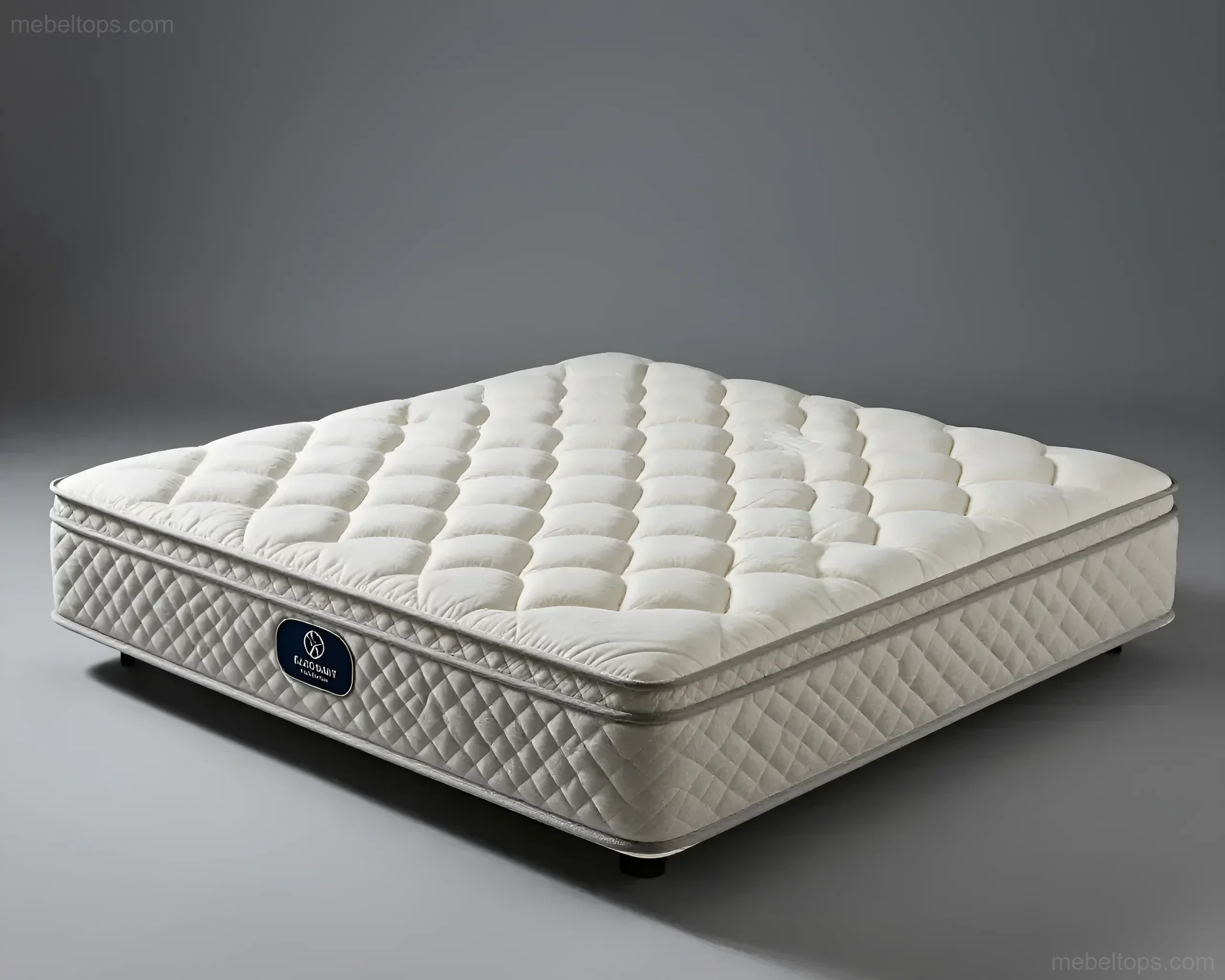
Even in such a simple task, mistakes can be made that shorten the life of your furniture. Here’s a list of what you absolutely should not do:
- Flipping alone. The weight of a modern mattress can reach 40-50 kg. Trying to flip it yourself risks not only straining your back but also dropping the mattress, damaging the internal spring structure upon impact.
- Using carrying handles. As mentioned, handles are decorative and auxiliary elements. Lifting the entire mattress by them is a sure way to damage the cover.
- Severe bending and deformation. Spring mattresses and models with coir should not be bent more than 20 degrees. This leads to irreversible deformation of the steel frame or cracking of the filler.
- Ignoring the base. If you flip the mattress but place it on broken or sagging slats, the procedure will be useless. Always check the integrity of the bed base.
- Flipping single-sided models. If you place a No Turn mattress with the hard technical layer facing up, you will not only experience discomfort but may also damage the soft layers, which will now be under the pressure of the entire structure.
TOP 5 Mattresses Requiring Special Care
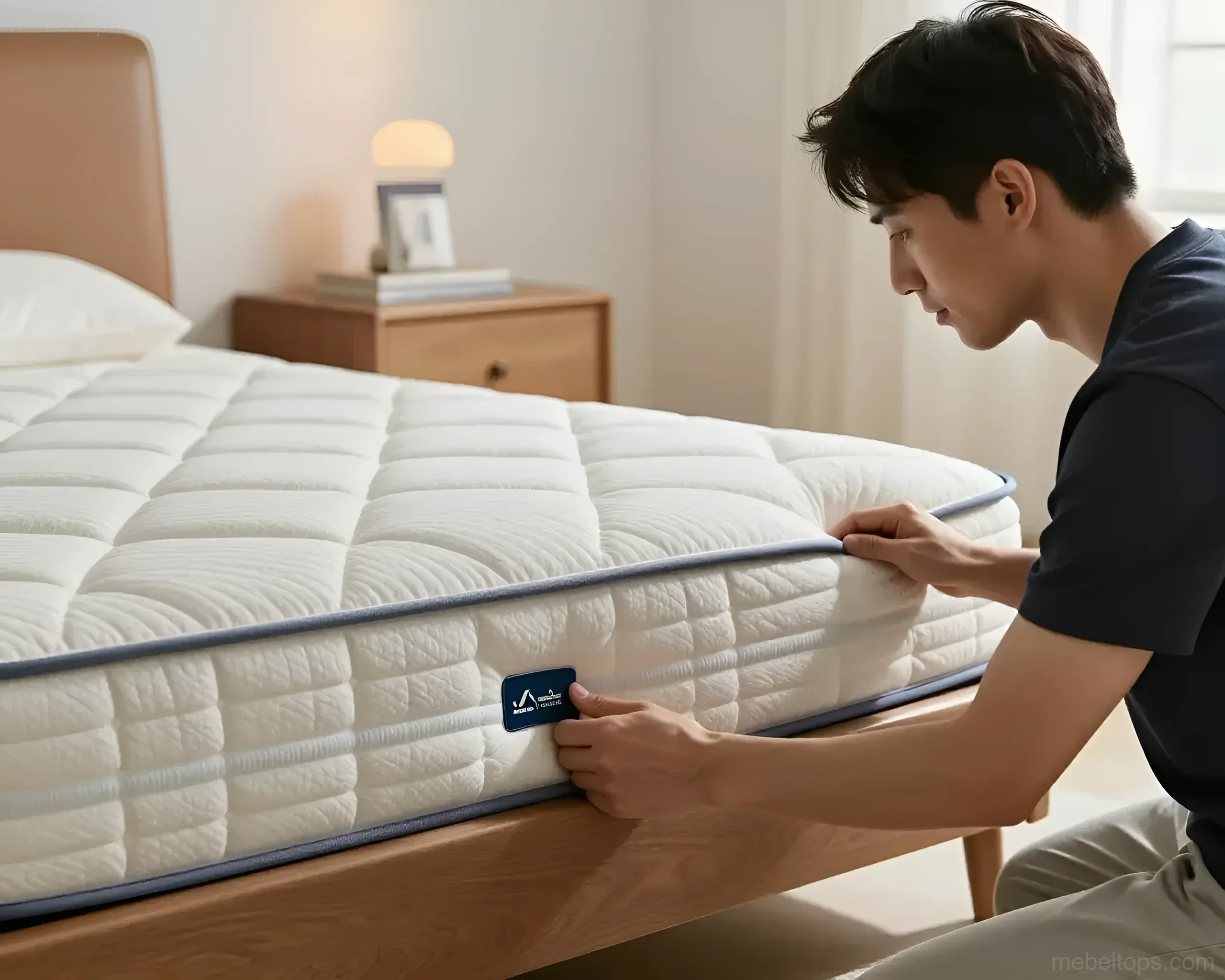
Some mattress categories are more sensitive in use. If you own one of the following models, pay special attention to flipping:
- Mattresses with Multipocket unit (S1000/S2000). Due to the large number of small springs per square meter, these models are very sensitive to point loads. They should be rotated strictly on schedule every 3 months.
- Models with a thick layer of natural latex. These are the heaviest. They require the mandatory participation of two people for flipping.
- “Winter-Summer” mattresses with a wool layer. In addition to rotation, they should be thoroughly vacuumed with each flip, as natural wool is a favorite spot for dust mites.
- High mattresses (from 30 cm). These models have a large amplitude of filler oscillation. Without flipping, the upper “fluffy” layers quickly lose volume and turn into a flat pancake.
- Combined mattresses (different firmness on sides). Here, it’s important not only to flip but also to ensure that the chosen side corresponds to your current health status or weight.
Expert Tips: Extending the Life of Your Mattress
As a furniture industry professional, I have prepared some additional recommendations to help your mattress last 10-15 years instead of the usual 5-7.
Use a protective mattress topper. This is the first and most important rule. A mattress topper protects against moisture and dirt. When flipping the mattress, it’s easier to wash the topper than to clean the main upholstery. It’s best to choose waterproof yet “breathable” models with a membrane.
Ventilation. With each flip, leave the mattress without bedding with open windows for 2-3 hours. This will help remove accumulated moisture from the deep layers of the filler.
Slats control. The distance between the slats in the bed base should not exceed the diameter of one spring in the mattress (usually 4-6 cm). If the slats are too far apart, the mattress will sag between them, and no amount of flipping will save it from deformation.
Do not jump on the mattress. Orthopedic mattresses are designed for distributed static load. Sudden jumps (especially by children) create critical pressure on the springs and coir layers, leading to their destruction faster than natural wear.
Marking. To avoid confusion about when you last flipped the mattress, attach a small tag or sticker near the foot of the bed with the date of the last procedure. Or simply set a reminder on your smartphone.
Frequently Asked Questions (FAQ)
Can I flip a mattress if it’s on the floor?
Yes, but you need to do it even more often. A mattress on the floor lacks natural ventilation from below, so flipping and airing are the only ways to avoid moisture buildup and mold.
What if the mattress is too heavy for me?
In that case, limit yourself to horizontal rotation (head-foot). This will already provide 50% of the necessary effect. For a full flip, invite a helper – your back health is more important.
Do I need to flip toppers (thin mattresses)?
Yes, toppers are also subject to settlement. They should be flipped every 2-3 months to even out the surface they lie on.
Interesting Facts About Mattresses
- In ancient times, mattresses were stuffed with straw or horsehair. They had to be “shaken up” daily to remain soft. Modern flipping is a remnant of that procedure, but in a much simpler form.
- The average person releases up to 200-300 ml of sweat per night. A large portion of this moisture goes into the mattress, which is why airing during flipping is so critical.
- The first waterbed was invented in the 19th century for medical purposes – to prevent bedsores in patients. It didn’t need flipping, but its maintenance was much more complex.
Following these simple mattress care rules will not only save you money on buying a new product but also ensure truly high-quality, healthy sleep. Remember: your mattress takes care of your back while you sleep, so take care of it during the day!