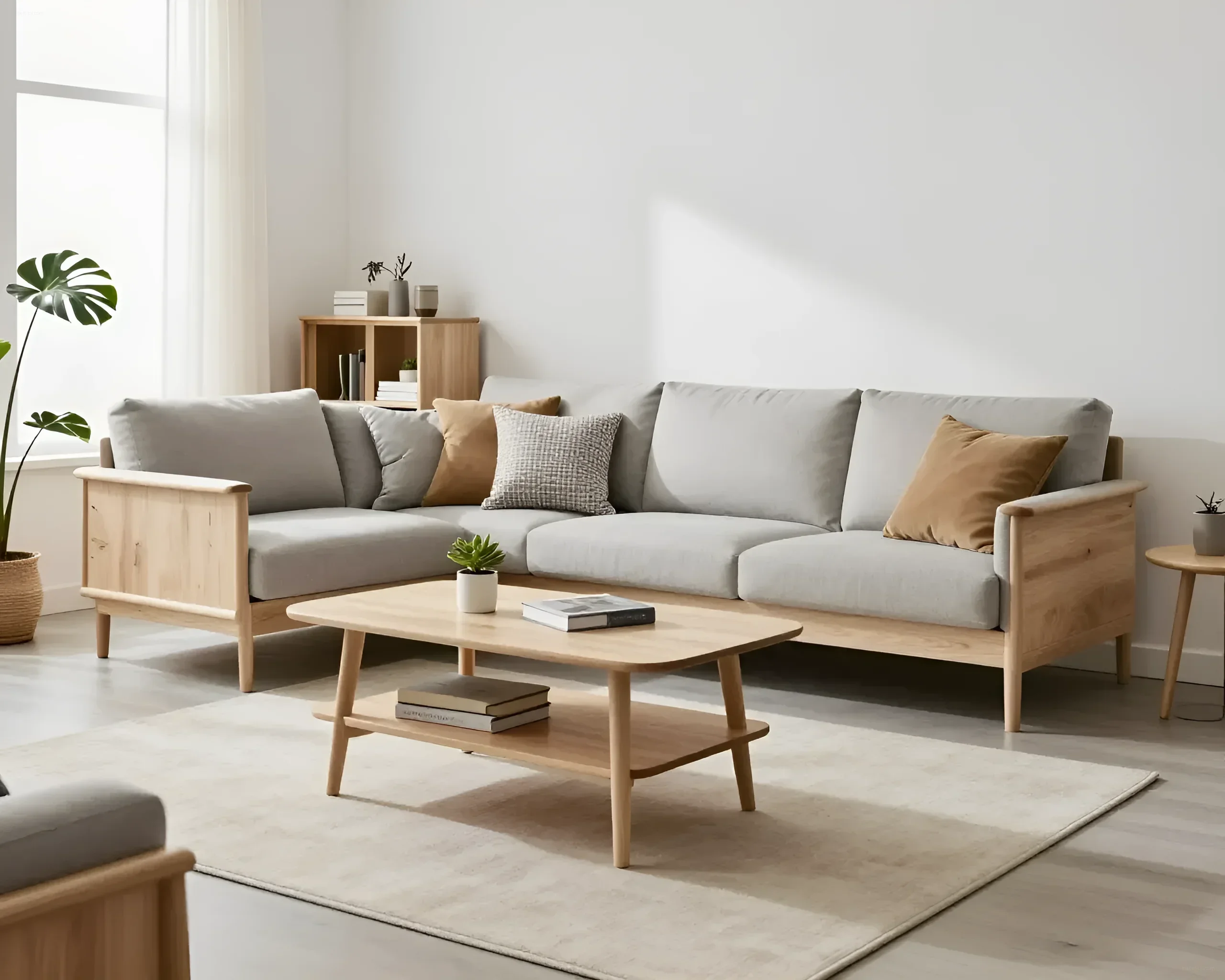
Scandinavian style furniture is not just a trend, but a decades-old philosophy of comfort that prioritizes light, natural materials, and impeccable ergonomics. Originating in the Nordic countries (Sweden, Norway, Denmark, and Finland), this style emerged as a response to the harsh climate and lack of sunlight. The main goal of such furniture is to make the space as open, cozy, and maximally functional as possible. If you’ve decided to update your interior with a Scandinavian direction, it’s important to understand that behind the external simplicity lie strict requirements for build quality, material eco-friendliness, and thoughtful attention to every detail.
Scandinavian Furniture: Light and Functional: An Introduction to the Style
Scandinavian design (or “Scandi”) is based on three pillars: light, functionality, and accessibility. Unlike heavy classics or cold high-tech, Scandinavian furniture is designed to serve people without overwhelming the space. The main feature is the use of a light color palette and visual lightness of structures.
Key characteristics of the style you should know before buying:
- High Legs: Most sofas, chests of drawers, and cabinets are raised 12–18 cm off the floor. This not only makes cleaning easier (including with robot vacuums) but also creates a sense of “air” in the room.
- Absence of Excessive Decor: You won’t find ornate carvings or gilding here. The beauty of the furniture is expressed in clean lines and wood texture.
- Ergonomics: Each piece of furniture is designed with human anatomy in mind. Chair backs have the correct curve, and sofa depths are calculated for comfortable relaxation.
It’s important to understand the difference between “cheap minimalism” and true Scandi. Genuine Scandinavian furniture is always about tactility. Surfaces should be pleasant to the touch, whether it’s sanded wood or natural textiles. This style teaches us “lagom” – the Swedish concept of sufficiency, where there are not too many or too few things, but exactly as many as are needed for a comfortable life.
Types of Scandinavian Style Furniture: From Sofas to Shelving Units
Let’s look at the main categories of furniture that shape the look of a Scandinavian home. Each item has its own technical features to pay attention to when choosing.
Upholstered Furniture (Sofas and Armchairs)
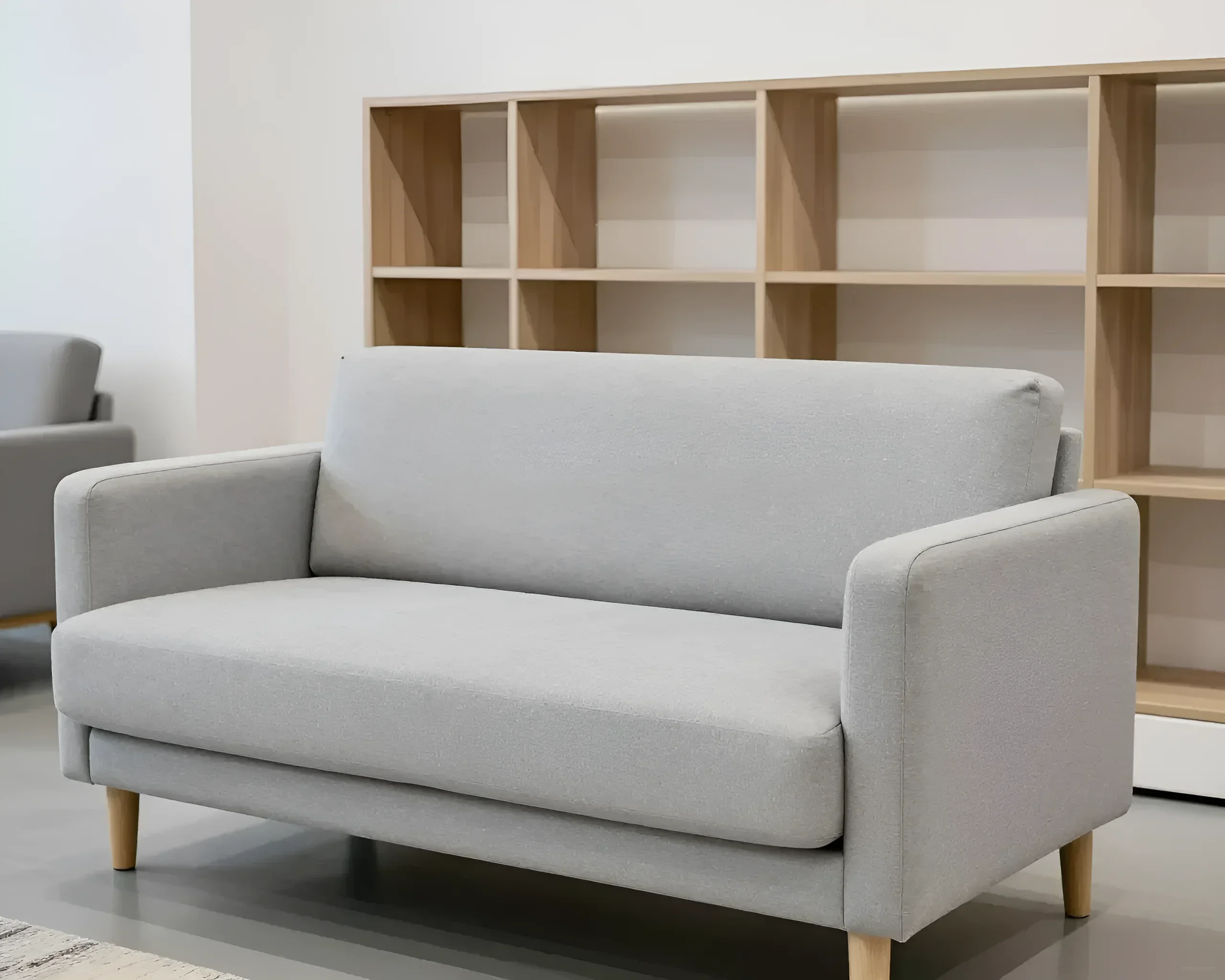
A typical Scandinavian sofa has a concise shape, straight or slightly rounded armrests, and durable fabric upholstery. High-resilience polyurethane foam (HR grade) or independent spring units are most often used as filler. This guarantees that the seat won’t sag after two years of use. Upholstery is most often a matting, chenille, or velour with a Martindale wear resistance of at least 25,000 – 30,000 cycles.
Storage Systems (Cabinets and Shelving Units)
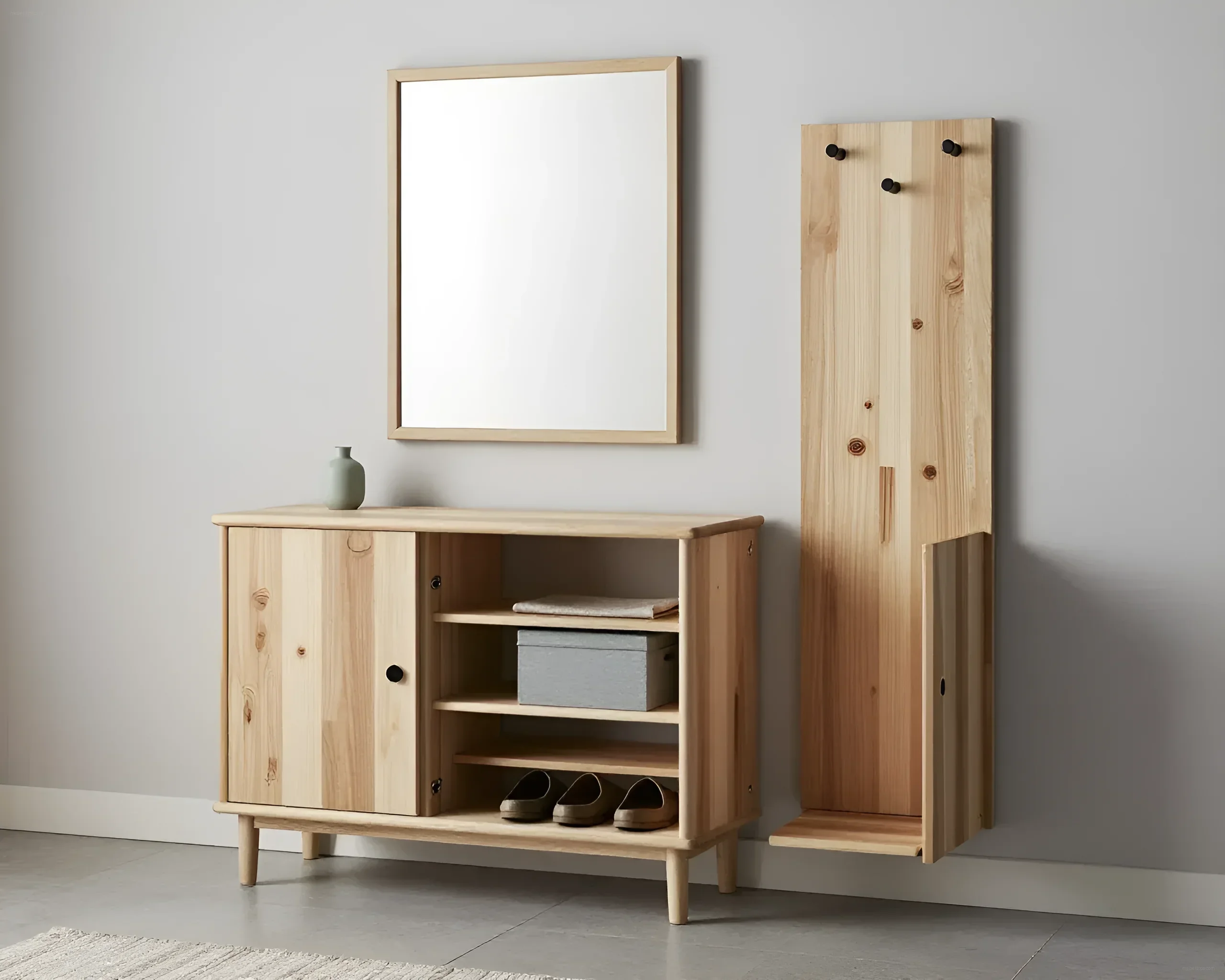
Open storage systems and modular shelving units are popular in Scandinavian interiors. Cabinets are often built-in or made as inconspicuous as possible, with facades painted to match the walls. A characteristic feature is the use of handleless facades (push-to-open system) or those with concise wooden/leather handles. Ladder-style shelving units or constructions on thin metal frames allow for storing books and decor without visually cluttering the space.
Dining Areas (Tables and Chairs)
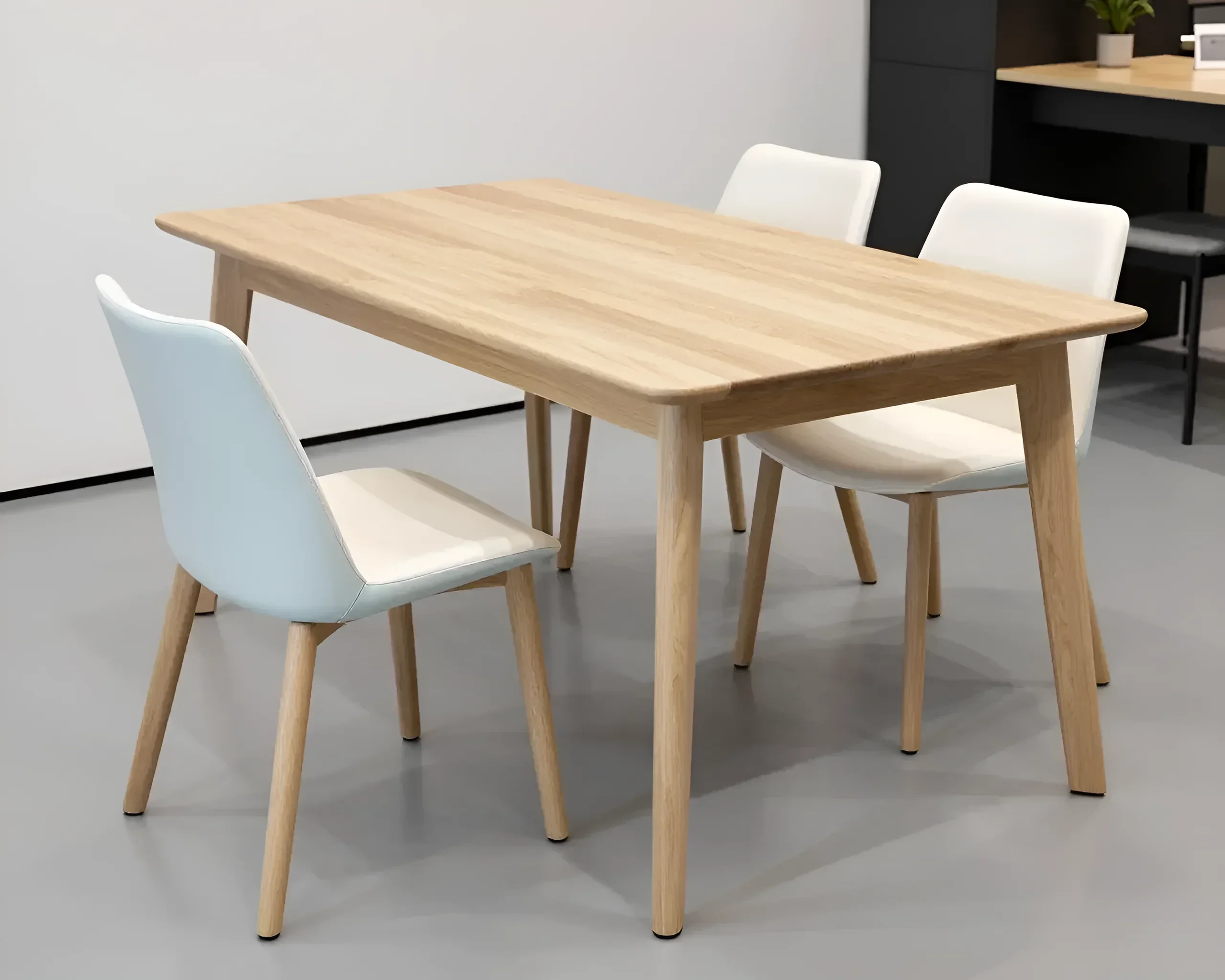
A Scandi-style dining table is almost always solid wood (oak, beech, ash) or high-quality MDF covered with natural veneer. The tabletop can be rectangular with rounded corners or round. Chairs are true design icons. Often used are models with plastic seats and wooden legs (famous Eames replicas) or entirely wooden chairs with curved backs.
Materials and Colors of Scandinavian Furniture: Naturalness and Lightness
The choice of materials determines the durability and environmental safety of the furniture. In Scandinavian style, preference is given to renewable natural resources.
Wood
The primary material is light-colored wood. The leader is birch due to its strength and light, almost white hue. Pine, ash, and beech are also actively used. To preserve the natural beauty of the wood, it is coated not with dense paints, but with transparent water-based lacquers, wax, or oil. This allows the wood to “breathe” and preserves its unique grain.
Textiles
Natural fabrics with a small addition of synthetics for durability are used for upholstery and decor:
- Linen and Cotton: Provide excellent ventilation but require careful care.
- Wool: Ideal for armchairs and throws, creates that cozy feeling (hygge).
- Matting: The most practical option for sofas, characterized by a coarse weave and high durability.
Color Palette
The base is 50 shades of white: from “Stockholm white” (with a slight gray undertone) to milky. Gray, beige, and pastel shades are used as complements. Natural colors are used as accents: muted blue (the color of the northern sky), pine green, mustard, or terracotta. It’s important to follow the rule: 70% – base light color, 20% – wood, 10% – bright accents.
How to Choose Scandinavian Furniture: Practical Tips for Your Home
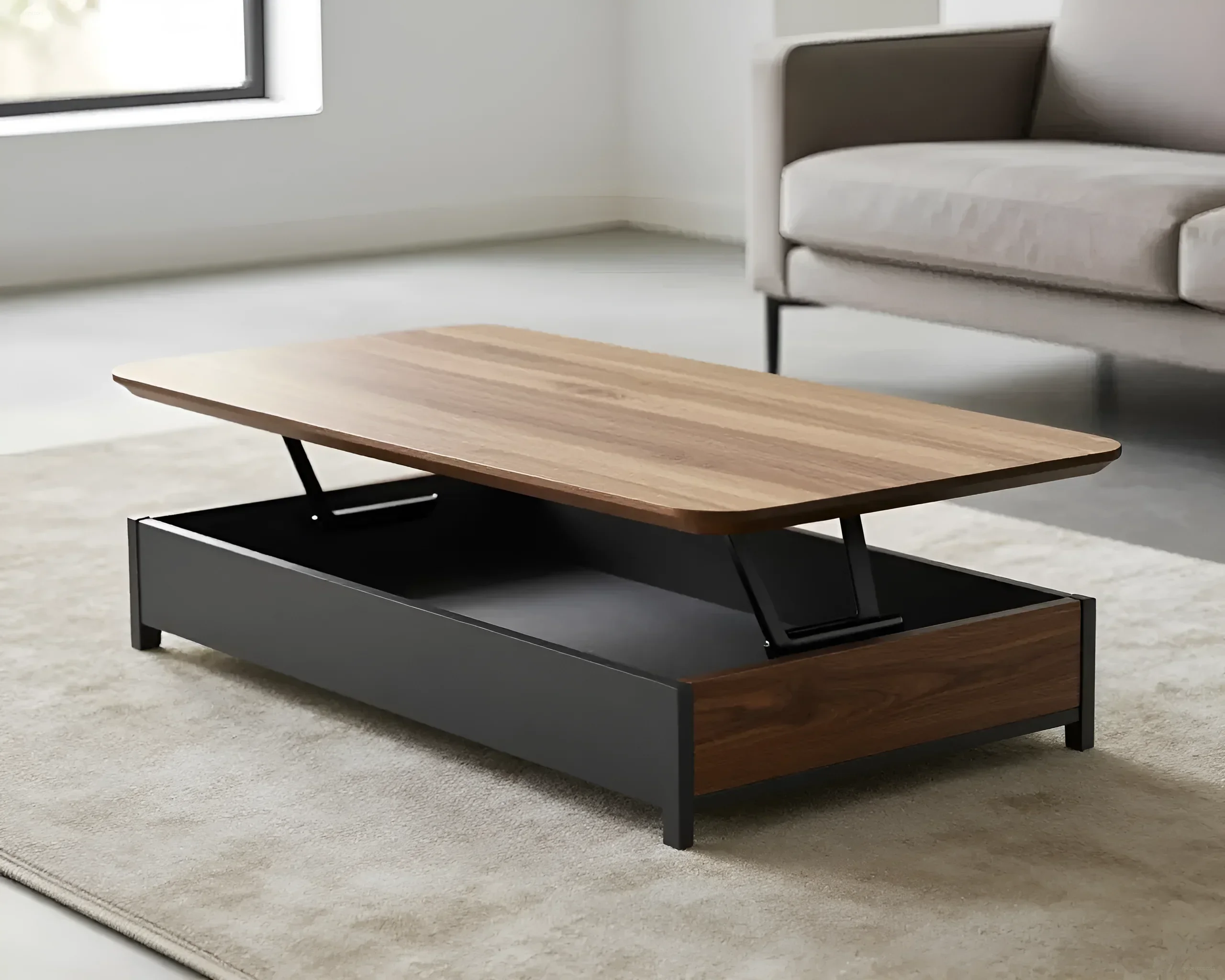
When buying Scandinavian-style furniture, it’s easy to make a mistake and purchase a product that looks similar but is of poor quality. Here’s a checklist for making a smart choice:
1. Check the Frame
Even if the sofa looks light, its base should be sturdy. The best choice is a frame made of solid wood or multi-layer birch plywood. Avoid cheap particleboard in load-bearing structures, as it quickly loosens, especially at the points where high legs are attached.
2. Assess Surface Finish Quality
Run your hand over the wooden parts. They should be perfectly smooth, without nicks or drips of lacquer. Matte or semi-matte finishes are valued in Scandinavian furniture. A glossy shine is a sign that you are not looking at authentic Scandi.
3. Pay Attention to Hardware
Since Scandinavian furniture is functional, drawers and doors will be opened frequently. Choose models with European brand soft-close mechanisms (e.g., Blum or Hettich). Smooth and silent closing is standard for this style.
4. Filler Density
For sofas and armchairs, the optimal polyurethane foam density is 30–35 kg/m³. If the figure is lower, the furniture will quickly lose its shape. Try sitting on the sofa: it should be moderately firm and quickly regain its shape after you get up.
Table: Comparison of Upholstery Materials for a Scandinavian Sofa
| Material | Wear Resistance | Pros | Cons |
|---|---|---|---|
| Matting | High | Durability, natural look | Can snag on pet claws |
| Velour | Medium/High | Softness, rich color | Attracts dust |
| Chenille | High | Does not pill | Sensitive to wet cleaning |
Functionality and Transformation: Smart Solutions of Scandinavian Design
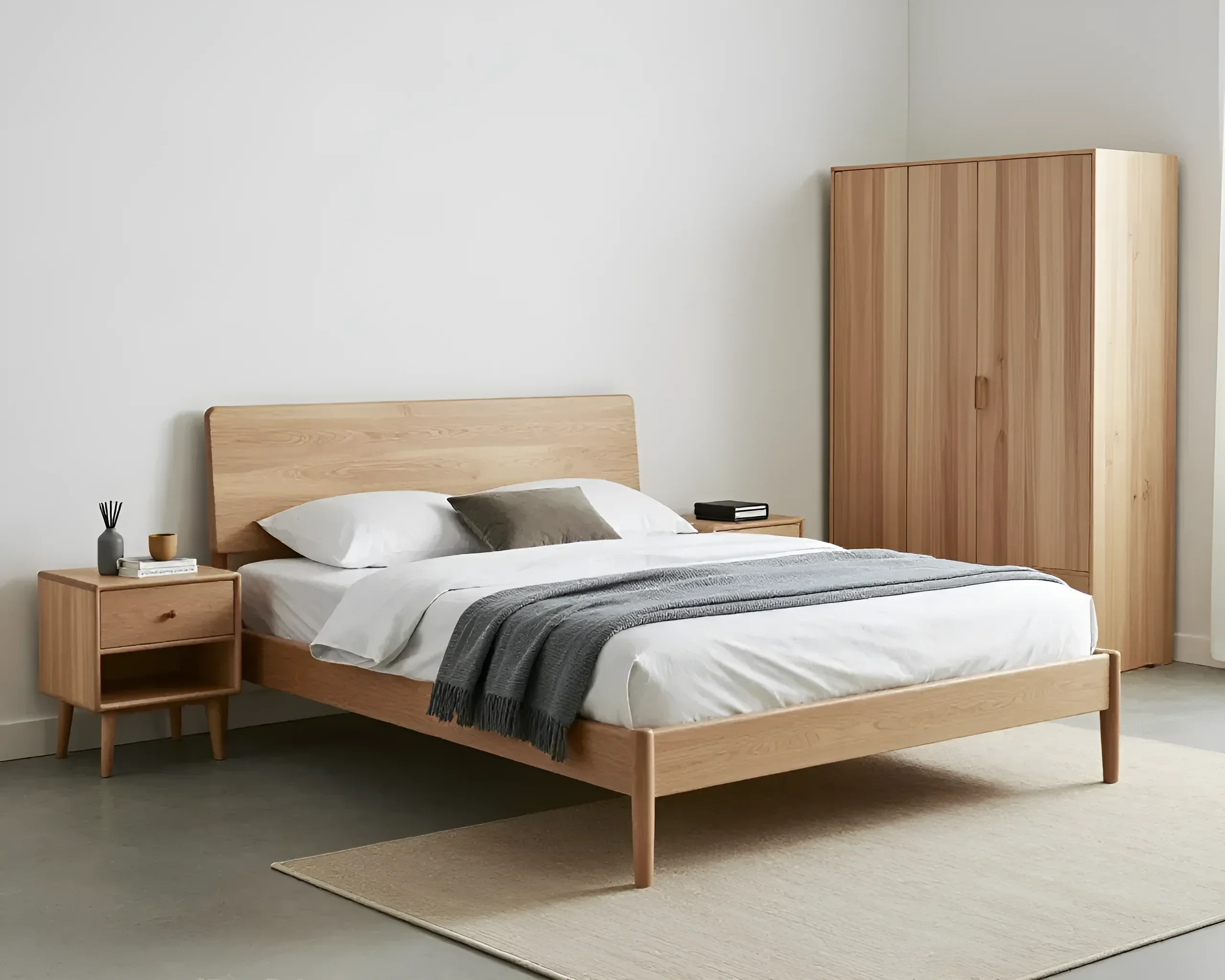
Scandinavian design is inextricably linked with the rational use of space. This is especially relevant for small apartments. Furniture in this style often hides additional possibilities.
Modularity is one of the main features. You can buy a sofa made of individual sections and change its configuration depending on the situation: assemble a straight sofa, a corner sofa, or two separate armchairs. Shelving units are also often built on a modular principle: you can buy additional shelves and drawers as needed.
Transformable Furniture:
- Modern Folding Tables: Compact consoles that transform into a full dining table for 8 people.
- Beds with Lift Mechanisms: Huge storage space for seasonal items under the sleeping area.
- Nesting Coffee Tables: A set of 2–3 tables of different sizes that slide under each other, saving space.
Functionality is also evident in the details. For example, a bed headboard can have built-in shelves for books and charging ports for gadgets, and a pouf can serve as both a seat and a storage box for blankets.
Sizes and Proportions: How Scandinavian Furniture Fits into the Interior
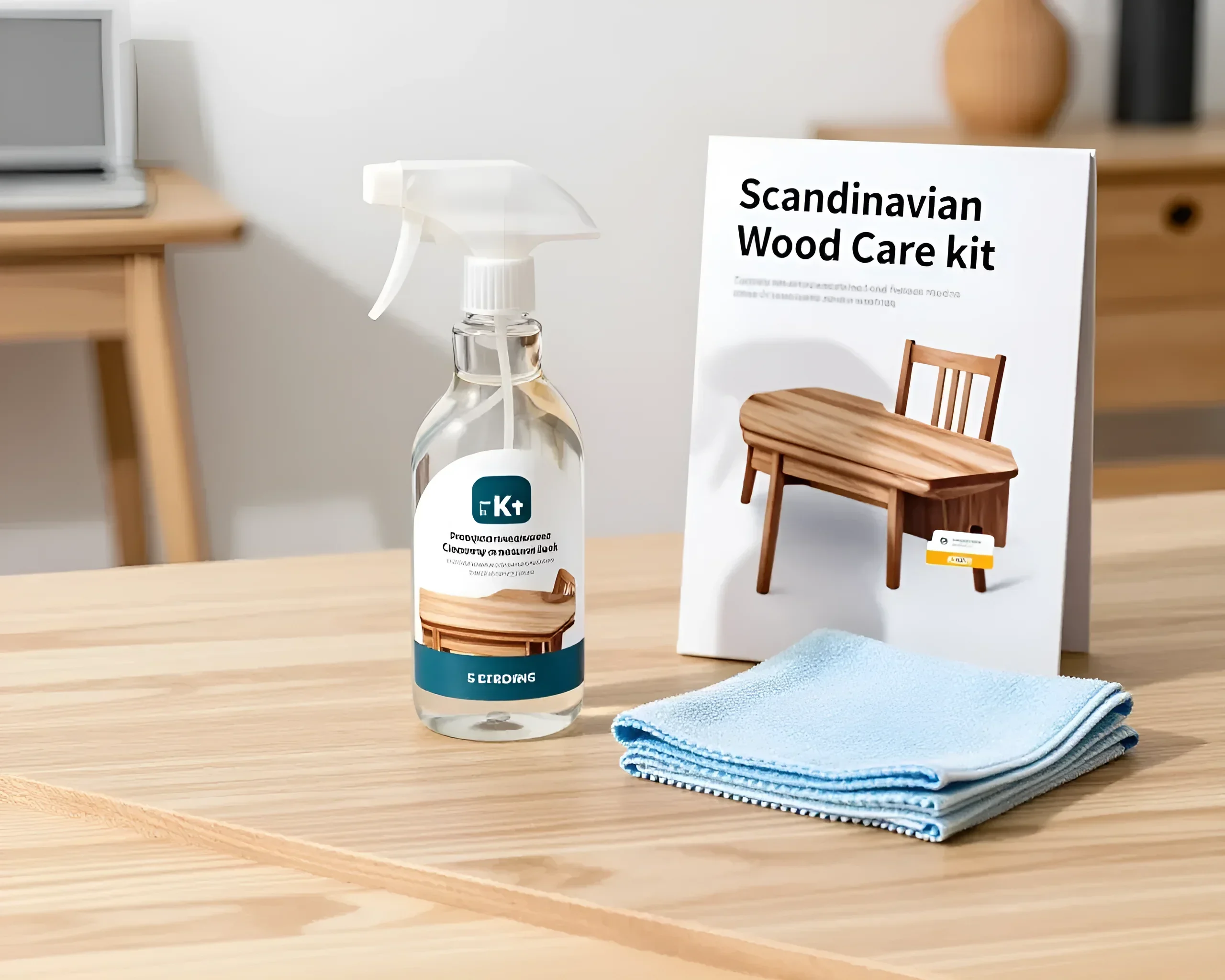
Correct proportions are the secret to why Scandinavian interiors look so harmonious. There is no room for gigantism here. Furniture is selected in proportion to the room.
Standard Dimensions:
Scandinavian style is characterized by the “groundedness” of some items and the “airiness” of others. For example, the seat height of a sofa is usually 42–45 cm, which is the golden standard of ergonomics. The depth of wardrobes is a classic 60 cm, but narrow shelving units with a depth of 25–30 cm are often used for storing books, which do not “eat up” corridor space.
Arrangement Tip:
Leave “empty zones” between furniture pieces. Scandi does not tolerate “wall-to-wall” arrangements. There should be at least 60 cm between an armchair and a sofa for free passage. Thanks to the high legs of the furniture (which we discussed earlier), you see a larger floor area, which visually expands the boundaries of even a small room of 12–15 sq. m.
When choosing a dining table, allow 60-70 cm of tabletop width per person. Round tables with a diameter of 100–110 cm are ideal for the Scandinavian style – they promote communication and have no sharp corners, which is important for safety in small spaces.
Caring for Scandinavian Furniture: Preserving Lightness and Functionality for a Long Time
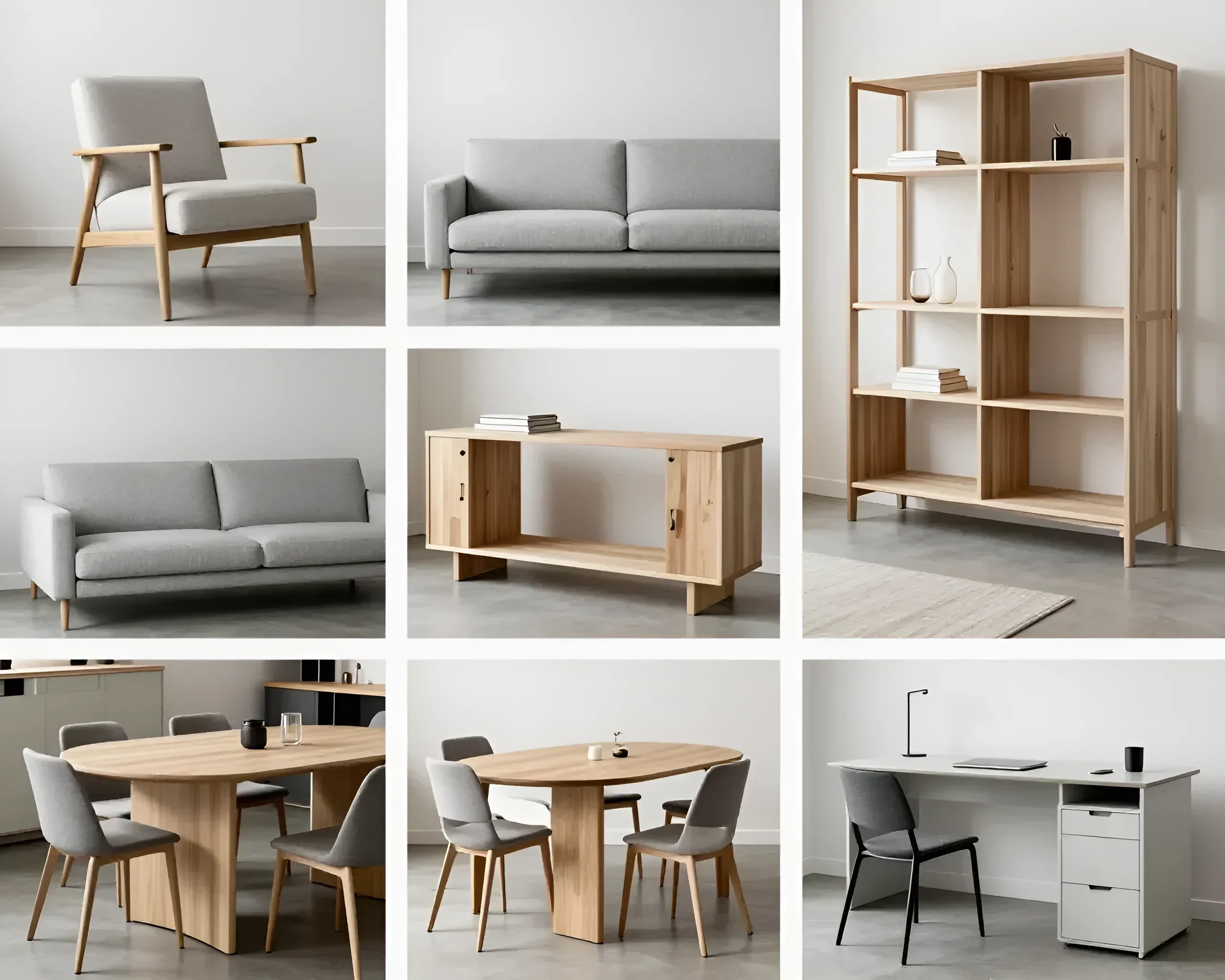
Natural materials require a special approach. To prevent your light furniture from yellowing or losing its appearance, follow these rules:
Wood Care
Solid wood furniture is sensitive to humidity fluctuations. The optimal level in an apartment is 40–60%. If the wood is coated with oil or wax, it is recommended to renew the coating once a year. This will seal the pores and protect the table or dresser from stains from spilled coffee or wine. For daily cleaning, use a slightly damp microfiber cloth, and then be sure to wipe the surface dry.
Light Upholstery Care
A light-colored sofa is beautiful but scary. To make your life easier, choose fabrics with Easy Clean or Water Repellent impregnation. Liquids on such fabric bead up and do not absorb immediately. If a stain does appear, use only specialized dry cleaning products. Upholstered furniture should be vacuumed at least once a week with a soft brush attachment to prevent dust from getting between the fabric fibers.
Sun Protection
Direct sunlight is the main enemy of light wood and textiles. Under the influence of ultraviolet rays, wood can change its shade (pine yellows, oak darkens), and fabric can fade. Use light tulle or blinds during peak sun hours.
Top 5 Scandinavian Style Furniture Models: Inspiration Examples
If you are just starting to furnish your interior, pay attention to these classic forms that have become the hallmark of the style:
- Wingback Chair: A model with a high back and characteristic “wings” on the sides. Ideal for a reading nook. Choose a version in gray or mustard matting on wooden legs.
- Round Dining Table on Tapered Legs: Tabletop made of white MDF or natural oak. It’s the focal point of the kitchen, making the space softer.
- TV Stand on Long Legs: Low, horizontally elongated, with a combination of white facades and a wooden body. Allows you to hide all wires and equipment.
- Ladder Shelf: Leans against the wall, shelves narrow towards the top. An excellent solution for decor, plants, and books.
- Bed with a Soft Headboard: Concise rectangular shape, neutral-colored upholstery. Creates a sense of warmth and coziness in the bedroom.
Frequently Asked Questions About Scandinavian Furniture
Question: Isn’t white furniture too prone to getting dirty?
Answer: Dust is much less visible on white surfaces than on dark ones (e.g., wenge). Modern materials (laminated chipboard with quality edging, enamel) are easily cleaned with ordinary non-abrasive agents. The main thing is not to let dirt “set in”.
Question: Is Scandinavian style only IKEA?
Answer: No, it’s a broad direction. Many Russian and European factories now produce furniture in this style, using more expensive materials: solid oak, genuine leather, designer hardware. You can find both budget-friendly options and premium-class furniture.
Question: Will Scandinavian furniture look good in a small Khrushchev-era apartment?
Answer: It’s the best choice for small living spaces! Light colors and furniture on legs visually enlarge the space, and multifunctional storage systems help maintain order.
Question: Can Scandinavian furniture be combined with other styles?
Answer: Yes, it mixes well with loft (add some metal), eco-style (more plants and rough textures), or light classics.
Interesting Facts About Scandinavian Furniture Design
- Democratic Design: In the 1950s, a concept was adopted in Scandinavia stating that beautiful and functional furniture should be accessible not only to the wealthy but also to ordinary people. This spurred mass interest in the style.
- Form Follows Function: This principle means that a designer first thinks about how a person will use an item, and only then about how it will look.
- Design Icons: Many chair models designed in the mid-20th century (e.g., chairs by Hans Wegner or Arne Jacobsen) are still produced today and are considered benchmarks of the style.
- Environmental Footprint: Scandinavian manufacturers were among the first to use recycled plastic and wood from responsible forest management (FSC certification).
By choosing Scandinavian-style furniture, you are investing in your daily comfort. This is furniture that doesn’t get boring after a year, doesn’t go out of fashion, and allows you to easily change the mood of your interior with just new textiles or decor. Remember the quality of materials and don’t be afraid of light shades – they will fill your home with warmth even on the gloomiest day.