When furnishing an apartment, we often focus on design, facade colors, and the number of shelves, forgetting about the most important aspect – the chemical safety of the materials. Most modern furniture is made from particleboard (ЛДСП) and MDF, which use resins that release formaldehyde. This gas is toxic in high concentrations, so a strict classification of materials based on its evaporation level is adopted worldwide. Understanding the difference between emission classes E1 and E0.5 is not just theoretical knowledge; it’s a guarantee of your family’s health, especially when it comes to furniture for bedrooms or children’s rooms.
What is Emission Class and Why It Matters for Your Furniture
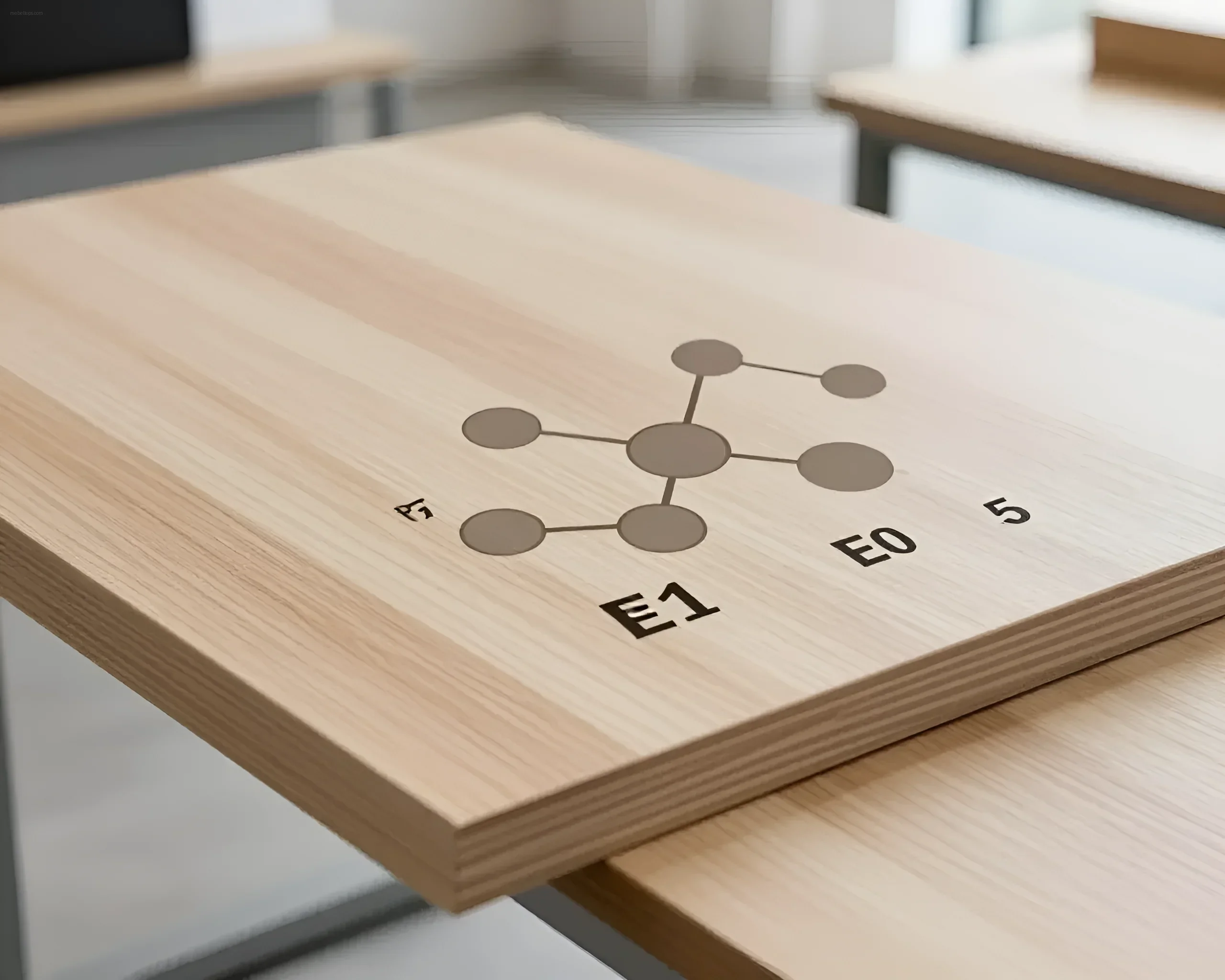
Emission class is an indicator that defines the maximum permissible amount of free formaldehyde released by a wood-based panel into the environment over a specific period. Formaldehyde is necessary in the production of particleboard and MDF as a binding agent; it is part of the urea-formaldehyde resins that “glue” wood chips or fibers together. Without this substance, the panel would simply crumble.
Why do we pay so much attention to this particular indicator? Formaldehyde is a colorless gas with a pungent odor, classified as a carcinogen. Constant inhalation of formaldehyde vapors in a confined space can lead to:
- irritation of the mucous membranes of the eyes and respiratory tract;
- allergic reactions and skin rashes;
- chronic fatigue and headaches;
- development of asthma in children.
It’s important to understand that furniture releases formaldehyde not only in the first month after purchase. This process continues for years, gradually subsiding. This is precisely why state standards (GOST) and international norms strictly limit manufacturers. If you are buying a wardrobe or a bed, you should be confident that the gas concentration in the room will not exceed the maximum permissible limits (MPL).
The furniture industry distinguishes three main classes: E0.5, E1, and E2. However, it should be noted immediately: class E2 is currently prohibited for the production of children’s furniture and furniture for residential premises in most developed countries, including Russia and CIS countries. The main battle for quality today is between E1 and E0.5 standards.
Formaldehyde in Furniture: Understanding E1 and E0.5
To avoid confusion with numbers, let’s break down the technical characteristics of each class. This data is based on laboratory tests (chamber method or perforator method), where the amount of formaldehyde in milligrams per 100 grams of dry panel or per cubic meter of air is measured.
Emission Class E1: This is the “gold standard” of the furniture industry. According to Russian GOST 32289-2013 and European standard EN 717-1, E1 class panels should release no more than 8 mg of formaldehyde per 100 g of dry panel mass. In terms of air in a test chamber, this is about 0.124 mg/m³. Furniture made from such material is considered safe for use in any residential premises, including kitchens and living rooms.
Emission Class E0.5: This is an enhanced safety standard. It is sometimes called the “eco-class.” The formaldehyde content in such panels is reduced by almost half compared to E1 – to 4-5 mg per 100 g of material. This class was introduced relatively recently in response to consumer demand for maximum environmental friendliness. E0.5 panels are recommended for rooms with poor ventilation or where people spend a lot of time.
Below is a comparative table for clarity:
Emission in chamber method (mg/m³)up to 0.124up to 0.08Application recommendationsAny living roomsChildren’s rooms, bedrooms, hospitals
| Characteristic | Class E1 | Class E0.5 |
|---|---|---|
| Content (mg per 100g panel) | up to 8 mg | up to 4-5 mg |
| Material cost | Standard | 10-20% higher |
Does class E0 exist? In its pure form, no. Even natural wood releases microscopic doses of formaldehyde when heated. Therefore, the E0.5 marking is effectively the limit of purity for resin-based composite materials.
How to Check Emission Class When Buying: A Buyer’s Checklist
A salesperson in a furniture store may claim their product is “absolutely natural,” but you, as a knowledgeable buyer, should rely on facts. Here’s a step-by-step guide on how to check furniture safety before paying:
- Request a certificate of conformity. This is the main document. It must specify the material (particleboard/MDF) and its emission class. If the certificate states E2, refuse to purchase it for home use.
- Examine the product passport. In the assembly instructions or technical passport, the manufacturer is obliged to indicate the material characteristics. Look for the “E1” or “E0.5” marking.
- Check the edging. Formaldehyde is released through exposed panel edges. In quality furniture, all edges (even invisible ones, such as the back of shelves) must be sealed with edge banding (PVC or ABS). If you see exposed particleboard at the joints, it’s a bad sign.
- Trust your sense of smell. If a display model has a sharp, chemical, “nose-biting” odor that doesn’t dissipate with ventilation, the formaldehyde concentration is exceeded. A slight “new furniture” smell is acceptable, but it should be woody, not suffocating.
- Check the back panel. Manufacturers often cut costs and make the back panel from cheap, low-grade fiberboard. Ensure all construction elements comply with the declared safety class.
Remember that large federal furniture chains value their reputation and most often use E1 class panels from trusted manufacturers (e.g., Egger, Kronospan, Lamarty). Small “garage” manufacturers have a much higher risk of encountering cheap panels of dubious origin.
Safe Furniture for Children’s Rooms: What to Pay Special Attention To
For children’s rooms, environmental requirements should be maximal. A child’s body is more sensitive to toxins, and their lung capacity is smaller, making the concentration of harmful substances in the blood higher upon inhalation. Additionally, children often spend time on the floor, where the concentration of heavy gases can be higher.
When choosing furniture for a child’s room, follow the rule “Minimum particleboard – maximum safety”:
- Prioritize E0.5 class. If your budget allows, choose furniture with this marking. Many manufacturers specifically highlight “children’s collections” made from panels with reduced resin content.
- Sealing of all joints. Exposed particleboard areas are unacceptable in children’s furniture. Check the shelf holes (confirmat screws). Ideally, they should be covered with plugs.
- Combination of materials. An excellent option is a frame made of E1 class particleboard and facades made of MDF with enamel or film coating. MDF itself is denser and more environmentally friendly, and a layer of paint or film serves as an additional barrier to gas emissions.
- Loading factor. Do not overcrowd a small children’s room with furniture “wall-to-wall.” The larger the surface area of wood-based panels in a small air volume, the higher the formaldehyde concentration. Leave space for air circulation.
Expert tip: After assembling new furniture in a child’s room, be sure to ventilate the room for 7-10 days before the child starts sleeping there. During this time, you can maintain a slightly higher temperature in the room to accelerate the release of residual gases, and then ventilate thoroughly.
Comparing Particleboard and MDF: Eco-Safety and Practicality
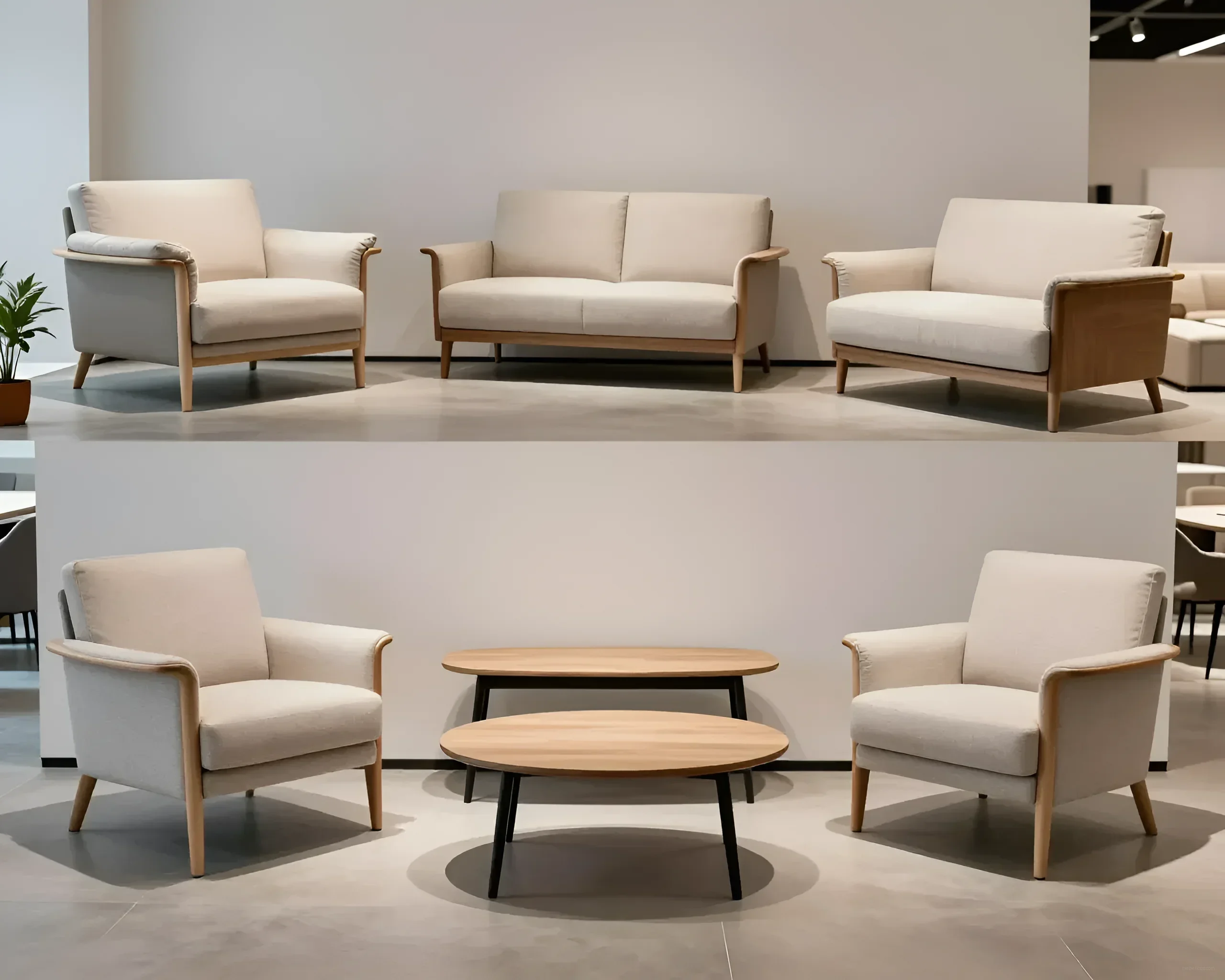
Buyers often confuse these two materials, considering them identical. However, from an environmental perspective, there is a significant difference in their production technology.
MDF (Medium-Density Fibreboard): Made from very fine wood sawdust, practically wood dust. Lignin, a natural substance released from wood when heated, often acts as a binder. Although resins are still added to MDF, their quantity is significantly less than in particleboard. Almost all modern MDF inherently meets E1 class, and many samples approach E0.5 without additional effort.
Particleboard (Laminated Chipboard): Consists of larger chips. A greater amount of resin is required to “glue” such material. However, the laminate coating (film impregnated with melamine resins) serves as an excellent protective layer. As long as the lamination is intact and the edging is hermetically sealed, particleboard is absolutely safe.
Let’s compare them on key safety parameters:
- Density: MDF is denser (700-850 kg/m³ vs. 600-700 for particleboard), which better retains binding substances inside.
- Machining: MDF can be milled (to create patterns), allowing for complex shapes. Particleboard is only for flat surfaces. When milling MDF, it’s important that the entire surface is covered with paint or film.
- Moisture resistance: MDF withstands moisture better, meaning the panel structure remains stable longer and does not degrade, releasing gas.
If your budget is limited, the optimal solution is to buy furniture with a frame made of high-quality E1 particleboard and MDF facades. This balances price and environmental performance.
Quality Certificates: How to Ensure Material Safety
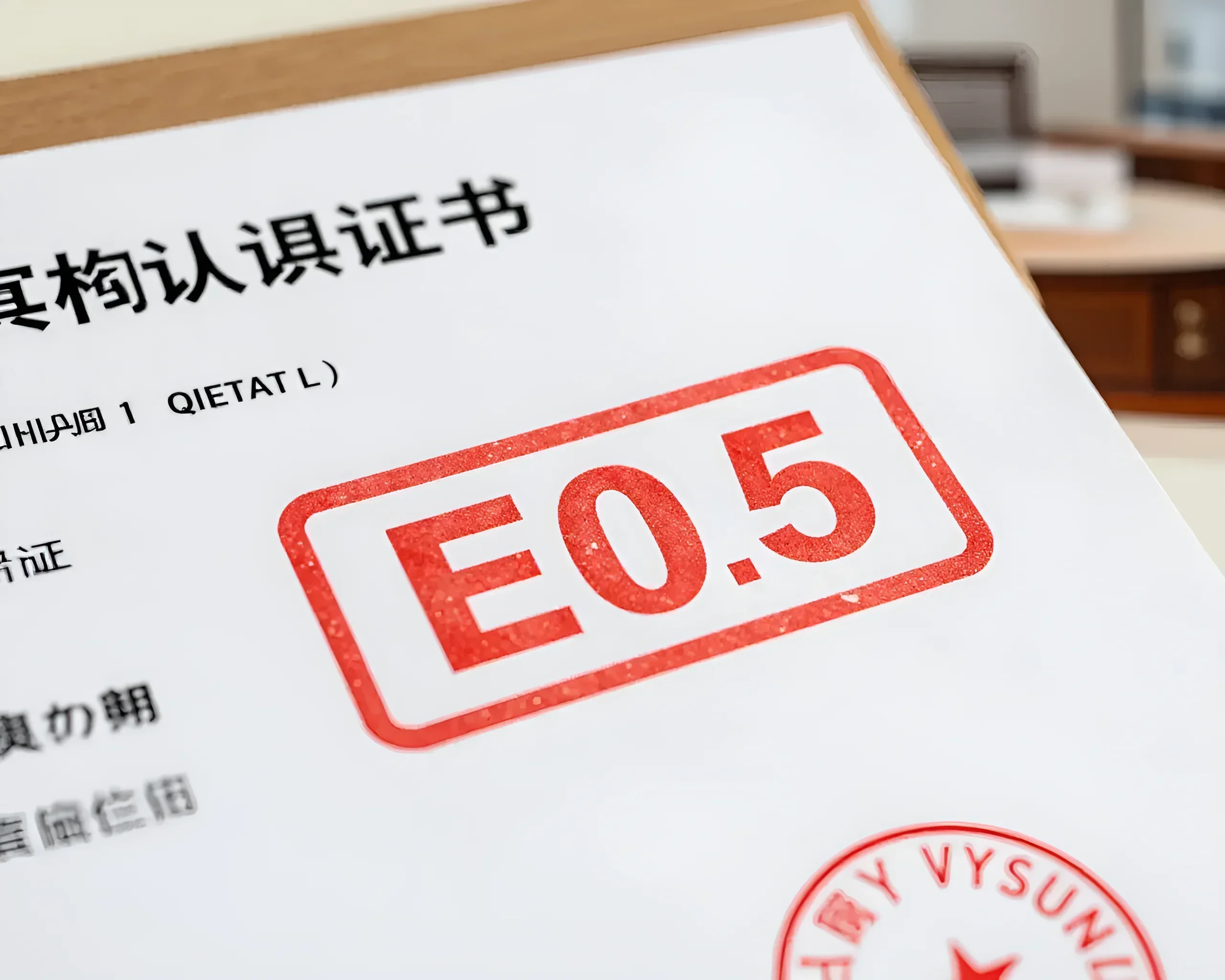
When you ask for a certificate, you might be shown various documents. It’s important to understand which one truly confirms the emission class. In Russia and the Customs Union countries, the main document is the Certificate of Conformity TR CU 025/2012 “On the Safety of Furniture Products.”
What to look for in the documents:
- Test reports. A test report from laboratory research is often attached to the certificate. It specifies the exact formaldehyde emission figures.
- Panel marking. Large panel manufacturers (e.g., Austrian Egger) mark each sheet. If you order furniture from a private workshop, you can ask to see the panel offcuts – they often have a stamp with the production date and class (E1 or E0.5).
- Eco-labels. Look for “Blue Angel” (Germany) or “Nordic Swan” (Scandinavia) labels on the packaging or in the documents. These are international environmental certifications, with requirements even stricter than the standard E1 class.
- CARB 2 certificate. This is a very strict California safety standard. If furniture has this marking, it meets the highest global requirements for formaldehyde limitation (effectively E0.5 level and above).
Important nuance: The certificate must be valid. Pay attention to the expiration date and whether it was issued specifically for the furniture series you are purchasing.
TOP 5 Tips for Choosing Eco-Safe Furniture
To make your home a truly safe place, use these practical recommendations every time you visit a furniture store:
- Tip 1: Smell the inner drawers. In enclosed spaces (wardrobes, chests of drawers), gas concentration accumulates faster. Open a new chest of drawers and take a sniff. A sharp chemical smell is a reason for concern.
- Tip 2: Inspect “invisible” areas. Look behind the back panel of a wardrobe, check the underside of the tabletop. If you see an unprotected panel structure there (loose chips without coating), such furniture will actively “emit.” Demand complete edge finishing.
- Tip 3: Choose trusted particleboard brands. If the furniture is made from Egger, Lamarty, or Cherepovets FMK panels, the risk of receiving a low emission class is minimal, as these factories undergo strict international audits.
- Tip 4: Pay attention to the price. E0.5 class panels are more expensive to produce. If you are offered “super-eco-furniture” at half the market price, it is likely a marketing ploy not backed by documentation.
- Tip 5: Ensure ventilation. Even the most eco-friendly particleboard furniture releases a small amount of substances. Proper ventilation and regular airing reduce formaldehyde concentration in the air to natural background levels.
Frequently Asked Questions About Furniture Emission Class
Can I reduce formaldehyde emissions from already purchased furniture myself?
It’s impossible to stop the process completely, but you can minimize it. If you find exposed particleboard edges, paint them with varnish or paint, or seal them with special airtight tape. Houseplants (e.g., Chlorophytum or Sansevieria) can also help by absorbing some harmful impurities from the air.
Does the emission class depend on the color or texture of the particleboard?
No, the emission class depends solely on the composition of the base panel and the adhesive used. The laminate color (white, oak, wenge) is just a decorative layer that does not affect the amount of formaldehyde inside.
Is it safe to buy used furniture from an ecological perspective?
Strangely enough, old furniture (more than 3-5 years old) releases much less formaldehyde than new furniture, as most of the free gas has already evaporated. If old furniture is in good condition, not delaminated, and free of mold, it can even be “cleaner” than new budget furniture.
Is E0.5 class needed for kitchen furniture?
E1 class is sufficient for kitchens. Kitchens are usually the best-ventilated rooms in the house (due to extractor hoods and windows). However, for facades, it’s better to choose MDF – it’s more durable and environmentally friendly.
Does heating affect formaldehyde emissions?
Yes, and significantly. When the room temperature rises above 25-30 degrees Celsius or when furniture is placed close to radiators, gas emission accelerates. Try not to place beds and wardrobes directly against radiators.
Choosing safe furniture is a responsibility to yourself and your loved ones. Don’t hesitate to ask “uncomfortable” questions to salespeople and carefully study the documents. Remember that high-quality E1 or E0.5 class furniture is an investment in your health for many years to come.