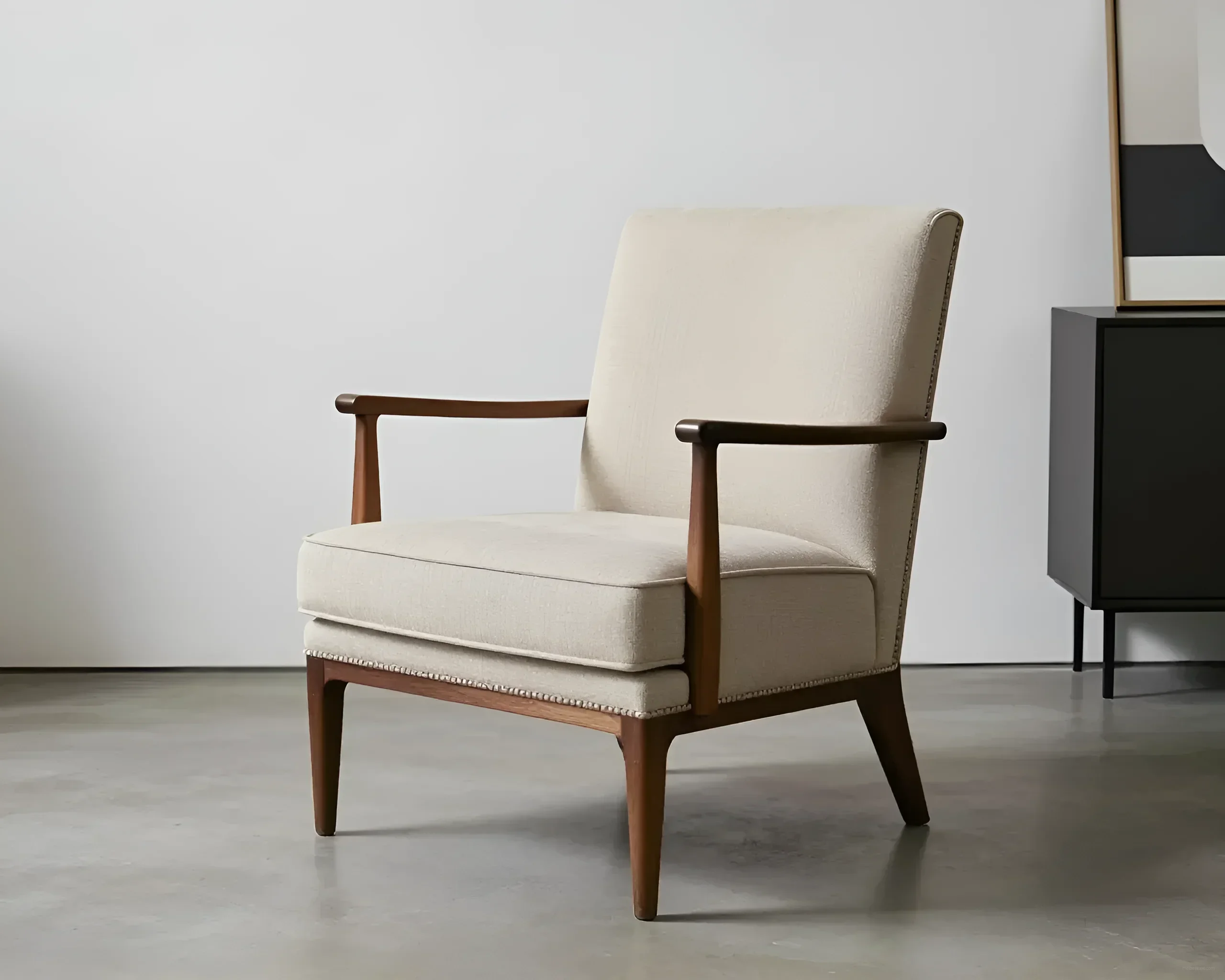
Integrating antique furniture into a modern interior is not just a nod to the eclectic trend, but a conscious step towards creating a unique, “living” space with a history. In an era of mass production and standardized MDF solutions, an old chest of drawers or armchair becomes the visual anchor that gives a room depth and character. However, working with antiques requires a delicate approach: it’s important not to turn an apartment into a branch of a local history museum, but to harmoniously combine technological minimalism or loft style with the aesthetics of past centuries. In this article, we will explore all the technical and aesthetic aspects of choosing, restoring, and placing antique items in a modern home.
Antique Furniture in a Modern Interior: Harmony of Past and Present
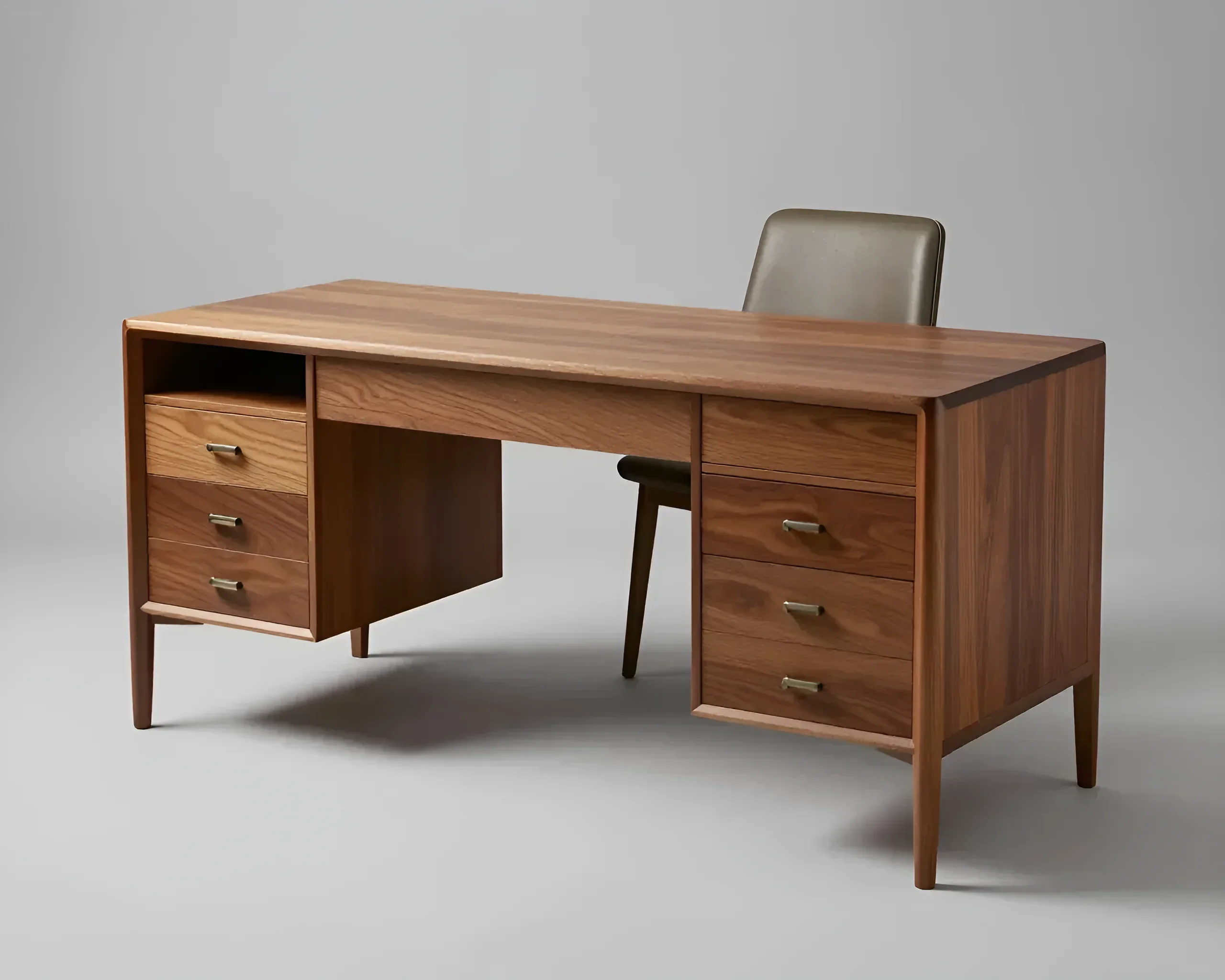
The main secret to successful antique integration lies in the principle of contrast. Modern interiors often suffer from sterility and excessive straight lines. An antique item, with its unique wood texture, patina, and signs of handcraftsmanship, introduces the necessary visual “noise” that makes a space cozy. It is important to understand the difference between antiques and vintage: in Russia, antiques are officially considered items older than 50 years with artistic or historical value, while vintage refers to items aged 20 to 50 years that reflect the fashion of their era.
The presence of antique furniture in a modern home solves several problems at once:
- Creating a focal point: a massive oak sideboard or an elegant art deco writing desk instantly draws the eye, becoming the center of the composition.
- Environmental friendliness and sustainable consumption: using quality furniture created decades ago is the most eco-friendly way to furnish a home.
- Investment appeal: unlike modern particleboard furniture, which loses 70% of its value immediately after purchase, quality antiques only increase in value over time.
For harmonious coexistence, experts recommend adhering to the 80/20 rule: 80% modern furnishings and 20% antique accents. This allows you to maintain the functionality of your home without overloading it with the heavy forms of the past.
Types and Categories of Antique Furniture for the Modern Home
Not every antique item will easily fit into a typical apartment or modern country house. Let’s look at the most popular categories that are in stable demand among designers and collectors.
1. Case Goods (Wardrobes, Sideboards, Chests of Drawers)
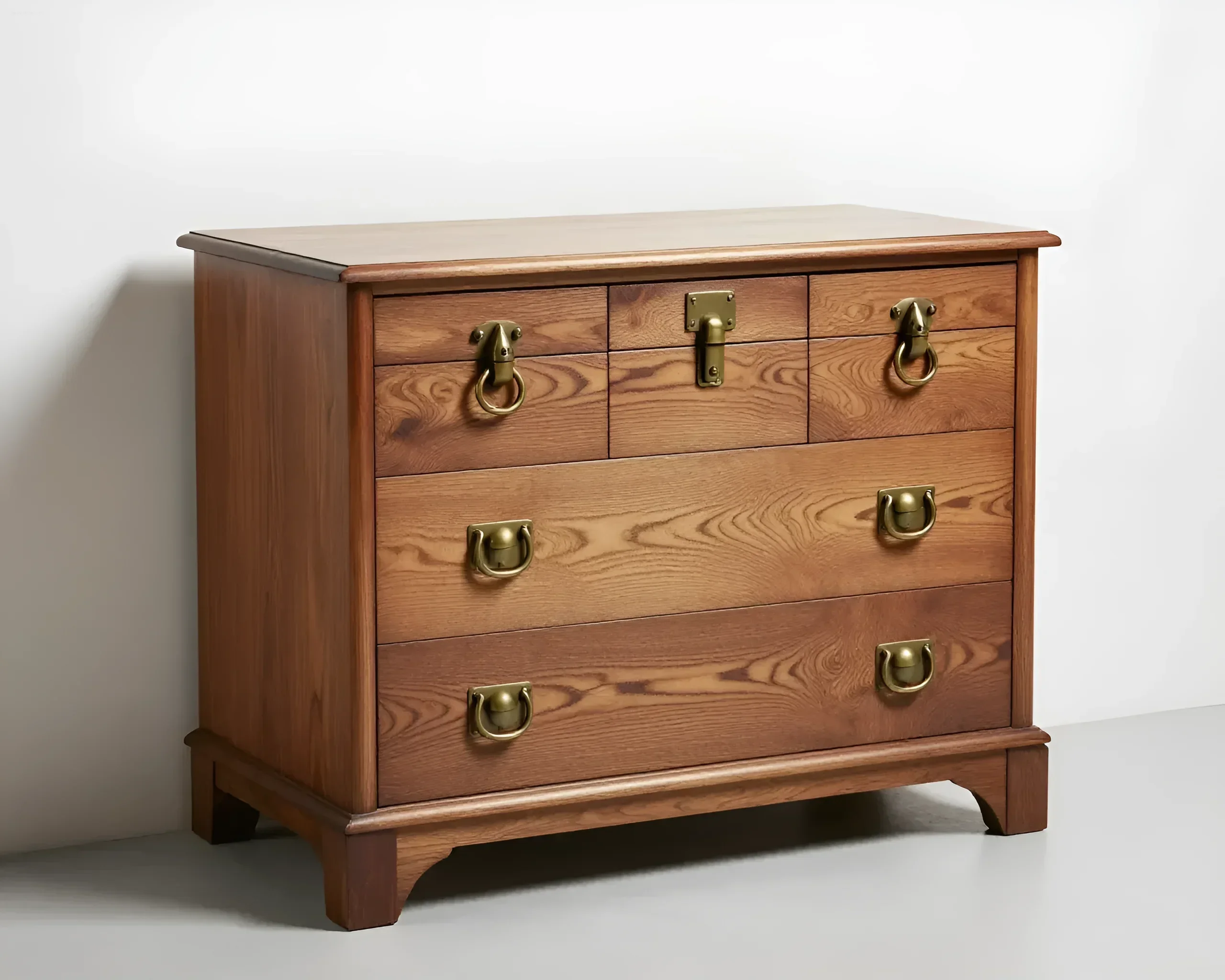
These are the most sought-after items. Neoclassical or Empire period chests of drawers look great in bedrooms, serving their direct function. Antique sideboards are often used in modern kitchens or dining areas. Technical characteristic: antique wardrobes often have a depth of 45-55 cm, which is less than modern standards (60 cm), so this should be considered when planning storage for clothes on hangers.
2. Small Forms (Consoles, Gueridons, Coffee Tables)
An ideal option for those who are afraid of drastic changes. A narrow console in the hallway or a small gueridon table by the sofa adds aristocracy to the interior without taking up much space.
3. Seating (Armchairs, Chairs, Benches)
Biedermeier chairs or Louis XV armchairs are classics. The main advantage of such furniture is its time-tested ergonomics. Important tip: antique chairs often have a seat height of 42-45 cm, which can be uncomfortable for modern dining tables with a height of 75-78 cm. Be sure to measure the height before purchasing.
Comparative Table of Antique Furniture Styles:
| Style | Period | Characteristic Features | Compatibility with Modernity |
|---|---|---|---|
| Neoclassicism | Late 18th – early 19th century | Strict geometry, straight lines, antique motifs. | Ideal for minimalism and Scandinavian style. |
| Empire | Early 19th century | Massiveness, gilding, bronze fittings, animal paw legs. | Requires large spaces and high ceilings (from 3 meters). |
| Biedermeier | 1815–1848 | Emphasis on comfort, light wood (birch, cherry), lack of excessive decoration. | The most “homey” style, easily fits into any modern cozy interior. |
| Art Deco | 1920–1940 | Exotic wood, inlay, streamlined shapes, lacquer. | Perfectly complements modern business-class interiors and neoclassicism. |
Materials and Finishes of Antiques: Features and How to Preserve Them
Antique furniture was made from solid wood of valuable species, which radically distinguishes it from modern counterparts. Understanding the characteristics of the materials will help you correctly assess the condition of the item and organize its care.
- Oak: characterized by high density (about 700 kg/m³) and pronounced texture. Old oak acquires a deep dark hue over time. Oak furniture is extremely durable but fears sharp humidity fluctuations, which can lead to cracking of the solid wood.
- Walnut: a favorite material of craftsmen in the 18th-19th centuries. It has a beautiful grain pattern and is easy to carve. Walnut furniture was often decorated with burl (knots on the wood) with a unique pattern.
- Mahogany (redwood): a symbol of luxury. Characterized by a uniform texture and resistance to rot. In antiques, mahogany veneer is often found, glued to a pine or oak base.
- Karelian birch: a unique material with an “eyed” pattern. It was mainly used in Russia and Northern Europe for making cabinet furniture.
Finishing Techniques:
Most antique items are finished with shellac (French polish) or wax. Shellac provides a deep mirror-like shine, but it is extremely sensitive to alcohol and hot objects. If you place a cup of hot tea without a coaster on an antique table, a white stain will remain on the surface, requiring professional polishing. Modern lacquers (polyurethane) on antiques are a sign of poor restoration, which reduces the collector’s value of the item.
How to Choose Antique Furniture: What to Look for When Buying
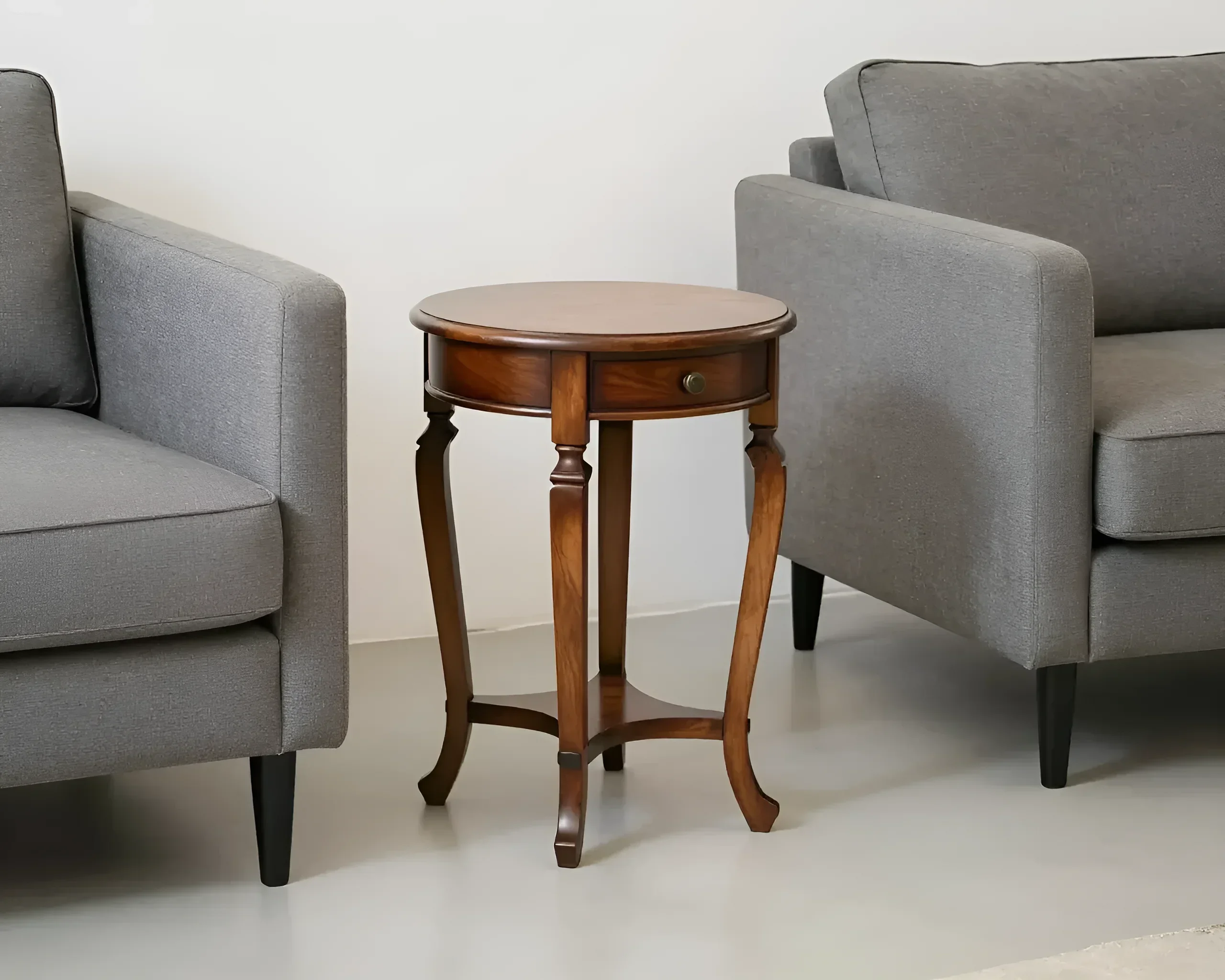
Buying antiques is a process that requires attention to detail. To avoid purchasing a “newly made” item or an item in poor technical condition, follow this expert checklist:
1. Verification of Authenticity and Age
Look under the tabletop or on the back of the wardrobe. Antique furniture has back panels made of roughly processed boards, not plywood or fiberboard. Pay attention to the fasteners: until the mid-19th century, screws and bolts were made by hand, their threads will be uneven. Quality marker: the presence of a master’s stamp or a furniture factory significantly increases the value of the item.
2. Condition of the Wood
Look for small round holes (1-2 mm in diameter). These are traces of the woodworm’s activity. If the holes have clear edges and “flour” (wood dust) is falling out of them, then the pest is active. Such furniture needs immediate professional disinfestation in a barochamber.
3. Structural Integrity
Check the “tongue and groove” joints. If the furniture is wobbly or creaks, it’s not critical – old animal-bone glue dries out over time and loses its properties. This is easily fixed by re-gluing. It’s worse if the wood has dried out so much that through cracks have formed in the door panels or tabletops.
4. Loss of Decorative Elements
The absence of one bronze handle or a piece of inlay (marquetry) is a reason for bargaining. Making a duplicate of hardware using old technologies is an expensive process. Try to choose items with the maximum preservation of original hardware.
Dimensions and Proportions: How to Fit Antiques into a Modern Space
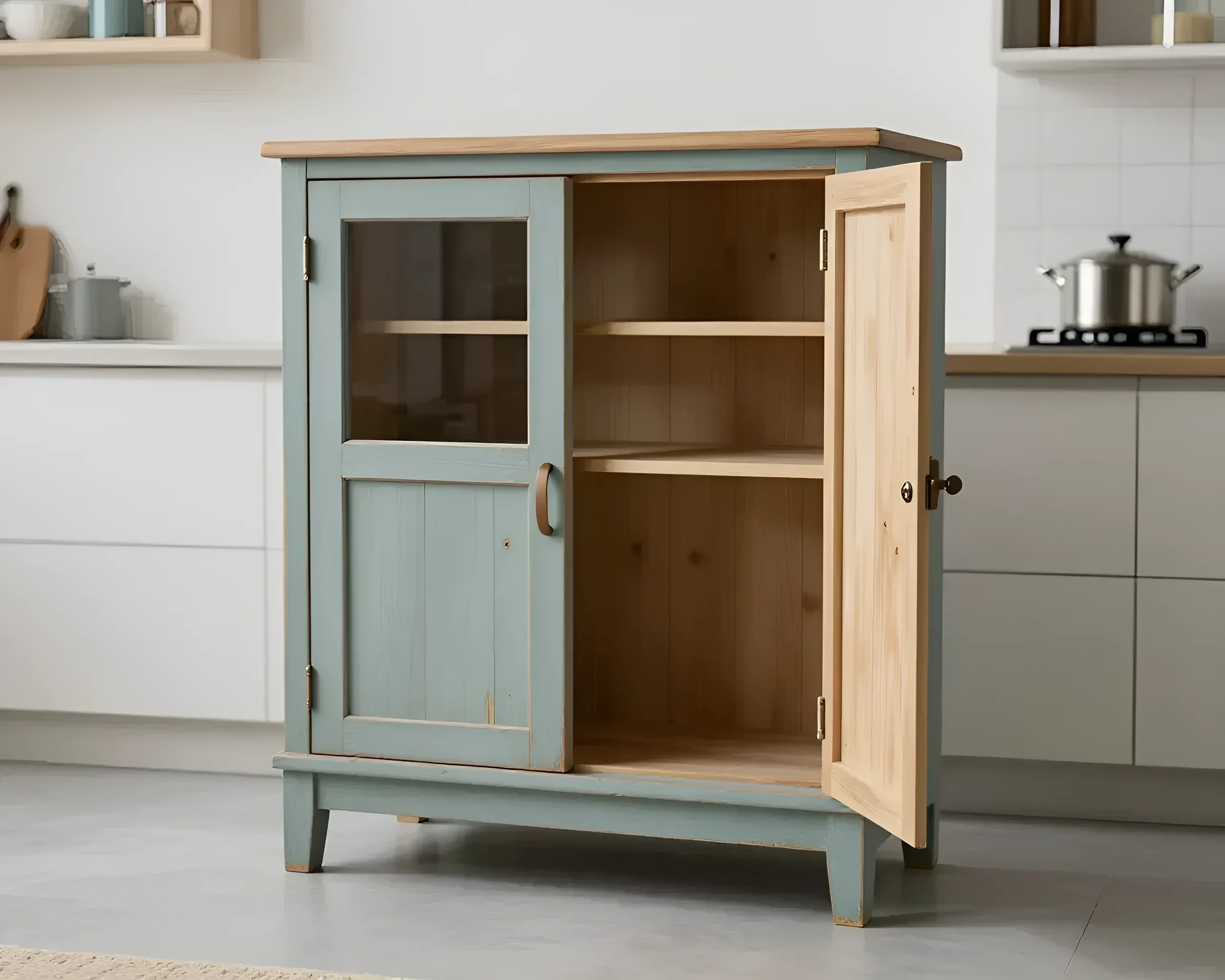
One of the main problems when integrating antiques is the mismatch in scale. Furniture of past centuries was often created for spacious halls with ceilings of 4-5 meters. In a modern apartment with a ceiling height of 2.7 meters, a massive wardrobe with a lush cornice can “overwhelm” the interior.
Practical Tips for Working with Proportions:
- The Principle of “Air”: there should be free space around a large antique item. Do not place an antique chest of drawers right next to a modern sliding wardrobe. Let it “breathe” by leaving 30-50 cm of free space on each side.
- Working with Verticals: if you have low ceilings, choose antique items with vertically oriented decor, but without massive tops. Tall and narrow bookcases will visually raise the ceiling.
- Mixing Scales: a small antique armchair can get lost next to a huge modern modular sofa. To prevent this, combine them with a rug or a common color scheme in textiles.
Technical nuance: always measure not only the space where the furniture will stand, but also the doorways and the dimensions of the elevator. Antique wardrobes are often non-disassemblable or disassemble into very large blocks (plinth, body, cornice) that may not fit through a standard 80 cm doorway.
Functionality and Restoration: Practical Use of Antique Items
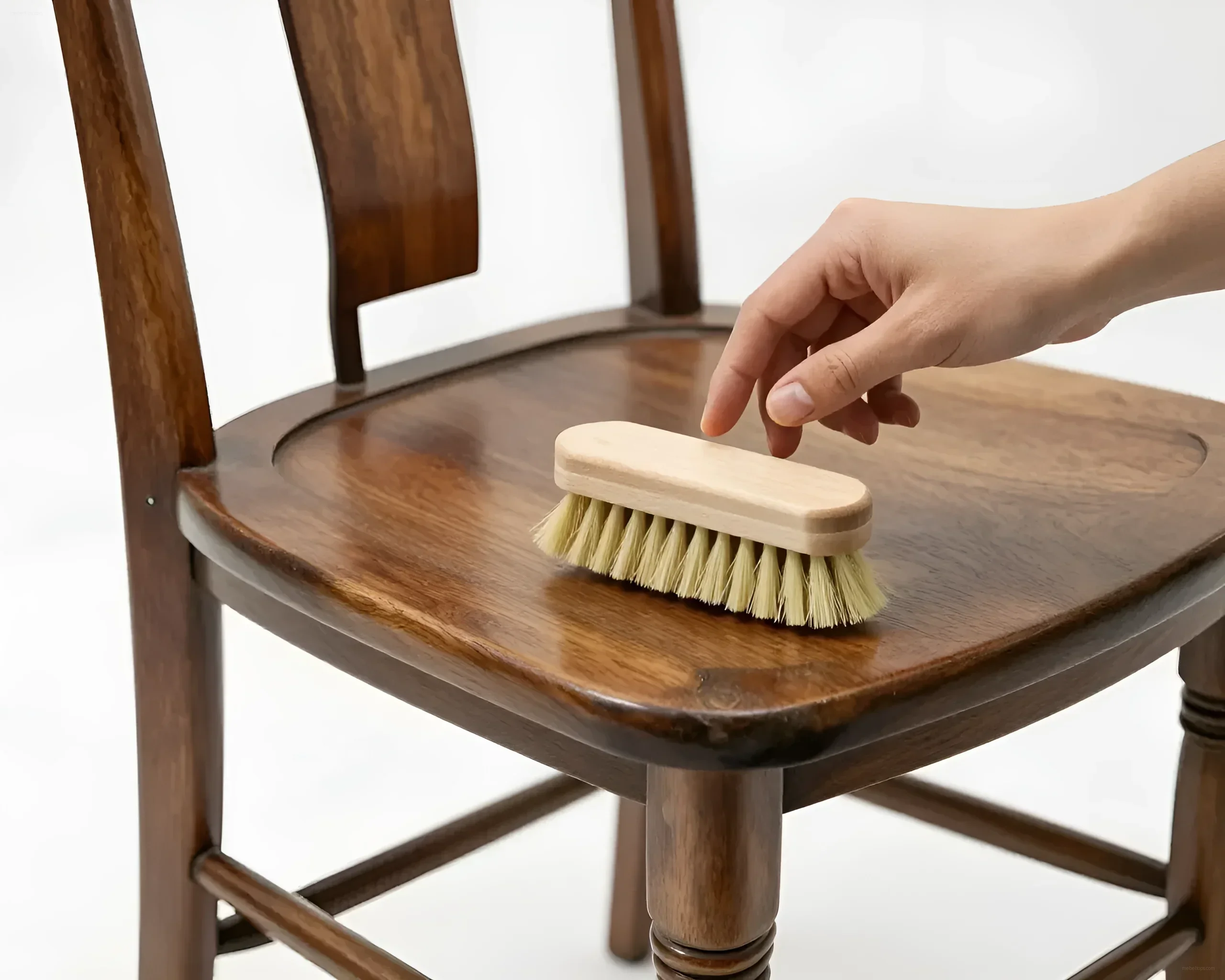
Antique furniture should not be a museum exhibit. For it to harmoniously enter your life, it needs to be adapted to modern needs. This is achieved through competent restoration.
Types of Restoration:
1. Museum Restoration: preserving the item in its original form, using only authentic materials (bone glue, shellac). Suitable for very valuable specimens.
2. Commercial (Household) Restoration: allows for the replacement of internal hardware with modern ones (e.g., drawer slides), the use of more durable lacquers. This makes the furniture convenient for daily use.
Ideas for Functional Adaptation:
- Antique Bureau: an ideal workspace for a laptop. The small internal drawers are perfect for storing stationery and chargers.
- Chest: can serve as both a coffee table in the living room and a storage place for blankets.
- Dining Table: if the surface is heavily damaged, it can be covered with tempered glass (Optiwhite). This will protect the wood from moisture and allow its beauty to be seen.
- Upholstery Replacement: this is the easiest way to “befriend” an antique armchair with a modern interior. Use modern fabrics with geometric prints, bright velvet, or quality linen instead of traditional floral jacquard.
Important: never try to paint antique furniture yourself with oil or acrylic paints without consulting a restorer first. You can irrevocably damage valuable wood and reduce the item’s value tenfold.
Care and Maintenance of Antique Furniture: Expert Tips
For antique furniture to last another hundred years, it requires special operating conditions. Wood is a hygroscopic material that reacts to environmental changes.
1. Microclimate
The optimal temperature for antiques is 18-22°C. But air humidity is much more important. It should be 45-60%. In winter, when central heating is on, humidity drops to 15-20%, which is detrimental to old wood (it dries out, cracks, veneer peels off). Be sure to use humidifiers in rooms with antiques.
2. Room Placement
Do not place antique furniture closer than 1 meter to radiators and heaters. Also, avoid direct sunlight – ultraviolet rays destroy the lacquer coating and cause wood color to fade.
3. Dust Cleaning
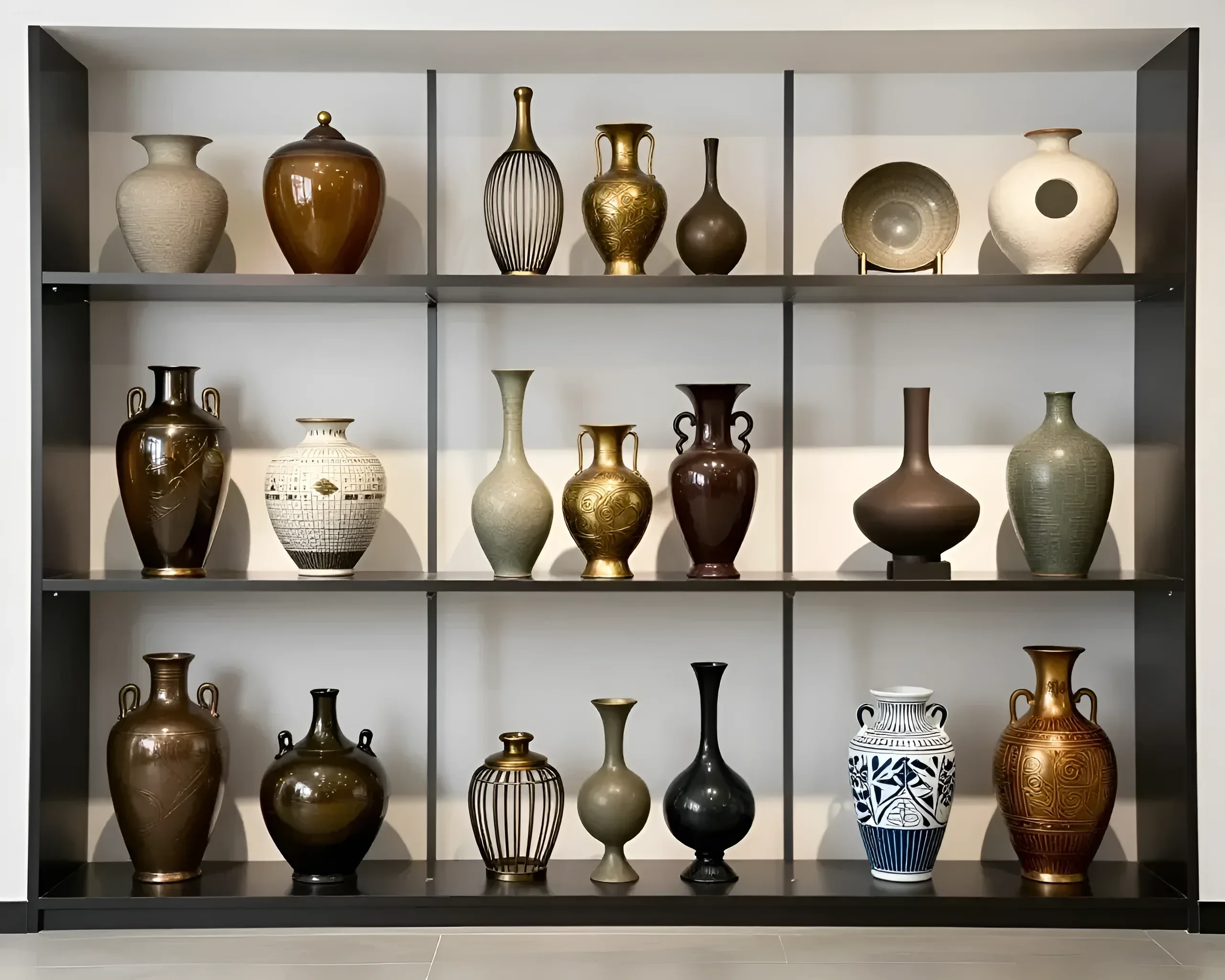
Use only soft dry cloths (microfiber or flannel). Avoid wet cleaning. For cleaning carved elements, you can use a soft brush made of natural bristles.
4. Polishing and Waxing
Every 6-12 months, it is recommended to treat the furniture with a quality wax based on beeswax or carnauba wax. Apply a small amount of wax, let it soak for 15-20 minutes, and then buff with a soft cloth. Caution: it is strictly forbidden to use household aerosol polishes containing silicone. Silicone penetrates the pores of the wood and makes subsequent professional restoration impossible.
TOP 5 Ways to Integrate Antiques into Your Interior
If you don’t know where to start, use proven design techniques:
1. Accent Against Neutral Walls
Place a dark antique chest of drawers (e.g., of stained oak) against a light gray or white wall. A minimalist background will emphasize the complexity of the form and the richness of the wood texture. Complement the composition with modern abstract art hanging above the chest of drawers.
2. Antique Chairs with a Modern Table
Boldly combine a white lacquer or glass dining table with chairs in the Empire or Neoclassical style. To make the group look cohesive, choose upholstery for the chairs that echoes the interior’s color scheme.
3. Use as an “Island” in the Bathroom
An antique chest of drawers can be converted into a vanity unit. To do this, the countertop is treated with a water-repellent coating or replaced with marble, and cutouts for the siphon are made inside. This gives the bathroom the look of a luxurious boudoir.
4. Light as a Connecting Element
An antique chandelier with crystal pendants in a minimalist modern living room is a classic. Crystal refracts light and creates a play of reflections on smooth modern surfaces.
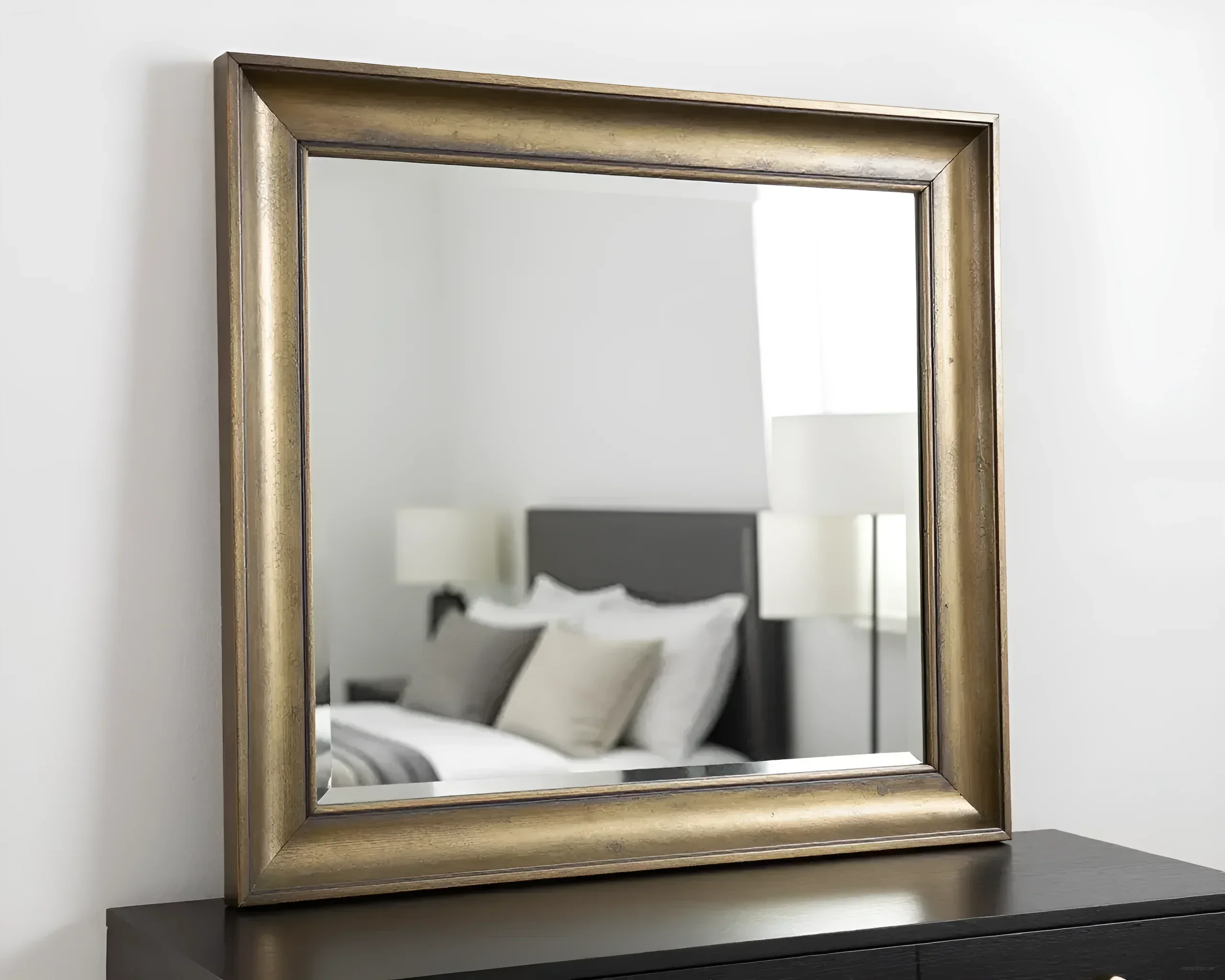
5. Mirror in a Massive Frame
A large floor-length mirror in an antique gilded frame is an excellent way to expand space and add “history” to it. It works perfectly even in the most modern interiors, including high-tech.
Frequently Asked Questions About Antique Furniture in Modern Design
Question: Does antique furniture smell “old”?
Answer: A specific smell can be present in furniture that has been stored for a long time in damp, unventilated rooms. After professional cleaning and restoration, the smell disappears. Quality wood only smells of wax or a light woody aroma.
Question: Can antiques from different eras be combined in one room?
Answer: Yes, but it requires experience. Items close in spirit or material combine best. For example, a strict English Victorian armchair and a minimalist Russian table from the time of Alexander I will look quite harmonious together.
Question: Is it safe to buy antiques from an energetic perspective?
Answer: This is a matter of personal beliefs. From a practical point of view, antique furniture is an item created by a craftsman with love for their work. If you like the item and it evokes pleasant emotions, it will only bring coziness to your home.
Interesting Facts About Antiques:
- In the 18th century, the cost of one wardrobe from a renowned master could equal the cost of a small village with peasants.
- The most expensive piece of furniture in the world is the Badminton Cabinet, created in Florence in the 18th century. In 2004, it was sold at auction for $36.7 million.
- Secret drawers (hidden compartments) are an essential attribute of expensive antique furniture. Sometimes they are found even decades after purchase, revealing old letters or coins.
Integrating antique furniture into a modern interior is a fascinating process that allows you to express your individuality. Don’t be afraid to experiment, because it is precisely such items that make a home truly unique and cozy. The main thing is to remember the rules of care and not to overload the space, leaving room for life and modern comfort.
Image Gallery