Русский
 Deutsch
 Українська
Choosing a children’s mattress is a responsible step, as the quality of sleep and the child’s health depend on it. However, even the best mattress needs additional protection and comfort. A mattress protector is designed precisely for these purposes. In this article, we will delve into why a child needs a mattress protector, what types exist, how to choose and care for it correctly, to ensure your little one has healthy and sound sleep.
Why a Child Needs a Mattress Protector: 5 Reasons You Might Not Know
Many parents consider a mattress protector an optional accessory. However, specialists in children’s sleep and hygiene strongly recommend using one, especially for infants. Here are five key reasons why a mattress protector is so important for a child:
- Protection from moisture and stains. Children, especially infants and toddlers, are prone to various “surprises”: from spilled milk and juice to nighttime “accidents.” A mattress protector creates an impermeable barrier that prevents liquid from penetrating the mattress structure. This is especially important because a mattress is something that cannot be washed entirely. A soiled mattress not only loses its aesthetic appeal but can also become a source of unpleasant odors and bacterial growth. Modern waterproof mattress protectors are made from breathable materials that effectively perform their function without disrupting air circulation.
- Hygiene and antibacterial protection. A mattress protector is easily removable and washable, which allows for maintaining the perfect cleanliness of the sleeping surface. Regular washing of the mattress protector at high temperatures (if the material allows) kills dust mites, bacteria, and other allergens that can accumulate on the mattress surface. This is particularly important for children prone to allergies and asthma.
- Increased comfort. Some mattress protectors have an additional layer of filling, for example, made of natural wool or cotton. Such a protector can make the mattress surface softer and cozier, which is especially relevant for newborns whose skin is very sensitive. It’s like an extra blanket that creates a sense of coziness and warmth.
- Extending mattress lifespan. A mattress protector takes the main load and protects the mattress from mechanical damage, abrasion, and soiling. Thanks to this, the mattress retains its original properties, appearance, and hygiene for longer. This is an economically beneficial solution that helps avoid premature replacement of an expensive mattress.
- Protection from allergens. Dust mites, mold, and other microorganisms that can develop in a mattress are a common cause of allergic reactions in children. A mattress protector, especially a hypoallergenic one, creates a barrier that prevents these allergens from penetrating the sleeping surface. Choosing the right mattress protector material can significantly improve the air quality in the nursery.
What Types of Children’s Mattress Protectors Exist: Types, Materials, and Their Features
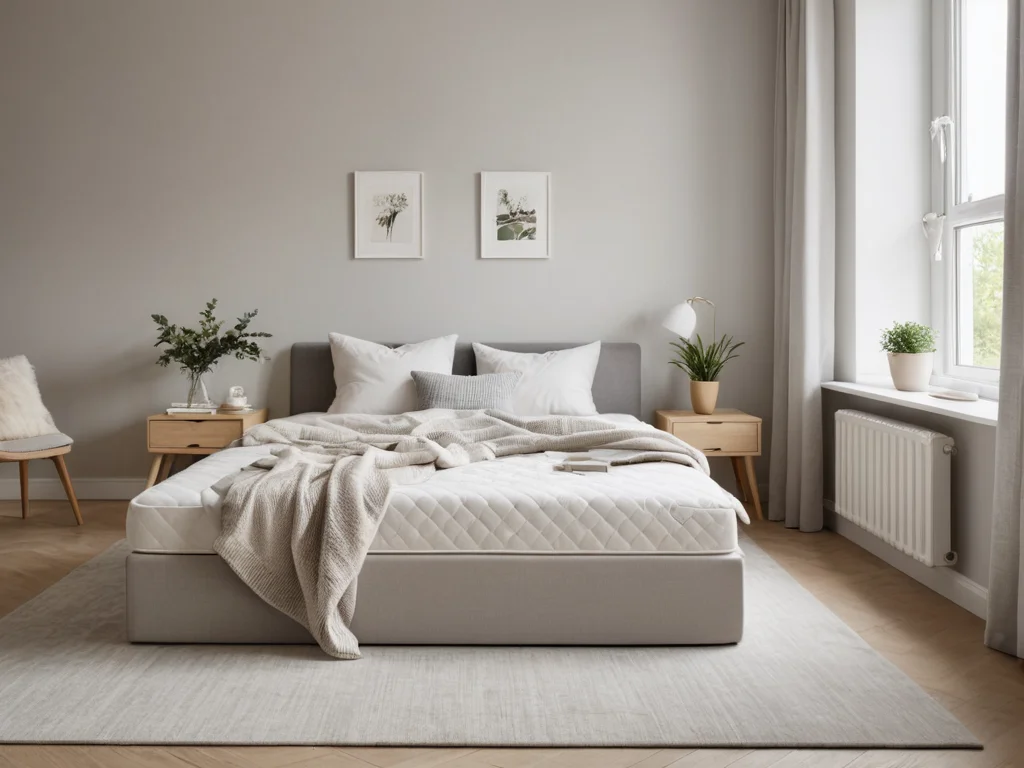
The market offers a wide range of children’s mattress protectors, differing in materials, purpose, and construction. Understanding these differences will help you make the most suitable choice.
The following main types are distinguished by purpose:
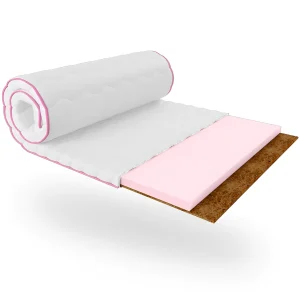
- Waterproof mattress protectors. This is perhaps the most popular and sought-after type for children. They are made from waterproof yet breathable materials, such as membrane fabric (polyurethane, TPU) or special coatings. The top layer, which comes into contact with the child’s skin, is usually made of soft cotton or microfiber, ensuring comfort. Such protectors are ideal for infants who still wear diapers, as well as for children who may be prone to nighttime leaks.
- Classic (regular) mattress protectors. They primarily serve a hygienic and comfort function. Their main task is to protect the mattress from minor soiling, dust, and to provide additional softness. They are usually made of cotton, sateen, bamboo, or synthetic materials. These protectors are easy to wash and dry quickly but do not provide complete protection from moisture.
- Orthopedic mattress protectors. While orthopedic properties are most often inherent to the mattress itself, there are also special mattress protectors that can add stiffness or, conversely, softness to the surface. For example, a memory foam mattress protector can make the sleeping surface more comfortable, while a denser protector can add stiffness, which is sometimes recommended for older children.
- Seasonal mattress protectors. Such models can have different sides for warm and cold seasons. For instance, one side might be made of cotton or bamboo for summer, and the other of wool or fleece for winter. This allows for creating an optimal microclimate for the child at any time of the year.
The materials used to make children’s mattress protectors are also diverse:
- Cotton. A natural, hypoallergenic, and breathable material. Cotton mattress protectors are pleasant to the touch, absorb moisture well, and allow air to pass through. They are ideal for children’s skin. Often used as the top layer in combined mattress protectors.
- Bamboo. Another natural and eco-friendly material. Bamboo fibers have antibacterial properties, are hypoallergenic, absorb moisture excellently, and provide good thermoregulation. Pleasant to the touch, they create a feeling of coolness in summer and warmth in winter.
- Microfiber. A synthetic material that is very soft, lightweight, and absorbs moisture well. Microfiber dries quickly and is easy to care for. Often used as the top layer in waterproof models. It’s important to choose high-quality microfiber so that it is pleasant to the touch.
- Membrane fabrics (polyurethane, TPU). This is the basis of waterproof mattress protectors. The membrane creates a waterproof layer while allowing air to pass through, preventing a “greenhouse effect.” Polyurethane is more durable and elastic, while TPU (thermoplastic polyurethane) is considered more environmentally friendly and hypoallergenic.
- Wool. Natural sheep’s wool has excellent thermal insulation properties, absorbs moisture well, and remains dry to the touch. Woolen mattress protectors are ideal for the cold season, creating coziness and comfort. It’s important to ensure the child is not allergic to wool.
- Sateen, jacquard. These are fabrics with a smooth, pleasant surface, often used for making classic mattress protectors. They are durable, wear-resistant, and allow air to pass through well.
Size Matters: How to Choose the Right Mattress Protector Based on Mattress Dimensions
An incorrectly sized mattress protector can slip, bunch up into folds, which is not only inconvenient but also reduces its protective functions. Therefore, an exact match to the mattress dimensions is the first thing to pay attention to.
Key steps for choosing the correct size:
- Measure the mattress. The most reliable method is to use a measuring tape and measure the length, width, and, very importantly, the height (thickness) of your mattress. Many children’s mattresses have standard sizes, but manufacturers can vary. For example, a mattress for a crib might be 120×60 cm, 125×65 cm, and for a teenager’s bed – 190×80 cm, 200×90 cm, and so on.
- Consider the fastening type. Children’s mattress protectors come in several fastening types:
- With elastic around the perimeter. This is the most common and convenient option. Elastic around the entire perimeter (or just at the corners) securely fastens the mattress protector to the mattress, preventing it from shifting. When choosing such a protector, it’s important that the depth of the elastic matches the height of your mattress. Manufacturers usually indicate the height of the protector’s side.
- Fitted (without elastic). These mattress protectors simply cover the mattress from above. They are less secure and can shift, so they are used less often, mainly for teenage beds or as an additional layer over the main protector.
- With a zipper. This type completely encloses the mattress, like a cover. This provides maximum protection but can be inconvenient to use, as it’s harder to remove and put on such a cover.
- Refer to the manufacturer’s size chart. After you have obtained the exact dimensions of your mattress (length, width, height), compare them with the size chart of the specific brand you are considering. Pay attention to permissible deviations. For example, if your mattress is 120×60 cm, and the mattress protector is 120×60 cm, but the side height is less than the mattress height, it might not cover it completely. Ideally, the mattress protector’s dimensions should match the mattress’s dimensions, and the side height should be slightly greater than or equal to the mattress height.
- Consider shrinkage. Natural materials like cotton can shrink slightly after the first wash. If you plan to wash the mattress protector frequently, it’s better to choose a model with a slight size allowance or opt for synthetic or blended fabrics that are less prone to shrinkage.
- Why is an allowance needed? If you are unsure about the accuracy of your measurements or fear shrinkage, you can choose a mattress protector with a slight allowance in width and length. However, an overly large mattress protector will bunch up into folds, reducing comfort. Therefore, the main thing is the most accurate match possible.
Example: You have a mattress measuring 120 cm (length) x 60 cm (width) x 10 cm (height). You need a mattress protector measuring 120×60 cm with a side height of at least 10 cm. It’s better if the side height is 12-15 cm to ensure secure fastening and protect the sides of the mattress.
Criteria for Choosing the Ideal Mattress Protector: Protection, Comfort, and Safety for the Child
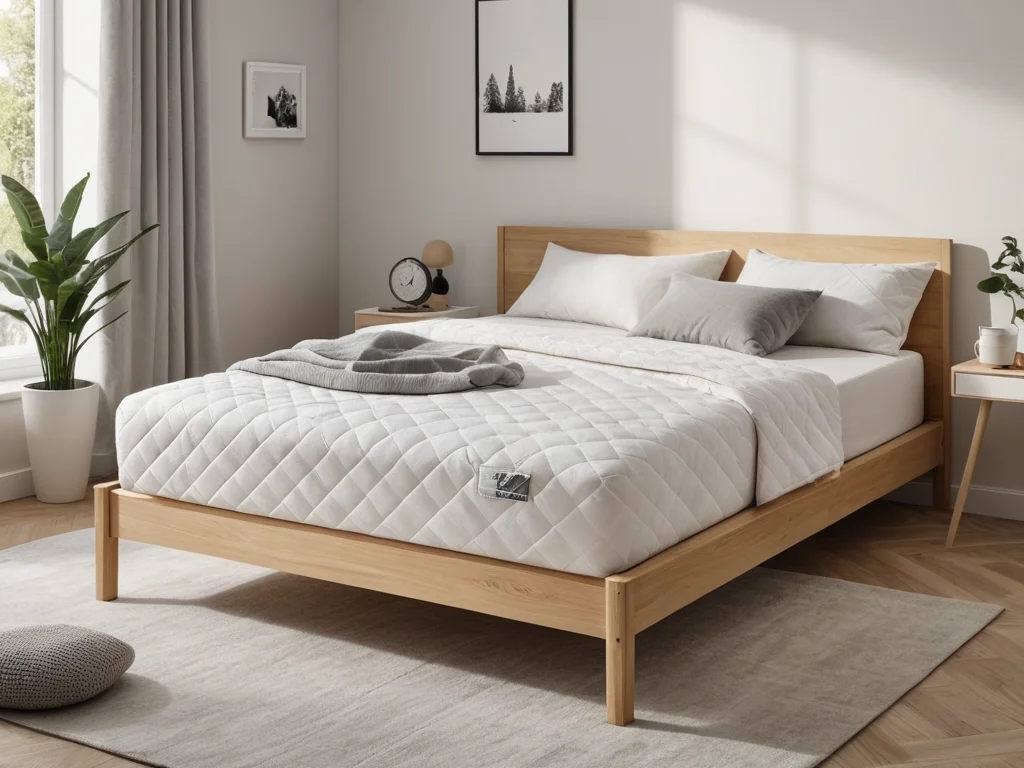
In addition to the correct size, when choosing a children’s mattress protector, it’s important to consider several other criteria that will provide maximum benefit for your child.
- Top material. The surface that directly contacts the child’s skin should be as comfortable, hypoallergenic, and breathable as possible. Preference should be given to natural materials such as cotton (especially organic), bamboo, or high-quality microfiber. These materials are pleasant to the touch, absorb moisture well, and allow the skin to breathe, preventing overheating and irritation.
- Type of protection (waterproofing). If you are looking for a waterproof mattress protector, pay attention to the membrane material. Polyurethane (PU) and TPU membranes are the most effective. It’s important that the membrane is “breathable,” meaning it allows air to pass through. This will prevent condensation and create a comfortable microclimate. Cheap waterproof mattress protectors without breathability can make sleep uncomfortable, resembling a greenhouse effect.
- Certification and safety. For children’s products, material safety is very important. Look for mattress protectors made from hypoallergenic materials, free from harmful chemicals, dyes, or formaldehyde. Pay attention to the presence of relevant quality certificates (e.g., Oeko-Tex Standard 100), which confirm the safety of the textiles.
- Ease of care. A children’s mattress protector, especially a waterproof one, will be washed quite often. Therefore, choose models that are easy to wash in a washing machine (usually at 40-60°C) and dry quickly. Avoid materials that require delicate dry cleaning or ironing, as this will significantly complicate care.
- Filling (if any). If you are choosing a mattress protector with additional filling for comfort, pay attention to its composition. Natural fillings such as cotton, wool, bamboo fiber are more preferable for children. Synthetic fillings (holofiber, sintepon) can also be an option, but it’s important to ensure they are hypoallergenic and can breathe well.
- Absence of rustling sounds. Some waterproof mattress protectors, especially from inexpensive materials, can make rustling sounds when the child moves. This can disrupt sleep. If possible, check or read reviews about the noiselessness of the mattress protector. Modern membrane materials are usually free from this drawback.
- Presence of elastic. As mentioned earlier, mattress protectors with elastic around the perimeter or at the corners are the most convenient for children’s beds, as they are securely fastened and do not slip.
Designer’s tip: For newborns and infants who are not yet potty-trained, it is highly recommended to use waterproof mattress protectors. This will save you a lot of effort and nerves in case of “accidents.” For older children, when the issue of moisture is no longer so relevant, you can choose simpler cotton or bamboo mattress protectors for added comfort and hygiene.
Caring for a Children’s Mattress Protector: Simple Steps for Durability and Hygiene

Proper care of a children’s mattress protector is the key to its durability, preservation of protective properties, and, of course, the hygiene of your child’s sleeping surface. Follow these simple recommendations to ensure your mattress protector serves you long and reliably.
- Regular washing. Children’s mattress protectors, especially waterproof ones, should be washed regularly. The frequency of washing depends on the child’s age and intensity of use, but on average, it’s once every 1-2 weeks. Infants on breastfeeding or children prone to sweating may need to have their mattress protector washed more often.
- Washing in a washing machine. Most modern children’s mattress protectors can be washed in a regular washing machine. Follow the instructions on the manufacturer’s label. Delicate wash mode at a temperature of 40-60°C is usually recommended. Higher temperatures can damage the membrane layer of waterproof mattress protectors.
- Choice of detergents. Use mild, baby-friendly detergents without harsh bleaches or fragrances. They can cause allergies in children. Avoid using fabric softeners, as they can reduce the breathability of the membrane in waterproof mattress protectors.
- Proper drying. After washing, it’s best to dry the mattress protector spread out on a horizontal surface or on a clothesline. Do not use aggressive drying cycles in a tumble dryer unless permitted by the manufacturer, as high temperatures can damage the water-repellent layer. It’s important that the mattress protector is completely dry before putting it back on the mattress to prevent mold and unpleasant odors.
- Avoid ironing. Most modern mattress protectors, especially those with a membrane coating, do not require ironing and cannot withstand it. High temperatures can irreversibly damage the material’s structure. Check the label, but in most cases, ironing is prohibited.
- Storage. If you have spare mattress protectors, store them in a clean, dry place, protected from direct sunlight. Before storing for a long period, ensure the mattress protector is completely dry.
- Check for wear. Regularly inspect the mattress protector for signs of wear, tears, or loss of elasticity in the elastic band. A damaged mattress protector loses its protective properties and can become a source of discomfort. If significant damage is found, it is recommended to replace the mattress protector.
Final recommendation: Investing in a quality children’s mattress protector is a commitment to your child’s health, hygiene, and comfort, as well as to the preservation of an expensive mattress. The right choice and timely care will ensure your little one has peaceful and healthy sleep for years to come.