
 Русский
 Deutsch
 Українська
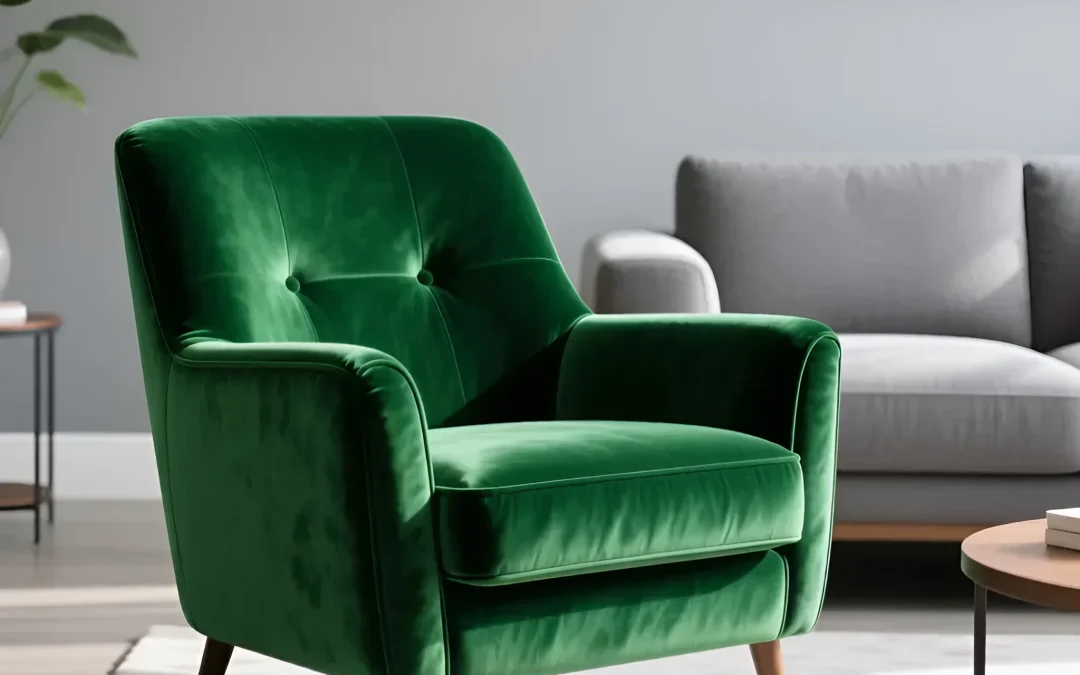
An accent chair is more than just an extra seat. It’s a powerful design tool capable of instantly transforming even the most boring and neutral interior, adding depth, character, and visual interest. Choosing such a piece requires a special approach, as it must harmoniously combine aesthetics, functionality, and durability. We, the experts at mebeltops.com, have prepared a detailed and practical guide to help you choose the perfect accent chair that will not only attract attention but also serve you for many years.
Accent Chairs: A Guide to Choosing a Striking Piece for Your Interior
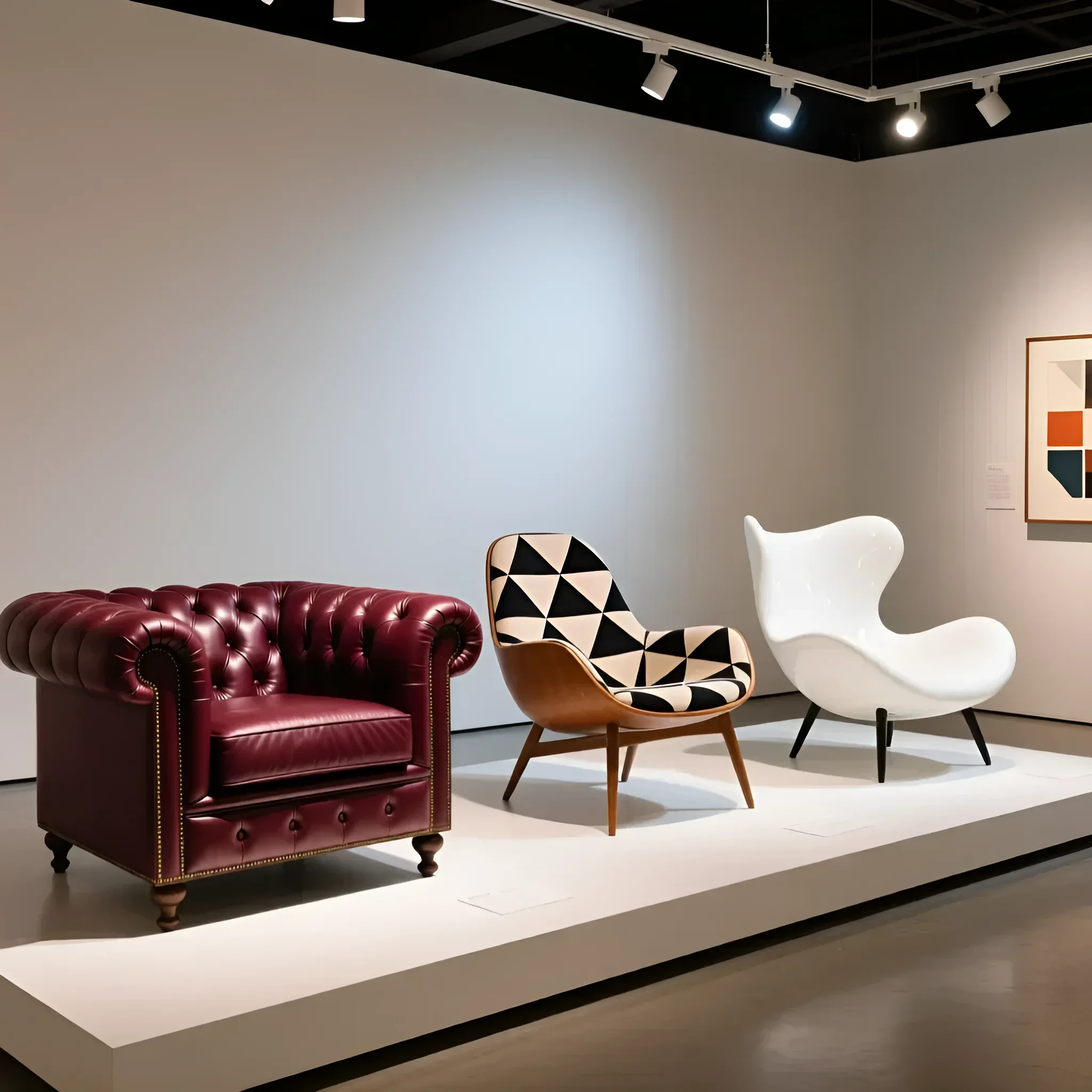
An accent chair (or statement chair) is a piece of furniture that deliberately stands out from the general background. Its purpose is to become the central focal point in a room, whether it’s a living room, bedroom, or study. Unlike the main sofa or set, which is usually chosen in neutral and practical tones (gray, beige, brown), an accent chair allows you to experiment with rich colors, bold prints, and unusual shapes.
Why an Accent Chair Works:
- Visual Contrast: It breaks monotony, adding dynamism.
- Color Anchor: It allows you to introduce a new color into the interior, which can then be echoed in small decor items (cushions, vases).
- Zoning: It helps clearly define a reading or relaxation area.
When choosing such a chair, the key is the balance between its “noticeability” and the overall style of the room. Don’t be afraid of brightness, but it’s important that this brightness is intentional.
Types and Styles of Accent Chairs: From Classic to Modern
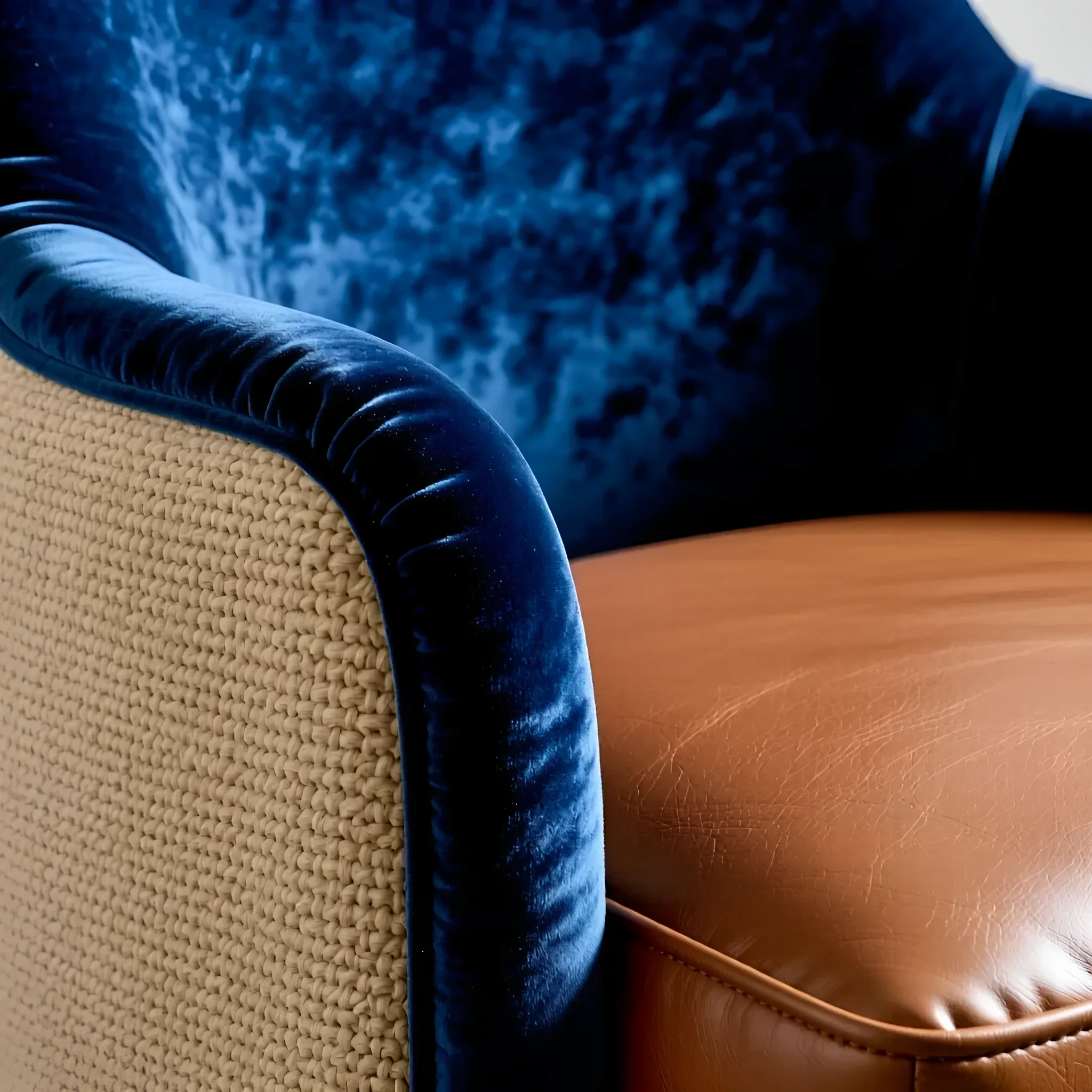
The shape of the chair determines 80% of its accent potential. The modern market offers a huge variety, but for a chair to truly “shine,” its style should either contrast with the main furniture set or enhance it.
Classic Accents: Proven Elegance
- Wingback Chair: A classic, ideal for studies or traditional living rooms. The high back and side “wings” create a sense of coziness and privacy. Accentuation is achieved through upholstery: choose deep emerald velvet or dark blue leather with button tufting (capitone).
- Bergère: French style, characterized by an open wooden frame and a soft cushion. Excellent for Provence or Neoclassical styles. The accent is created by carving or light, but textured upholstery (e.g., linen with a bright contrasting trim).
Modern and Designer Accents
If your goal is a clean, modern, or Scandinavian interior, consider the following shapes:
- Cocoon Chair or Egg Chair/Pod Chair: Icons of Mid-Century Modern design. Their smooth, organic lines are an accent in themselves. Bright solid colors are often used (mustard, orange, turquoise). Typical dimensions: Width 80–90 cm, seat depth 50–55 cm.
- Barrel/Tub Chair: Compact, with a low round back. Ideal for small spaces or when you need to place two chairs opposite a sofa. Accentuation is achieved through texture (e.g., fashionable boucle or textured linen).
- Modern Recliner: In its modern interpretation, it can look very stylish. Choose models with a slim metal base and a minimalist shape to maintain the accent without sacrificing comfort.
Upholstery Materials for Accent Chairs: Velvet, Linen, and Leather – Pros and Cons
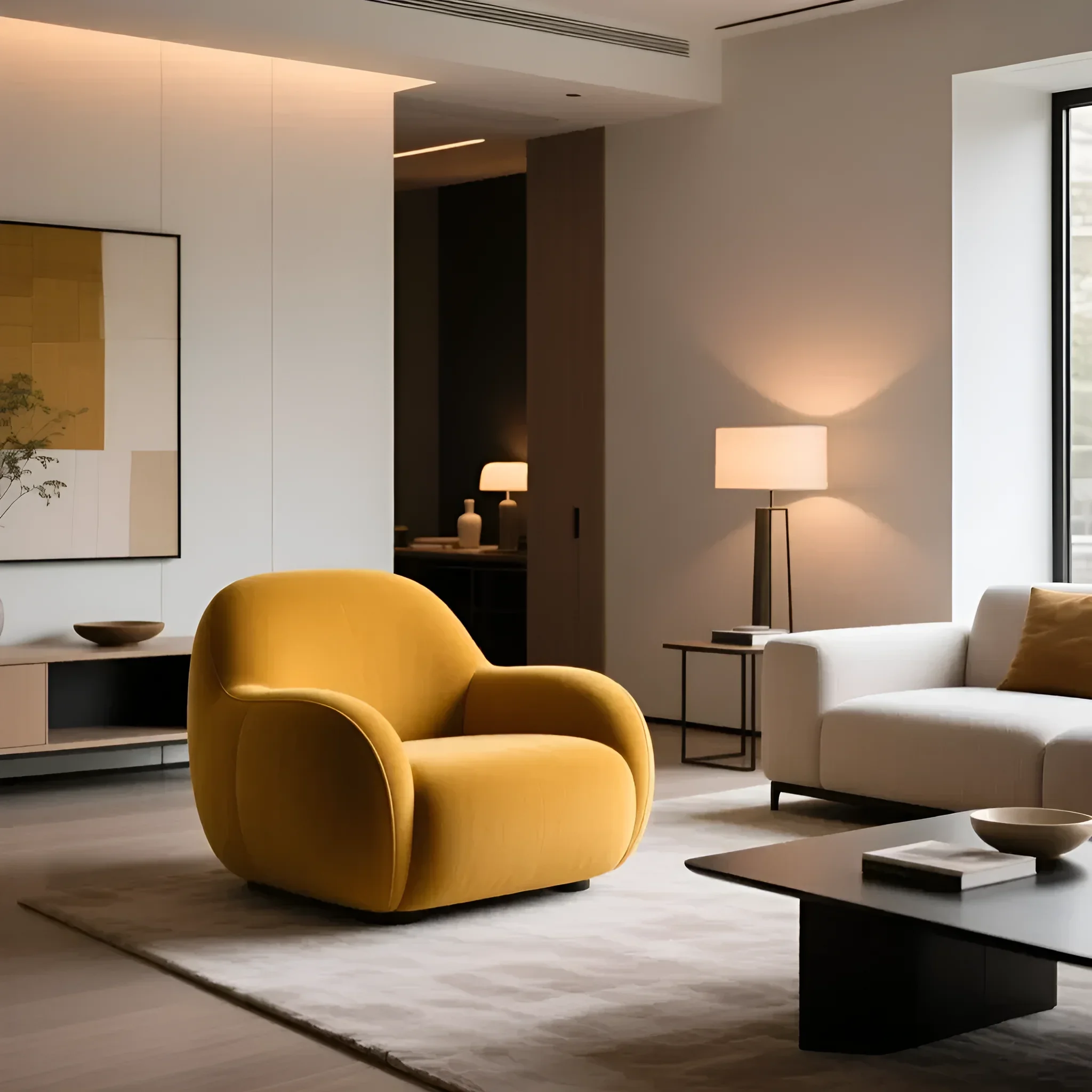
The upholstery material is what turns an ordinary chair into an accent chair. A bright color or unusual print on the wrong fabric will quickly fade or wear out. When choosing accent furniture that attracts attention, the quality of the upholstery should be impeccable.
Comparative Analysis of Popular Accent Upholsteries
| Material | Accent Potential | Pros | Cons | Care | Martindale Test (recommended) |
|---|---|---|---|---|---|
| Velvet/Velour | High (play of light, luxury) | Rich, deep color, softness, tactile comfort. | Difficult to clean, shows touch marks, stretches in areas of frequent use. | Dry cleaning, avoid moisture. | Not less than 40,000 cycles |
| Linen/Tapestry (coarse weave) | Medium/High (depends on print/texture) | Durability, natural look, holds shape well, excellent breathability. | Can snag (if you have pets), stiffer than velvet. | Vacuuming, spot cleaning. | From 25,000 cycles |
| Genuine/Faux Leather | High (gloss, rigor) | Durability, easy care (wiping), suitable for strict interiors. | High price (for genuine leather), can crack over time, doesn’t “breathe” (faux leather). | Wipe with a damp cloth, special conditioners. | Not applicable (flex test) |
| Boucle | Very high (fashionable, textured) | Unusual, soft texture, hides minor dirt. | Low durability (requires careful handling), difficult to remove stains. | Dry cleaning only. | From 20,000 cycles (for decorative) |
Practical Durability Tip: For an accent chair that will be used daily (e.g., for reading), choose upholstery with a Martindale test of at least 35,000 cycles. If the chair is purely decorative and in a low-traffic area, 20,000–25,000 cycles are sufficient.
How to Choose the Perfect Accent Chair: Combining Shape, Color, and Room Style
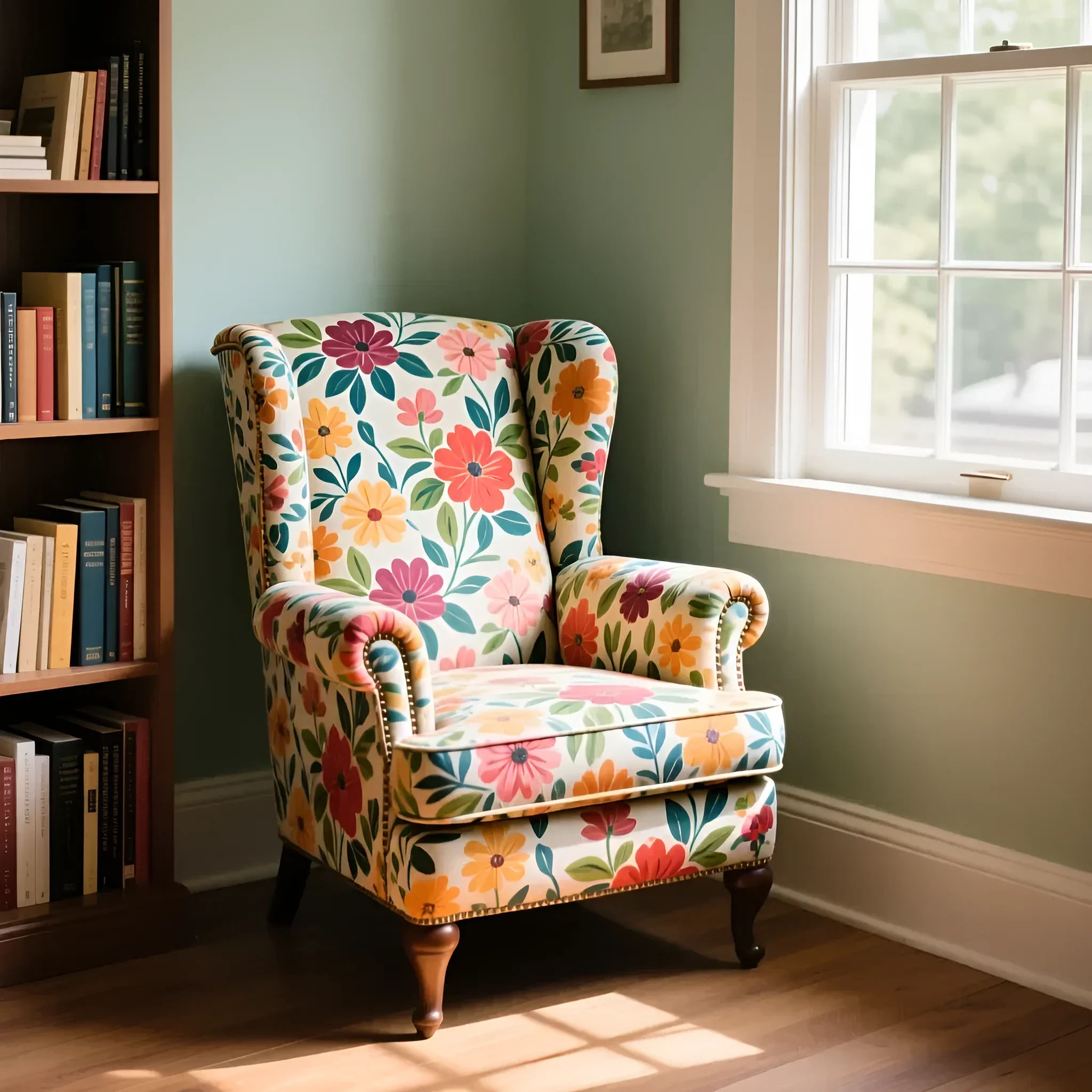
The main task of an accent chair is not to blend into the background. This is achieved through three key elements: color, shape, and scale.
1. Color Strategy: The 60-30-10 Rule
Interior design often uses the 60-30-10 rule, where 60% is the dominant color (walls, floor), 30% is the secondary color (main furniture, curtains), and 10% is the accent color. Your chair should be part of these 10%.
- Complementary Contrast: If your living room is in cool tones (gray, blue), choose a chair in warm complementary shades (orange, yellow, mustard). For example, a rust or terracotta colored chair would be ideal with a gray sofa.
- Monochromatic Accent: If you’re afraid of bright colors, use an accent chair in the same color as the main furniture but with a sharp contrast in texture. For example, a matte gray sofa + a glossy silver-gray velvet chair.
- Accent Through Pattern: If the furniture is neutral, a chair with a large geometric or floral print can become an accent. Important: the print should be large and clear so as not to look “noisy” against a solid upholstery.
Color Matching Example:
- Loft Style Interior (brick, concrete, leather): Accent – an “egg” chair in deep blue or turquoise.
- Scandinavian Style Interior (white, light wood): Accent – a chair in fuchsia or rich yellow to add warmth.
2. Style and Shape Coordination
You don’t always need to completely replicate the style. Sometimes the best accent is an unexpected element that still has a common thread with the interior:
- If the room has a lot of metal (table legs, lamps), choose a chair with a metal base (e.g., thin black or brass legs).
- If natural wood predominates in the interior, the accent chair should have an open wooden frame, even if its shape is modern.
Key Principle: The shape of the chair should be unique but connected to the rest of the decor by at least one detail.
Placement and Dimensions: Where to Put an Accent Chair So It “Shines”
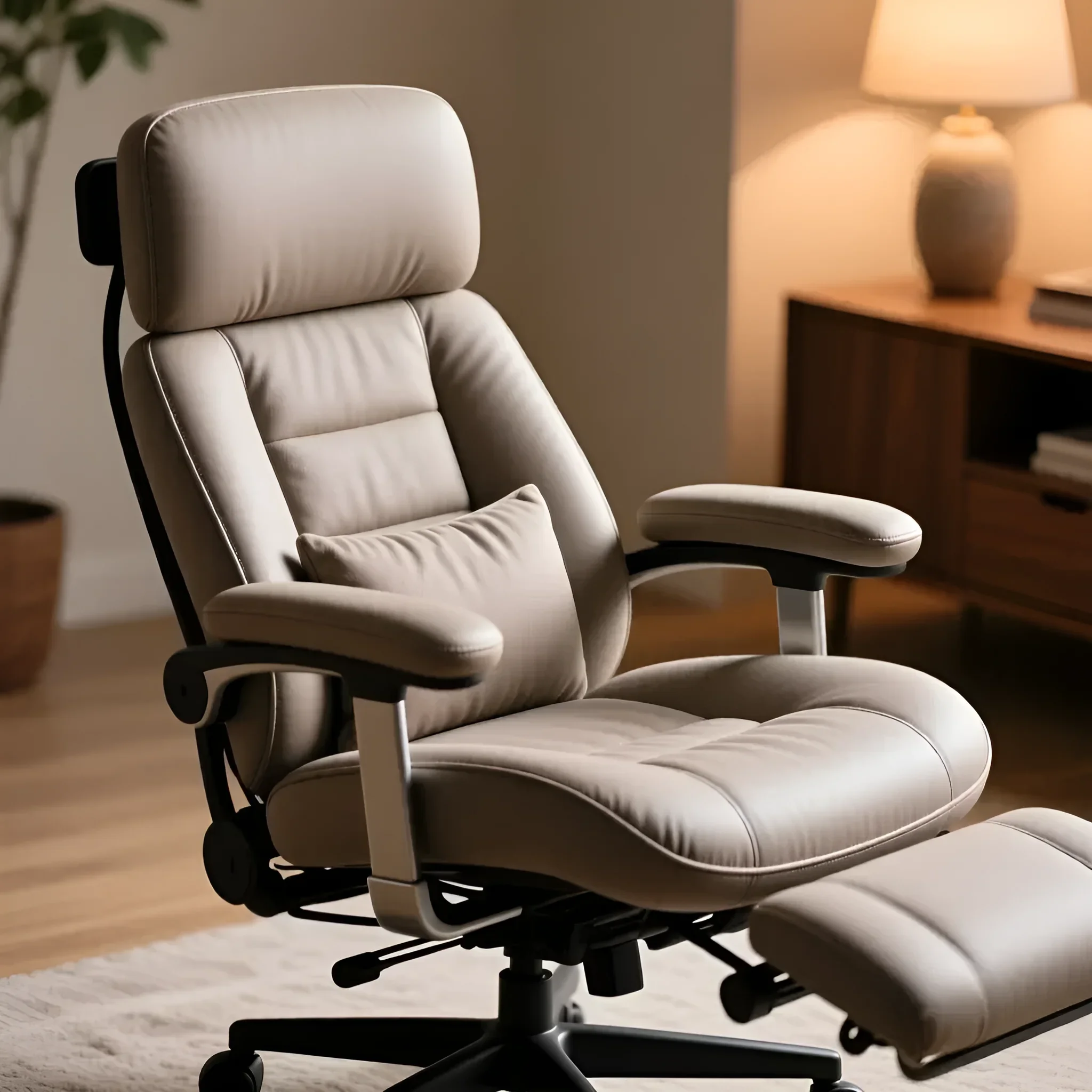
An accent chair should be visible, but it shouldn’t obstruct movement. Incorrect dimensions or poor placement can negate its entire design potential.
Determining Optimal Dimensions
An accent chair should be proportionate to the main furniture and the room.
- In a large living room (from 25 sq.m): You can use large, deep chairs (e.g., Wingback or Oversized Barrel Chair). Typical depth: 90–100 cm.
- In a standard living room (15–20 sq.m): Choose more compact models (Tub Chair, modernized chairs with thin legs). Typical depth: 70–80 cm.
- In a bedroom: The chair should be smaller than in the living room so as not to overload the space. Chairs with low backs and minimalist designs are ideal.
Important: The height of the armrests of the accent chair should be comparable to the height of the armrests of the main sofa (a difference of 5–10 cm is acceptable).
Strategic Placement
The location of the chair should make it a focal point:
- Opposite the sofa (in a pair): A classic option. Creates a conversation area. If you have two identical accent chairs, they should be placed symmetrically.
- By the window (Reading Nook): Turns the chair into a relaxation zone. Requires a floor lamp or table lamp. Important: If the chair is by the window, ensure the upholstery is UV-resistant (especially for bright velvet and genuine leather).
- In a room corner (Visual Anchor): Ideal if the corner seems “empty.” The chair should be turned at a 45-degree angle to the center of the room to invite seating.
- Next to a fireplace or bookshelf: Emphasizes the functionality of the space.
Clearance Rule: There should be at least 60 cm of free passage around the accent chair so that it doesn’t look cramped and doesn’t impede movement.
Functionality and Comfort: What to Look for When Buying
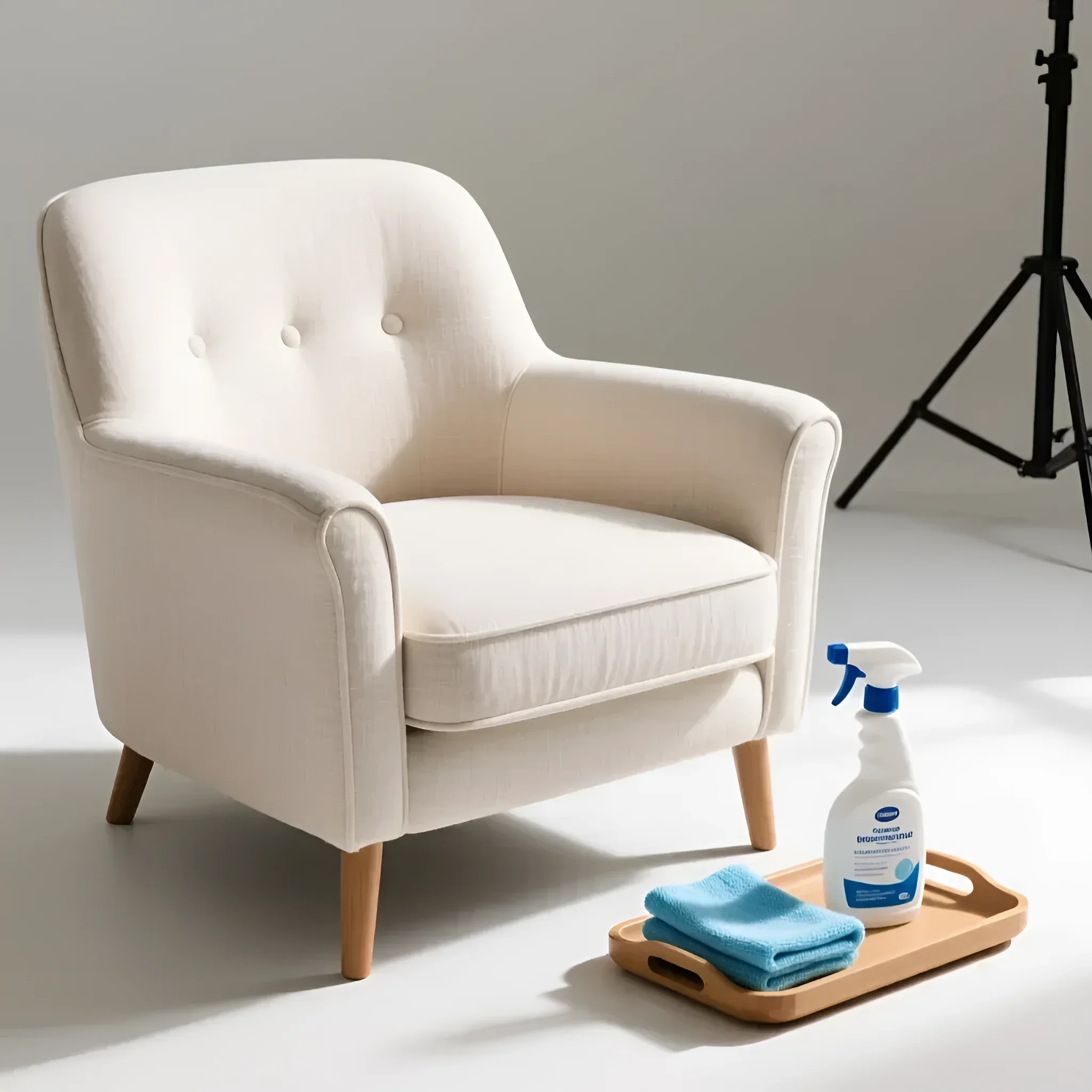
An accent chair should be not only beautiful but also comfortable. Buyers often sacrifice comfort for design, but quality furniture always combines both.
1. Frame and Base
The frame determines durability. For a chair you plan to use actively:
- Materials: Look for a frame made of solid wood (beech, oak) or high-quality multilayer plywood (15–20 mm). Avoid particleboard and thin (less than 10 mm) plywood, especially in stressed areas.
- Connections: Connections should be made with tenons, bolts, or metal brackets, not just glue.
2. Filling and Softness
The filling affects the shape and comfort of the seat. For accent chairs that need to hold a clear shape (e.g., Barrel Chair), rigid and dense fillers are used.
- Foam Density (Polyurethane Foam): For seats, a density of at least 30–35 kg/m³ (HR or EL marking) is required. This density ensures shape retention and support for 7–10 years.
- Backrest Softness: For the backrest, foam with a density of 25–28 kg/m³ or a combination with wadding/hollow fiber for added softness is sufficient.
- Suspension: The best options are serpentine springs, positioned across the seat, or elastic straps (for more modern, slim models).
3. Ergonomics
Even the brightest chair should be comfortable to sit in. Check:
- Seat Depth: Optimal is 50–55 cm. If it’s deeper, you’ll need extra decorative cushions for lumbar support.
- Seat Height: Standard is 42–45 cm from the floor. This allows for comfortable standing.
- Backrest Angle: The ideal angle for relaxation is 105–110 degrees. For a purely decorative chair, 90 degrees is acceptable.
Caring for Accent Furniture: Keeping It Bright for a Long Time
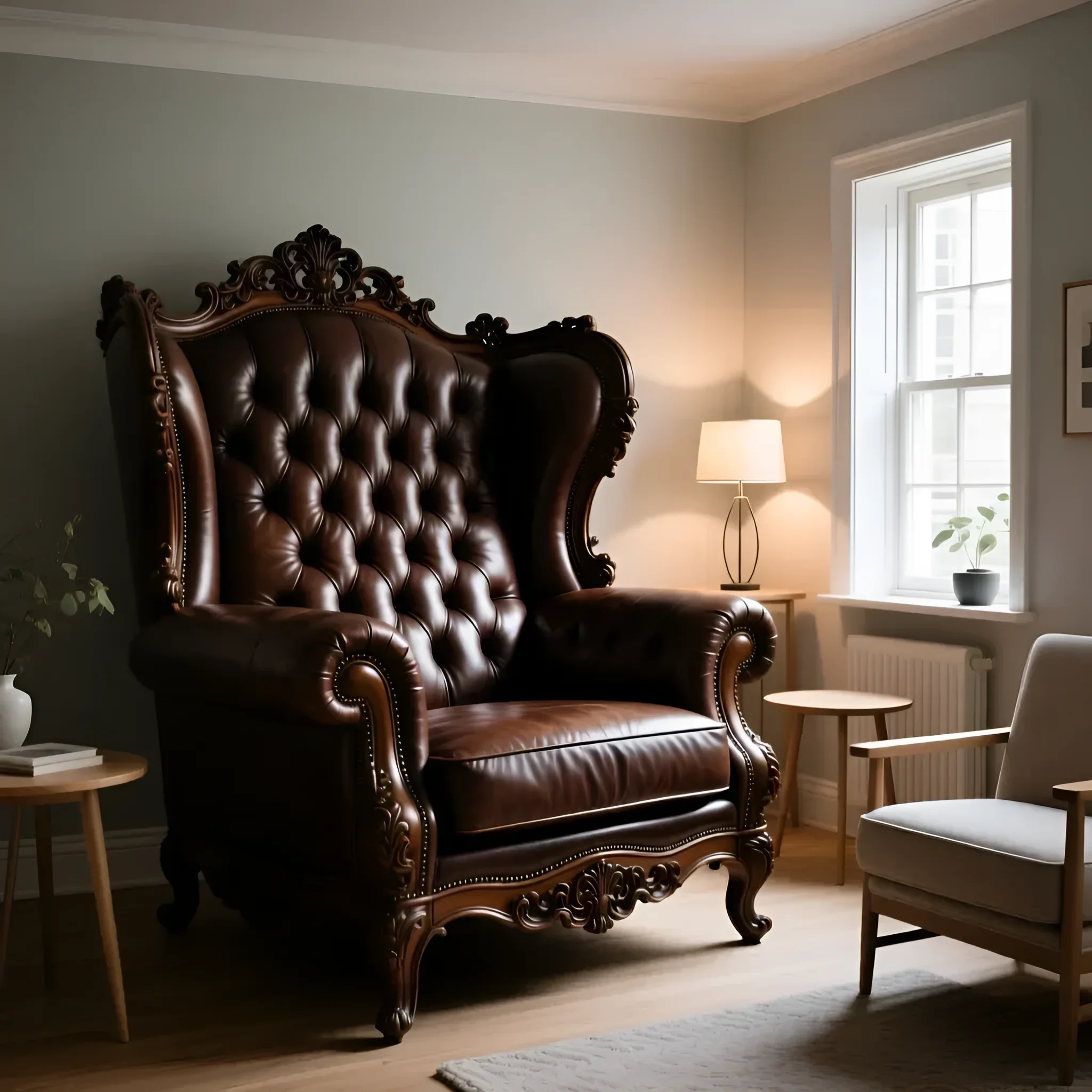
Bright colors and textured fabrics require more careful care than neutral ones. Proper maintenance ensures that your accent chair will delight the eye for decades.
Protecting Color from Fading
Ultraviolet rays are the main enemy of bright upholstery, especially red, blue, and yellow colors.
- Placement: Try not to place the chair directly in direct sunlight. If this is impossible, use light, translucent curtains that diffuse the light.
- Flipping Cushions: If the chair has removable cushions, regularly flip them and swap them to ensure even wear and fading.
Specifics of Cleaning Accent Materials
Always check the manufacturer’s label (symbols W, S, W/S, or X):
- “W” (Water): Upholstery that can be cleaned with water (most microfibers, some linens). Use a mild soapy solution.
- “S” (Solvent): Dry cleaning or cleaning with special solvents only (most velvets, wool, boucle). Water can leave streaks.
- “X” (Vacuum only): Vacuum only. Any liquid or solvent will damage the fabric.
- Velvet and Velour: Use a soft-bristled brush to lift flattened fibers. Remove stains immediately with a dry cloth, without rubbing.
- Leather: Treat with a special leather conditioner every 6–12 months. This will prevent drying out and cracking.
Top 5 Mistakes When Choosing an Accent Chair and How to Avoid Them
Choosing accent furniture is a creative process, but it comes with risks. By avoiding these common mistakes, you ensure that your chair becomes a stylish addition, not a visual blotch.
Mistake 1: Scale Mismatch
Problem: Choosing a chair that is too small or, conversely, too bulky compared to the main sofa. A small chair will “get lost,” and a huge one will “overwhelm” the space.
How to Avoid: Use painter’s tape or newspapers to outline the intended dimensions of the chair on the floor. Visually assess how it will look next to the sofa. Ideally, the back height of the accent chair should be either significantly higher or significantly lower than the sofa’s back, not at the same level.
Mistake 2: Choosing a Color Unrelated to the Interior
Problem: The chair is bought in a trendy but completely isolated color (e.g., a bright red chair in a room with no red elements).
How to Avoid: The accent color should be repeated in the room at least twice (the rule of three). If you choose a mustard chair, add a mustard vase on the coffee table and a thin trim on the sofa’s decorative cushions. This will create a visual “echo.”