Русский
 Deutsch
 Українська
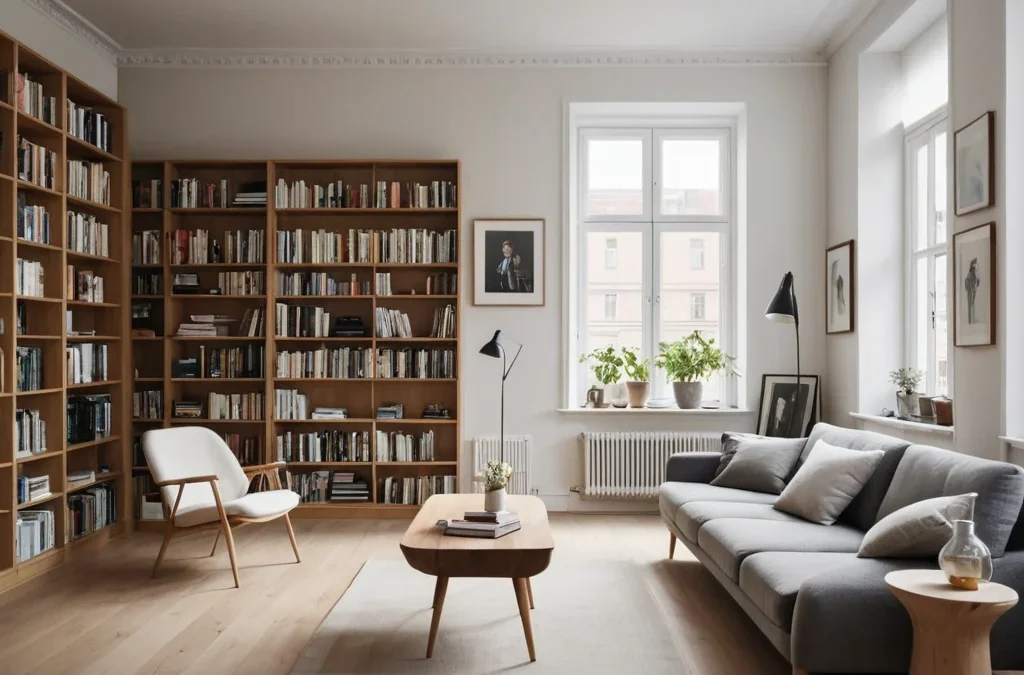
Books are not just a source of knowledge and entertainment, but also an integral part of one’s personality. And the places where these treasures are stored play an equally important role in creating a home’s atmosphere. Among the many storage options – from massive cabinets to minimalist shelves – shelving units hold a special place. They have come a long way from simple open shelves for dusty tomes to multifunctional art objects capable of transforming any space. In this article, we will delve into the world of bookshelves, examine their evolution, selection criteria, and share inspiring ideas for integrating them into modern interiors.
Why a Bookshelf is an Eternal Interior Classic: From Dusty Shelves to Modern Hubs
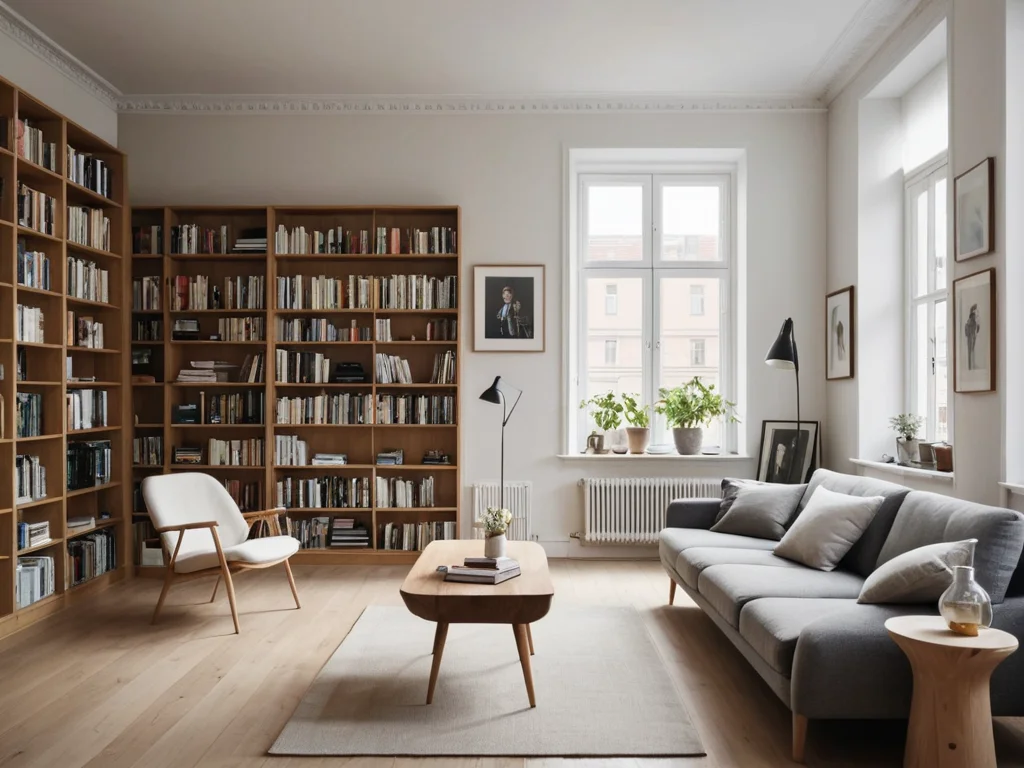
The history of the bookshelf dates back to ancient times. The first semblance of shelving appeared in Ancient Egypt, where scrolls were stored on open shelves. In antiquity and the Middle Ages, books were rare and valuable, so they were kept in monasteries and private libraries, often in massive cabinets with doors. The true dawn of shelving as a piece of furniture accessible to a wider audience came during the Renaissance, when reading became more popular and libraries more widespread.
In the 17th-18th centuries, the first bookcases with glazed fronts appeared, which allowed books to be protected from dust and showcased to their owner. Classic étagères and open shelves with fixed shelves became symbols of education and refinement. In the 19th century, with the development of printing and the rise of literacy, shelving became more functional and diverse. Modular systems, corner shelves, and rotating designs emerged. They ceased to be just storage spaces, transforming into an important interior element reflecting the owner’s status and taste.
In the 20th century, with the advent of minimalism and functionalism, bookshelf designs became simpler and more concise. Lightweight, open structures made of wood, metal, and plastic came into vogue. Designers experimented with forms, creating asymmetrical, geometric, and even suspended shelving. Today, a bookshelf is more than just a place for books. It can be:
- A central element in the living room: holding not only books but also decor, photos, audio, and video equipment.
- A compact solution for the bedroom: replacing bedside tables or serving as an accent at the head of the bed.
- A functional space divider: zoning studios or large rooms.
- Vertical storage in small spaces: allowing for maximum efficient use of area.
- A creative space for hobbies: storing not only books but also collections, vinyl records, and plants.
Modern shelving can be made from a wide variety of materials: from traditional wood and metal to glass, acrylic, and even concrete. Designs range from strict classics to bold avant-garde solutions. Such versatility and adaptability to any style make shelving a truly eternal classic that does not lose its relevance and functionality.
Choosing the Ideal Bookshelf: Materials, Sizes, and Construction Types for Your Home
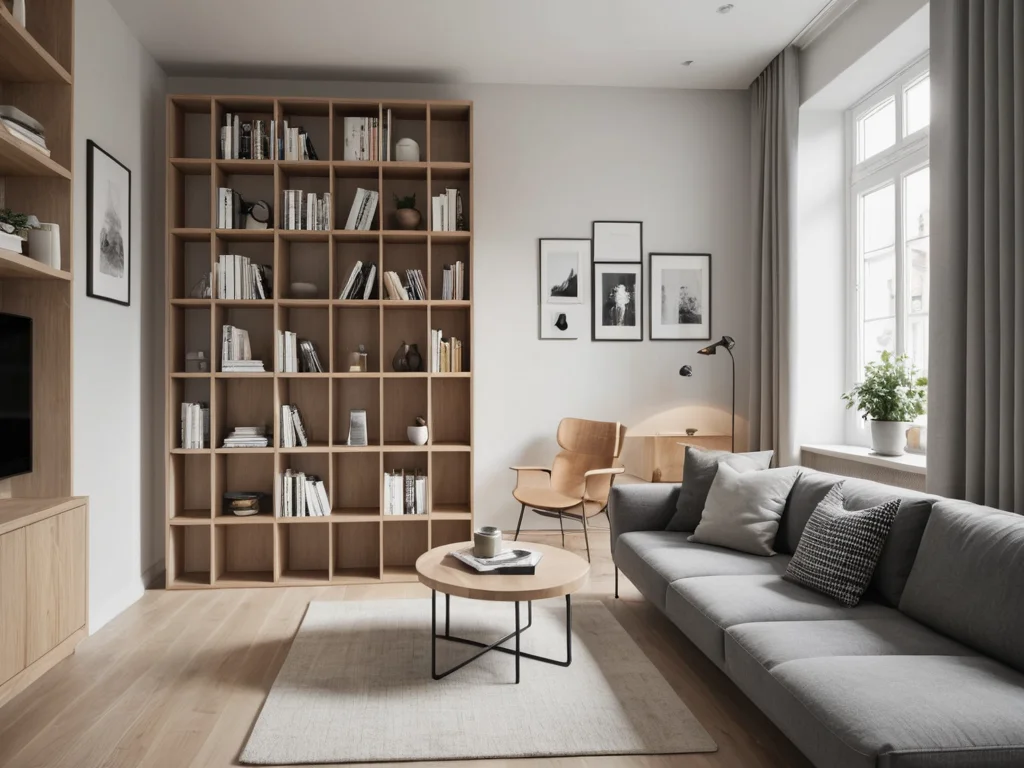
Choosing a bookshelf is not just a matter of aesthetics but also practicality. To ensure your new book companion brings you joy for years to come, consider several key aspects: materials, sizes, and construction type.
Materials:
- Solid wood (oak, ash, pine, beech): A classic, noble, and durable material. Solid wood adds coziness and status to an interior. However, it requires careful maintenance, can be sensitive to humidity and temperature fluctuations, and is one of the most expensive options. Solid wood furniture is known for its strength and eco-friendliness.
- MDF and Particleboard: More budget-friendly and common materials. MDF, made from finely dispersed wood particles, is stronger and more eco-friendly than particleboard. Particleboard (chipboard) is the most affordable option but is less durable and can release formaldehyde, so it’s important to choose products with emission class E1. Both materials are often veneered, laminated, or coated with film to imitate wood textures or other materials, expanding design possibilities.
- Metal (steel, cast iron, aluminum): Often used for creating frames or entire structures. Metal shelves are characterized by their strength, wear resistance, and ability to withstand heavy loads. They fit perfectly into loft, industrial, and minimalist styles. They can appear bulky if made of massive metal, but modern technologies allow for very light and elegant designs.
- Glass: Used for shelves or decorative elements. Glass shelves give shelving an airy and light feel, visually expanding the space. However, glass requires careful handling as it is fragile. It’s important to choose tempered or thick glass.
- Combined materials: Shelving units often combine wood/MDF with metal, glass with wood, allowing for interesting design solutions and the combination of advantages of different materials.
Sizes:
When choosing the size of a bookshelf, consider:
- Room dimensions: Too large a shelf can “eat up” space in a small room, while too small a one can get lost in a spacious living room.
- Number of books and items: Estimate how many books and other items you plan to display. Standard shelf depth for books is 20-30 cm, height is 25-35 cm, and width is 60-80 cm.
- Ceiling height: Tall shelves reaching the ceiling maximize vertical space but can look bulky in rooms with low ceilings.
- Ease of access: All shelves should be easily accessible. Shelves that are too high or too deep can be inconvenient to use.
Construction Types:
- Open shelves: The most common type. The absence of doors and a back panel makes them light, airy, and easy to access books. However, books and items on them are susceptible to dust.
- Closed shelves (cabinets with shelves): Have a back panel and/or doors (glass or solid). They protect books from dust and prying eyes but appear more massive.
- Modular shelves: Consist of individual sections that can be combined in various configurations, creating unique storage systems. This is an excellent option for those who like to change their interior or plan to expand their book collection.
- Corner shelves: Allow for efficient use of space in room corners, which often remains unused.
- Wall-mounted (console) shelves: Attach to the wall and create the effect of floating shelves. Ideal for small spaces as they don’t take up floor space.
- Ladder shelves: Vertical shelves with shelves of varying widths and depths, resembling a ladder. They look original and add dynamism to the interior.
- Transformer shelves: Can change their shape or purpose, for example, transforming into a table or a seat.
When choosing, it’s important to consider not only the appearance but also the quality of assembly, the reliability of fastenings, and hardware. Be sure to check if the shelf is stable, especially if you have children or pets.
Shelving in the Interior: 7+ Unconventional Ideas for the Living Room, Bedroom, and Even Kitchen
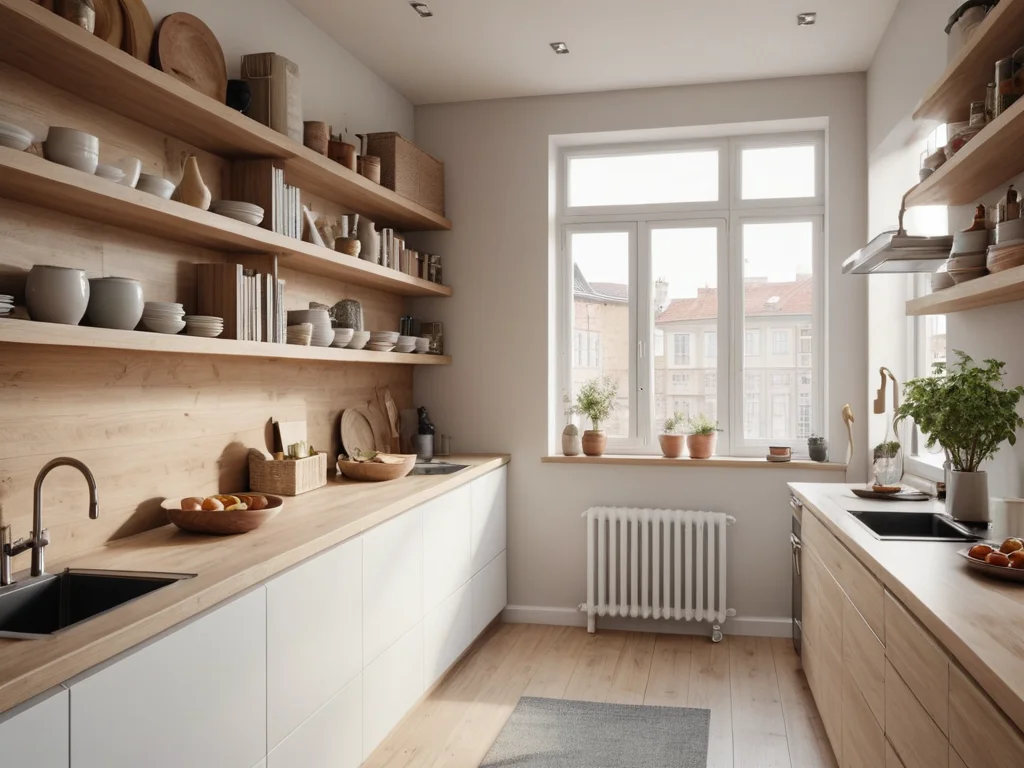
A bookshelf is much more than just shelves for books. It is a versatile tool that can transform any corner of your home, giving it character and functionality. Forget boring rows of books – let’s explore how to use shelving creatively:
- Living Room: The Central Hub
In the living room, a bookshelf can become not only a storage for books but also a place to showcase your individuality. Combine books with:
- Decorative items: vases, figurines, photo frames, souvenirs from travels.
- Green plants: add life and color, create coziness.
- Lighting: built-in lighting or small table lamps will highlight the composition.
- Decorative elements: candles, boxes, art objects.
Open shelves without a back panel visually lighten the space. You can use shelves of different shapes and sizes, creating asymmetrical compositions, or choose a massive shelf that becomes the focal point of the room.
- Bedroom: Coziness and Order
In the bedroom, a bookshelf can serve as a replacement for bulky bedside tables. A low shelf along the wall at the head of the bed, where you can place a lamp, a book, and your phone, will create a cozy atmosphere. A bookshelf can also be used to store bedding, blankets, or personal items if it has closed sections or drawers.
- Home Office: The Workspace
In a home office, shelving is a classic. It helps organize your workspace, store professional literature, documents, and stationery. Open shelves for books and closed sections for papers are an ideal combination of functionality.
- Children’s Room: Safety and Development
For a children’s room, choose shelves made of eco-friendly materials with rounded corners. Low shelves will allow the child to reach their favorite books and toys independently, fostering self-reliance. Use bright boxes or containers for small items to instill tidiness.
- Kitchen: Unusual Storage
In the kitchen, a bookshelf can be a stylish alternative to wall cabinets. Open shelves are ideal for storing beautiful dishes, spice jars, and cookbooks. It’s important to choose materials that are moisture-resistant and easy to clean. Metal or specially lacquered wooden shelves are an excellent choice.
- Hallway: Functionality at the Entrance
In the hallway, a bookshelf can serve as a place to store shoes, bags, keys, and mail. Combine shelves for books with hooks or small drawers. This will help create order and coziness right at the entrance to your home.
- Space Zoning
A shelf without a back panel is an ideal element for zoning. It divides a large room into functional areas (e.g., living room and dining room in a studio) without blocking light or cluttering the interior. Place books, decor, and plants on it – and you’ll get a light but distinct partition.
- Vertical Greening
Use a bookshelf as a base for a vertical garden. Place pots with hanging plants on the shelves, creating a living green wall. This will add freshness and natural beauty to any interior.
- Shelving as an Art Object
Don’t be afraid to experiment with non-standard shelf shapes: asymmetrical, geometric, honeycomb, suspended. Such a shelf can itself become the main decoration of the room, even when almost empty.
The main rule is not to be afraid to experiment and adapt the shelving to your needs and style. After all, it is the details that create the atmosphere of a home.
How to Stylishly Decorate a Bookshelf: Secrets of Perfect Composition and Decor
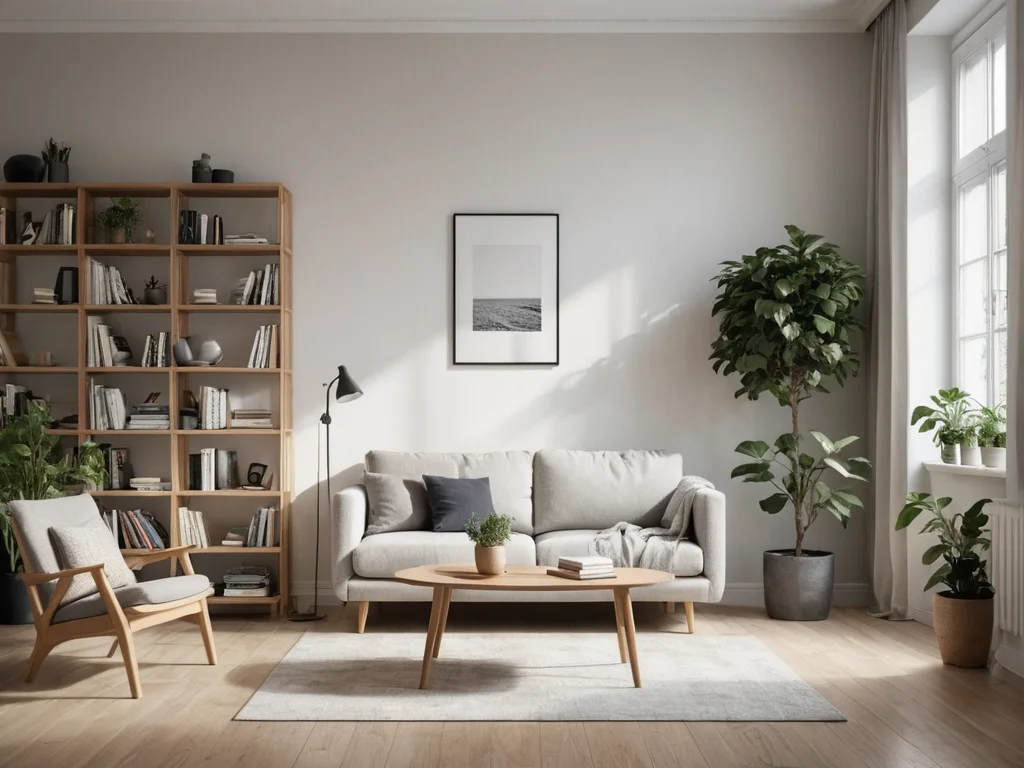
Filling a bookshelf is a true art that allows you not only to organize books but also to turn it into a stylish interior element. Proper composition and decor can transform even the simplest shelf, making it expressive and harmonious.
1. Organizing Books:
- By spine color: Arrange books by color scheme. This creates a rainbow or gradient effect, which looks very striking and modern.
- By size: Group books by height, creating rhythm. You can alternate horizontal and vertical arrangements.
- By genre or author: If functionality and easy access to the right book are important to you, organize them by thematic sections or alphabetically.
- Mixed approach: The most popular option is a combination of different methods. For example, the main body of books is arranged by genre, while a few rows are decorated by color for a decorative effect.
2. The “Rule of Thirds” and Balance:
Professional designers often use the rule of thirds, dividing a shelf into three imaginary parts. In each part, place either a group of books or a decorative element. It’s important to achieve visual balance: don’t overload one side of the shelf, leave “air.”
3. Using Decor:
- Variety of shapes and textures: Combine books with objects of different shapes (spheres, cubes, cylinders), materials (ceramic, metal, wood, glass), and textures (smooth, embossed, matte, glossy).
- Vertical and horizontal compositions: Don’t place all books strictly vertically. Alternate vertical stacks with horizontal ones. This adds dynamism and allows for more efficient use of space, for example, by placing decorative items on top.
- “Air” and empty space: Don’t fill every shelf to capacity. Leave free space so the composition can “breathe” and doesn’t look chaotic. Empty shelves or parts of them are also part of the design.
- Greenery: Small houseplants in pots will liven up the shelf, add color, and create a cozy feeling.
- Lighting: Built-in LED lighting or small designer lamps placed on shelves can effectively highlight books and decor, creating a cozy atmosphere in the evening.
- Personal stories: Photo frames with family pictures, souvenirs from travels, memorable trinkets – all these make the shelf unique and reflect your personality.
4. How to Avoid Mistakes:
- Avoid overcrowding: Too many books and decor on one shelf create a sense of chaos and clutter.
- Maintain proportions: Large decorative elements look better on wide shelves, and small ones on narrow ones.
- Color harmony: Try to ensure the decor harmonizes with the color of the books and the overall interior of the room.
- Functionality: Remember that a bookshelf is primarily intended for storing books. Decor should not hinder access to them.
Experiment, try different options, and your bookshelf will surely become a stylish decoration for your home!
Book Shelving: A Quick Care Guide and Tips to Extend the Life of Your Shelves
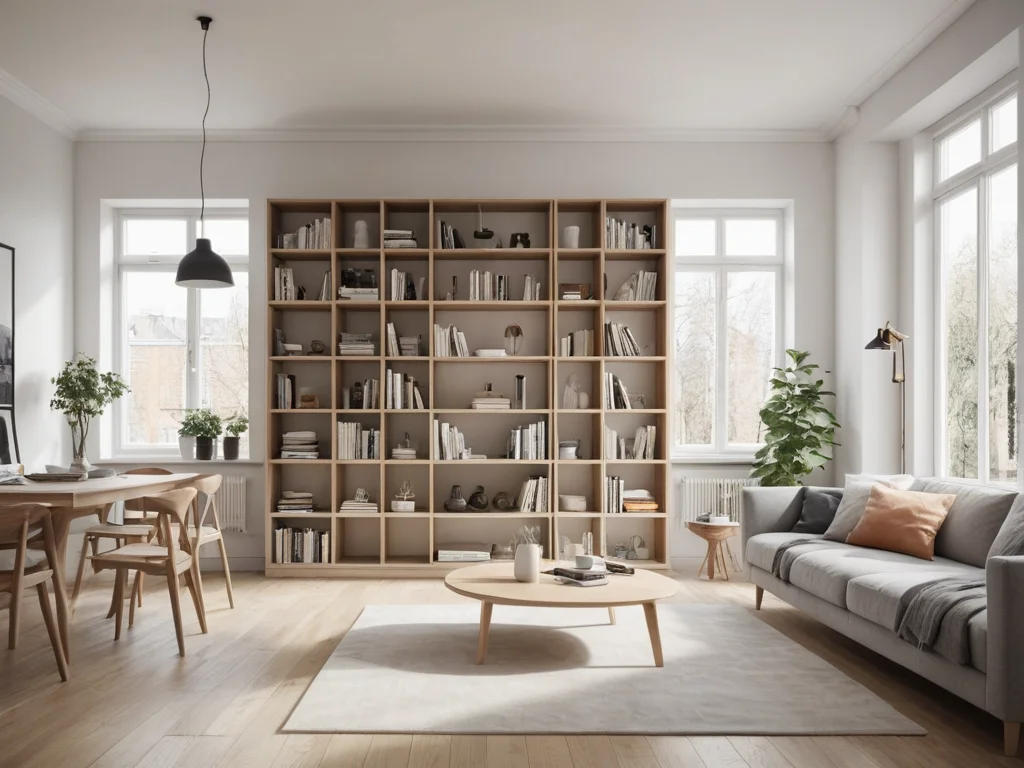
Proper care of your bookshelf will help maintain its attractive appearance and extend its lifespan, whether it’s solid wood, metal, or a modern composite material. Here are some basic recommendations:
1. Regular Cleaning:
- Dry cleaning: Weekly, wipe down the shelf surfaces with a soft dry cloth (microfiber is ideal) to remove dust. Pay special attention to shelves and visible parts of the structure.
- Damp cleaning: Once a month or as needed, wipe the shelf with a slightly damp cloth. Use clean water or a mild soapy solution. After damp cleaning, be sure to dry the surface thoroughly to avoid streaks or material damage.
2. Material Care:
- Solid wood: To maintain the shine and protect wooden surfaces, use special furniture polishes or waxes. Apply them in a thin layer and rub with a soft cloth along the wood grain. Avoid abrasive cleaners and excessive moisture, as they can damage the lacquer coating or the material itself.
- MDF and Particleboard: Surfaces covered with laminate or film are easily cleaned with a damp cloth. Avoid using solvents or aggressive chemical agents that can damage the coating.
- Metal: Metal parts usually do not require complex care. Wipe them with a damp cloth, and for stubborn stains, you can use special metal cleaners, following the manufacturer’s instructions.
- Glass: Clean glass shelves or inserts with a glass cleaner and dry them with a microfiber cloth to avoid streaks.
3. Protection from Damage:
- Avoid direct sunlight: Prolonged exposure to UV rays can lead to fading or deformation of materials, especially wood. Consider using curtains or blinds.
- Protect from moisture and temperature fluctuations: Do not place the shelf near heating appliances or under an air conditioner. Avoid getting large amounts of water on the surfaces.
- Limit load: Do not overload shelves beyond their maximum capacity. Distribute weight evenly. Information on maximum load is usually provided by the manufacturer.
- Use coasters: Place coasters under hot items or wet vases to avoid leaving marks on the surface.
- During assembly and moving: If you need to move the shelf, it’s best to empty it of its contents and, if possible, disassemble it. Move furniture carefully, avoiding bumps and scratches.
4. Inspection and Prevention:
- Check fastenings: Periodically inspect bolts, screws, and other fasteners. Tighten them if necessary to ensure the shelf remains stable and secure.
- Stability: Make sure the shelf stands level and does not wobble. If necessary, use adjustable feet or shims.
By following these simple rules, you can keep your bookshelf in excellent condition for many years, and it will continue to delight you with its functionality and aesthetics.