Русский
 Deutsch
 Українська
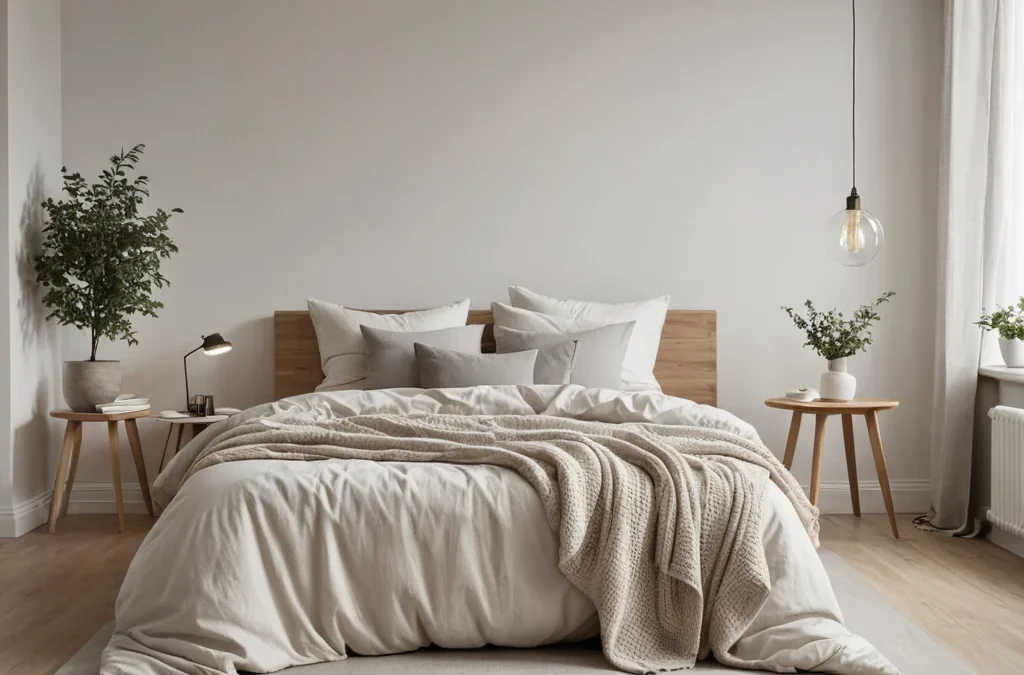
Summer is a time when we want to relax as much as possible and enjoy the warmth, but often hot weather becomes an obstacle to full rest. One of the key components of comfortable sleep during the summer months is a properly selected blanket. Its material, weight, and breathability directly determine whether your sleep will be refreshing or exhausting. In this article, we will delve into which materials are best suited for summer blankets, what their advantages are, and how to make the optimal choice so that each of your summer days begins with vigor and good mood. We will help you understand what to pay attention to when buying, so that your sleep becomes a true source of recovery.
Introduction: Why Choosing a Summer Blanket is Important for Comfort
The issue of choosing a summer blanket may seem insignificant at first glance, but experienced interior designers and sleep specialists know how critical it can be for overall comfort and well-being during the warm season. Unlike winter months, when the main task of a blanket is to retain heat, in summer it has to deal with completely different challenges: preventing overheating, ensuring air circulation, and creating a feeling of lightness and freshness. An incorrectly chosen blanket, even the most beautiful one, can lead to discomfort, sweating, restless sleep, and, as a consequence, to reduced performance and a bad mood the next day. People prone to allergies or with thermoregulation problems are particularly sensitive to sleep quality. Therefore, investing in the right summer blanket is, first and foremost, an investment in your health and well-being. It is believed that sleep quality directly affects all areas of life, and a summer blanket plays a far from minor role in this. We will examine the main materials, their properties, and provide recommendations that will help you make an informed choice.
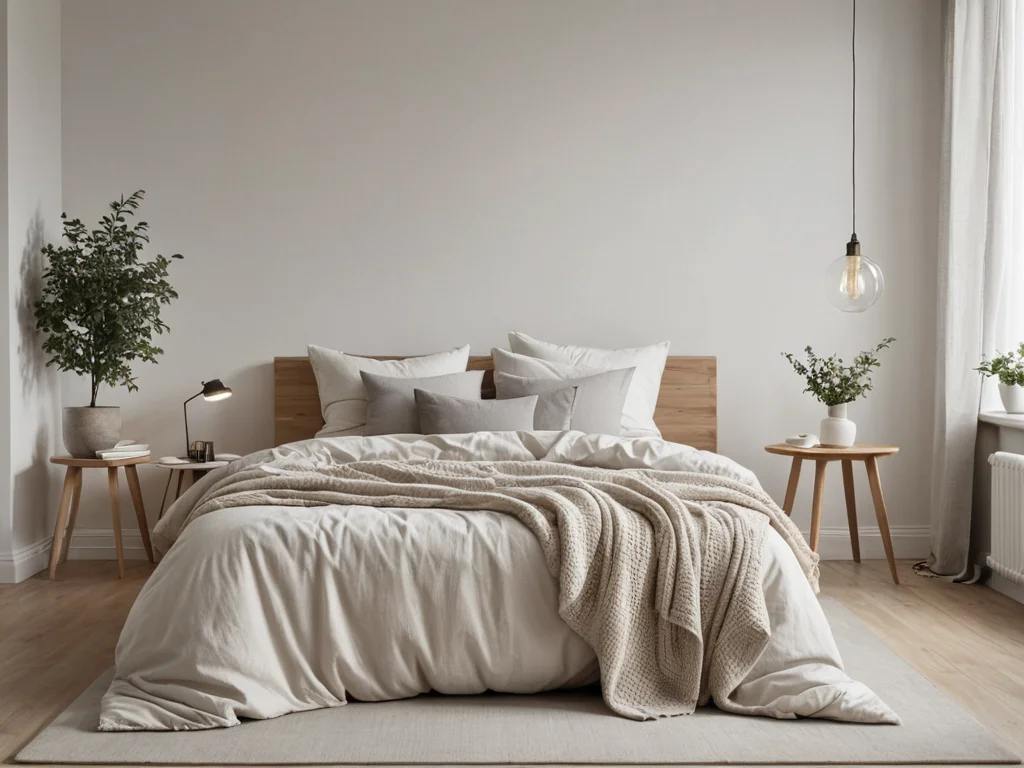
Overview of Summer Materials: From Cotton to Bamboo
The modern market offers a huge variety of materials for summer blankets, each with its unique properties. Understanding the features of each will help you decide on the optimal option. Interior designers often recommend paying attention to natural fabrics that have better breathability and moisture-wicking properties.
Cotton is one of the most popular and affordable materials. Summer blankets made of cotton, especially its varieties such as percale or sateen, are soft, pleasant to the touch, and have good breathability. Cotton can absorb moisture, which is important in hot weather, and still feels relatively cool to the touch. However, it is worth noting that 100% cotton can wrinkle and be somewhat heavier than other natural fibers.
Linen is another excellent natural material valued for its unique thermoregulation properties. Linen has exceptional breathability and moisture-wicking capabilities; it can cool the body in the heat and create a feeling of coolness. In addition, linen has antiseptic properties and is resistant to bacterial growth. Linen blankets are usually light and durable, although they may feel stiffer than cotton, especially at first. Linen becomes softer over time.
Bamboo fiber is a relatively new but rapidly gaining popularity material. Bamboo is known for its eco-friendliness and unique properties. Bamboo fibers have excellent breathability, moisture-wicking, and antibacterial properties. Bamboo blankets are very soft, silky to the touch, and have natural hypoallergenic properties, making them an ideal choice for people with sensitive skin and allergies. The material also has good thermoregulation properties, staying cool in the heat.
Silk is a recognized leader in the category of luxurious and comfortable materials. Natural silk is incredibly light, smooth, and has excellent breathability. It can wick moisture away from the body and regulate temperature, providing coolness in the heat and warmth in the cool. Silk is also hypoallergenic and resistant to dust mites. However, silk blankets are generally more expensive than other options and require more delicate care.
Microfiber (polyester) is a synthetic material often used as a filler or cover for blankets. Modern types of microfiber can be very light, soft, and breathable. Some manufacturers offer microfiber blankets with antibacterial treatment and enhanced breathability. The advantage of microfiber is its durability, ease of care, and low price. However, it is important to choose high-quality microfiber to avoid the “greenhouse effect.”
Blended fabrics often feature blankets that combine natural and synthetic fibers (e.g., cotton with polyester). Such fabrics can combine the advantages of both types of materials: being more durable, wrinkling less, and easier to care for, while maintaining good breathability and softness.
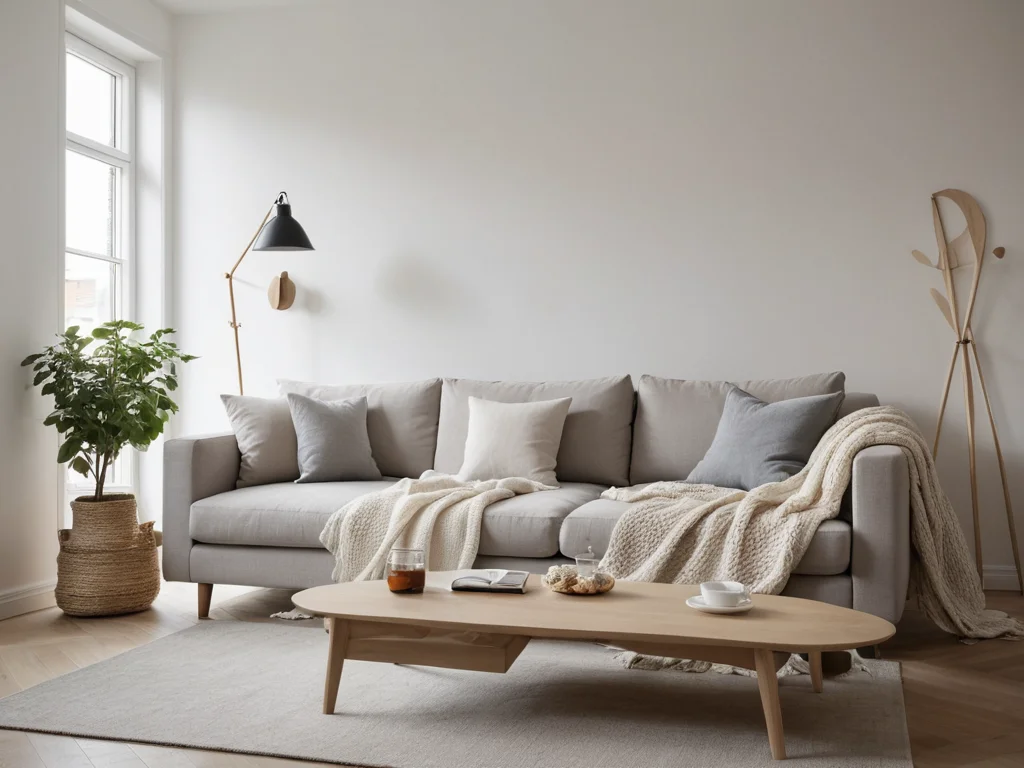
Benefits of Each Material: Breathability and Hypoallergenicity
When choosing a summer blanket, the key parameters to pay attention to are its breathability and hypoallergenic properties. These characteristics directly affect the quality of your sleep and overall well-being on hot nights.
Breathability is the ability of a material to allow air to pass through and wick away excess heat and moisture from the body. The better a blanket “breathes,” the less you will sweat, and the more comfortable your sleep will be. Natural materials such as linen, cotton, and bamboo generally outperform synthetics in this regard. They have a natural fiber structure that promotes free air circulation. Cotton, especially its varieties with a looser weave (e.g., percale), is highly breathable. Linen, due to its structure, provides excellent ventilation and a cooling effect. Bamboo fiber has a porous structure that promotes effective moisture wicking and air exchange. Silk, despite its smoothness, also has good breathability and helps regulate body temperature. High-quality microfiber can mimic these properties, but natural fibers often win in terms of natural feel.
Hypoallergenicity is the property of a material not to cause allergic reactions. For people prone to allergies, asthma, or with sensitive skin, choosing a hypoallergenic blanket is critically important. Natural materials such as silk and bamboo are considered the most hypoallergenic. Silk naturally repels dust mites and does not promote bacterial growth. Bamboo fiber also has natural antibacterial properties and is resistant to mold and dust mites. Cotton, especially organic cotton, is also a good choice, but pesticides may be used in its cultivation, so it is worth opting for certified organic materials. Linen has natural antiseptic properties, which also reduces the risk of allergic reactions. Synthetic materials, such as polyester, are usually not allergenic in themselves, but can accumulate static electricity and have poorer air permeability, which can indirectly affect the comfort of sensitive individuals. When choosing a blanket for allergy sufferers, always pay attention to relevant labels and quality certificates, such as Oeko-Tex.
Thermoregulation is another important advantage of natural materials. They can adapt to body temperature, creating a cooling sensation in the heat and maintaining comfortable warmth on cool nights. Linen and silk are particularly well-known for their thermoregulation properties. They help maintain optimal body temperature, preventing both overheating and overcooling. Cotton and bamboo also have good thermoregulation capabilities, although they may be less pronounced than linen or silk. By choosing a blanket with good breathability and thermoregulation, you ensure a peaceful and refreshing sleep throughout the summer night.
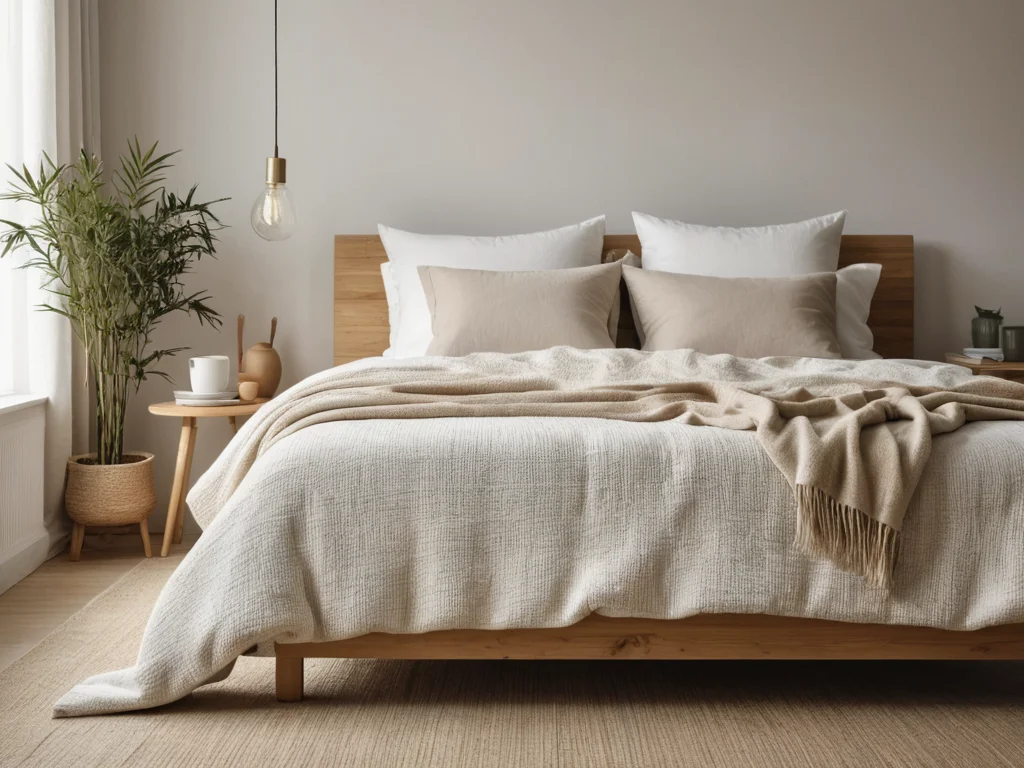
How to Choose the Perfect Summer Blanket: Size, Weight, and Care
Choosing a summer blanket is not only a matter of material but also of selecting the right size, assessing the weight, and understanding care requirements. These factors play an equally important role in ensuring your comfort.
Size: The blanket should match your bed size and preferences. Standard sizes include:
- Single: Usually around 140×200 cm. Suitable for a single bed or for those who sleep alone.
- Twin/Full: Around 150×210 cm or 160×220 cm. A good option for a single bed with extra coverage or for a narrow double bed.
- Double: Usually 172×205 cm or 180×220 cm. Suitable for standard double beds.
- Queen/Euro: Around 200×220 cm. Provides good coverage for large double beds.
- King Size / Euro Maxi: 220×240 cm and larger. For very large beds where maximum coverage is needed.
It is important that the blanket is slightly larger than the mattress to fully cover you and not slip off during sleep. For couples who toss and turn frequently or have a habit of “pulling” the blanket, it is recommended to choose a blanket one size larger.
Weight (warmth level): Summer blankets are usually labeled as “light,” “all-season,” or have a gram per square meter (g/m²) indication. For summer, blankets with a rating below 200 g/m² are preferred.
- Very Light (up to 100 g/m²): Ideal for the hottest nights. These are often blankets made of thin cotton, silk, or bamboo.
- Light (100-200 g/m²): A versatile option for most summer nights, providing comfort and coolness.
Interior designers advise considering your region’s climate and your individual sensitivity to temperature. If you get cold easily, even in summer, you might want to choose a blanket closer to the upper limit of weight for summer models.
Care: Proper care will extend the life of your summer blanket and preserve its properties.
- Cotton: Most cotton blankets can be machine washed at 30-40°C. Avoid harsh bleaches. Tumble drying on low heat or air drying is preferred.
- Linen: Linen can also be machine washed at 30-40°C. It is not afraid of high temperatures, but to maintain softness, it is better to use delicate cycles. Linen does not like machine drying; it is better to dry it naturally, avoiding direct sunlight.
- Bamboo: Bamboo blankets usually require delicate washing at 30°C using mild detergents. Machine drying is not recommended; it is better to dry them horizontally to avoid deformation.
- Silk: Silk is the most delicate material. Dry cleaning or hand washing in cold water with special silk detergents is often recommended. Avoid wringing and machine drying.
- Microfiber: Easily machine washable at 40-60°C and tolerates low-heat tumble drying well.
Always follow the manufacturer’s instructions on the label. Regular airing of the blanket outdoors will also help keep it fresh.
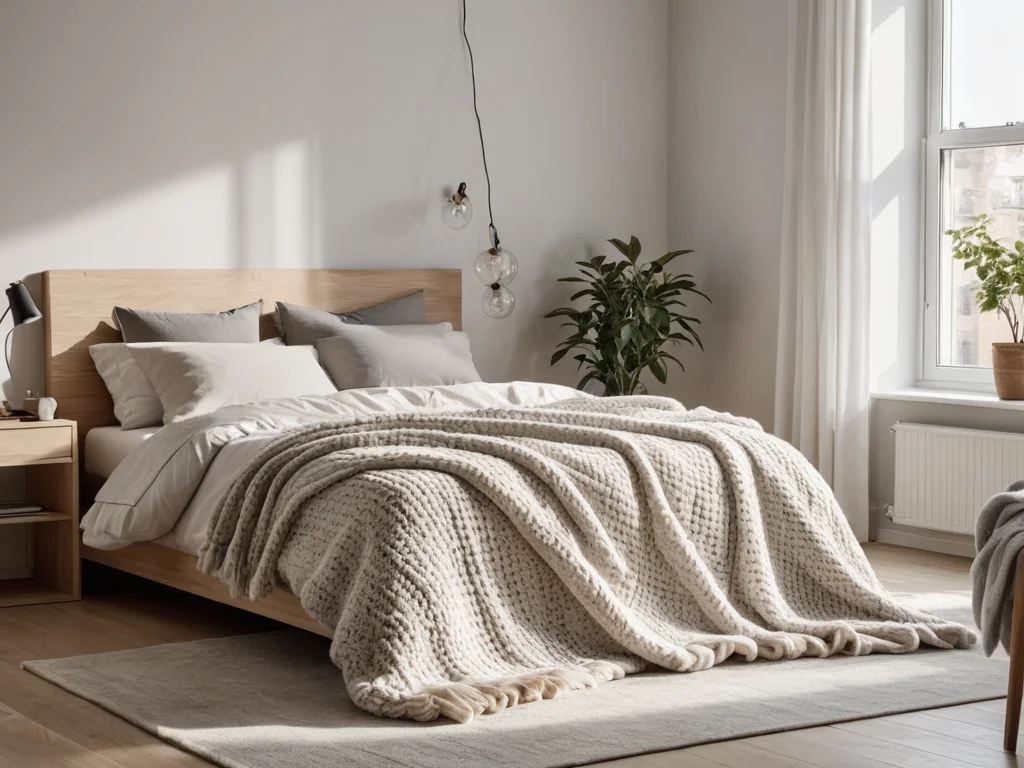
Conclusion: Creating the Ideal Microclimate for Summer Sleep
In conclusion, it can be confidently stated that choosing the right summer blanket is the key to your comfort and full rest during the warm months. We have reviewed the main materials – cotton, linen, bamboo, silk, and microfiber – each with its unique advantages. Natural fibers such as linen, bamboo, and silk stand out for their excellent breathability, moisture-wicking properties, and natural thermoregulation, making them an ideal choice for hot weather. They help maintain optimal body temperature, wick away moisture, and provide a cooling sensation. The hypoallergenic properties of silk and bamboo are particularly noteworthy, which is critical for people with sensitive skin and allergies.
When choosing, the correct size, corresponding to your bed and habits, and the optimal blanket weight, usually characterized by the g/m² indicator, are also important. Lightweight blankets with a low filling density (up to 200 g/m²) will provide maximum comfort in the summer heat. Don’t forget about care: by following the manufacturer’s recommendations, you can extend the life of your blanket and preserve its original properties.
Creating the ideal microclimate for sleep is a comprehensive approach, where the summer blanket plays one of the main roles. By investing in a quality, breathable, and comfortable blanket, you are investing in your health, well-being, and productivity. May your summer sleep be refreshing and restorative!