Русский
 Deutsch
 Українська
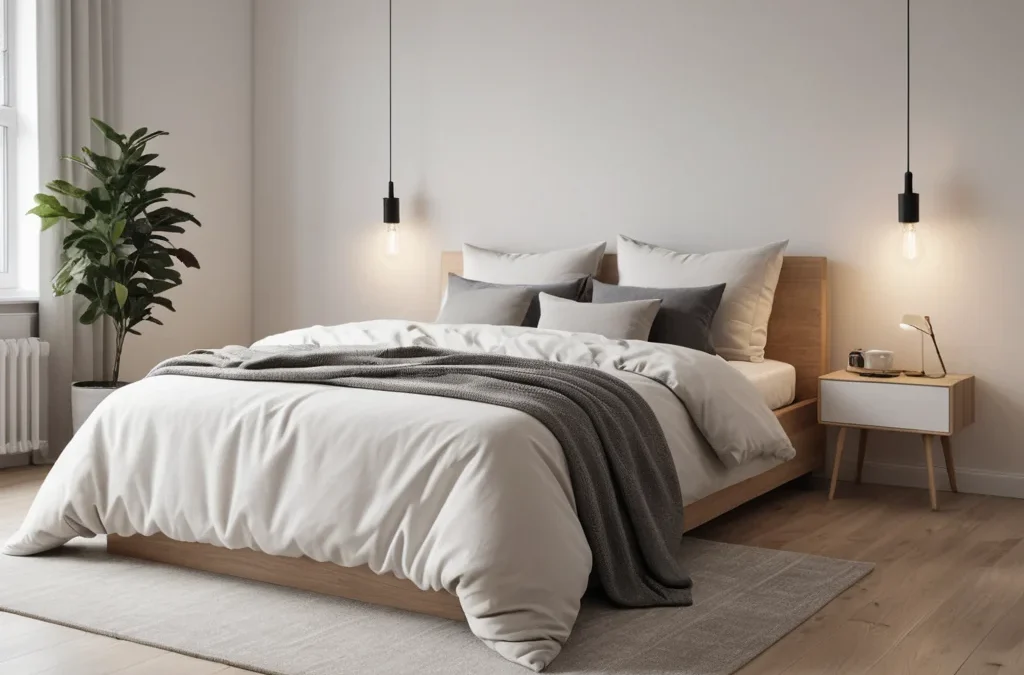
The dacha is a place where we strive to relax as much as possible, enjoy nature, and forget about the hustle and bustle of the city. And, of course, a comfortable rest at the dacha is impossible to imagine without the right textiles. Light blankets occupy a special place on this list. They provide a sense of coziness on cool evenings, protect from light drafts, and help create a unique atmosphere of a country house. At mebeltops.com, we know how important it is to make the right choice, so today we will talk about why light blankets are so indispensable at the dacha, what types exist, how to choose them, and how to care for them properly so that they serve you for a long time and delight with their appearance.
Why Light Blankets are the Ideal Choice for the Dacha: Comfort and Functionality
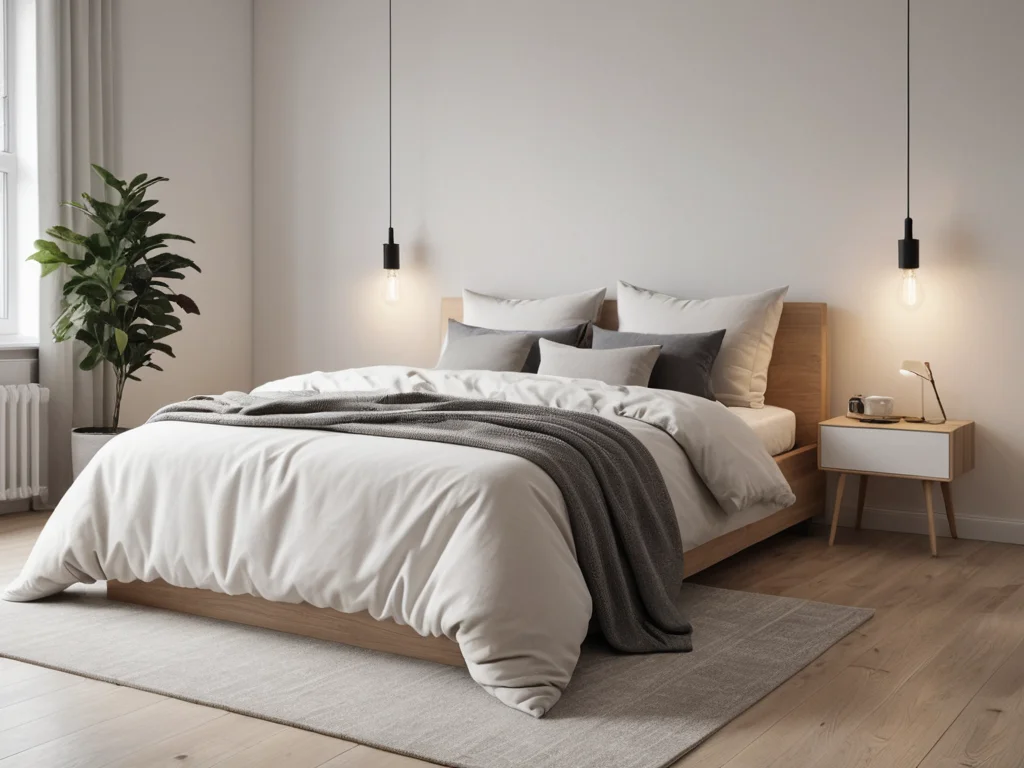
Summer nights at the dacha can be deceptively warm. As soon as the sun sets, the temperature can drop noticeably, and the light breeze that caressed you during the day can turn into a cool draft. It is in such moments that a light blanket becomes a real savior. It doesn’t weigh you down, doesn’t create a greenhouse effect, but effectively retains body heat, ensuring comfortable and restful sleep. Unlike heavy, warm blankets, which may only be appropriate in the coldest months, light options are versatile for most seasons spent at the dacha – from spring to autumn. They are also convenient to use as a throw in the living room, on the veranda, or even to take on a picnic. This is a practical solution that combines coziness and functionality, making your outdoor recreation truly enjoyable.
Interior designers often note that a light blanket can transform any space, adding coziness and individuality. At the dacha, where the atmosphere should be especially relaxed and conducive to rest, this element becomes key. It can become a bright accent on a sofa or bed, complement the overall style of the room, giving it a finished look. In addition to its aesthetic function, a light blanket also performs a purely practical role: it protects furniture from dust, prevents accidental soiling of bedding, and can also serve as an additional layer of comfort if you decide to take a nap outdoors during the day.
The functionality of light blankets for the dacha is also evident in their ease of care. Most models are easily washable, dry quickly, and do not require special storage conditions. This is especially important for a country house, where time is usually dedicated to rest, not complex item care procedures. Thus, a light blanket is not just a textile item, but an investment in your comfort, functionality, and aesthetic pleasure from staying at the dacha.
Types of Light Blankets for the Dacha: Choosing Material and Filling
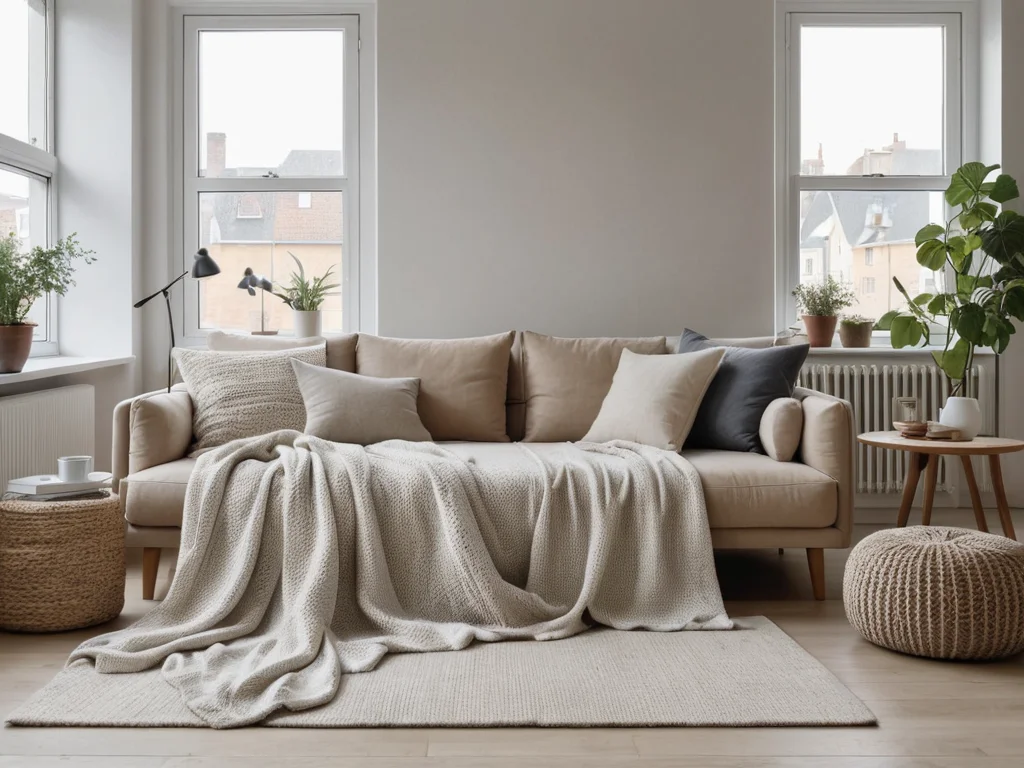
Choosing the right material and filling is a key step when buying a light blanket for the dacha. Its thermal properties, breathability, hypoallergenic properties, and durability directly depend on this. Let’s look at the most popular options that have proven themselves well in the conditions of country recreation.
Natural Fillings:
- Cotton: Cotton blankets are a time-tested classic. Cotton breathes well, is hypoallergenic, and is very pleasant to the touch. It is suitable for people with sensitive skin and allergies. Such blankets absorb moisture well and provide a comfortable microclimate. However, cotton fillings can be quite heavy and dry slowly after washing. They are best suited for use on warm summer nights.
- Linen: Linen blankets are an ideal choice for hot summers. Linen has excellent hygroscopic properties, meaning it absorbs moisture well and quickly releases it into the air, creating a cooling sensation. In addition, linen has antiseptic properties and is very durable. Such blankets are light, but at the same time warm well in cool weather. Caring for linen blankets is simple, they tolerate washing well and only become softer over time.
- Bamboo: Bamboo fiber is a modern and very popular material. It is incredibly soft, silky, and has excellent antibacterial properties. Bamboo also breathes well, is hygroscopic, and hypoallergenic. Bamboo blankets provide pleasant coolness in the heat and coziness in the cool. They are light, airy, and very pleasant to the body.
- Wool (thin): Although wool is associated with warmth, there are also light options, for example, made of merino wool or cashmere. Such blankets have excellent thermoregulation; they can warm in the cool but not overheat in the heat. Wool absorbs and evaporates moisture well, remaining dry to the touch. It is important to choose thin, light wool that will not cause discomfort.
Synthetic Fillings:
- Polyester (holofiber, synthetic padding): Synthetic fillings are a practical and affordable option. Polyester has good thermal insulation properties, it is light, voluminous, and dries quickly. Such blankets are easily machine washable, do not cause allergies, and quickly regain their shape after compression. Holofiber and synthetic padding are hollow fibers that create an air layer, providing warmth and comfort. For the dacha, this is an excellent choice, especially if you value ease of care and affordability.
- Microfiber: Microfiber is a very thin polyester fiber that makes the fabric incredibly soft, light, and pleasant to the touch. Microfiber blankets retain heat well, but at the same time allow air to pass through excellently. They do not accumulate static electricity and are easy to wash.
Cover Fillings (Top Fabric):
- Cotton: Dense cotton or sateen is an excellent choice for the cover. It is pleasant to the body, breathable, and durable.
- Polycotton: A blended fabric of cotton and polyester. It is stronger than pure cotton, wrinkles less, and dries faster, while retaining good breathable properties.
- Microfiber: A microfiber cover will be very soft and pleasant to the touch, but may be less breathable compared to cotton.
When choosing a light blanket for the dacha, designers recommend paying attention to the composition of the cover. It should be pleasant to the body and allow good air circulation so that you are comfortable even in the hottest weather. The combination of a natural filling (e.g., cotton or bamboo) with a breathable cotton cover is a classic that will always be relevant.
How to Properly Choose the Size and Density of a Light Blanket for the Dacha
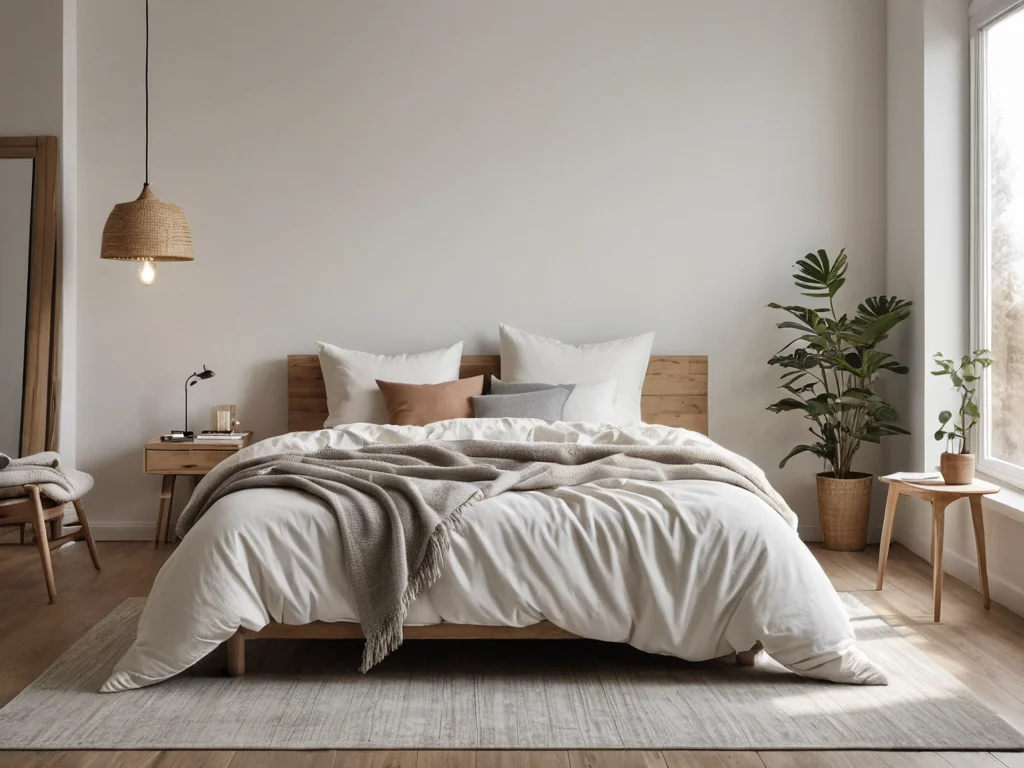
Choosing the right size and density of a light blanket is the key to your comfortable rest at the dacha. The wrong size can lead to the blanket slipping off the bed or, conversely, being too small, not covering you completely. Density directly affects the warmth and weight of the product.
Blanket Sizes:
- Single (140×205 cm, 150×210 cm): Ideal for one person, for a child’s bed, or a narrow single bed at the dacha.
- Twin (172×205 cm, 180×210 cm): A universal option that is suitable for a standard twin bed or for those who like their blanket to be a little larger.
- Double (200×220 cm): Suitable for a double bed or for those who prefer spaciousness and don’t like to share warmth.
- Queen (220×240 cm): The largest size, which is ideal for very large beds or for couples who love maximum space.
When choosing the size of a blanket for the dacha, consider the size of your bed or sofa. A good tip is to have the blanket hang slightly over the sides of the bed, creating a cozier and more finished look. For a standard single bed (90 cm wide), a twin blanket (170-180 cm wide) will be an excellent choice, providing sufficient coverage and a stylish appearance. For a double bed (140-160 cm), a double or queen blanket will be the optimal solution.
Blanket Density:
The density of a light blanket is usually measured in grams per square meter (g/m²) or indicated by seasonal labeling. For light blankets intended for the dacha, items with a density of:
- From 50 to 200 g/m²: Such blankets are considered light, all-season, or summer. They are perfect for use in the warm season, providing comfort without overheating. Depending on the filling, they can be very thin (for the hottest weather) or denser, but still remain light and breathable.
Designers advise choosing density based on your personal preferences and the climatic conditions of the region where your dacha is located. If the nights are cool, it’s better to choose a blanket with a density of about 200 g/m². If you are looking for an option exclusively for hot summer days, then a blanket with a density of 50-150 g/m² will be optimal.
It is also important to consider the cover material. A dense cotton cover can add a little weight and warmth, while a thin and light cover made of microfiber or polycotton will make the blanket even more airy.
Caring for Light Dacha Blankets: Simple Rules for Long Service
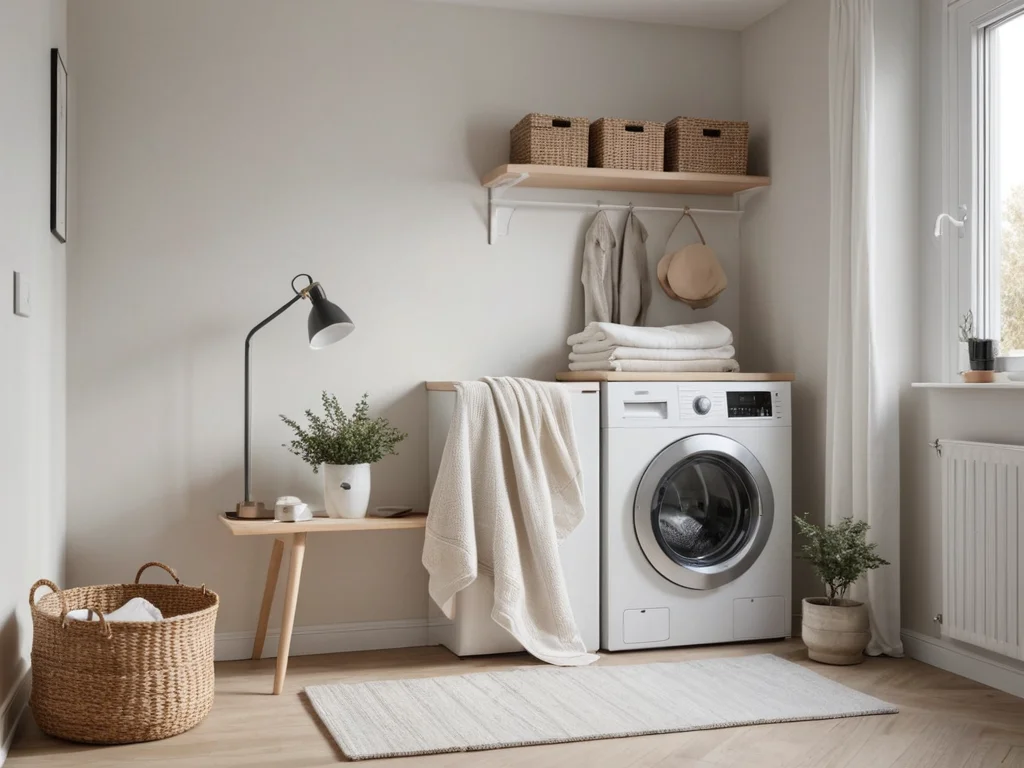
To ensure that your light blanket delights you with its comfort and appearance for many seasons, it is important to follow simple care rules. Proper care not only extends the life of the product but also helps preserve its original properties: softness, volume, and hypoallergenic properties.
Regular Washing:
- Frequency: Blankets should be washed approximately once every 3-6 months, depending on the intensity of use and the presence of allergies. At the dacha, where the air can be dustier, or if you are prone to allergies, more frequent washing may be required.
- Temperature: Always follow the instructions on the label. Most light blankets with natural fillings (cotton, linen, bamboo) prefer cool water (30-40°C). Synthetic fillings are also usually washed at low temperatures. Hot water can damage the fiber structure and cause shrinkage.
- Detergents: Use mild detergents, preferably liquid, without harsh bleaches and fabric softeners. Fabric softeners can reduce the hygroscopicity of natural fibers and impair the breathability of synthetics.
- Washing Cycle: A delicate or hand wash cycle is suitable for most blankets. If your washing machine has a large drum, you can use the cycle for bulky items.
Drying:
- Machine Drying: If the label allows machine drying, choose a low temperature and a delicate cycle. Frequent use of a dryer can lead to wear and tear of the fabric and fibers.
- Air Drying: This is the gentlest method. Lay the blanket flat on a horizontal surface (e.g., on a clothes drying rack), smooth it out to avoid wrinkles and lumps. Avoid direct sunlight, especially for colored blankets, as it can cause fading. It is best to dry the blanket in a well-ventilated room or outdoors in the shade.
- Fluffing: Periodically fluff the blanket during drying to ensure the filling is evenly distributed and does not clump.
Storage:
- Cleanliness: Store only clean blankets.
- Packaging: Store blankets in a dry, well-ventilated place. It is best to use cotton pillowcases, special fabric bags, or breathable covers. Avoid plastic bags, as they do not allow air to pass through and can promote mold growth.
- Ventilation: Periodically (at least once every few months), take the blankets out of storage so they can “breathe” and air out.
Additional Tips:
- Airing: Even if the blanket is clean, it is useful to take it outdoors for airing periodically. This will help refresh it and get rid of extraneous odors.
- Stains: When stains appear, try to remove them locally, using mild cleaning agents and a sponge, trying not to wet the entire filling.
- Inspection: Before the season starts or after long-term storage, carefully inspect the blanket for damage or soiling.
Following these simple recommendations will allow your light dacha blankets to remain soft, airy, and comfortable for years to come.
Stylish Solutions: How a Light Blanket Can Complement Your Dacha Interior
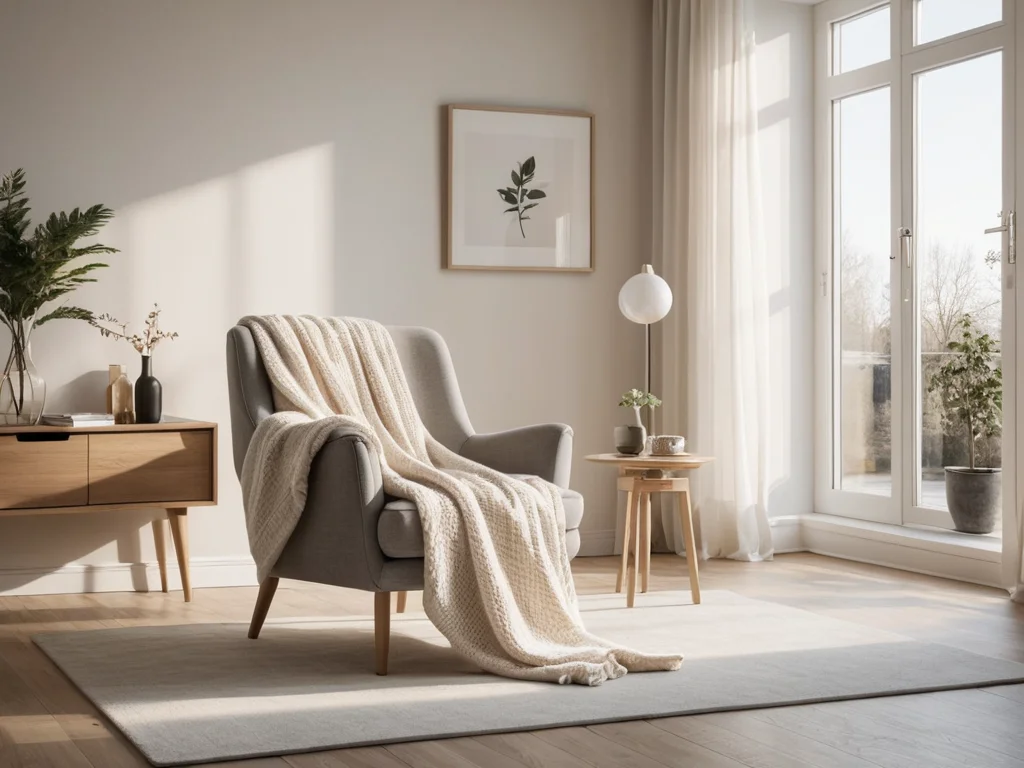
A light blanket is not only a functional item but also a beautiful decorative element that can transform your dacha interior, adding coziness, color, and individuality. Interior designers actively use textiles to create a complete and harmonious atmosphere, and a light blanket plays a significant role here.
Accent on the Bed or Sofa:
- Folded Blanket: Neatly folded and placed at the foot of the bed or on the armrest of the sofa, the blanket gives the room a finished look. Choose a blanket that harmonizes with the color scheme or, conversely, becomes a bright contrasting accent. For example, against a neutral sofa upholstery, a blanket with a geometric print or in a rich but pleasant shade will look great.
- Draped Blanket: Casually draped over the back of the sofa or the edge of the bed, it creates a sense of relaxation and invites you to rest. This technique is especially good for the dacha style, which values informality and naturalness.
- Use as a Bedspread: A light blanket with a beautiful texture or pattern can serve as an excellent substitute for a bedspread. It will protect the main upholstery from dust and fading, and also give the bedroom or living room a cozy look.
Color Palette and Textures:
- Natural Tones: For a dacha interior, blankets in natural shades – beige, cream, sand, olive, terracotta – are ideal. They create a calm and relaxing atmosphere.
- Bright Accents: If your dacha is decorated in a more restrained palette, a bright blanket can be that “tasty” addition. It will add cheerfulness and character. For example, a blanket with a floral print or in bright blue, yellow, or green shades will liven up even the simplest interior.
- Textures: Pay attention to the texture of the fabric. Knitted blankets, blankets with a relief pattern (e.g., quilted with a “patchwork” or “plaid” pattern), or blankets made of soft microfiber will add volume and tactile richness to the interior.
Multifunctionality:
- Picnic Blanket: A light and compact blanket will always be useful for outdoor gatherings. Choose models that are easy to clean and are not afraid of moisture.
- Decorative Pillows: From fabric scraps or from separately purchased fabric, you can sew stylish decorative pillows that will echo the style of your blanket, creating a unified composition.
- Curtains or Draperies: In some cases, especially with a creative approach, a light blanket with an interesting print can be used to create improvised curtains, draperies, or even furniture covers, giving the dacha a unique and inimitable look.
When choosing a light blanket for the dacha, don’t be afraid to experiment with color, texture, and size. Remember that textiles are one of the easiest and most effective ways to refresh an interior and make it truly cozy and stylish. A light blanket, chosen according to your preferences and interior features, will become not only a source of comfort but also an important decorative element that emphasizes the atmosphere of your country house.