Русский
 Deutsch
 Українська
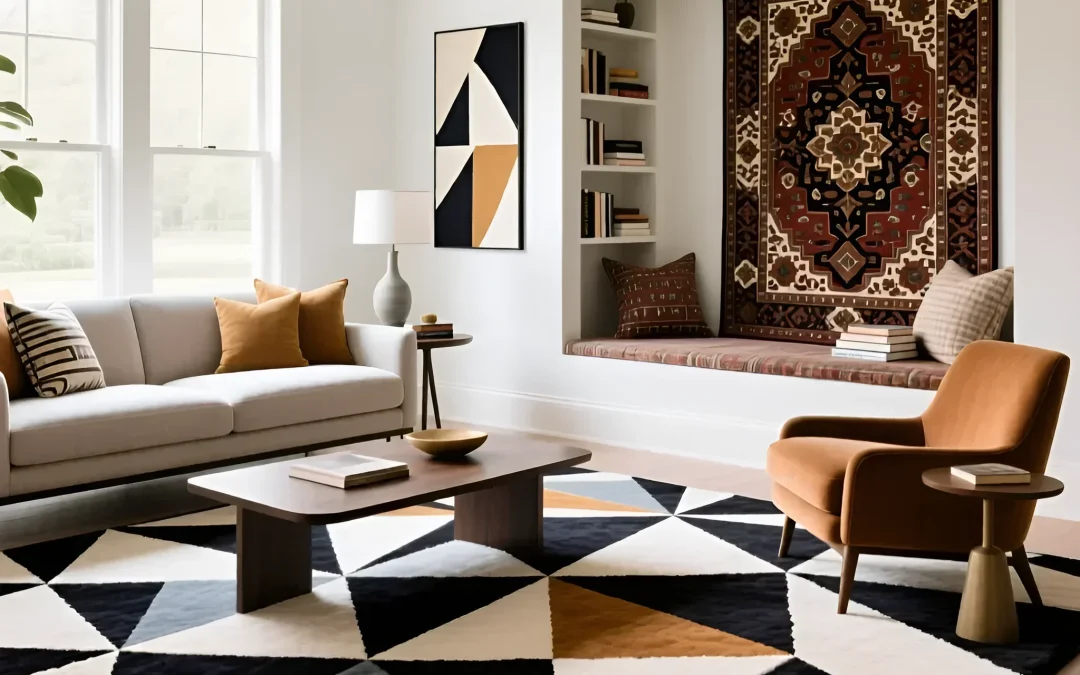
A rug is more than just a decorative element. It’s a powerful zoning tool, an acoustic barrier, and a key stylistic accent that can either bring an entire interior together or completely disrupt its harmony. Choosing the right rug requires attention to three critical parameters: size, material, and the compatibility of color/pattern with your furniture. As experts from mebeltops.com, we have prepared a comprehensive guide to help you avoid costly mistakes and find the perfect floor covering that will last for decades.
Types and Styles of Rugs: From Classics to Modern Solutions
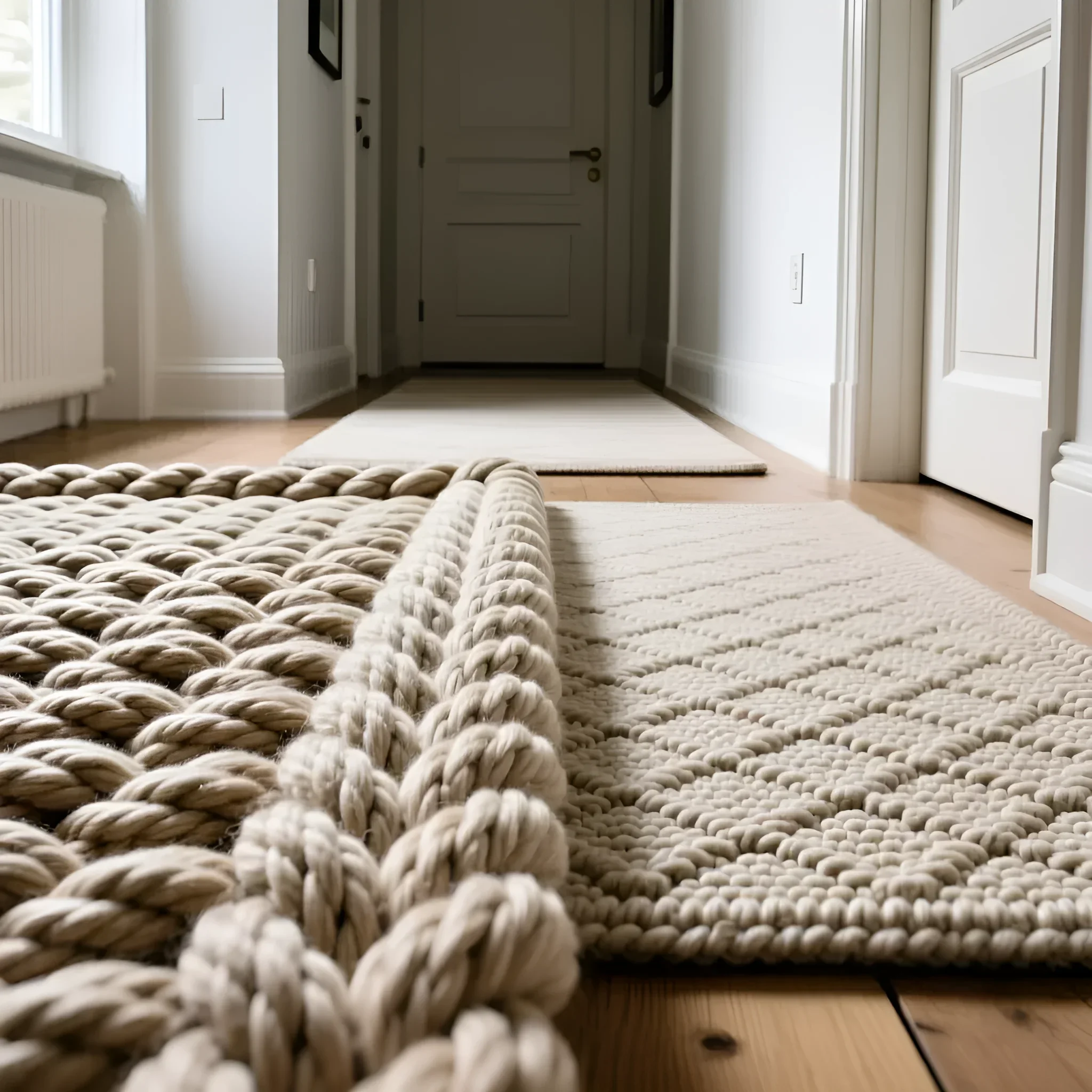
Before discussing size or color, it’s essential to understand construction and style directions. The manufacturing technology directly affects the durability and appearance of the product.
Classification by Manufacturing Technology
- Woven: These are traditional, most durable rugs where the pile and foundation are interwoven simultaneously. This category includes classic Persian, Turkish, and Indian rugs. They are double-sided (though the reverse side is less decorative) and have high density.
- Tufted: The most common and affordable type. The pile is punched through a pre-made backing and then secured with latex adhesive. They are less durable than woven rugs but allow for complex relief patterns. Note: The quality of a tufted rug critically depends on the quality of the adhesive and backing.
- Needle-Punched: Primarily used for commercial spaces or carpet tiles. They don’t have a pile in the traditional sense, are very durable, but are rarely used in residential interiors due to minimal decorative appeal.
- Flocked: Created by electrostatically spraying fibers onto an adhesive base. They produce a very short, velvety pile. Ideal for wet areas (bathroom, kitchen) as they are easy to clean.
Stylistic Types
The choice of style should match the overall concept of the room:
- Classic and Oriental: Characterized by high density, intricate medallions, and floral ornaments. Ideal for interiors in classic, art deco, or traditional styles.
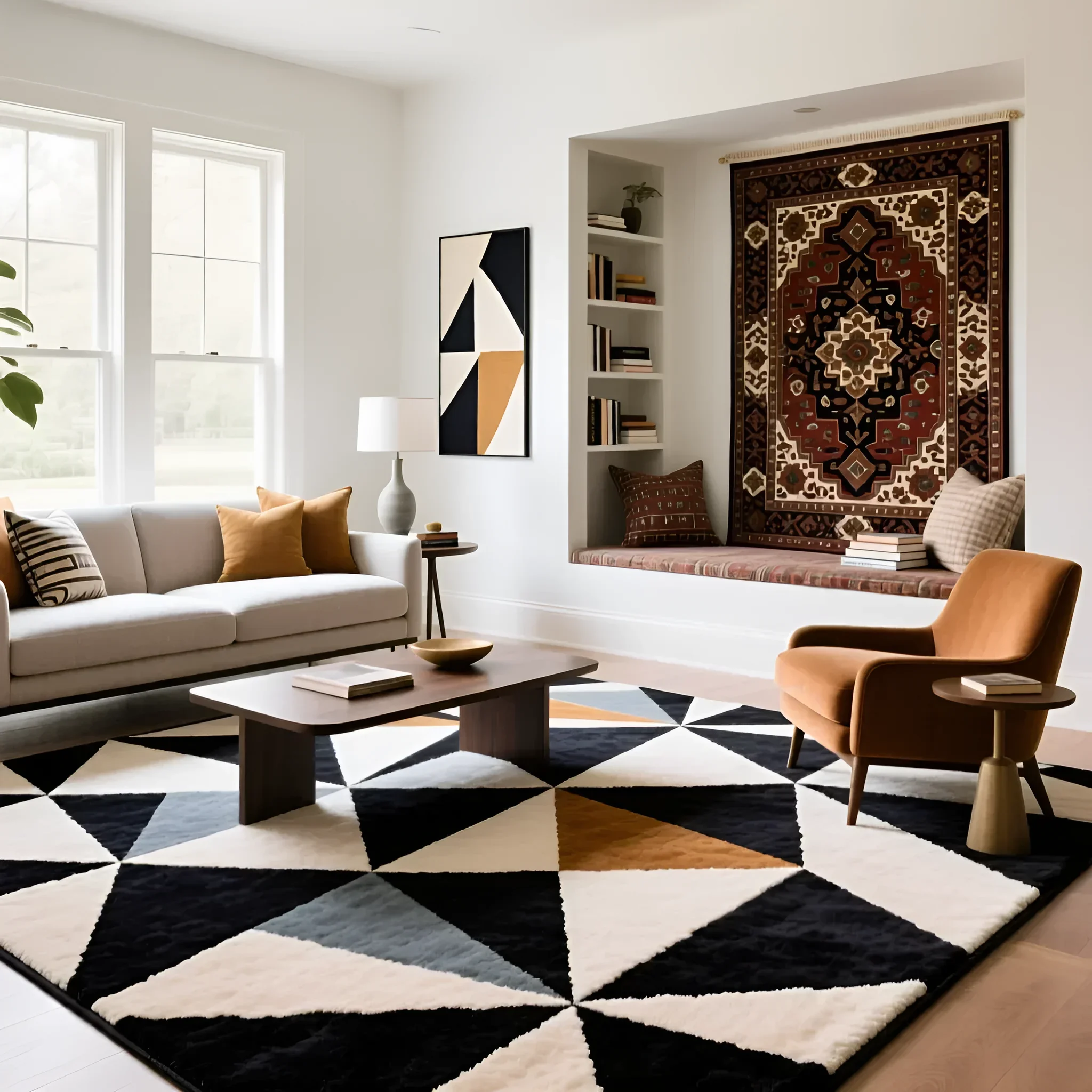
- Modern (Abstract): Geometric patterns, bold color blocks, or monochrome options. Perfectly suited for minimalism, loft, or Scandinavian styles.
- Shaggy: Rugs with very high and loose pile (from 30 to 70 mm). They create a sense of coziness but require more careful maintenance and are not recommended for high-traffic areas (e.g., hallways).
- Scandinavian/Berber: Often feature neutral colors (cream, gray, black) and simple geometric or diamond patterns. Usually made of wool or cotton and are characterized by high density.
Rug Materials: Natural vs. Synthetic – What to Choose for Your Home
The material determines the price, tactile sensations, durability, and care requirements. The choice should be based on the intended load on the rug.
Natural Fibers
- Wool: Advantages: High durability (lifespan of 20-50 years), excellent thermal and sound insulation, natural elasticity, fire resistance. Disadvantages: High price, tendency to shed in the first few months of use (especially New Zealand wool), sensitivity to moths and moisture. Practical Tip: Choose wool rugs with a knot density of at least 300,000 per square meter for optimal longevity.
- Silk: Advantages: Incredible shine, softness, high strength with minimal thickness. Disadvantages: Extremely high price, very complex care (dry cleaning only), sensitivity to direct sunlight. Recommended only for low-traffic areas, such as bedrooms.
- Cotton: Advantages: Hypoallergenic, lightweight, washable (for small rugs). Often used for flat, pile-less rugs (kilims). Disadvantages: Low elasticity, quickly flattens under heavy furniture, absorbs moisture.
Synthetic Fibers
Synthetics offer excellent durability and stain resistance, making them ideal for dining rooms and high-traffic living rooms.
- Polypropylene (Olefins): The most common and budget-friendly option. Advantages: Excellent stain resistance (almost non-absorbent), fade-resistant, antistatic. Disadvantages: Low elasticity (quickly flattens), moderate lifespan (5–8 years).
- Nylon (Polyamide): The leader in durability among synthetics. Advantages: High elasticity, recovers shape after pressure, abrasion-resistant (ideal for offices and hallways). Dyes well, allowing for bright, saturated colors. Disadvantages: More expensive than polypropylene.
- Polyester (PET): Often used for “Shaggy” rugs. Advantages: Soft, has a pleasant sheen, moisture-resistant. Disadvantages: Low resistance to greasy stains, quickly flattens.
- Viscose (Artificial Silk): A semi-synthetic fiber made from cellulose. Advantages: Mimics the shine of silk, affordable price. Disadvantages: Very sensitive to water (water stains are often indelible), low durability. Not recommended for hallways and dining rooms.
Comparative Durability Table (on a scale of 1 to 5):
| Material | Durability | Stain Resistance | Thermal Insulation |
|---|---|---|---|
| Wool | 5 | 3 | 5 |
| Nylon | 5 | 4 | 3 |
| Polypropylene | 3 | 5 | 2 |
| Viscose | 2 | 1 | 3 |
How to Choose the Ideal Rug Size: Rules for Zoning Space
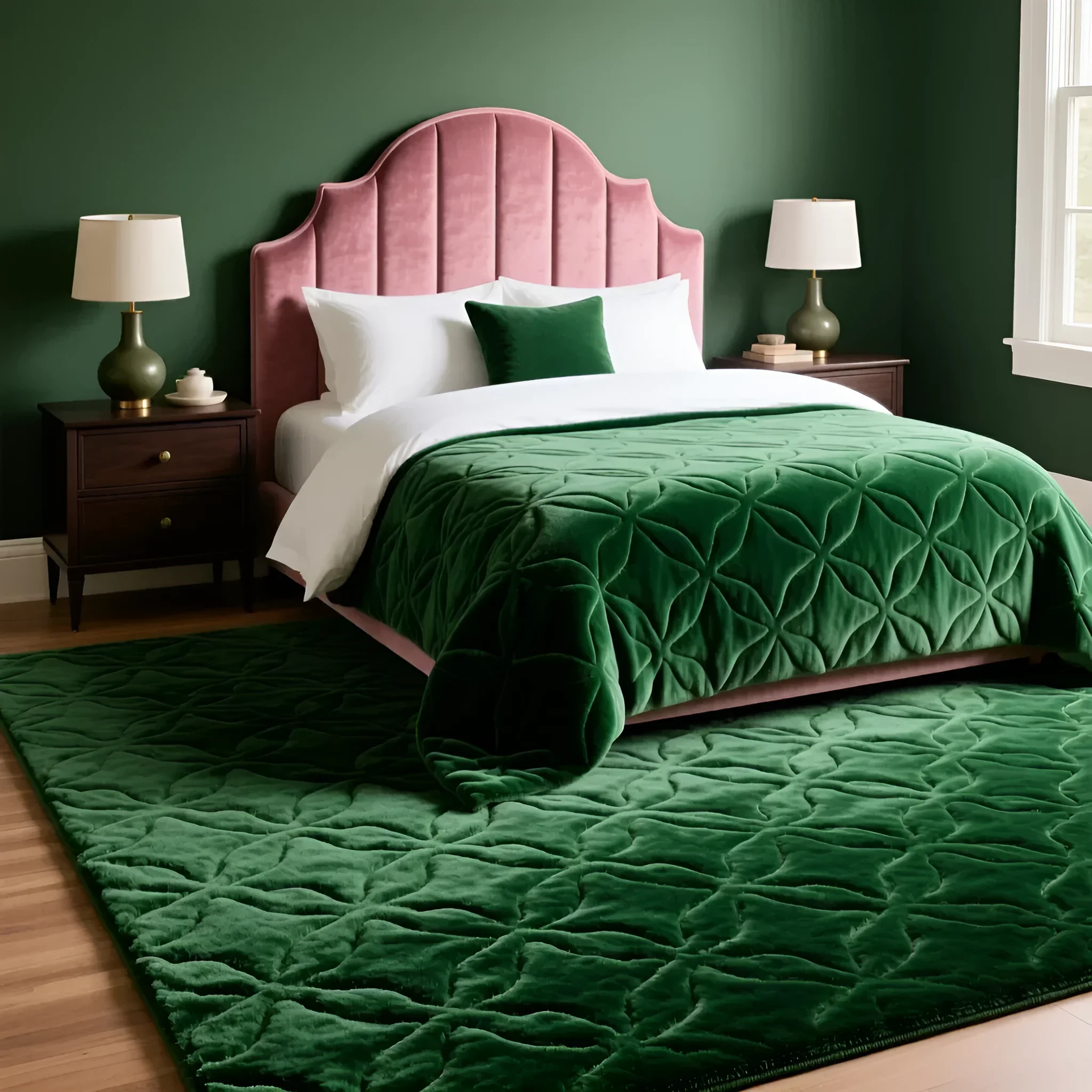
The most common and costly mistake when buying a rug is choosing one that is too small. A rug should anchor a furniture group, not be a small “patch” in the middle of the room. We use three main zoning rules.
Rule 1: Full Coverage
The rug completely accommodates all furniture in the zone. This creates a sense of luxury and completeness. Used in large living rooms or dining rooms.
- Living Room: The rug should extend beyond the sofa and armchairs by at least 15–20 cm on each side. If the sofa is 250 cm long, the rug should be at least 300 cm long. Typical sizes for medium living rooms: 240×340 cm or 300×400 cm.
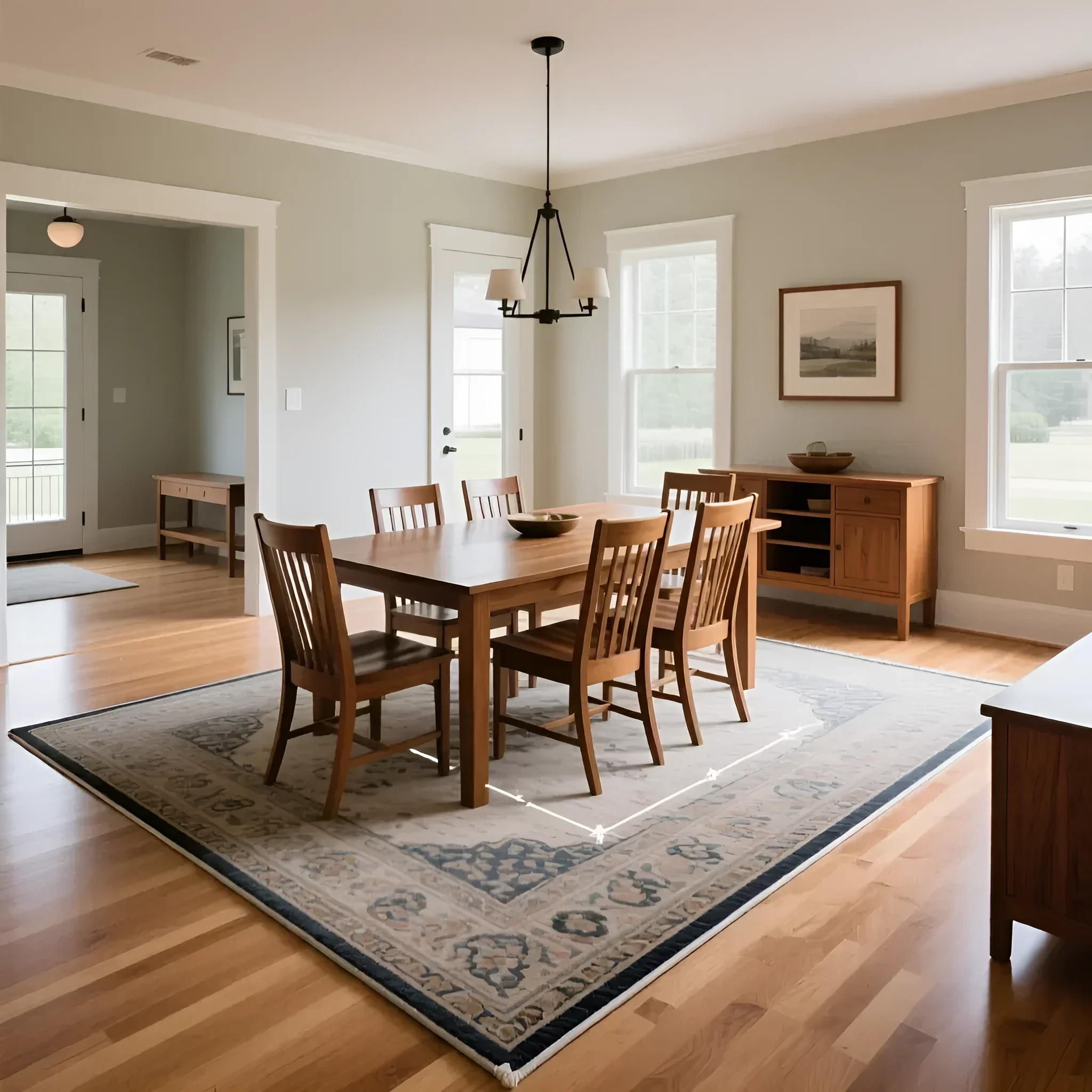
- Dining Room: The rug should be large enough so that when chairs are pulled away from the table, their back legs still remain on the rug. Add at least 60–70 cm to each side of the table’s length. If the table seats 6 people (180 cm), the rug should be around 280×360 cm.
Rule 2: Front Legs On
This is the most popular and economical approach for standard living rooms. The rug is placed so that the front legs of the sofa and all armchairs rest on it, “anchoring” the furniture.
- Size: Standard sizes are 200×300 cm or 230×330 cm.
- Placement: The rug should start under the sofa and extend completely under the coffee table. This visually unifies the seating area.
Rule 3: Floating Rug
The rug is placed only under the coffee table, with all other furniture resting on the floor. This is acceptable only in very small rooms or for accent rugs (e.g., sheepskin or hide). If you use this rule in a large room, the rug will look awkward and disproportionate.
Choosing Size by Room
- Bedroom: The rug should either fully accommodate the bed and nightstands (e.g., 280×380 cm for a King Size bed) or be placed perpendicular to the bed, extending from under it by 60–90 cm on each side and at the foot. Minimum size for a 160 cm bed: two 60×120 cm rugs on the sides.
- Hallway/Entryway: Runners are used. They should be 10–15 cm narrower than the hallway itself, leaving visible floor on the sides. The length should end at least 30 cm before the doorway.
Important: Always leave a “border” of bare floor (parquet, laminate) 30–50 cm wide between the edge of the rug and the wall to prevent the room from looking cluttered.
Color Palette and Pattern: Matching the Rug with Furniture and Interior Style
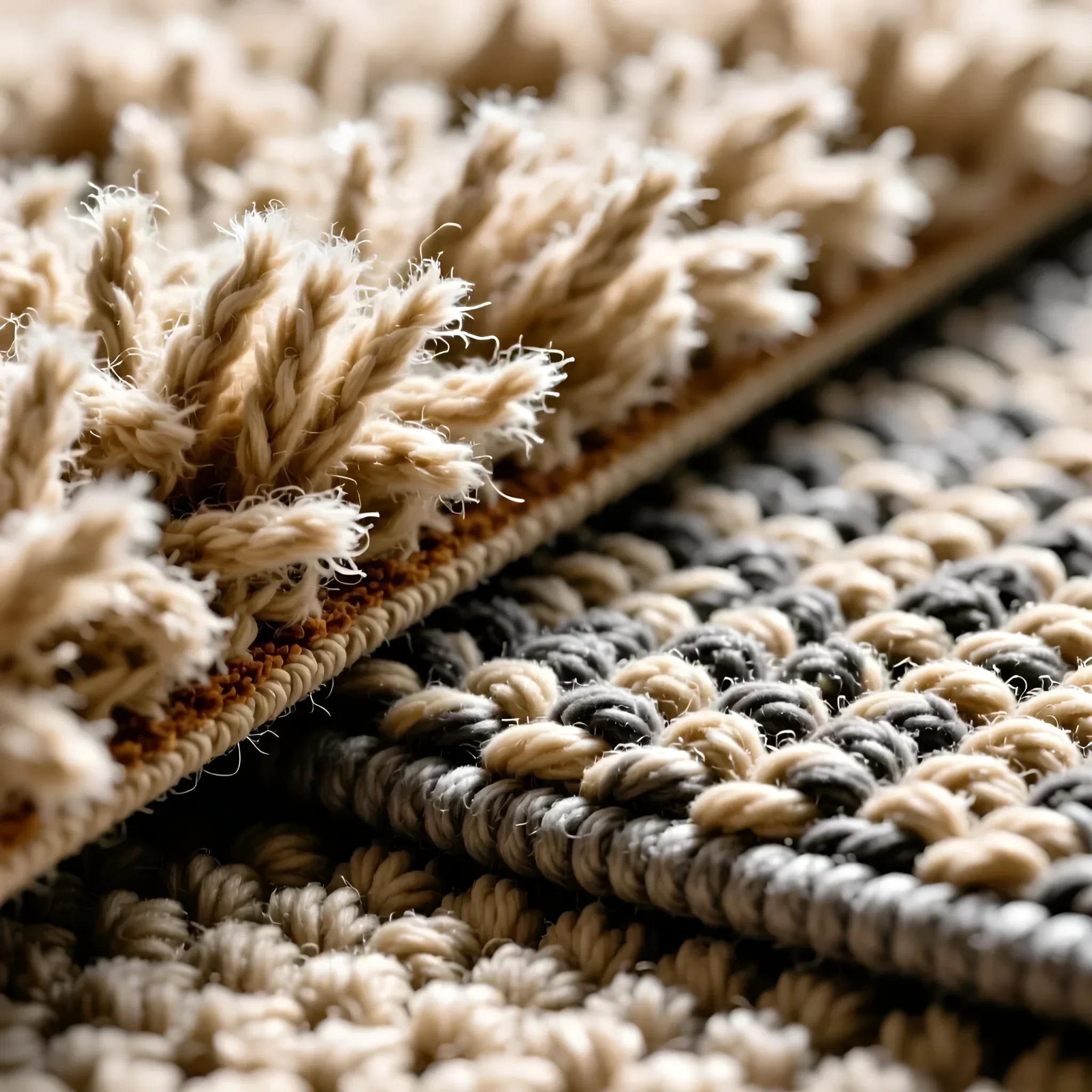
The color and pattern of a rug define the mood of the room. They can either be a harmonious continuation of the interior or its contrasting centerpiece.
Choosing a Color Scheme
There are two main approaches:
- Harmony (Low Contrast): The rug is chosen in the same color palette as the walls or large furniture, but a few shades lighter or darker. Example: A beige sofa, cream walls, a “baked milk” colored rug with a subtle gray pattern. This approach makes the room calm and visually larger.
- Accent (High Contrast): The rug becomes the central element, attracting attention. Example: Neutral furniture (gray, white) and a bright rug (blue, terracotta, with a geometric pattern). This approach is ideal if you want to add depth without changing expensive furniture.
Practical Matching Rules:
- Connection with Textiles: If you have decorative pillows, curtains, or paintings, use 2–3 colors from that palette in the rug’s pattern. This will “tie” the room together.
- Light Floor: If the floor is dark (wenge, walnut), a light rug will create contrast and make the room feel lighter. If the floor is light (ash, white oak), a dark rug will add depth.
- Color Functionality: In high-traffic areas (hallway, dining room), choose rugs with multi-colored or busy patterns. They effectively mask small stains and marks.
Working with Patterns
The pattern should match the scale of the room and furniture:
- Large Pattern: Requires space. If the room is small, a large pattern will “cut” the space. It looks good with simple, solid-colored furniture (e.g., a minimalist sofa).
- Small, Repeating Pattern (e.g., Persian): Ideal for traditional and eclectic interiors. It creates a sense of texture rather than strong contrast.
- Geometry: Stripes or diamonds can visually alter the proportions of the room. Horizontal stripes widen a narrow hallway, vertical ones make the room appear longer.
- Attention to Upholstery: If your sofa already has a complex pattern (e.g., floral or striped), choose a solid color or a very subtle, barely noticeable texture for the rug. Two strong patterns in one space create visual chaos.
Functional Features: How to Choose a Rug by Pile Height and Density
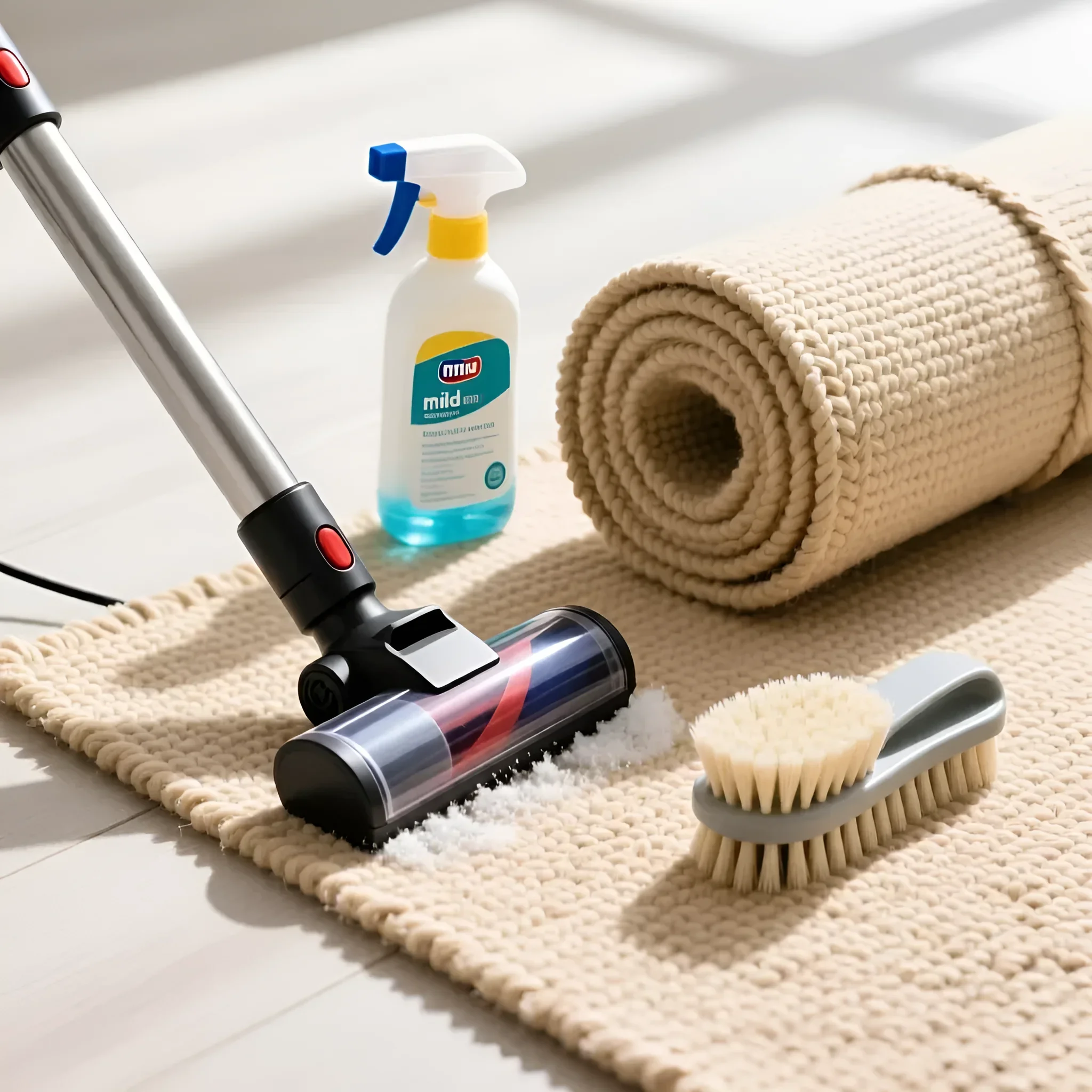
Pile height and density are technical characteristics that directly affect comfort, durability, and ease of care.
Pile Height (H): Comfort vs. Practicality
Pile height is measured in millimeters. The higher the pile, the softer the rug, but the harder it is to clean.
- Low Pile (up to 6 mm): Maximally practical. Easy to vacuum, doesn’t accumulate much dust. Ideal for dining rooms (chairs slide easily) and office spaces. Often these are flat-weave kilims or commercial carpets.
- Medium Pile (6–15 mm): An optimal balance between comfort and practicality. Suitable for most living rooms and bedrooms. If it’s wool, the pile will hold its shape well.
- High Pile (from 15 mm and above, “Shaggy”): Maximum comfort and sound absorption. Suitable for bedrooms or low-traffic relaxation areas. Note: Requires a powerful vacuum cleaner and is not recommended for allergy sufferers, as dust can easily accumulate in it.
Density: The Key to Durability
Density is the number of pile tufts (knots) per square meter. This is the most important quality indicator, especially for wool and acrylic rugs. The higher the density, the better the rug holds its shape, flattens less, and lasts longer.
- Low Density (up to 150,000 knots/m²): Budget polypropylene rugs. Wear out and flatten quickly.
- Medium Density (250,000 – 400,000 knots/m²): A good standard for synthetic and inexpensive wool rugs. Suitable for living rooms with moderate traffic.
- High Density (500,000 – 1,000,000 knots/m²): Premium wool and high-quality viscose rugs. They are heavy, resistant to pressure, and last for decades.
How to check density: Bend a corner of the rug. If you can easily see the backing (the fabric to which the pile is attached), the density is low. If the backing is almost invisible, the density is high.
Care and Maintenance: Secrets to the Longevity of Your Floor Covering
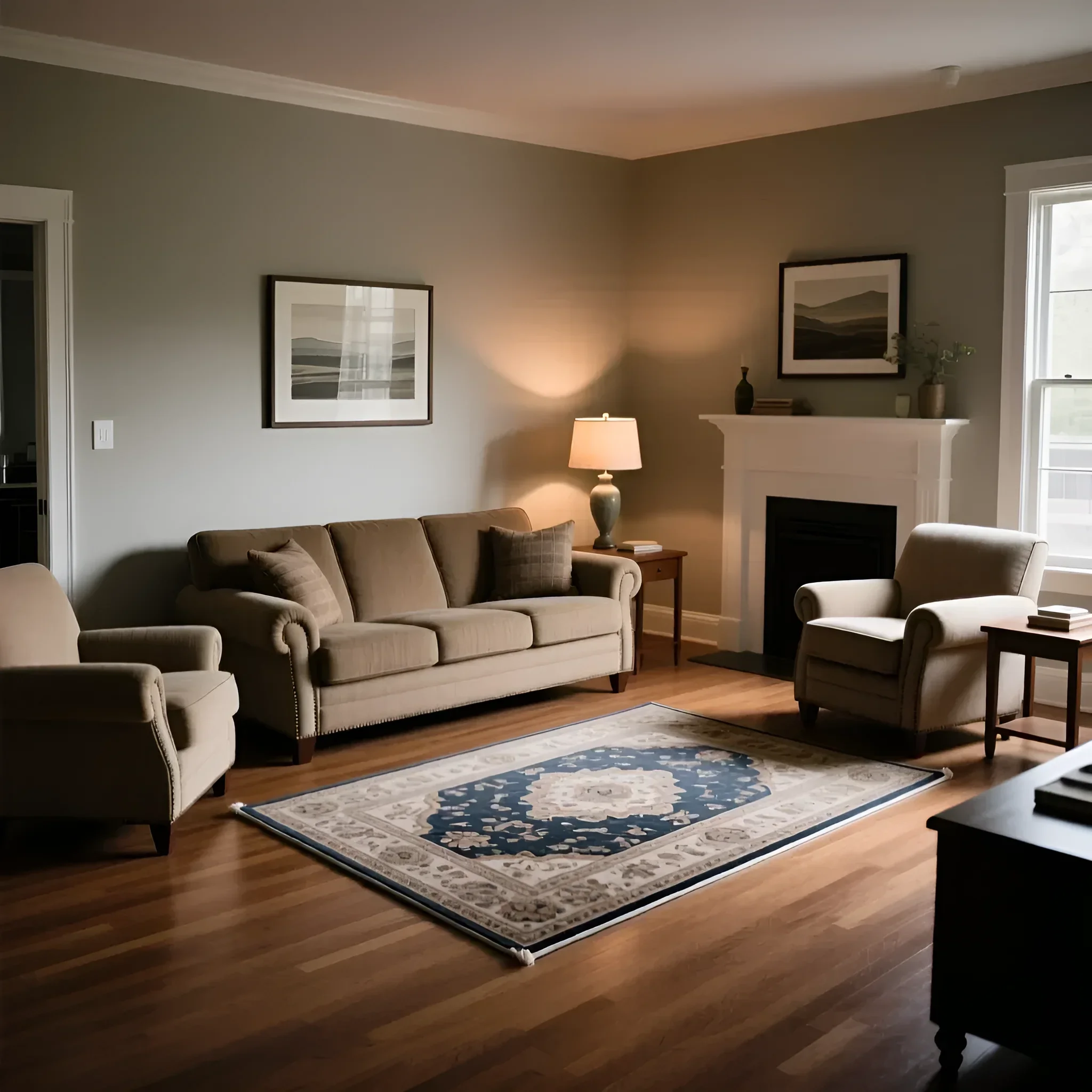
Even the most expensive rug will quickly lose its appearance if proper care is neglected. Regular cleaning and knowledge of material specifics are key to longevity.
Daily and Weekly Care
- Vacuuming: Rugs with medium and low pile should be vacuumed 1–2 times a week. High-pile rugs (Shaggy) require cleaning 3 times a week.
- Direction: Vacuum the rug first against the pile to lift dirt, then with the pile to lay it down.
- Sun Protection: If the rug is placed near a window, rotate it 180 degrees regularly (every 6 months) to prevent uneven fading.
- Furniture Protection: Use special pads or plastic protectors under the legs of heavy furniture. If an indentation does appear, place an ice cube on the spot; after it melts, blot the moisture and brush the pile.
Specific Cleaning by Material
- Wool: Wool repels water but absorbs grease. Use specialized dry cleaning agents or foam. Do not wet excessively, as wool dries slowly and can rot.
- Viscose: Absolutely do not use a large amount of water. Viscose loses strength when wet. Dry cleaning or professional cleaning only.
- Synthetics (Nylon, Polypropylene): Most resistant to wet cleaning. Wet vacuum cleaners and universal stain removers (chlorine-free) can be used.
- Wool Shedding: If your new wool rug is shedding (losing small tufts of pile), this is normal for the first 3–6 months. Just vacuum it more often without using rotating brushes.
TOP 5 Mistakes When Choosing a Rug and How to Avoid Them
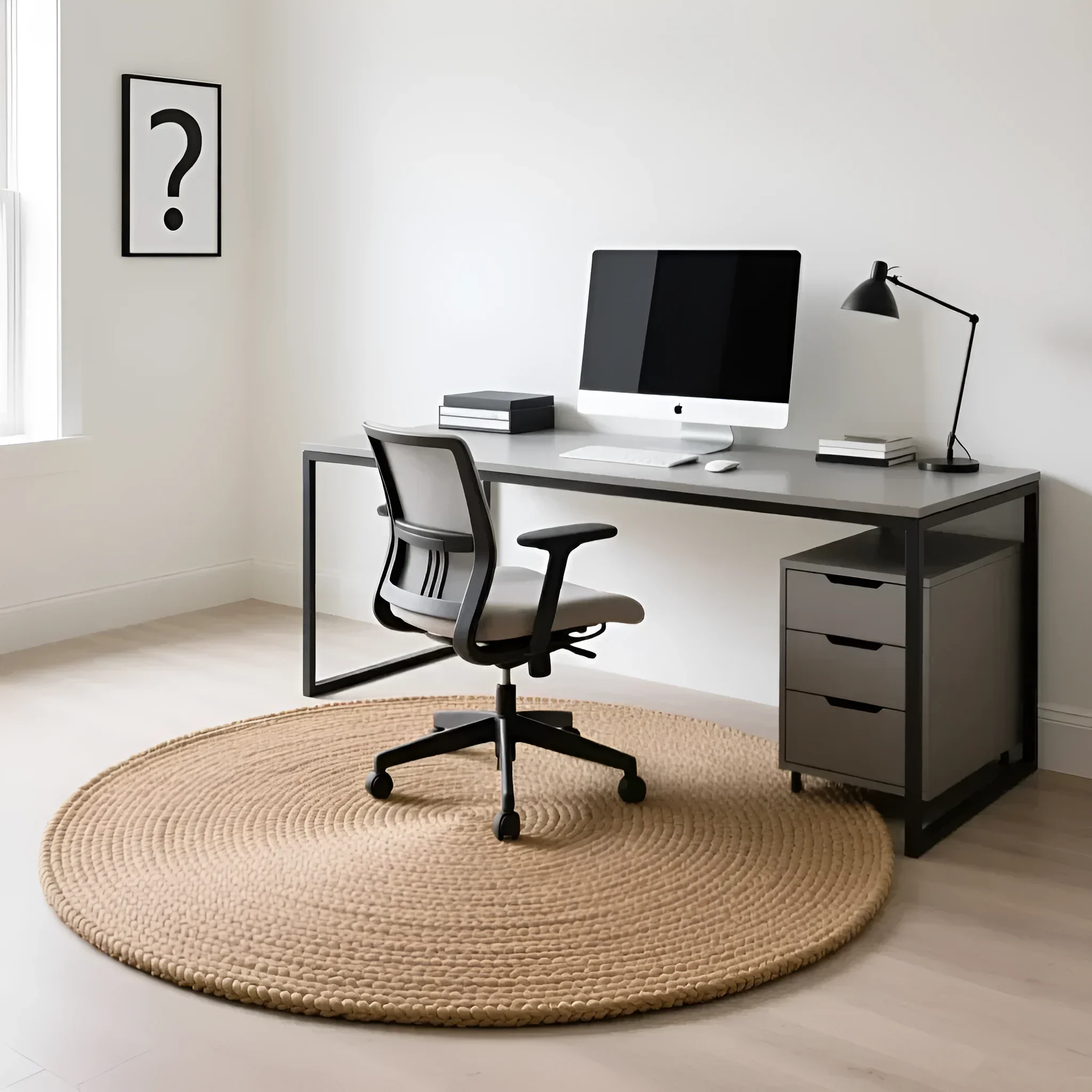
Based on years of experience, we have identified the most common consumer mistakes that lead to disappointment and the need for repurchase.
Mistake 1: Choosing Too Small a Size
As mentioned, a rug that doesn’t reach the front legs of the sofa makes the room fragmented and disproportionate. How to avoid: Before purchasing, use painter’s tape to mark the intended rug size on the floor. Assess how it relates to the furniture group and ensure it extends beyond the sofa by at least 15 cm.
Mistake 2: Ignoring Pile Density
Many people buy a rug based solely on pile height and softness. However, low density with high pile (e.g., cheap polyester shag) will cause the rug to flatten within a few months. How to avoid: Always check the density (number of knots/m²) and choose a rug with a density margin, especially for high-traffic areas (living room, children’s room).
Mistake 3: Buying Viscose for Wet or High-Traffic Areas
Viscose looks like silk and is inexpensive, but it is extremely impractical. Any spilled liquid (even clean water) can leave an indelible stain. How to avoid: Use viscose only in bedrooms. For dining rooms, kitchens, and living rooms, choose wool, nylon, or polypropylene.
Mistake 4: Incorrect Color Contrast
Choosing a rug that blends with the floor or, conversely, contrasts too sharply without being tied to other textiles. How to avoid: If you want a calm interior, the rug should differ from the floor by 2–3 tones. If you need an accent, make sure the rug’s color is repeated in at least one decorative element (pillow, vase, painting).
Mistake 5: Forgetting the Rug Pad
A rug without a pad will slide on smooth floors (laminate, tile), which is dangerous. Additionally, a pad adds cushioning and extends the rug’s lifespan by preventing wear. How to avoid: Always buy a non-slip pad made of felt or non-slip rubber. This is especially important for small rugs and runners.
Frequently Asked Questions (FAQ) About Choosing and Placing Rugs
Q: Do I need to buy a rug if I have underfloor heating?
A: Yes, you can, but with limitations. Avoid very thick wool rugs (especially handmade ones) as they have high thermal insulation and can reduce the system’s efficiency. Thin, flat rugs (kilims) or rugs made of synthetic materials with a low pile that allow heat to pass through are ideal.
Q: Which rug is best for a child’s room?
A: For a child’s room, durability, hypoallergenic properties, and ease of cleaning are important. The best choices are nylon (polyamide) or cotton. Nylon withstands frequent washing and stain remover use, and does not accumulate static electricity. Avoid high pile.
Q: How do I determine which rug shape to choose: rectangular or round?
A: The shape of the rug should echo the shape of the furniture group or room. In a standard living room (sofa, rectangular table), a rectangular rug always looks better. Round rugs are ideal for accent areas (e.g., under a round dining table, in a circular hall, or under a hanging chair) or for softening corners in a minimalist interior.
Q: How do I properly remove creases from a new rug?
A: If the rug has been rolled up for a long time, creases may appear. The easiest way is to roll the rug in the opposite direction and leave it overnight. If this doesn’t help, use a damp cloth and an iron (on a low setting, no steam), lightly ironing the crease through the cloth. For wool rugs, simply letting them lie flat for 1–2 weeks, placing heavy objects on the corners, is sufficient.
Image Gallery