
Buying furniture is a long-term investment in the comfort of your home, which, with the right approach, brings joy for years, and with haste, turns into daily irritation. Most buyers make the same typical mistakes, focusing only on appearance or an attractive price in the catalog, forgetting about technical characteristics, layout features, and ergonomic principles. In this guide, we, the experts at mebeltops.com, will break down the top mistakes when choosing furniture so you can avoid all the pitfalls and create an interior that is comfortable, functional, and durable.
Top Mistakes When Choosing Furniture: How to Avoid Disappointment
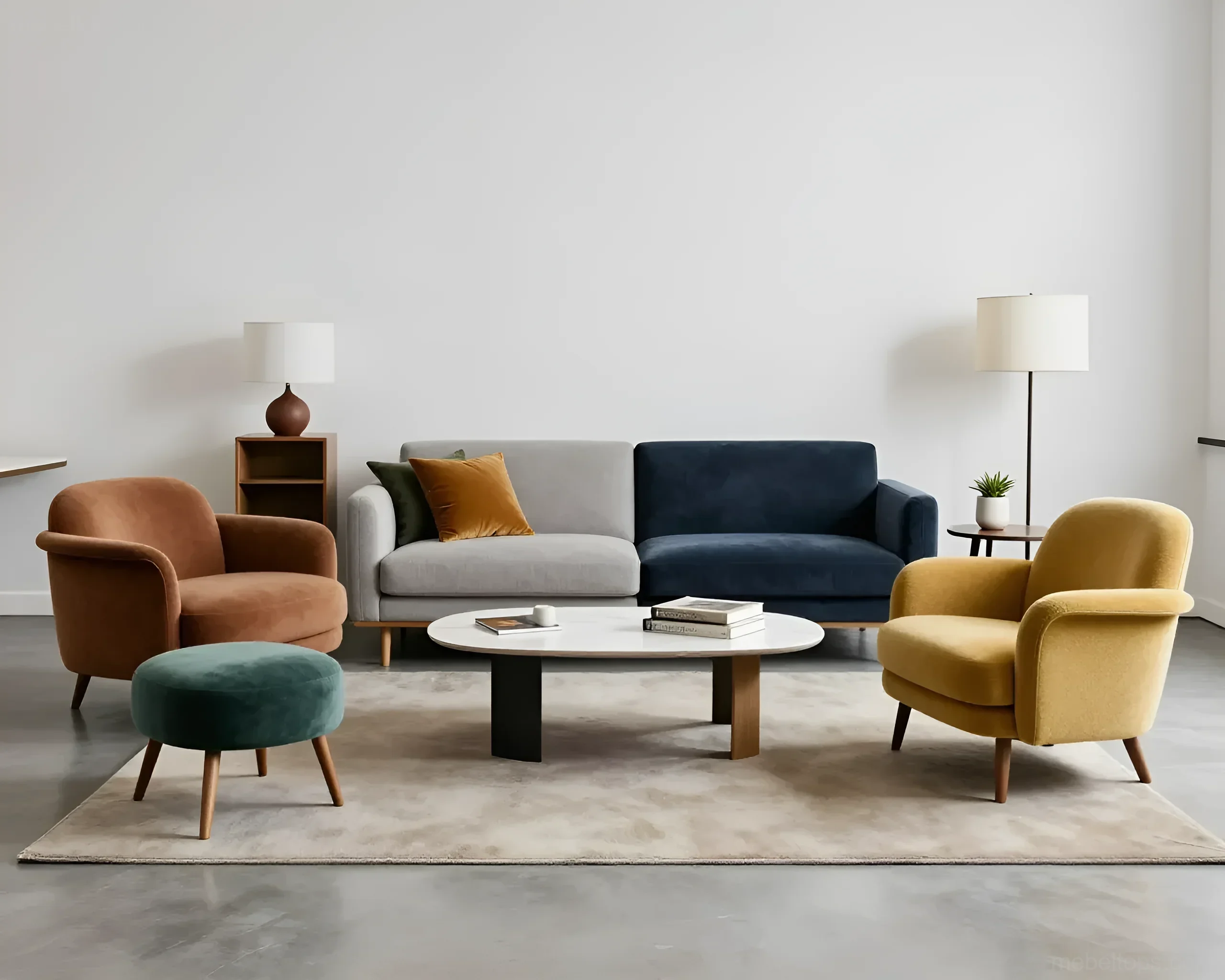
The main mistake that starts most unsuccessful purchases is the lack of a clear plan and concept. Many buy furniture impulsively: “saw it – liked it – bought it.” As a result, the apartment turns into a warehouse of disparate items that do not match each other in style or functionality. To avoid this, always start by creating a detailed list of necessary items and their priorities.
The second critical mistake is ignoring the family’s lifestyle. For example, buying a snow-white sofa made of delicate fabric for a home with small children or active pets is a direct path to disappointment. Furniture should work for you, not you for it. When choosing, always ask yourself: “How will this item behave in my reality in a year?”
The third systemic error is underestimating the importance of lighting. Upholstery color, which seemed like a noble gray under powerful lamps in the showroom, can turn into a dull dirty brown in your living room with north-facing windows. Always ask for material samples to “try them on” with the lighting in your apartment.
Mistakes in Choosing Style and Design: When Furniture Doesn’t Fit
Design is not just beauty, but also harmony of proportions. One of the most common mistakes is buying ready-made furniture sets. Modern design is moving away from the concept of “everything from one collection.” An interior where the wardrobe, bed, and nightstands look identical often seems flat and lacking individuality. It is much more effective to combine items of different textures, united by a common color scheme or stylistic direction.
Other common stylistic blunders:
- Blindly following trends. Ultra-fashionable colors or shapes can get boring in a couple of years, while quality furniture lasts for decades. Choose a base in neutral styles, and add trends through decor.
- Disproportionate scale. A huge classic wardrobe with massive cornices in a small studio will look ridiculous and visually “eat up” all the space. Conversely, a miniature chest of drawers will get lost in a spacious living room.
- Mixing too many styles. Eclecticism is difficult. Without experience, it’s easy to turn a room into a furniture bazaar where loft clashes with Provence.
Expert tip: use the 80/20 rule. Let 80% of the furniture be basic and timeless, and 20% be accent and characteristic. This will allow the interior to look current for many years.
Furniture Materials: Common Misconceptions and Pitfalls
Many buyers divide materials into “natural is good” and “artificial is bad.” This is a dangerous simplification. For example, solid wood is wonderful, but it requires maintaining a certain humidity (40-60%) in the room. In dry air from heating radiators, wood can crack. On the other hand, high-quality MDF with enamel or veneer is often more stable and durable in use.
Let’s look at the key material characteristics in the table:
| Material | Pros | Cons / Choice Mistakes |
|---|---|---|
| Particleboard (ЛДСП) | Affordable price, many colors | Low moisture resistance in cheap boards, emission class above E1 is dangerous |
| MDF | Eco-friendly, can be milled | More expensive than particleboard, sensitive to high temperatures (film may peel off) |
| Solid Wood | Durability, prestige | Requires care, reacts to humidity changes, high price |
| Metal | Strength, wear resistance | Cold to the touch, may not fit into a cozy interior |
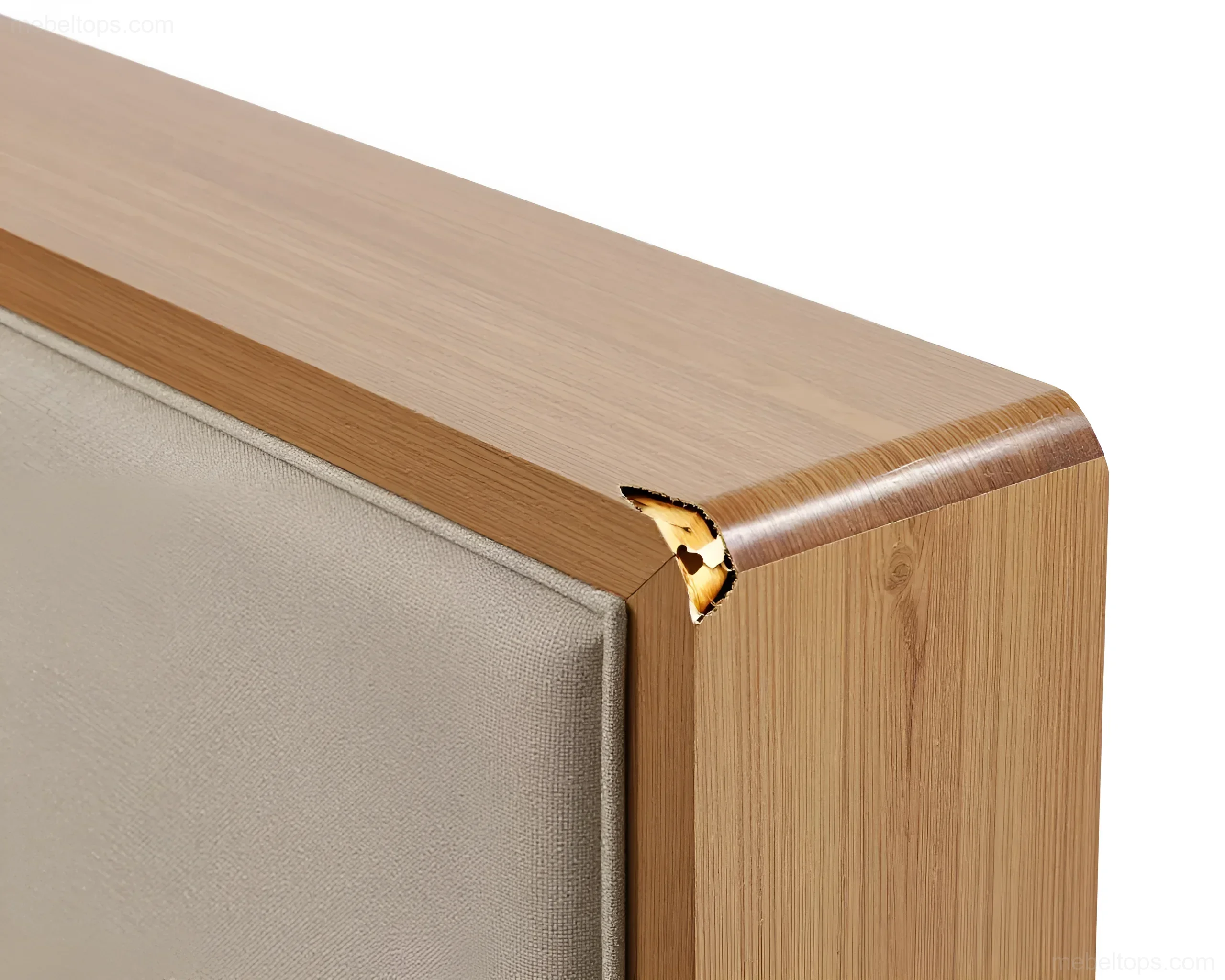
A critical mistake is saving on edging. In cabinet furniture made of particleboard, it is important that all edges are treated with PVC or ABS edging at least 1-2 mm thick. Cheap melamine edging (paper) quickly chips off, allowing moisture and resin vapors to enter. Also, pay attention to the formaldehyde emission class – only E1 or E0.5 is permissible for living spaces.
In upholstered furniture, the main mistake is choosing fabric only by color. The most important indicator is the Martindale test (wear resistance). For home use, choose fabrics with a rating of 20,000 cycles, if you have pets – from 50,000 cycles and with an “anti-scratch” effect.
Dimensions and Ergonomics: How Not to Make Mistakes with Size
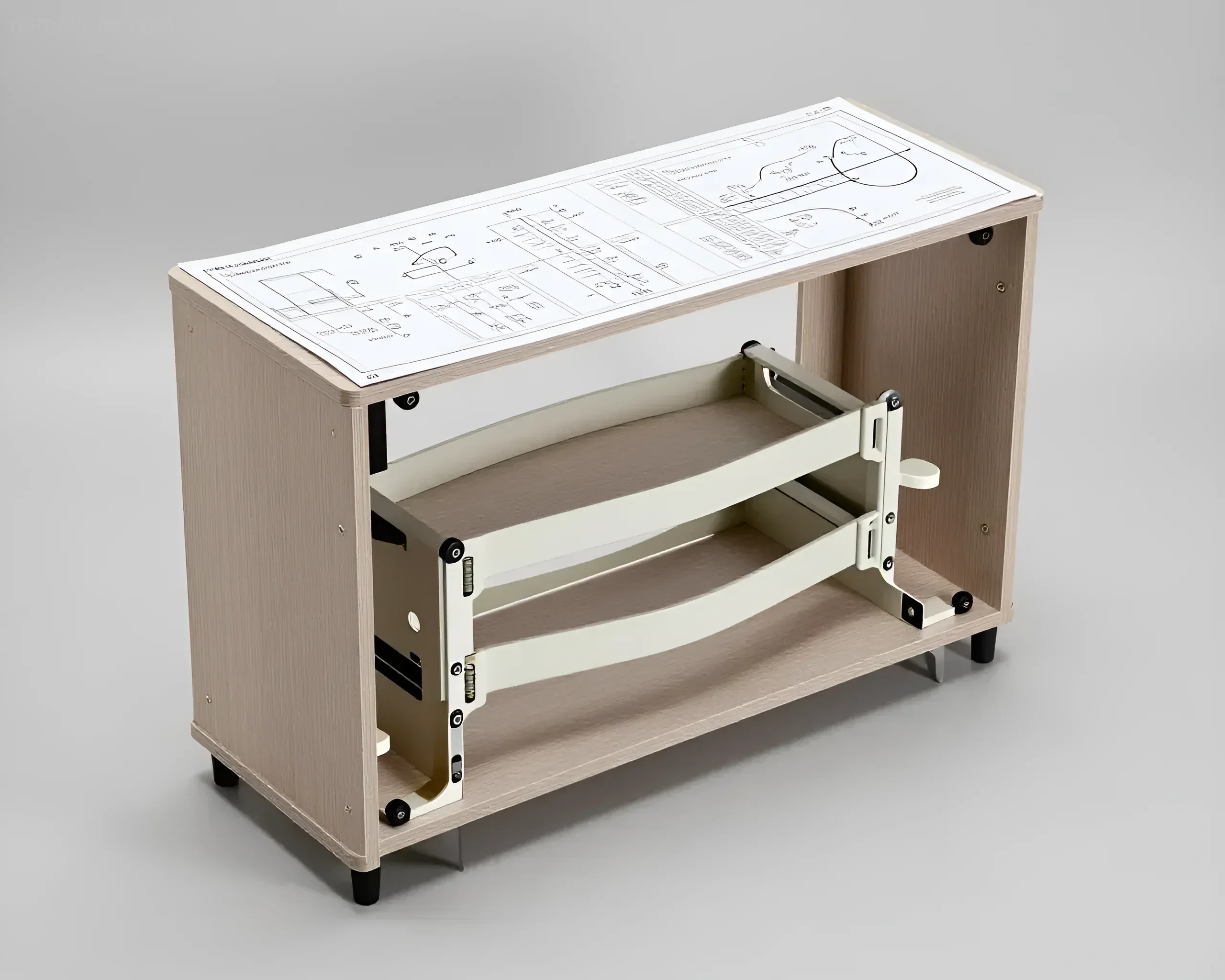
Measurement errors are the most costly. The most common one: measuring only the length and width of the wall without considering protruding elements. Baseboards, outlets, windowsills, radiators, and even door casings can steal those crucial 2-3 centimeters, preventing the wardrobe from fitting into the niche.
Key ergonomic rules that are often forgotten:
- Passages: the minimum comfortable passage width between furniture is 60 cm. If it’s a main traffic route, it’s better to leave 90-100 cm.
- Opening doors and drawers: there should be free space in front of a wardrobe with hinged doors equal to the door width + 50 cm for a person to pass.
- Seat height: the standard height of a chair is 45-48 cm, and a dining table is 75-78 cm. Violating this proportion will make dining extremely uncomfortable.
- Wardrobe depth: for clothes on hangers, the standard wardrobe depth is 60 cm. If you are choosing a sliding door wardrobe, add another 10 cm for the rail mechanism, totaling 70 cm.
Practical tip: before buying large furniture, make a “layout on the ground.” Stick masking tape on the floor according to the dimensions of the future sofa or table. You will immediately see how convenient it will be to move around the room.
Functionality and Mechanisms: Why Overpay for Unnecessary Features

The number one mistake here is buying furniture with unnecessary functions. For example, a sofa with a transformation mechanism for daily sleep in a living room where guests stay once a year. You overpay for a complex mechanism and lose seating comfort (sofas for sleeping are usually firmer). In such a case, it’s better to choose a “guest” type model or one without a mechanism at all.
On the other hand, saving on hardware in furniture that you use daily (kitchen, hallway wardrobe) is a huge mistake. Cheap hinges without soft-close mechanisms will start to slam and sag within six months. For drawer slides, it’s better to choose ball-bearing (full extension) rather than roller slides – they can handle more weight and operate silently.
Pay special attention to lifting mechanisms in beds. Gas lifts should be selected according to the mattress weight. Too weak ones won’t hold the base, too powerful ones will “shoot up,” which is unsafe. Always clarify the power in Newtons (N) when purchasing.
Budget and Hidden Costs: Where Extra Expenses Lie
The price on the tag in the store is often just the tip of the iceberg. The buyer’s mistake is not budgeting for associated expenses, which can amount to 15-20% of the furniture cost. These include:
- Delivery and carrying to the floor. Especially relevant for large sofas that don’t fit in a freight elevator. Manual carrying to the 10th floor can cost half the price of an armchair.
- Assembly. Professional assembly guarantees warranty preservation. With self-assembly, any damage (chipped particleboard, stripped threads) is considered non-warranty.
- Soft-close mechanisms and fillers. Often, the base price of a wardrobe is for the “box” with one shelf and a rod. Each additional basket, trouser rack, or lighting increases the final amount.
Another financial mistake is buying the cheapest furniture from the available options. In the furniture segment, price directly correlates with material density and coating quality. A cheap bed made of thin particleboard (16 mm instead of 22-25 mm) will quickly start to creak and wobble. In the long run, it’s more profitable to buy a mid-range item that will last 10 years than to replace a cheap one every 3 years.
Mistakes During Purchase and Delivery: Final Pitfalls

The closing process requires no less attention than the selection. The most dangerous mistake is signing the acceptance form without inspection. As soon as you sign, it is practically impossible to prove that a scratch on the facade or a chip on the glass was made by the movers.
Algorithm for correct furniture acceptance:
- Check the integrity of the packaging. If the box is dented or torn, open it first.
- Inspect mirrors and glass. These are the most fragile elements, and they should be checked immediately in front of the courier.
- Verify the number of packages. Make sure you have received all boxes according to the delivery note.
- Check the hardware. Often, the bag with screws and handles is attached to one of the panels – make sure it’s there.
It is also a mistake to throw away the packaging before complete assembly. Labels with the batch number and packer’s details are often attached to the boxes. If a defective part is found, the manufacturer will require photos of these labels to process a claim.
Frequently Asked Questions from Buyers: Expert Answers from mebeltops.com
Question: Is it worth overpaying for genuine leather in a sofa?
Answer: Only if you are prepared for specific care and climate control. Genuine leather is durable, but it’s cold in winter and “sticky” in summer. Modern high-quality eco-leather on microfiber or dense fabrics (microvelour) are often more practical and comfortable in everyday life.
Question: How can I tell if a sofa will last long without disassembling it?
Answer: Pay attention to the weight – a good frame made of plywood or metal will weigh significantly more than a frame made of cheap particleboard. Also, check the density of the foam (PPU). If you immediately feel a hard base when pressing, such a sofa will sag quickly. The optimal PPU density for seating is from 30-35 kg/m3.
Question: What is better: an independent spring unit or a springless mattress?
Answer: It depends on weight and preferences. It’s a mistake to think that springs are always better. A high-quality springless mattress made of latex or dense memory foam provides excellent support. However, for people weighing over 100 kg, an independent spring unit (from 500 springs per sleeping place) is usually more reliable.
Question: Can MDF furniture be placed near a radiator?
Answer: It is not recommended. Constant exposure to hot, dry air can lead to peeling of the PVC film or cracking of the enamel. The minimum recommended distance is 15-20 cm, or use special protective screens for radiators.
Question: What hardware is considered the best?
Answer: The market leaders are European brands Blum, Hettich, and Grass. They guarantee up to 100,000 – 200,000 opening cycles. If the budget is limited, you can consider high-quality alternatives (e.g., Boyard premium series), but it’s definitely not worth saving on hinges and drawer slides for frequently used drawers.
Choosing furniture is a balance between aesthetics, technical characteristics, and budget. By avoiding the listed mistakes, you can furnish your home so that every piece of furniture brings utility and joy. Remember: it’s better to spend an extra hour on measurements and studying material characteristics today than years fighting with an inconvenient wardrobe or a creaky bed.