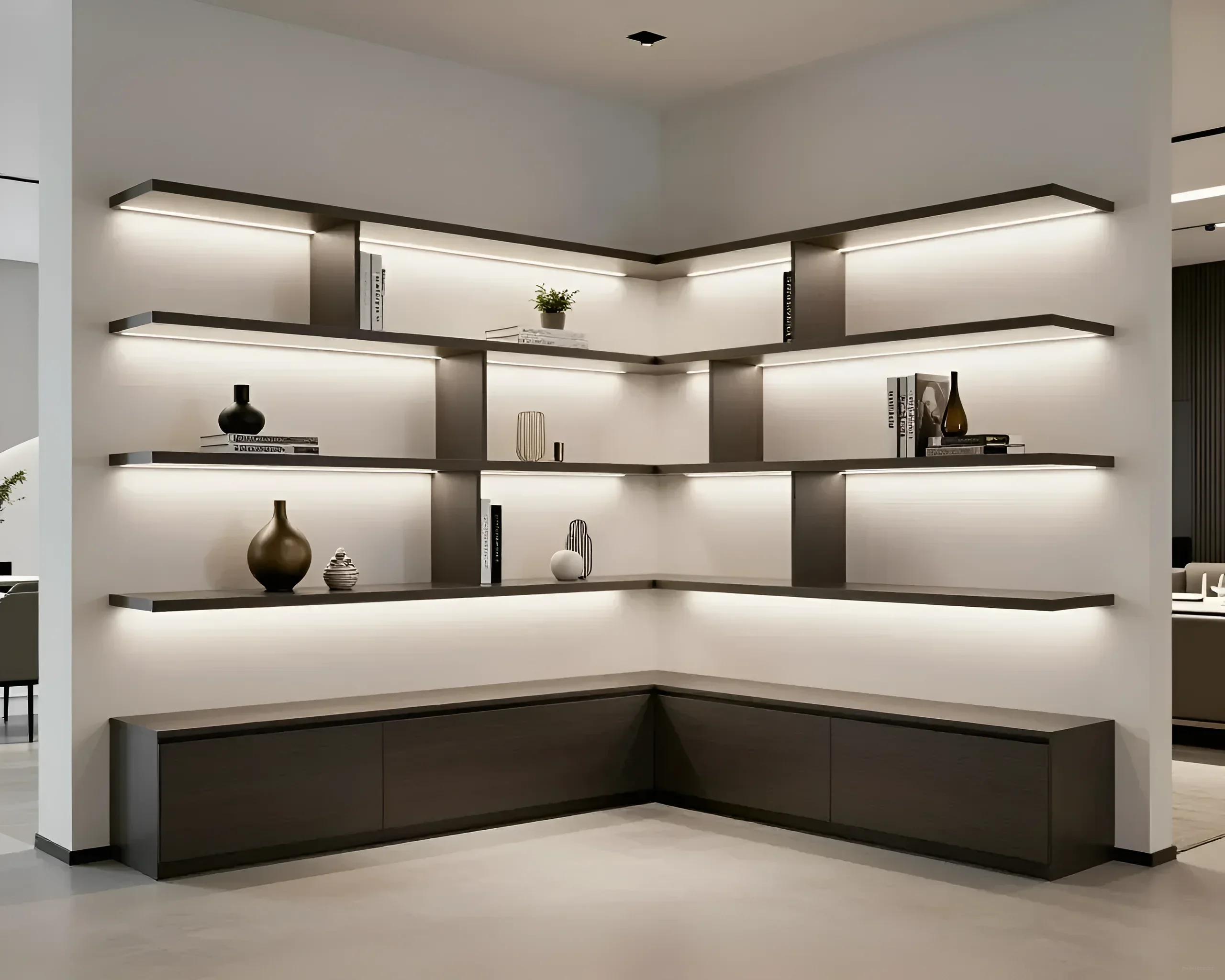
The layout of most modern apartments, especially in old buildings or new constructions with monolithic frames, often suffers from “awkward” zones. These can be acute or obtuse angles, narrow niches, protrusions of ventilation shafts, or simply empty corner spaces that seem absolutely useless. In the furniture industry, such areas are called “dead zones.” However, for a professional designer and experienced furniture maker, each such corner is a hidden potential for storing things, organizing a workspace, or creating a cozy relaxation area. Properly selected furniture allows not only to utilize every square centimeter but also to visually correct the geometry of the room, making it more harmonious and functional.
Furniture for “awkward” corners: how to liven up the dead zones of your apartment
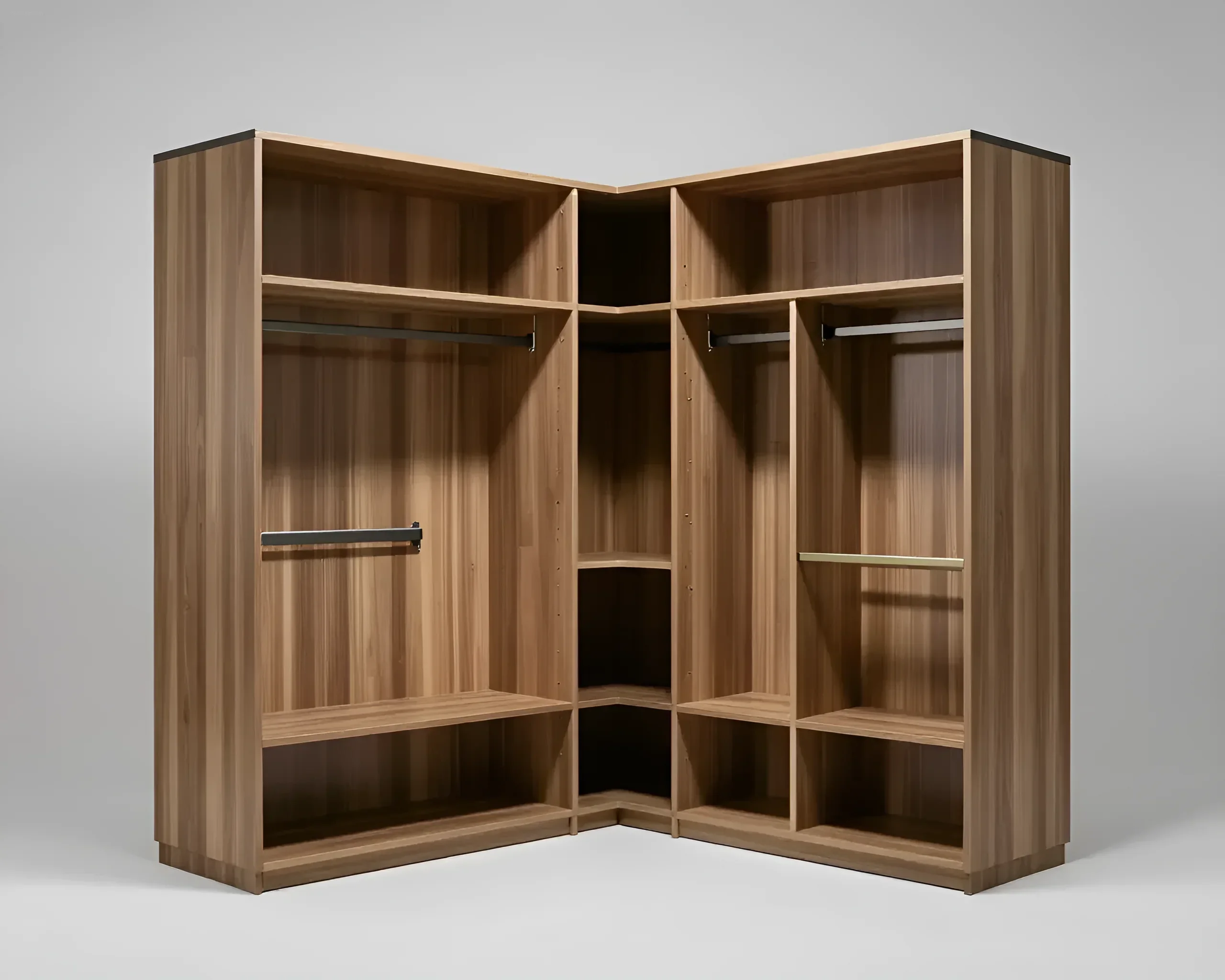
The problem with empty corners is that standard case furniture, designed for straight walls, leaves gaps in them. These gaps become dust collectors, and the space itself is used inefficiently. To “revive” such zones, it is necessary to move away from шаблонные solutions and consider options that literally integrate into the architecture of the room. Useful use of corners begins with analyzing their type: internal corners require certain solutions, external ones – completely different ones.
If you are faced with a niche or a corner of non-standard size, the first thing to do is to assess the lighting and accessibility of this place. For example, a deep and dark corner in a bedroom is an ideal place for a built-in storage system, where a corner wardrobe for the bedroom will be the main element. Whereas a shallow niche in the hallway is better suited for open systems: shelves in a niche will allow you to place keys, bags, or decor without cluttering the passage. It is important to understand that furniture for complex zones is not always an expensive custom order. Today, there are many modular systems that can be combined for specific needs.
The main task when working with dead zones is to turn a planning disadvantage into an advantage. Corner furniture has a unique property: it occupies space that is not usually used for movement, thereby freeing up the central part of the room. This is especially critical for small apartments and studios, where the struggle is for every 10-15 centimeters of usable area.
Types of furniture ideal for non-standard corners
The market offers several key structural solutions that allow for effective closure of empty corners. Let’s consider the main types of furniture most often used by professionals:
- L-shaped wardrobes. The most popular option. Consists of two sections joined at a right angle. This is the most economical way to utilize a corner, as standard modules are used.
- Diagonal (trapezoidal) wardrobes. The facade of such a wardrobe is at a 45-degree angle to the walls. They are very spacious, and often a full walk-in closet can be organized inside. However, they require more free space in front of them for the door to open.
- Radius furniture. Wardrobes with concave or convex facades. Ideal for smoothing sharp corners in narrow corridors. A concave wardrobe visually expands the space and makes the passage safer.
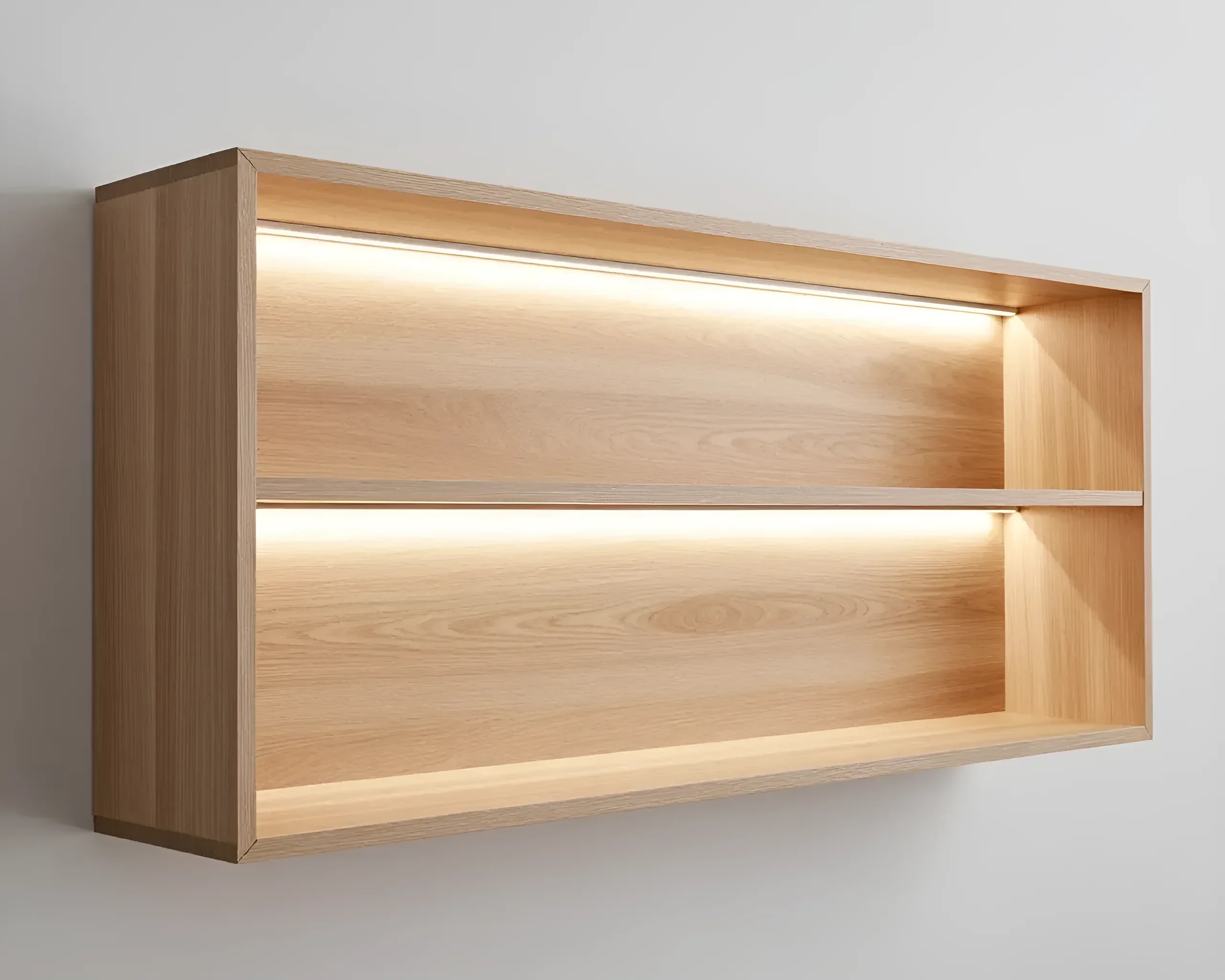
- Built-in shelves in a niche. If you have a recess in the wall (e.g., after sheathing communications with drywall), installing shelves turns this “appendix” into a stylish shelving unit. Shelves can be made of chipboard, tempered glass, or solid wood.
- Corner desks and consoles. Allow you to organize a full-fledged office where a regular desk simply won’t fit. The depth of the countertop in the corner can reach 800-900 mm, which is convenient for placing a monitor.
For kitchens and living rooms, “pentagons” – pentagonal modules – are often used. They allow for a smooth transition from one line of furniture to another, while providing a huge internal volume for storing bulky items. The choice of a specific type depends on the depth of the corner: for corners less than 300 mm deep, it is better to use open shelves, and for zones deeper than 500 mm – full closed systems.
Materials and finishes: creating functional and stylish corner solutions
The choice of material directly affects the durability and appearance of furniture in complex zones. Since corner structures often have complex geometry and are subjected to increased loads on the hardware, it is not worth saving on materials.
Chipboard (Laminated particleboard). The most affordable and popular material. For corner wardrobes, it is recommended to use boards 18 mm thick (instead of the standard 16 mm), as this provides greater frame stability for large dimensions. Pay attention to the emission class – only E1 or E0.5 for living rooms.
MDF (Medium-density fibreboard). Ideal for facades, especially if milling or radius (curved) elements are required. MDF is denser than chipboard, holds screws in hinges better, which is critical for heavy corner doors.
Mirror and glass inserts. For corner furniture, this is a strategic choice. A mirror on the facade of a corner wardrobe in the bedroom can visually “dissolve” a massive structure in the space. The use of frosted glass (satin) gives the furniture a sense of lightness.
Hardware – the “heart” of corner furniture. In complex corners, ordinary hinges do not work. You will need:
- Hinges with an opening angle of 165-175 degrees (“crocodile” hinges) to ensure full access to the contents.
- Corner hinges for false panels (at -30, +30, +45 degrees).
- Pull-out systems like “magic corner” or “Lemans” for kitchen modules.
Table: Comparison of materials for corner storage systems
| Material | Advantages | Application features |
|---|---|---|
| 18 mm Chipboard | Price, structural rigidity | Wardrobe frames, shelves in niches |
| Enameled MDF | Any colors, moisture resistance | Complex shaped facades, kitchens |
| Solid wood | Environmental friendliness, status | Classic interiors, shelving units |
| Mirror/Glass | Visual expansion | Sliding doors, decorative inserts |
How to choose furniture for corners: practical tips for measuring and planning
An error in measuring the angle by 1-2 degrees can lead to a built-in wardrobe not fitting into the opening or an unsightly gap remaining between the wall and the furniture. How to choose furniture for corners and not make a mistake? Follow the expert algorithm:
1. Check the verticality of the walls and the angle. Use a carpenter’s square or a laser level. If the angle in the room is not exactly 90 degrees (and in 90% of cases it is not), you have two options: either level the walls with plaster, or order furniture with false panels. A false panel is a strip of the same material as the facade, which is trimmed on-site and covers the wall curvature.
2. Consider baseboards and outlets. Often, when planning, people forget that the baseboard will prevent the wardrobe from being pushed flush. Either choose furniture with a cutout for the baseboard, or dismantle it in the installation area. Also, make sure that the corner module does not block access to important outlets or switches.
3. Depth and ergonomics. The standard depth of a wardrobe for clothes is 600 mm. If you are planning a corner wardrobe for the bedroom, remember that a zone up to 800-900 mm deep is formed in the very corner. Reaching the back wall by hand will be difficult. Therefore, plan to store seasonal items there (suitcases, blankets) or use specialized hardware.
4. Lighting. It is always dark in deep corners. Plan for built-in LED lighting that turns on when the door opens. This is not a luxury, but a necessity for comfortable use of deep storage systems.
When choosing ready-made solutions (modular furniture), always leave a technological gap of 2-3 cm from each wall. This gap can then be covered with a decorative corner or left for ventilation, which is especially important for external walls of the house that can freeze.
Functionality of corner furniture: from ergonomic wardrobes to built-in storage systems
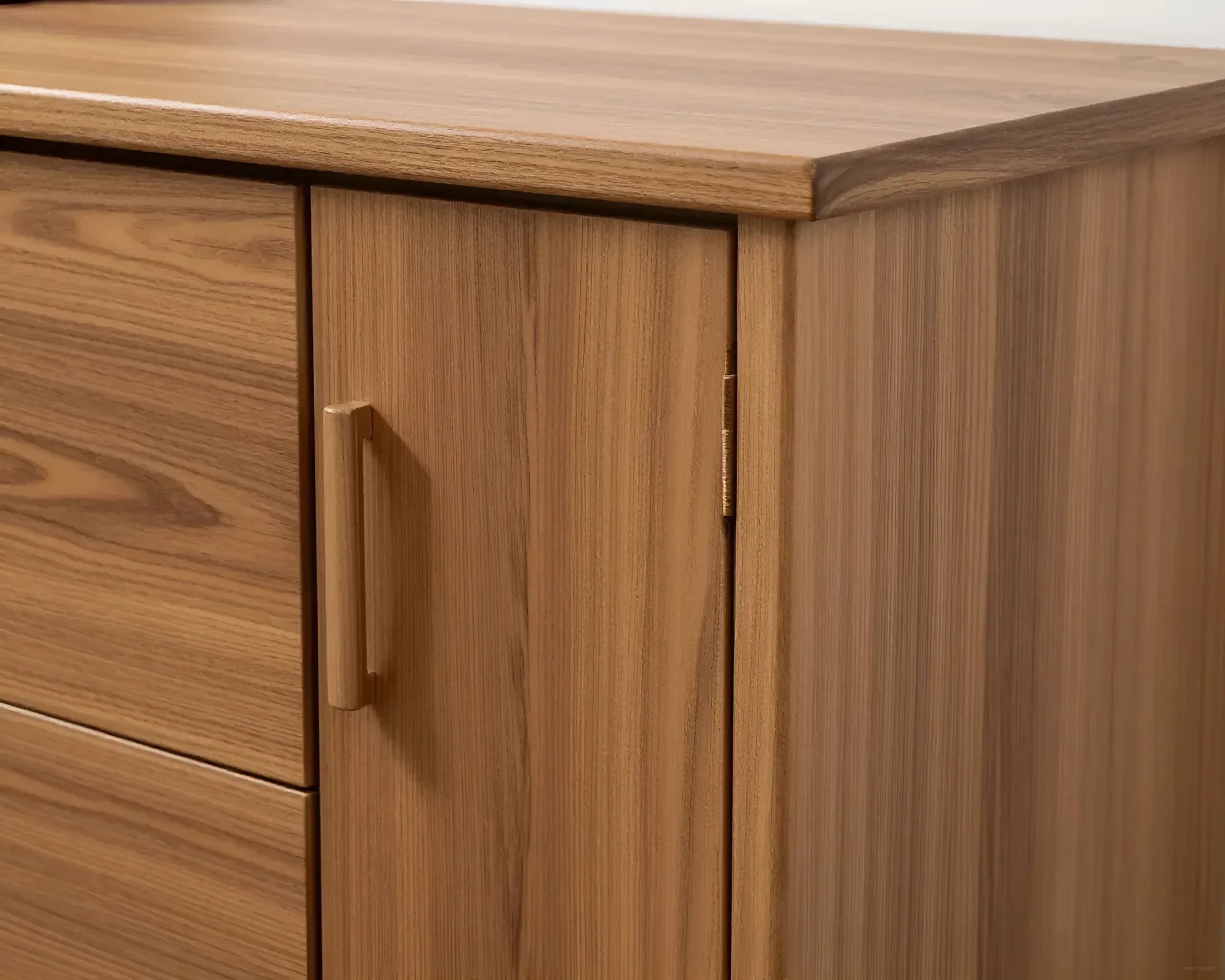
The internal filling is what turns a simple “box in the corner” into a highly effective household organization tool. The functionality of corner furniture should be designed considering the frequency of use of items.
In corner sliding wardrobes or hinged models, zone division works effectively:
- Dead zone (the very center of the corner). It is best to install a clothes rail with hangers here. An L-shaped rail allows you to use all the space but requires special connectors.
- Pull-out baskets and drawers. They cannot be placed in the very corner, as they will not pull out due to the adjacent door or facade. Drawers are placed to the sides of the corner section.
- Pantographs (furniture lifts). If your corner wardrobe is tall (up to the ceiling), a pantograph will allow you to utilize the upper tier for storing shirts and jackets, which are easily lowered.
- Shelves in a niche with adjustable height. Use perforations in the sides of the wardrobe or special shelf supports to be able to change the distance between shelves depending on the size of the items.
Pay special attention to the useful use of corners in hallways. A corner shoe rack or an open coat rack with radius shelves for bags can save space in a narrow corridor. For the bedroom, combined solutions are relevant: a corner wardrobe smoothly transitioning into a dressing table or a chest of drawers. This creates a unified interior line and eliminates visual clutter.
An interesting solution for niches is to use a “coupe” system not for a wardrobe, but for closing the niche itself. You only install the guides and doors, and the shelves are attached directly to the walls. This saves up to 20% of the budget, as you don’t have to pay for the body material (back and side walls).
Care for corner furniture: preserving beauty and functionality for years to come
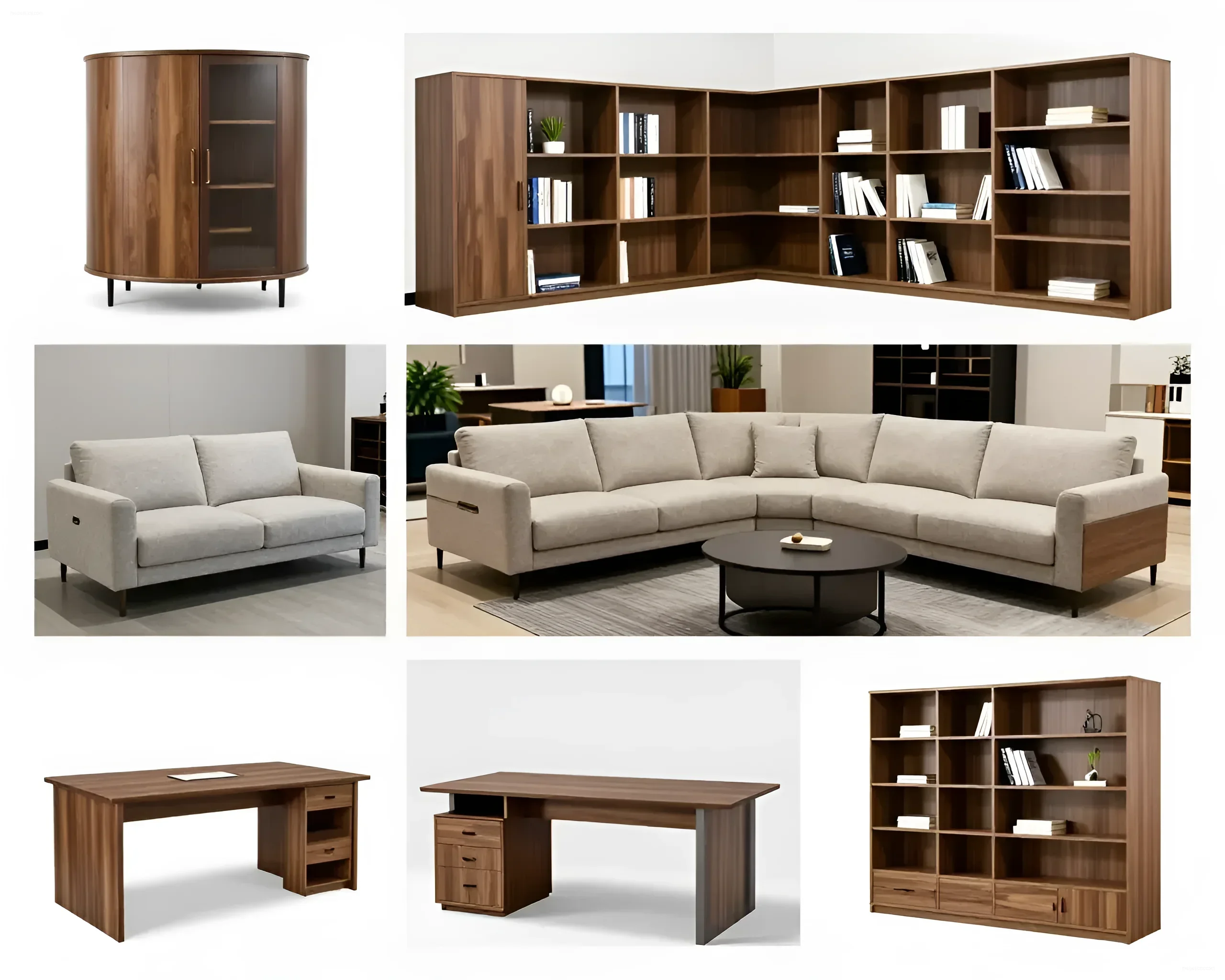
Corner furniture, due to its specifics, requires special attention during operation. Complex mechanisms and large facades are risk zones.
Hinge adjustment. The doors of corner wardrobes often have non-standard sizes or weights. Over time, under their own weight, they can sag. Check the gaps between the doors every six months and, if necessary, tighten the adjustment screws on the hinges. If a door starts to squeak, use dry silicone lubricant.
Cleaning hard-to-reach places. Dust accumulates in deep corners and on the guides of sliding wardrobes. Use a vacuum cleaner with a narrow nozzle for cleaning. If you have “magic corners” or pull-out systems in your kitchen, make sure that small objects or food debris do not get into the mechanisms – this can lead to jamming of expensive hardware.
Temperature regime. If the corner wardrobe is adjacent to an external wall, ensure at least minimal air circulation. Do not pack items tightly against the back wall. In the cold season, without ventilation, condensation can form behind the wardrobe, leading to swelling of the chipboard and the appearance of mold.
For surface care, use soft microfiber cloths. Glossy facades (enameled or acrylic MDF) should not be rubbed with abrasive powders – only special alcohol-free sprays. Mirrors in corners are best wiped with anti-static agents so that dust settles less on them, as dust accumulates faster in corners due to the lack of drafts.
Top 5 solutions for “awkward” corners: examples of corner wardrobes and shelves
Based on the experience of mebeltops.com designers, we have compiled a list of the most effective solutions for typical problem areas:
- Diagonal wardrobe in a small bedroom. Instead of two straight wardrobes, place one pentagonal one in the corner. It will occupy an area of 1×1 meter but will hold as much as a straight wardrobe 2 meters long. This is an ideal corner wardrobe for the bedroom for storing bedding and bulky items.
- Transformer shelving unit for an external corner. If you have a protruding wall corner, “hug” it with open shelves with rounded edges. This will turn a dangerous sharp corner into a stylish library or display case for collections.
- Workspace in a niche. A countertop cut precisely to the shape of the niche and a couple of wall-mounted shelves in the niche above eye level. This solution allows you to create an office even in a corridor or on an insulated balcony.
- Built-in utility section in the hallway corner. A narrow and deep corner wardrobe is the best place to store a vacuum cleaner, mop, ironing board, and suitcases. Use vertical zoning: mops at the bottom, suitcases on the mezzanine.
- Corner sofa with a storage module. In the living room, the corner can be occupied by a sofa, whose corner section (ottoman) opens up. This is a huge box with a volume of up to 400 liters, which can hold all guest pillows and blankets.
These solutions are time-tested and suitable for most standard layouts. The main thing is to remember the balance between open and closed surfaces. Too many open shelves in a corner can create a sense of clutter, while solid closed facades can overload the interior.
Frequently asked questions about corner furniture: answering your requests
In this section, we have gathered answers to the questions most frequently asked by customers when planning complex furniture arrangements.
Can a standard wardrobe be placed in a corner if the walls are not straight?
You can place it, but you will get gaps that will spoil the look. It is better to use filler strips (false panels). They are inexpensive but allow you to perfectly fit the furniture to the wall. If the deviation is more than 2 cm, custom-made housing is recommended.
What is cheaper: a corner wardrobe or two straight ones?
Two straight wardrobes placed end-to-end are usually cheaper due to the use of standard modules and simple hardware. However, the useful use of corners in this case decreases – access to items at the very joint will be extremely inconvenient. A corner module is 30-50% more expensive, but it is many times more functional.
What is the minimum door width for a corner wardrobe?
For comfortable access, the door should be at least 400 mm. If it is a diagonal wardrobe, the optimal opening is 450-600 mm. L-shaped wardrobes often use two “accordion” doors, which provide full access to the corner.
Interesting facts about corner furniture:
- The first corner wardrobes appeared in Europe in the 18th century and were called “encoignures” (from French encoignure). They were used to store valuable dishes and paper.
- The use of corner furniture can increase storage volume in a room by 25-30% without changing the visual floor area.
- In interior psychology, rounded furniture corners are considered more friendly and conducive to relaxation, while the sharp straight lines of corner wardrobes emphasize discipline and order.
Creating furniture for complex zones is always a creative challenge. Do not be afraid to experiment with shapes and materials. A well-designed corner wardrobe for the bedroom or laconic shelves in a niche will not only solve storage problems but also make your home truly unique and cozy. Remember that in a good interior, there are no unnecessary corners – only those that have not yet found their application.