Журнальный столик — это не просто подставка для чашки кофе или пульта. Это ключевой функциональный и стилистический акцент в любой гостиной. Правильно подобранный столик способен собрать воедино всю композицию мягкой зоны, обеспечить необходимый комфорт и даже заменить полноценный рабочий стол, если речь идет о моделях-трансформерах. В этом подробном руководстве мы, эксперты mebeltops.com, разберем все аспекты выбора: от тонкостей стиля и материалов до правил эргономики и долговечного ухода.
журнальные столики: гид по стилям и видам – от классики до лофта
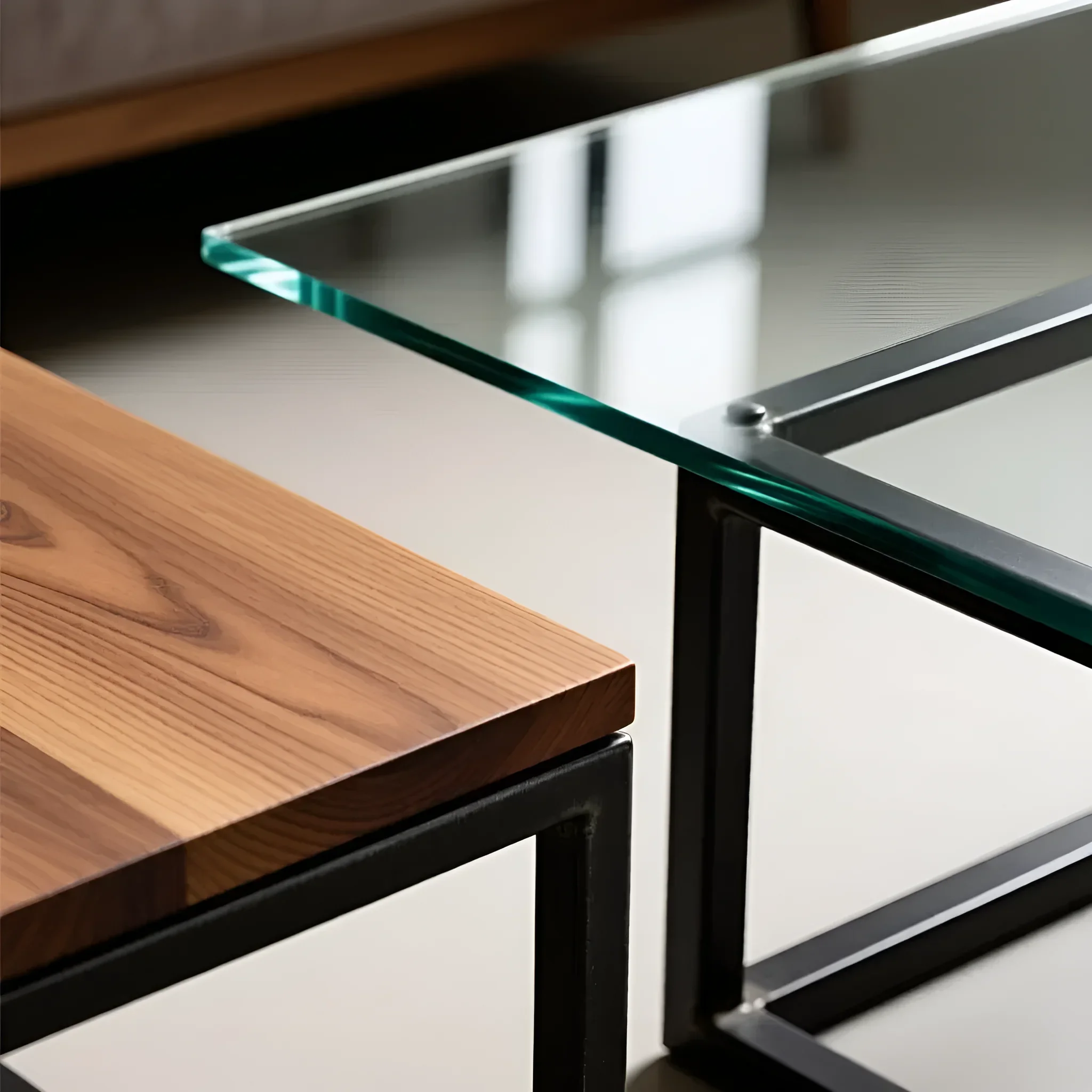
Первый шаг в выборе — определение стилистики, которая должна гармонировать с вашей основной мебелью (диваном, креслами, стеллажами). Предлагаем рассмотреть наиболее востребованные направления и их характерные черты.
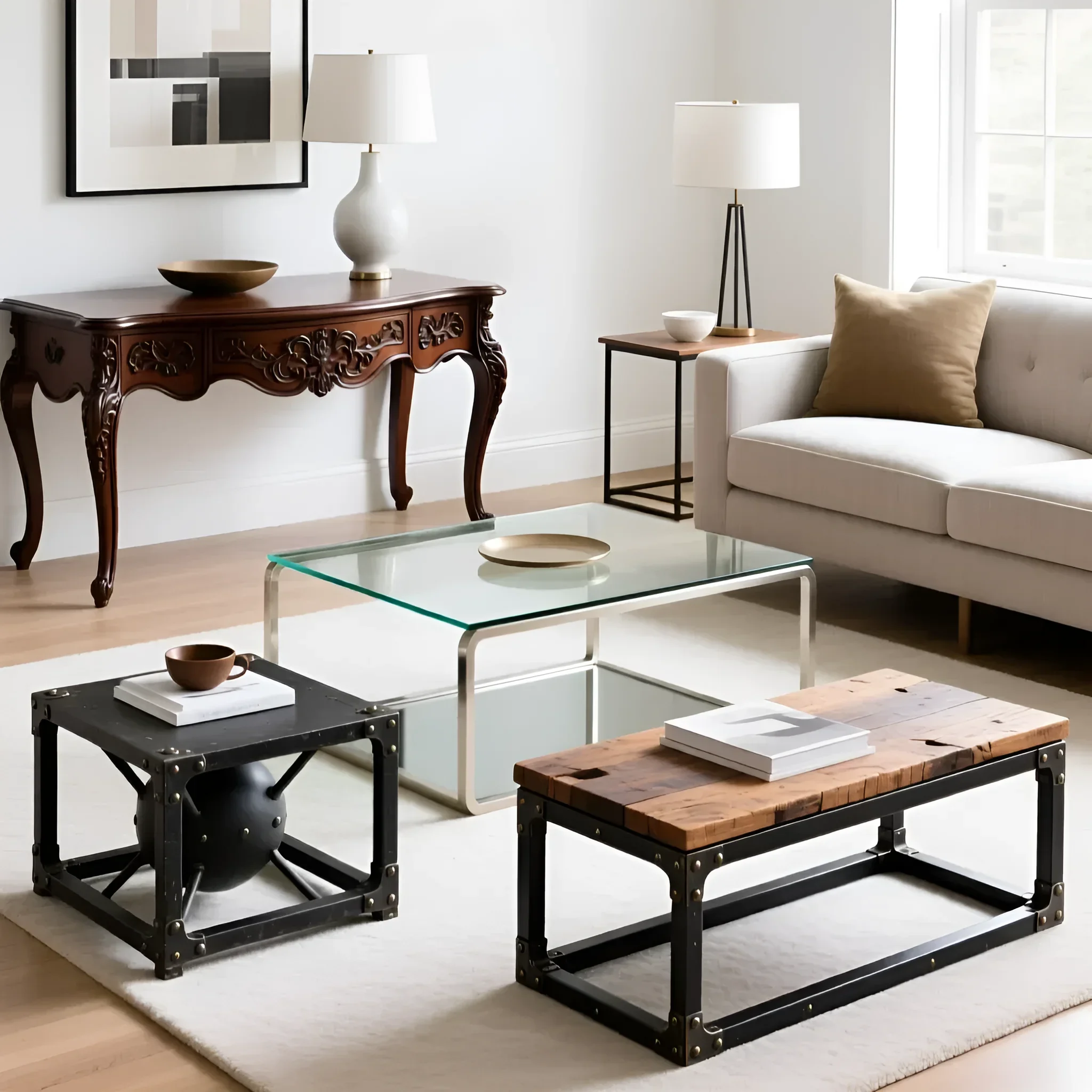
Классический стиль и неоклассика
- Характеристики: Изогнутые ножки (кабриоль), массивная деревянная столешница (чаще всего дуб, орех или вишня), наличие резьбы или инкрустации. Часто используются полированные лакированные поверхности, иногда со стеклянными вставками.
- Цветовая гамма: Насыщенные, теплые тона дерева, белый, слоновая кость.
- Типичные размеры: Столики часто имеют овальную или прямоугольную форму, высота — 45–55 см.
Стиль лофт (Loft)
- Характеристики: Сочетание необработанного или минимально обработанного дерева (массив, амбарная доска) с черным или темным матовым металлом. Грубые сварные швы, минималистичная геометрия.
- Виды: Часто используются столики на колесиках или тяжелые, низкие модели (высота 35–40 см).
- Материалы: Толстая сталь, чугун, натуральный дуб или сосна.
Скандинавский стиль (Сканди)
- Характеристики: Легкость, функциональность, светлые натуральные материалы. Ножки часто конические, под углом.
- Материалы: Светлое дерево (бук, ясень), МДФ с белым или серым матовым покрытием.
- Виды: Столики часто имеют круглую форму. Популярны нестандартные (nesting) столики – комплекты из двух-трех столиков разной высоты и диаметра, которые можно сдвигать.
Современный минимализм
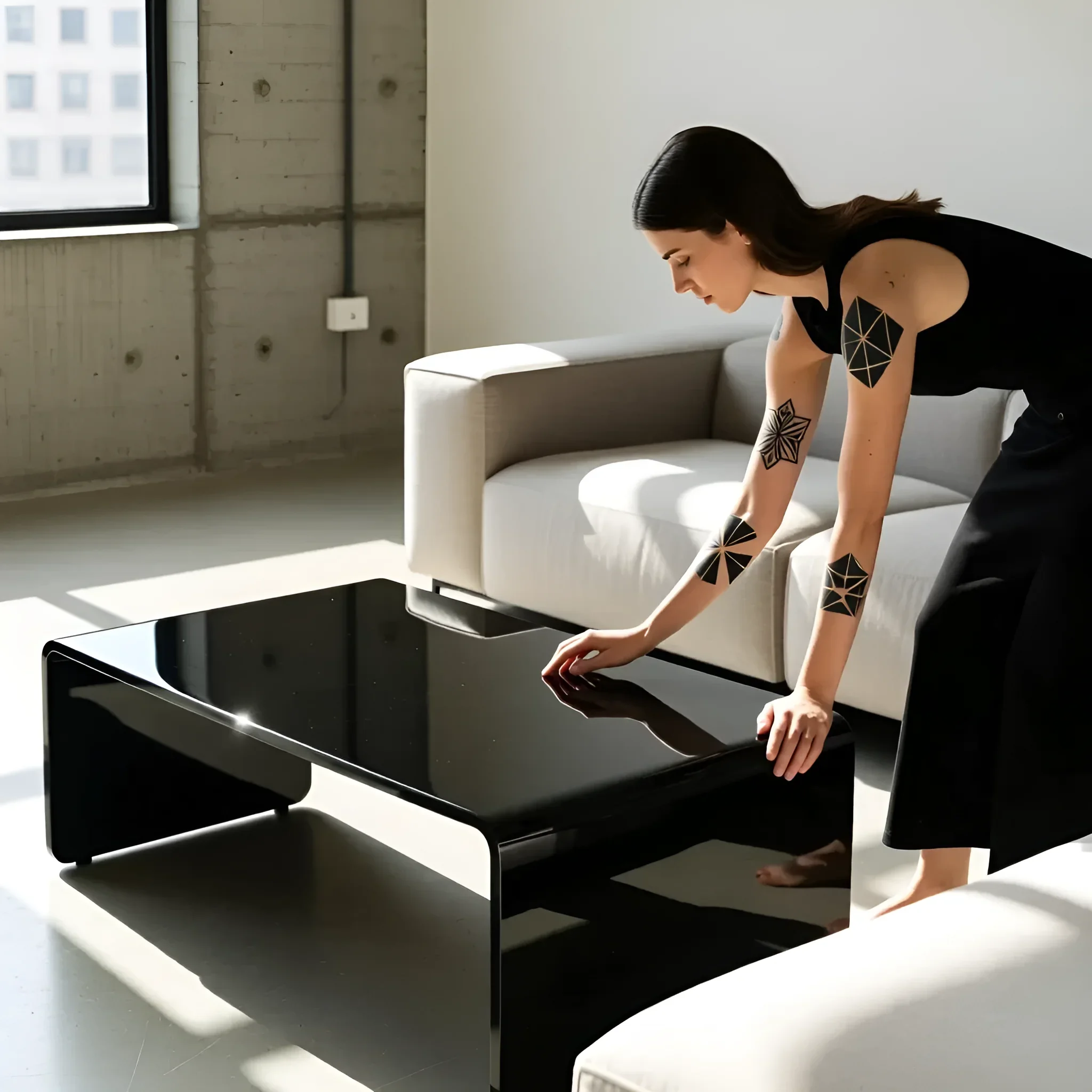
- Характеристики: Строгая геометрия (квадрат, прямоугольник), отсутствие декора, однотонные цвета (черный, белый, серый).
- Материалы: Глянец, стекло, композитные материалы, тонкий металл. Популярны модели с интегрированным хранением.
материалы для журнальных столиков: плюсы, минусы и уход за дубом, стеклом и металлом
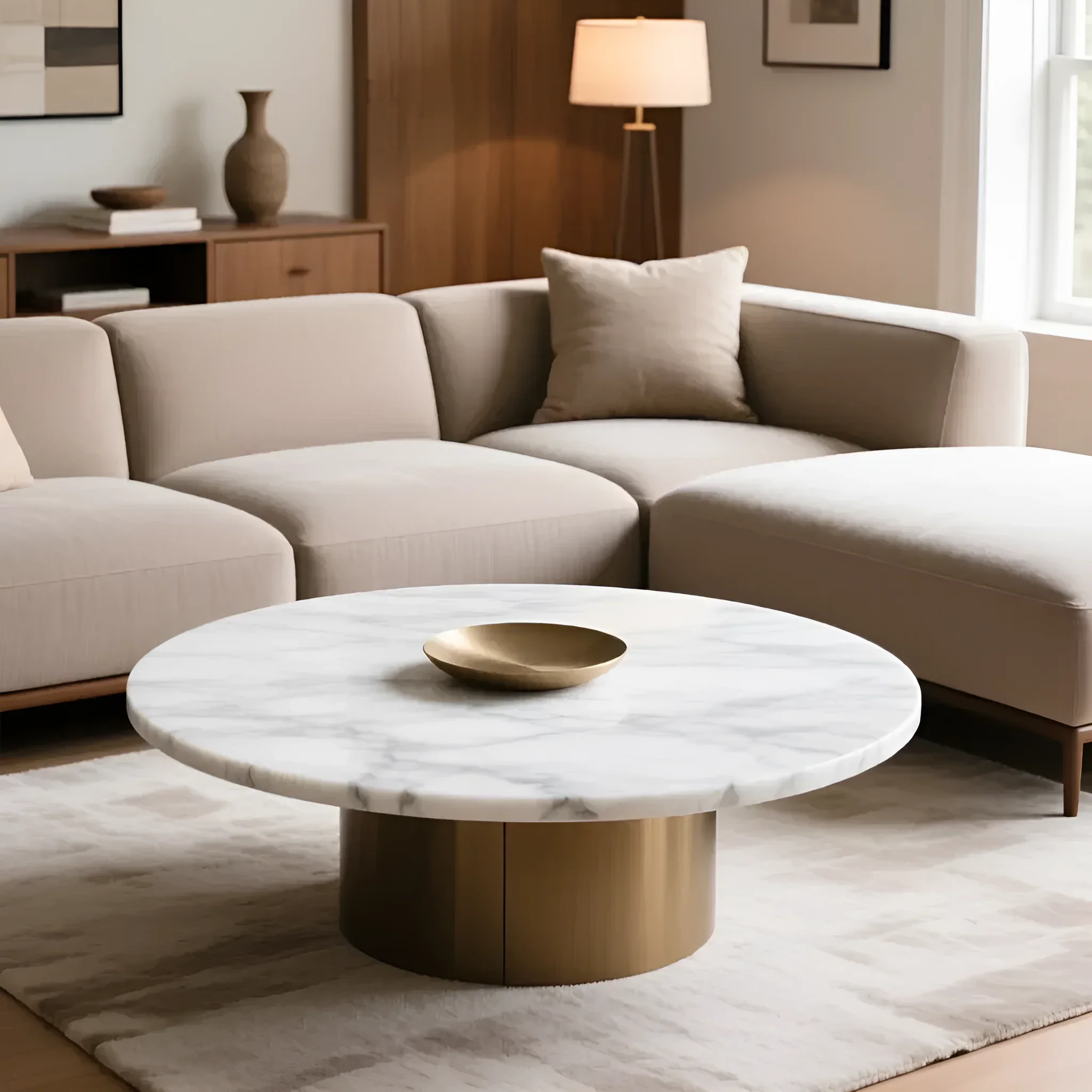
Выбор материала напрямую влияет на долговечность, внешний вид и требования к уходу. Мы сравнили четыре наиболее распространенных варианта, чтобы вы могли принять информированное решение.
Сравнительная таблица материалов столешниц
| Материал | Преимущества (Плюсы) | Недостатки (Минусы) | Рекомендации по уходу | Ценовой сегмент (относительно) |
|---|---|---|---|---|
| Массив дерева (Дуб, Ясень) | Высокая прочность, ремонтопригодность (можно шлифовать), натуральная текстура, долговечность. | Чувствительность к влажности и перепадам температур, высокая цена, необходимость регулярного вощения или пропитки. | Использовать мягкие сухие салфетки, избегать прямого нагрева, раз в 6–12 месяцев обрабатывать маслом или воском. | Высокий |
| Закаленное стекло (8–12 мм) | Визуальная легкость, устойчивость к влаге и высоким температурам, современный вид. Легко чистится. | Отчетливо видны отпечатки пальцев и пыль. Риск сколов по кромке. Высокая звукопроницаемость (стук). | Специальные спреи для стекла, микрофибра. Не использовать абразивные губки. | Средний |
| МДФ/ЛДСП с покрытием | Низкая стоимость, широкая палитра цветов и фактур, устойчивость к царапинам (если покрытие качественное). Легкий вес. | Низкая влагостойкость (особенно ЛДСП), невозможность ремонта глубоких повреждений, чувствительность к агрессивным химикатам. | Слабый мыльный раствор, мягкая ткань. Избегать попадания воды на кромки. | Низкий |
| Металл (Сталь, Алюминий) | Исключительная долговечность, устойчивость к механическим повреждениям, идеален для стиля лофт/индастриал. | Может быть подвержен коррозии (если покрытие повреждено), тяжелый, может оставлять следы на полу (требуются накладки). | Протирать влажной тканью, использовать полироли для металла (для глянцевых поверхностей). | Средний/Высокий |
Экспертный совет: При выборе стеклянного столика всегда уточняйте толщину стекла. Оптимальный минимум для безопасности и прочности — 8 мм, для больших столов — 10–12 мм.
как выбрать идеальный журнальный столик: советы по стилю и функциональности для вашей гостиной
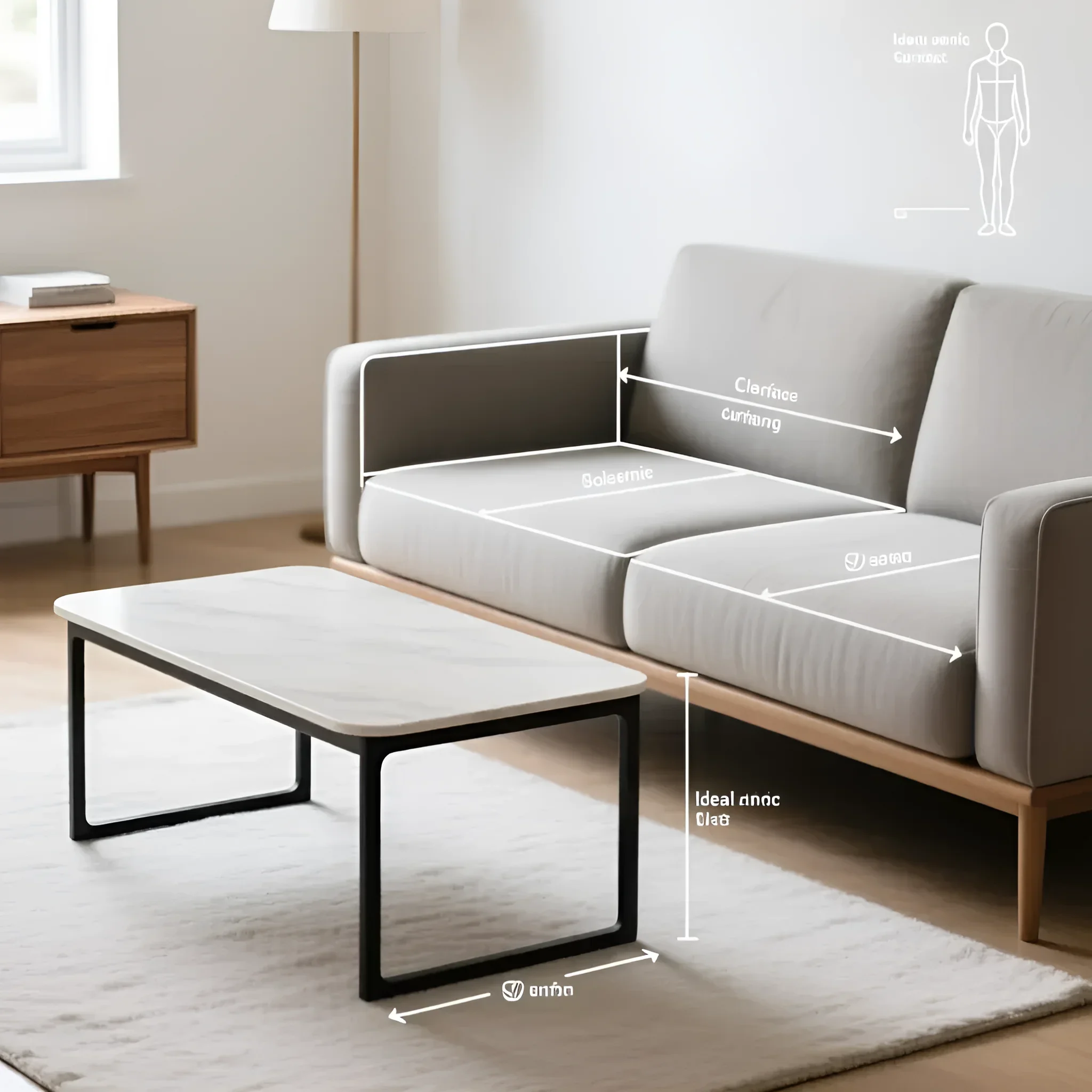
Выбор столика — это баланс между эстетикой и практичностью. Чтобы столик не выглядел инородным элементом, он должен быть пропорционален мягкой мебели и соответствовать вашему образу жизни.
Соответствие стилю дивана
- Объемный диван (модульный): Требует либо крупного прямоугольного стола, либо комплекта из двух-трех столиков (nesting tables) для покрытия всей площади мягкой зоны.
- Прямой диван в классическом стиле: Идеально сочетается с овальными или прямоугольными моделями на четырех ножках, выполненными из массива.
- Диван в стиле минимализм: Подойдут круглые столики на одной ножке или модели с тонкой металлической базой. Столешница может быть выполнена из белого глянца или бетона.
Оценка функциональности
Прежде чем покупать, задайте себе вопросы:
- Для чего столик будет использоваться чаще всего? Если вы планируете на нем работать, необходима высота 60–75 см (или модель-трансформер). Если только для напитков и книг — стандартные 40–45 см.
- Нужно ли дополнительное хранение? Если да, выбирайте модели с выдвижными ящиками, открытыми нишами или полками под столешницей.
- Насколько часто вы передвигаете мебель? Если часто, выбирайте легкие модели (МДФ, тонкий металл) или модели на прорезиненных колесиках.
габариты и эргономика: подбираем размер столика под ваш диван и пространство
Эргономика журнального столика регулируется двумя ключевыми параметрами: его высотой относительно сиденья дивана и расстоянием до него.
Правило высоты
Идеальная высота журнального столика должна быть равна или чуть ниже (на 2–5 см) уровня сиденья вашего дивана. Стандартная высота сиденья дивана составляет 40–45 см, соответственно, оптимальная высота столика — 38–45 см. Если столик слишком низкий (например, 30 см, как некоторые лофт-модели), вам будет неудобно дотягиваться до чашки. Если он слишком высокий (выше 50 см), он будет визуально доминировать и мешать обзору.
Правило длины и ширины
- Длина: Столик должен составлять от 50% до 70% длины дивана. Если диван 220 см, оптимальная длина столика — 110–150 см. Слишком короткий столик выглядит непропорционально.
- Расстояние: Оптимальное расстояние между передним краем дивана и столиком должно составлять 30–45 см. Это позволяет комфортно вставать, не задевая столик, и при этом легко дотягиваться до предметов на нем.
Форма и пространство
Форма столика должна зависеть от конфигурации комнаты и наличия детей/животных:
- Круглые/Овальные: Идеальны для небольших или проходных комнат, а также для семей с маленькими детьми, так как у них нет острых углов. Они смягчают геометрию интерьера. Диаметр 60–90 см.
- Прямоугольные/Квадратные: Максимизируют полезную площадь, хорошо смотрятся перед длинными диванами. Требуют больше свободного места для прохода.
- Комплекты (Nesting): Лучшее решение для ограниченного пространства. В сложенном виде занимают минимум места, при необходимости выдвигаются, увеличивая рабочую площадь.
функциональность современных журнальных столиков: трансформеры, ниши и скрытые полки
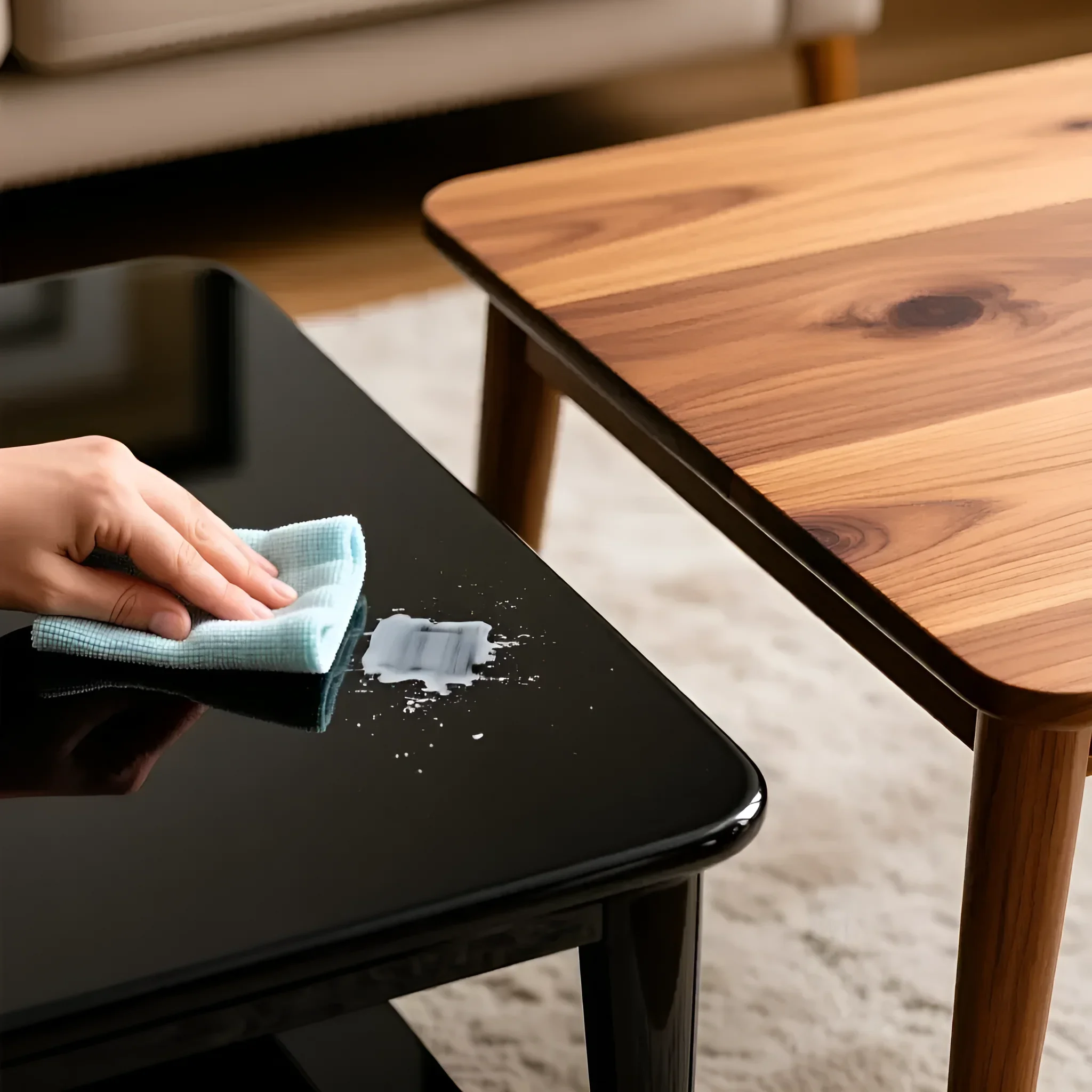
Современные журнальные столики давно перестали быть просто статичными поверхностями. Они интегрируют сложные механизмы и продуманные системы хранения, решая проблему нехватки места в малогабаритных квартирах.
Столики-трансформеры (подъемные механизмы)
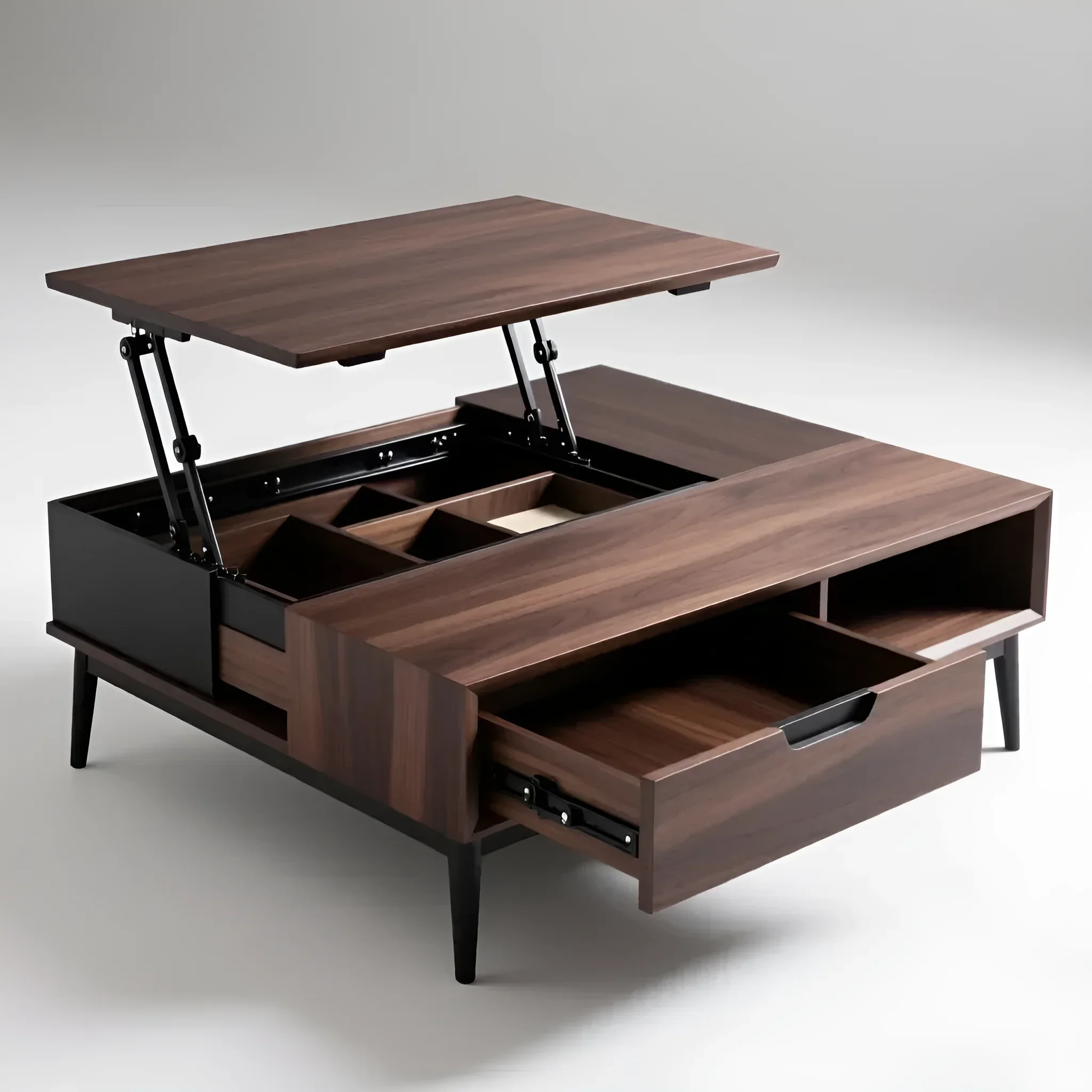
Столики-трансформеры — это мебель «2-в-1», которая за считанные секунды превращает низкий журнальный стол в полноценный обеденный или рабочий стол.
- Механизмы: Самые надежные механизмы — это газлифт (пневматический) или пружинный механизм с металлическими направляющими. Газлифт обеспечивает более плавный подъем, но требует аккуратного обращения. Пружинный механизм более долговечен и выдерживает большую нагрузку (до 15–20 кг).
- Трансформация высоты: Столик может подниматься со стандартных 40–45 см до 70–78 см (обеденная высота).
- Трансформация площади: Столешница может раскладываться вдвое (книжка) или иметь вставку-бабочку, увеличивая длину со 100 см до 200 см.
- Критерии выбора: Всегда проверяйте качество фурнитуры и наличие фиксаторов в поднятом положении. Дешевые механизмы быстро расшатываются и могут быть опасны при эксплуатации.
Хранение и организация
Эффективное хранение делает столик незаменимым элементом порядка в гостиной:
- Скрытые ниши: Столешница поднимается или сдвигается в сторону, открывая большой отсек для хранения пледов, ноутбуков или журналов. Это особенно удобно для моделей с функцией подъема столешницы для работы.
- Выдвижные ящики: Идеальны для хранения мелочей, пультов, батареек. В современных моделях часто используются направляющие полного выдвижения с доводчиком.
- Нижние полки (открытые): Полезны для книг или декоративных элементов. Важно, чтобы расстояние от пола было не менее 10–15 см, чтобы облегчить уборку.
уход за журнальными столиками: продлеваем жизнь дереву, стеклу и лакированным поверхностям
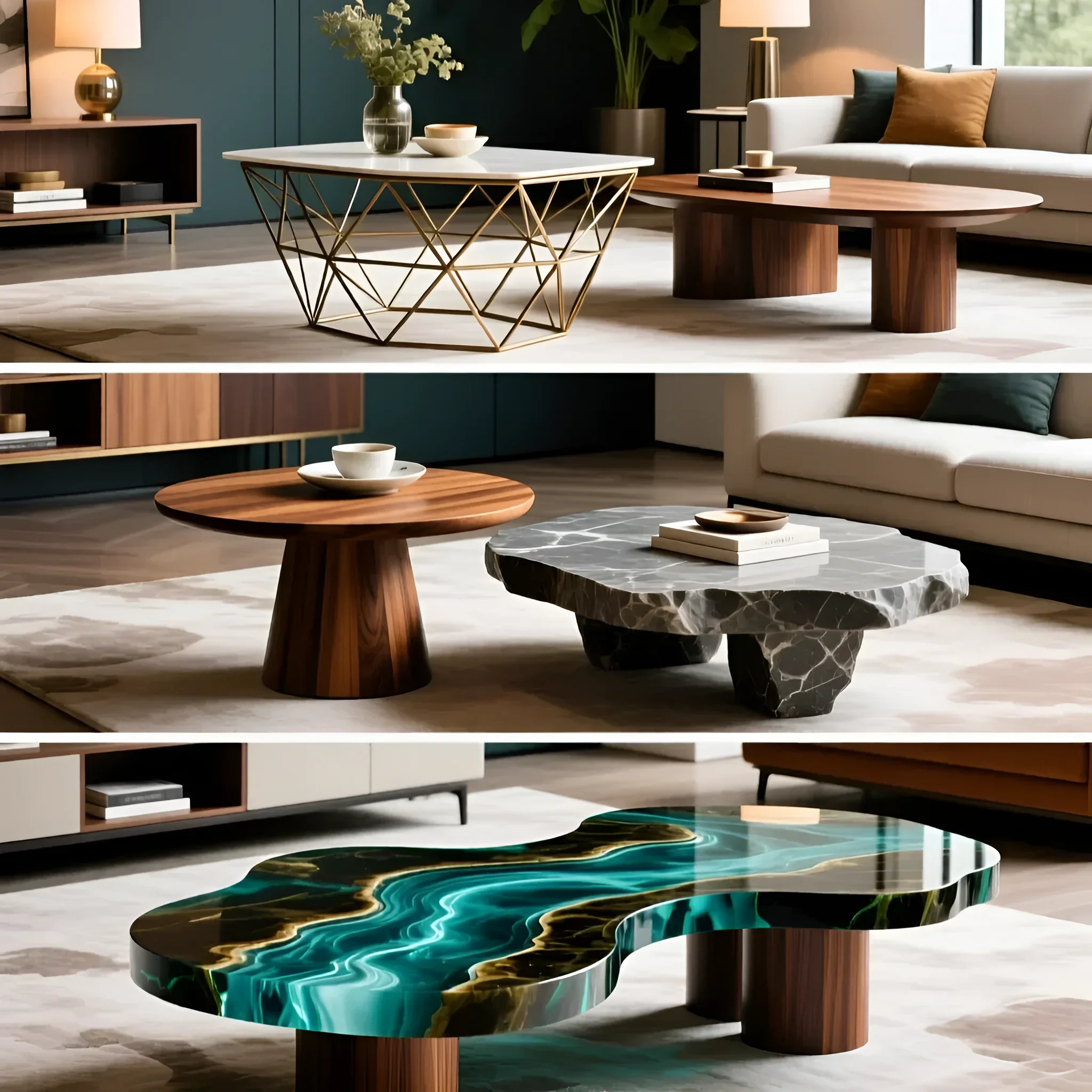
Долговечность журнального столика зависит от правильного и регулярного ухода, который строго регламентируется типом материала.
Уход за массивом дерева (Дуб, Бук)
Дерево чувствительно к влаге и солнечным лучам. Главная задача — поддерживать защитный слой.
- Защита: Всегда используйте подставки (костеры) под горячие чашки и холодные напитки, чтобы избежать белых пятен (термических ожогов) и влажных кругов.
- Чистка: Протирайте только сухой или слегка влажной (хорошо отжатой) мягкой тканью.
- Восстановление: Столики с масляной пропиткой требуют обновления слоя масла (на основе льняного или тунгового) раз в 6–12 месяцев. Полированные и лакированные столики нуждаются в регулярной полировке специальными средствами для мебели, содержащими воск.
Уход за стеклянными столешницами
Стекло очень гигиенично, но требует постоянного внимания, так как на нем заметны малейшие следы.
- Очистка: Используйте специальные спреи для стекла, не содержащие аммиака (особенно если стекло тонированное). Для удаления отпечатков пальцев лучше всего подходит микрофибра.
- Безопасность: Избегайте ударов по кромкам. Если на стекле появились глубокие царапины, их можно попробовать убрать с помощью полировочной пасты (если царапины не сквозные).
Уход за лакированными и глянцевыми поверхностями (МДФ, ЛДСП)
Глянец очень эффектен, но легко царапается и притягивает пыль.
- Протирка: Используйте антистатические салфетки и мягкие, неабразивные чистящие средства. Категорически запрещены порошки и жесткие губки.
- Защита от УФ: Если столик стоит у окна, убедитесь, что лаковое покрытие имеет УФ-фильтры, иначе со временем цвет может выгореть или пожелтеть.
обзор трендовых моделей журнальных столиков: топ-5 для разных интерьеров
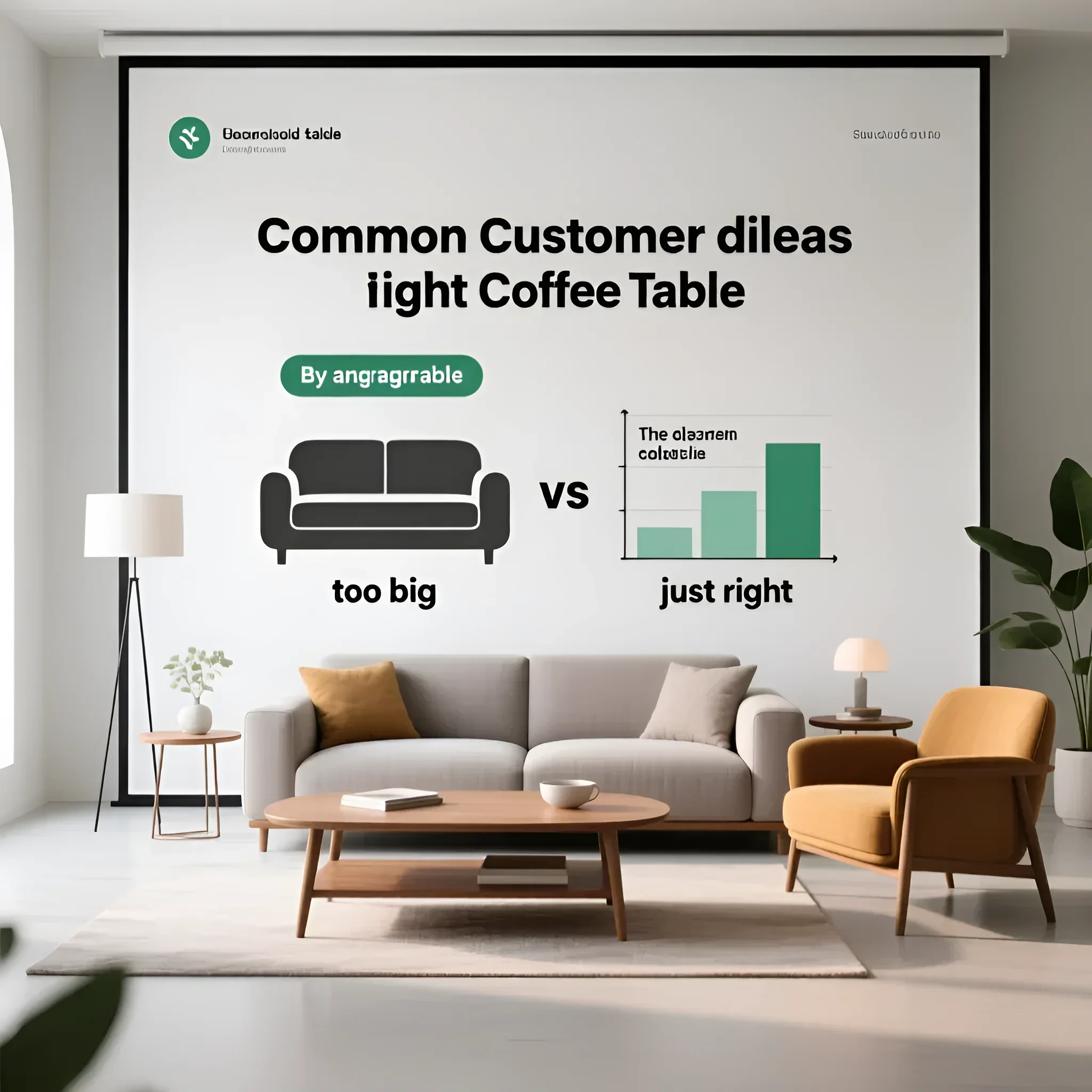
Мебельная мода постоянно меняется, но текущие тренды сосредоточены на натуральности, органических формах и гибкой функциональности. Вот пять самых актуальных типов столиков.
- Столики с органическими формами (Freeform): Столешницы неправильной, округлой формы, имитирующие гальку или каплю. Идеально подходят для современных и эко-интерьеров. Часто изготавливаются из массива дерева или камня (терраццо, мрамор).
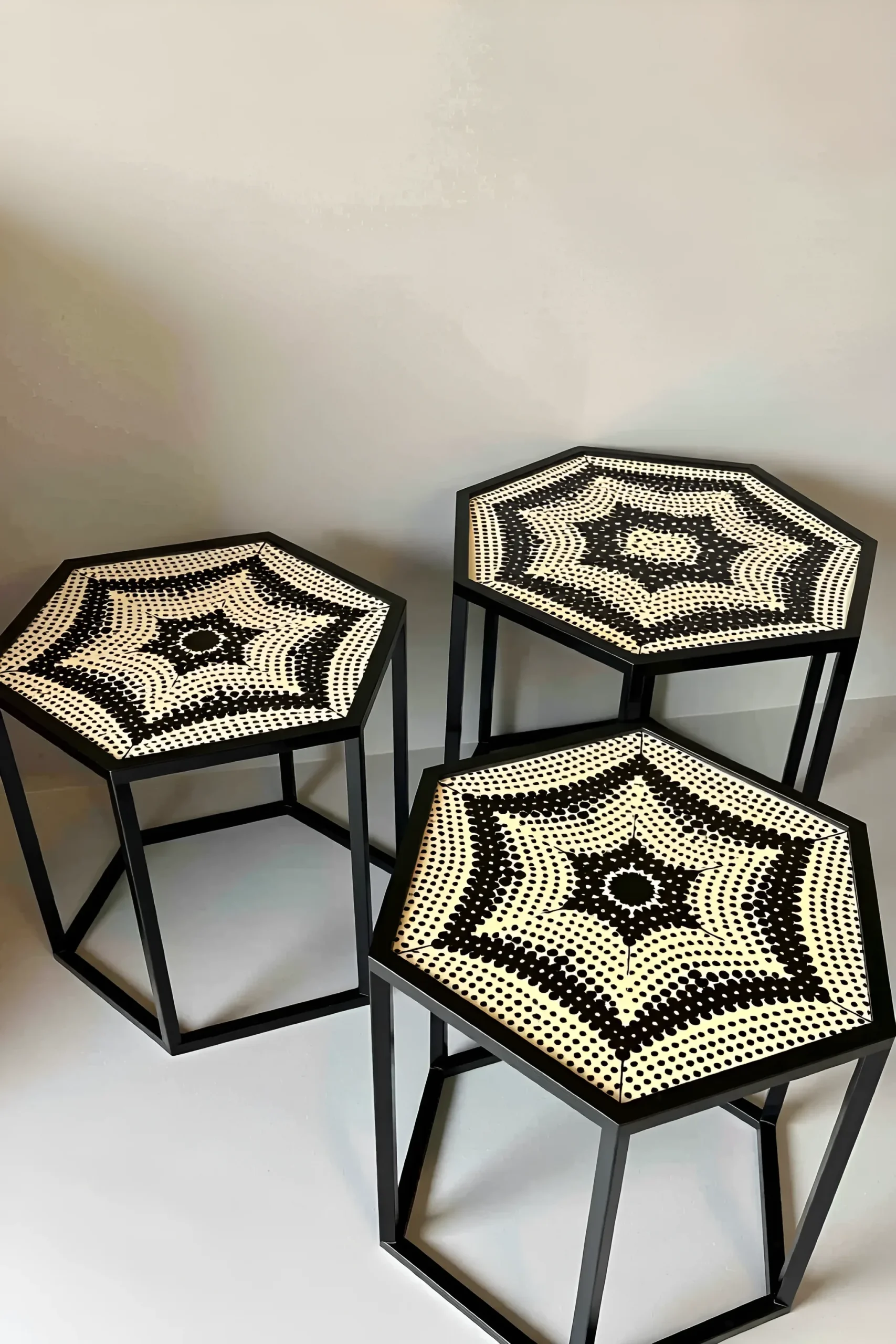
- Комплекты Nesting Tables (Вложенные столики): Абсолютный хит последних лет. Обычно это 2–3 столика разного диаметра и высоты (например, 40 см и 45 см), которые полностью или частично задвигаются друг под друга. Это обеспечивает максимальную гибкость в использовании пространства.
- Модели с каменными столешницами: Мрамор, гранит или искусственный камень (кварцевый агломерат). Камень придает интерьеру статус и прочность. Важно помнить, что натуральный мрамор требует защиты от кислот (кофе, вино). Вес таких моделей может достигать 40–60 кг.
- «Барабаны» или цилиндрические столики: Столик, представляющий собой цельный цилиндр. Часто используются плетеные структуры (ротанг), металлическая сетка или дерево. Обеспечивают максимальную устойчивость и часто имеют внутренний отсек для хранения.
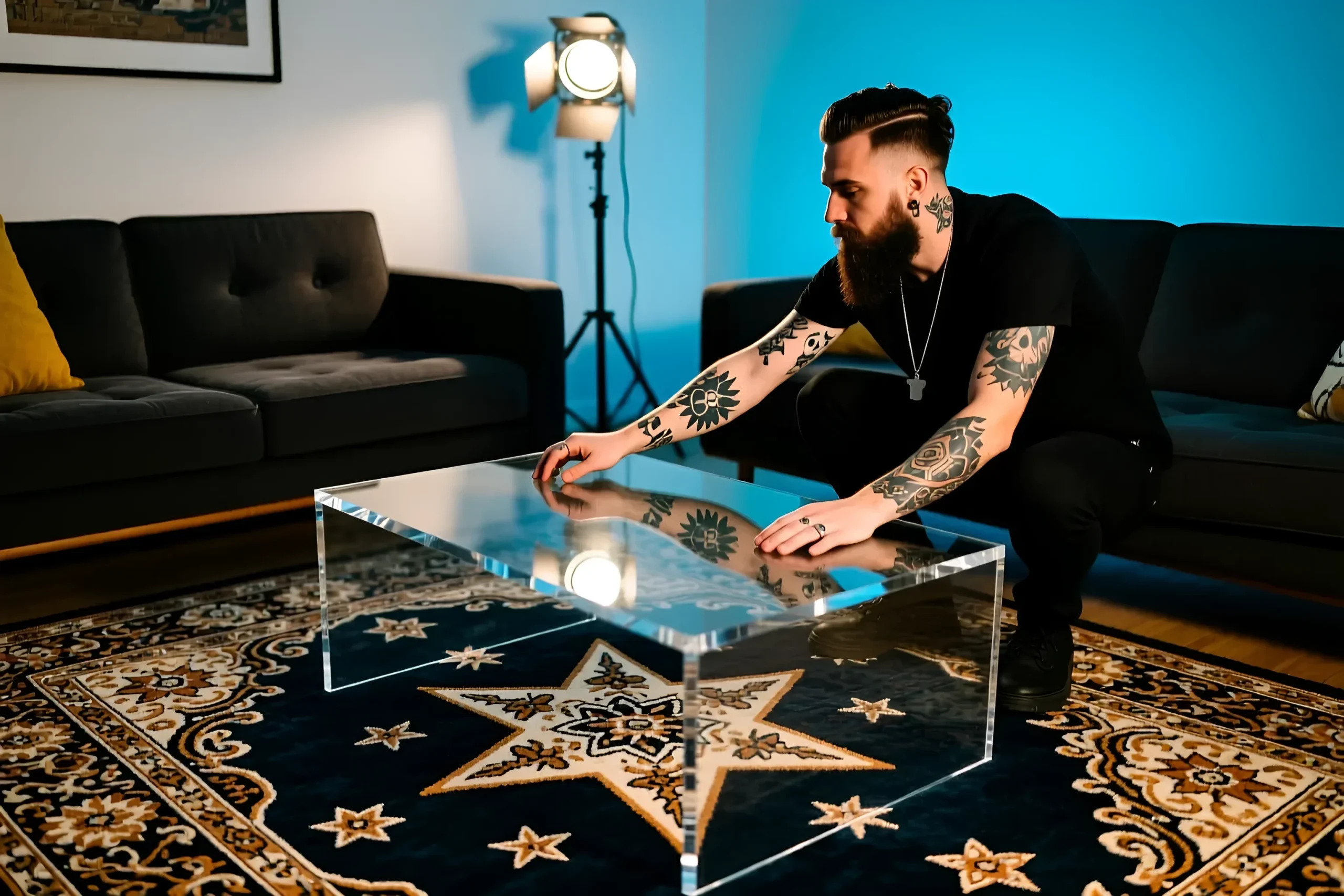
- Прозрачный акрил/поликарбонат: Столики, полностью изготовленные из прозрачного или полупрозрачного пластика. Идеальны для очень маленьких помещений, так как они буквально растворяются в пространстве, не загромождая его визуально.
частые вопросы покупателей о выборе журнального столика (faq)

Отвечаем на наиболее распространенные вопросы, которые возникают у покупателей при выборе идеального журнального столика.
1. Какой вес выдерживает стандартный журнальный столик?
Стандартный статический журнальный столик (на четырех ножках) из МДФ или массива выдерживает распределенную нагрузку от 15 до 30 кг. Столики-трансформеры с качественным металлическим каркасом выдерживают в разложенном виде до 50–70 кг, но это всегда нужно уточнять в техническом паспорте изделия. Стеклянные столики (при толщине 10 мм) легко выдерживают до 20–25 кг.
2. Как подобрать форму столика к Г-образному дивану?
Для угловых (Г-образных) диванов оптимально подходят круглые или квадратные столики, расположенные в углу секции. Круглая форма позволяет обеспечить легкий доступ к столику с обеих сторон дивана, не создавая «мертвых зон». Если диван очень большой, рассмотрите вариант использования двух небольших круглых столиков.
3. Стоит ли покупать столик на колесиках?
Столики на колесиках (роликах) — отличное функциональное решение, особенно для трансформеров или в комнатах, где часто меняется расстановка. Убедитесь, что колесики имеют стопорный механизм (фиксаторы), чтобы столик не двигался, когда вы ставите на него напитки. Отдавайте предпочтение прорезиненным колесикам, которые не царапают напольное покрытие.
4. Какое минимальное расстояние должно быть от столика до телевизора?
Журнальный столик не должен мешать просмотру или проходу. Обычно, если столик не используется как подставка для ног, минимальное расстояние до тумбы под телевизор или самой стены должно быть не менее 80–100 см, чтобы обеспечить свободное перемещение по комнате.
5. Насколько практичны столики с зеркальной поверхностью?
Зеркальные столики (часто используемые в стиле Арт-Деко или гламур) выглядят очень эффектно и визуально расширяют пространство. Однако они требуют очень тщательного ухода, так как на них видны не только отпечатки, но и малейшие царапины, которые трудно скрыть. Рекомендуется использовать такие модели в зонах с минимальной эксплуатацией.
Галерея изображений