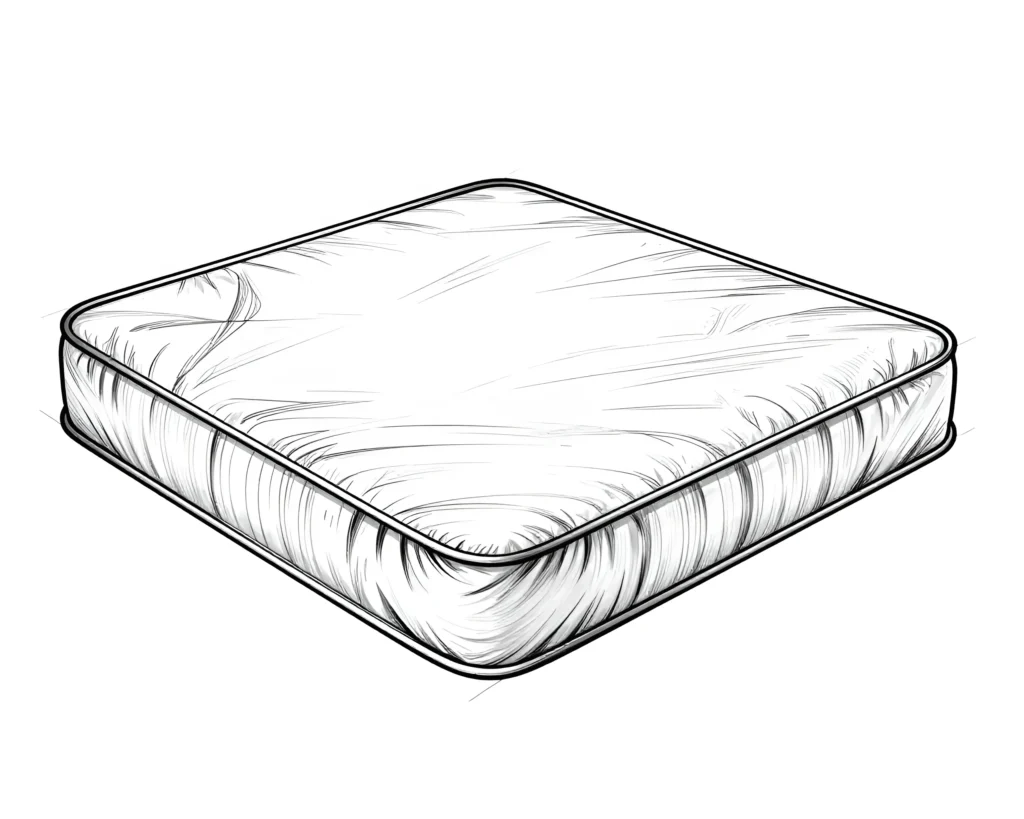
Have you ever noticed that a couple of months after buying a new mattress, stains appear on it, and it starts to "absorb" moisture and odors? This is exactly why the mattress protector was invented. It is a thin protective layer placed between the mattress and the sheet, which takes the "hit" from sweat, spilled juice, dust, and allergens. In this article, we will break down all types of mattress protectors, explain how "aquastop" differs from a simple cover, which materials actually protect against moisture, and how not to make a mistake with the size. Everything is to the point, with specific characteristics and practical tips.
Why you need a mattress protector: 5 main reasons to buy one today
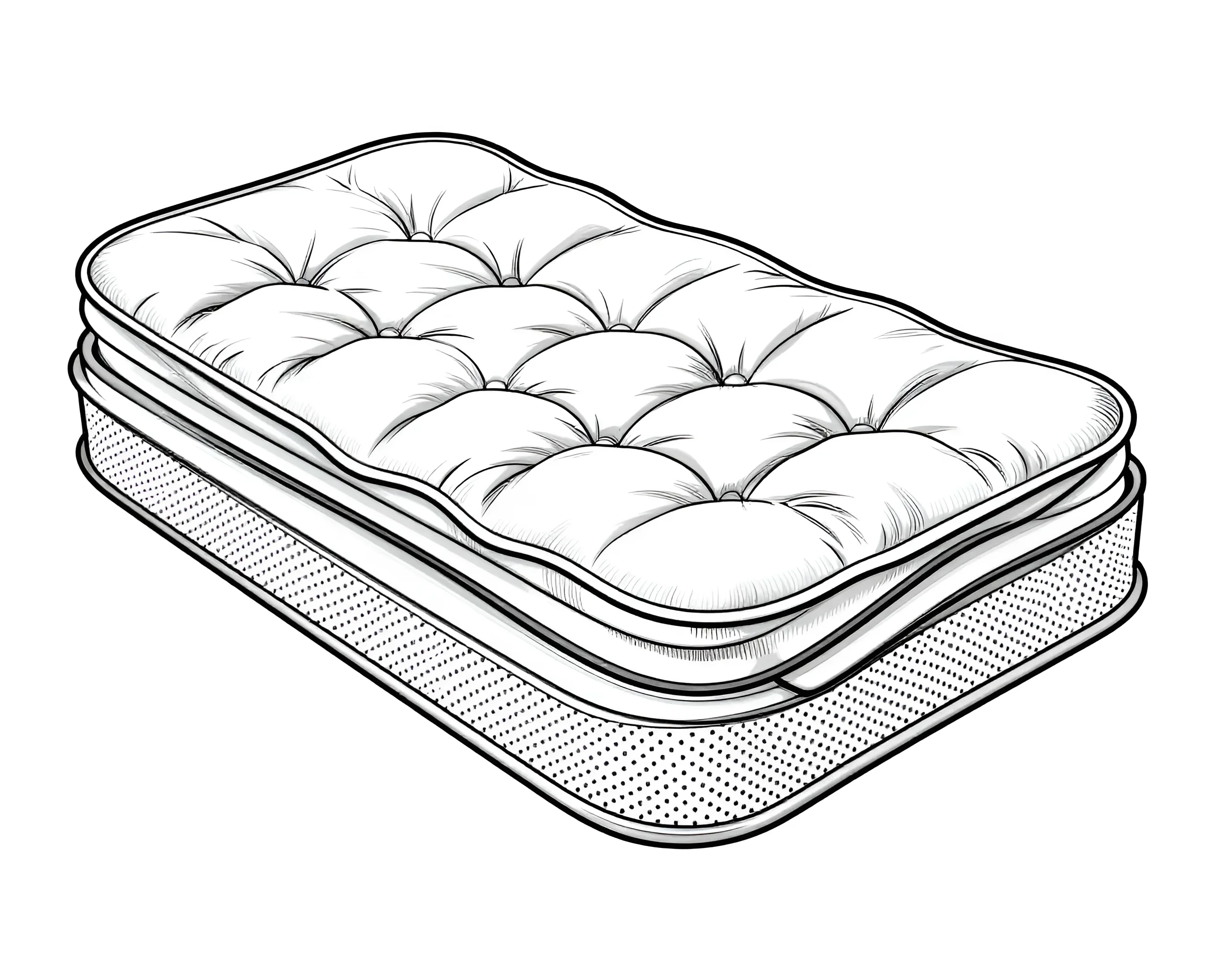
Many consider a mattress protector an unnecessary expense, especially if the mattress is new and expensive. But let's look at things soberly: even the highest quality mattress loses its appearance and properties over time if it is not protected. Here are five compelling reasons why a mattress protector is not a whim, but a necessity.
The first reason is preserving the manufacturer's warranty. Almost all major mattress brands (and not only) explicitly state in their warranty terms: the mattress must not be exposed to liquids, stains, or mechanical damage. If tea or juice spills on the mattress and the stain soaks into the filling, the warranty is voided. A mattress protector with a membrane or just a dense cover takes the liquid on itself, and you can easily wash it, while the mattress remains clean and "insured".
The second reason is hygiene and health. Up to 1.5 kg of dust, skin flakes, mold spores, and mites settle on a mattress in a year. A mattress protector with a tight weave or membrane prevents these particles from penetrating deep into the filling. For people with allergies and asthma, this is critically important: you simply remove the cover and wash it at 60–90 degrees, killing the mites, while the mattress remains "clean".
The third reason is extending the life of the mattress. The spring block, latex, polyurethane foam — all these materials are afraid of moisture and temperature changes. Sweat that we release during sleep (on average 0.3–0.5 liters per night) accumulates in the filling without protection, causing spring deformation, foam decomposition, and the appearance of an unpleasant odor. A mattress protector with a moisture-wicking layer wicks moisture outward, and the mattress lasts 3–5 years longer.
The fourth reason is comfort and tactile sensations. A thin mattress protector made of cotton, bamboo, or microfiber makes the mattress surface softer and more pleasant to the touch. If you have a firm orthopedic mattress, a 1–2 cm thick mattress protector will smooth out the sensations and make sleep more comfortable. If the mattress is too soft, on the contrary, a dense cover will add a little firmness.
The fifth reason is long-term savings. Yes, a mattress protector costs money. But replacing a mattress costs dozens of times more. If you use a mattress protector and take care of it properly, you can extend the life of your mattress by 3–7 years. It's simple arithmetic: one mattress protector pays for itself a hundredfold over 5 years compared to the price of a new mattress.
In addition, a mattress protector is also a way to "update" an old mattress. If the mattress is not quite new but still serves its purpose, a good mattress protector with a soft filling will make its surface even and pleasant, hiding small irregularities and sagging.
Types of mattress protectors: from simple covers to "aquastop" systems
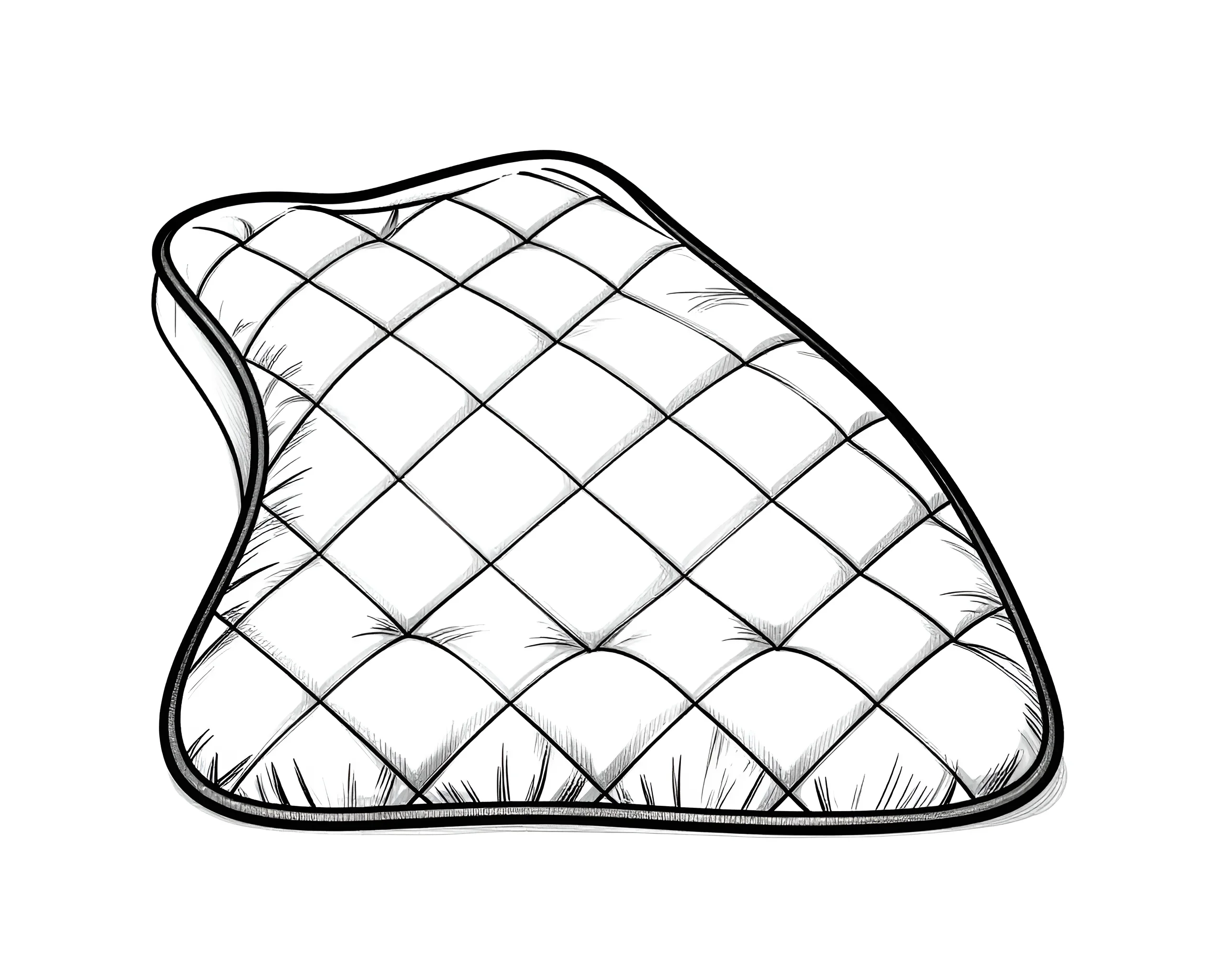
There are many options on the market, and without understanding the differences, it is easy to buy something that does not solve your problem. Let's look at the main types in order — from the simplest to the most functional.
1. Simple cover (cape). This is a thin layer of fabric (cotton, satin, microfiber) without filling and without a membrane. Thickness — 0.1–0.3 mm. Purpose: protection from dust, small debris, light dirt. Does not protect against moisture. Washable at 40–60 degrees. Suitable for those who just want to keep the mattress visually clean. Minus: does not save from spilled liquid, does not wick away moisture.
2. Mattress protector with filling (topper-cover). This is a more voluminous option: fabric + layer of filling (foam, holofiber, latex, coconut coir) + fabric. Thickness — from 1 to 10 cm. Purpose: not only protection but also changing the firmness of the mattress. For example, a thin mattress protector with coconut coir (1–2 cm) will make a soft mattress firmer, and one with foam or latex will make a firm mattress softer. Often has side walls that cover the mattress completely. Washable at 30–40 degrees (if the filling is not latex, which does not like washing).
3. Moisture-wicking mattress protector. Fabric with a one-sided weave: on one side — soft cotton or microfiber (against the body), on the other — a smooth surface along which moisture "rolls" outward. Thickness — 0.3–0.5 mm. Purpose: to wick sweat and moisture away from the mattress, preventing it from being absorbed. It is not completely waterproof — if you spill a glass of water, some will pass through, but sweat and light moisture go outward. Washable at 40–60 degrees.
4. Waterproof mattress protector (with membrane). This is a multi-layer construction: top layer (cotton, bamboo, microfiber) + membrane (polyurethane, TPU, PTFE) + bottom layer (cotton, spunbond). Thickness — 0.5–1.5 mm. The membrane lets steam (moisture in gaseous form) out but does not let liquid through. That is, sweat evaporates and leaves, while spilled water remains on the surface. The degree of water resistance is measured in mm of water column: 1000 mm — basic protection, 5000 mm — good, 10,000 mm and above — maximum. Washable at 30–40 degrees, without bleach.
5. "Aquastop" — reinforced waterproof system. This is, in essence, a waterproof mattress protector with a reinforced membrane and an additional layer. Often has a multi-layer construction: cotton + membrane + spunbond + membrane + cotton. Thickness — 1–3 mm. Degree of water resistance — from 10,000 mm of water column. Purpose: maximum protection against any liquids, including urine, blood, juices. Often used in medical institutions, for children, for people with incontinence. Washable at 30–40 degrees, air dry.
6. Orthopedic mattress protector (topper). This is a full-fledged thin mattress 2–10 cm thick with an orthopedic effect. Filling — latex, memory foam, coconut coir, combinations. Purpose: correction of spine position, relief of load from the lower back. Often has an anatomical shape (height for the head, shoulders, hips). Only the cover is washable, the topper itself is wiped with a damp cloth.
7. Seasonal mattress protector. Light, thin, made of breathable materials (cotton, linen, bamboo). Purpose: in summer — to wick away moisture and make the surface cooler, in winter — to add softness. Thickness — 0.3–1 cm. Washable at 40–60 degrees.
As you can see, the choice is huge. And to avoid confusion, it is important to understand what task you are solving: just protection from dust, sweat wicking, complete protection from liquid, or changing the mattress firmness. The type of mattress protector depends on this.
Materials and their features: what is best for moisture protection
The material is what determines how well the mattress protector performs its function. Let's break down the main options by layers: top (against the body), membrane (if any), and bottom.
Top layer (against the body):
- Cotton (satin, percale, twill). Natural, breathable, pleasant to the touch. Density — from 120 to 250 g/m². The higher the density, the stronger the fabric. Minus: cotton absorbs moisture and takes a long time to dry. For a waterproof mattress protector, cotton is used as the top layer, and moisture is held by the membrane underneath. Washable at 40–60 degrees, does not like chlorine bleach.
- Bamboo (bamboo fiber). Natural, antibacterial, wicks moisture well. Soft and cool to the touch. Density — 150–220 g/m². Minus: more expensive than cotton, may lose properties when washed above 40 degrees. For a waterproof mattress protector, an excellent top layer, as bamboo itself wicks moisture.
- Microfiber (polyester + polyamide). Synthetic, smooth, dries quickly. Density — 100–180 g/m². Minus: may "pill" with frequent washing, does not breathe as well as cotton. For budget waterproof mattress protectors, a normal option, but inferior to natural fabrics in terms of comfort.
- Linen. Natural, durable, cool. Density — 180–250 g/m². Minus: wrinkles, feels rough, expensive. Rarely used for mattress protectors, more often in seasonal options.
Membrane (waterproof layer):
- Polyurethane (PU). The most common option. Thickness — 0.1–0.3 mm. Lets steam through, does not let liquid through. Degree of water resistance — 1000–10,000 mm. Minus: over time (after 2–4 years) it may crack, especially with frequent washing. Does not like high temperatures during drying.
- TPU (thermoplastic polyurethane). A more modern and durable option. Thickness — 0.1–0.2 mm. Lets steam through, does not let liquid through. Degree of water resistance — 5000–20,000 mm. Minus: more expensive than PU. Plus: does not crack as quickly, more flexible, handles washing better.
- PTFE (polytetrafluoroethylene, "Teflon"-like). Maximum water resistance — from 10,000 to 50,000 mm. Used in medical and "aquastop" mattress protectors. Minus: expensive, may be less "breathable" than PU/TPU. For household use — excessive, but for children and medical purposes — ideal.
- Latex membrane. Natural, flexible, breathable. Degree of water resistance — 5000–15,000 mm. Minus: very expensive, rare. Plus: completely natural, does not cause allergies.
Bottom layer:
- Spunbond (non-woven material). Light, breathable, does not absorb moisture. Used as a backing under the membrane. Washable together with the mattress protector.
- Cotton (spunbond-cotton). A softer bottom layer option. Absorbs moisture well if the membrane is damaged.
- Rubber mesh / silicone dots. For fixing the mattress protector on the mattress. Prevents shifting during sleep.
Filling (for mattress protectors with volume):
- Polyurethane foam (foam). Density — 20–80 kg/m³. The higher the density, the longer it lasts. Layer thickness — 1–10 cm. Only the cover is washable.
- Latex (natural or artificial). Density — 60–100 kg/m³. Breathable, elastic, does not absorb moisture. Thickness — 2–10 cm. Not washable, only wiped.
- Coconut coir. Firm filling, makes the mattress firmer. Thickness — 1–3 cm. Not washable.
- Holofiber / synthetic padding. Light, soft, budget-friendly. Thickness — 1–5 cm. Washable at 30–40 degrees.
For a waterproof mattress protector, the optimal combination is: top layer — bamboo or cotton (150–220 g/m²), membrane — TPU (5000–15,000 mm), bottom layer — spunbond + silicone dots for fixation. Such a construction will breathe, protect against liquid, and not slide on the mattress.
How to choose a waterproof mattress protector: step-by-step instructions
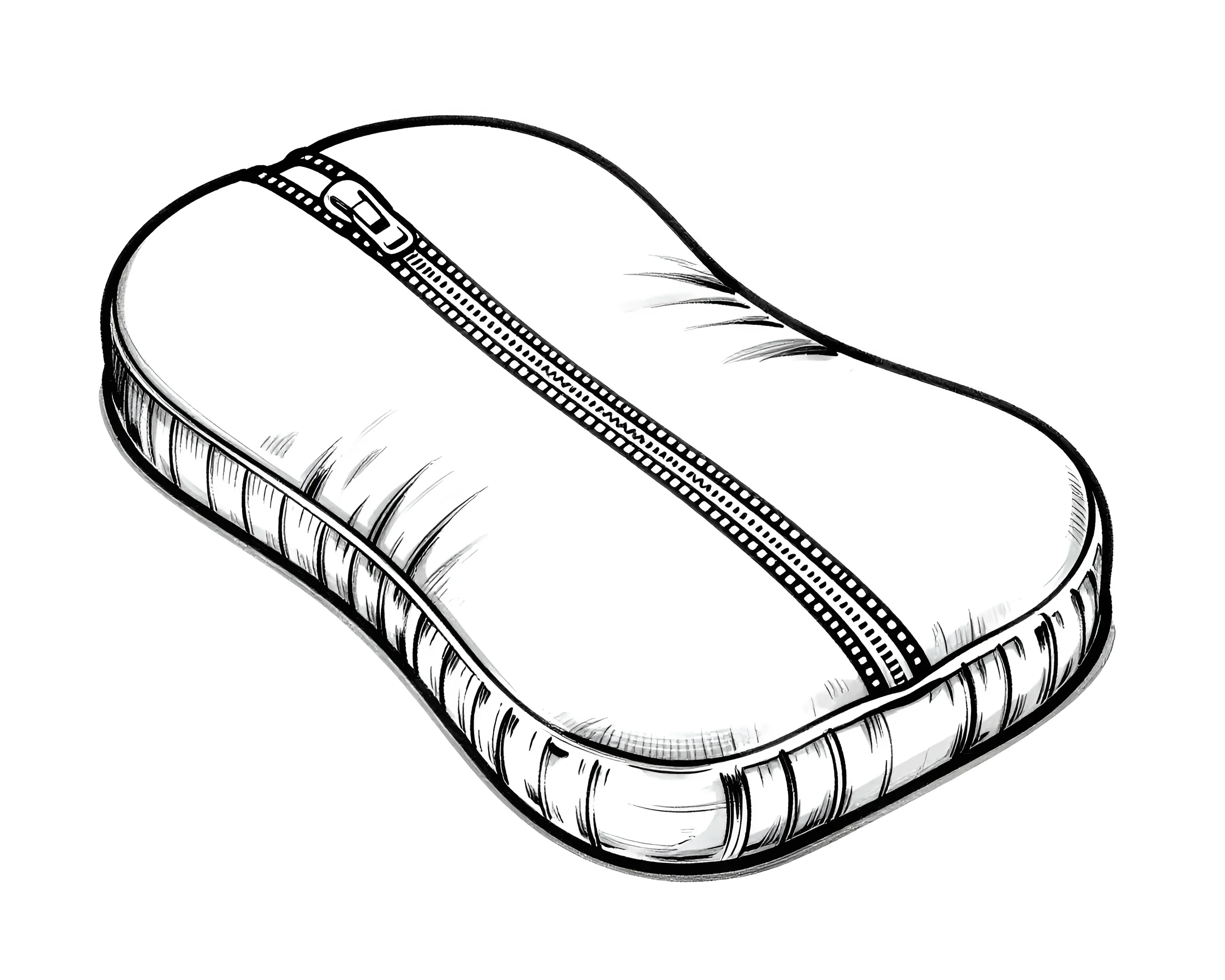
Now let's move to practice. You have decided that you need a waterproof mattress protector (for example, for a child, for an elderly person, to protect an expensive mattress, or for use in a guest room). Here is a step-by-step selection algorithm that will help you not overpay and not buy "the wrong thing".
Step 1. Define the task. What exactly do you need to protect? If it's protection from spilled liquids (juices, tea, wine) — a 5000 mm membrane is enough. If protection from urine (children, elderly, medical purposes) — from 10,000 mm. If protection from blood (post-operative period, childbirth) — from 15,000–20,000 mm. The higher the task, the thicker and stronger the membrane should be.
Step 2. Choose the type of membrane. For household use (protection from sweat and accidental spills) — PU or TPU 5000–10,000 mm. For children and medical purposes — TPU or PTFE 10,000–20,000 mm. For maximum protection — a multi-layer construction with two membranes. Pay attention to the labeling: the degree of water resistance in mm of water column should be indicated on the packaging or in the description. If it is not there — this is a reason to be wary.
Step 3. Evaluate the top layer. It should be pleasant to the body, as you will be sleeping on it. Cotton and bamboo are the best options. Microfiber is acceptable but less comfortable. Top layer density — at least 150 g/m², otherwise the fabric will wear out quickly. Check the seams: they should be glued or welded (thermal welding), and not just stitched with threads, otherwise moisture will seep through the seams.
Step 4. Check the fixation. A waterproof mattress protector should not slide on the mattress. Look for options with: elastic sides (like a fitted sheet), silicone dots or mesh on the bottom side, or side walls that wrap around the mattress. If the mattress protector just lies on top without fixation, it will shift during sleep, and the protection will be uneven.
Step 5. Make sure the mattress protector breathes. Waterproof does not mean "vapor-proof". A good mattress protector with a membrane lets water vapor out (vapor permeability index from 500 to 2000 g/m²/24h). If the membrane is completely airtight (like film), moisture will accumulate under it, and you will sleep in a "greenhouse". Check the vapor permeability index in the specifications.
Step 6. Choose the size. More on this in the next section, but the main rule: the mattress protector must exactly match the size of the mattress or be 2–3 cm larger around the perimeter (for options with sides). Do not buy "by eye" — measure the mattress with a tape measure.
Step 7. Evaluate the ease of care. A waterproof mattress protector needs to be washed regularly (every 1–2 months). Make sure it fits in your washing machine (check the drum dimensions). If the mattress protector is 160×200 cm and the machine drum is 5 kg — it may not fit or spin poorly. In this case, look for options with less thickness or plan to wash it at a dry cleaner.
Step 8. Check certificates. For waterproof mattress protectors, especially children's and medical ones, safety certificates are important: absence of formaldehyde, heavy metals, compliance with standards (GOST, OEKO-TEX, GOTS). If the mattress protector will lie on a mattress where a child or allergy sufferer sleeps, certificates are not a formality, but a necessity.
Additional tip: if you are choosing between two similar options, look at the membrane thickness and the number of layers. The more layers and the thicker the membrane, the longer the mattress protector will last. A thin single-layer membrane (0.1 mm) may tear after 5–10 washes, while a multi-layer construction (membrane 0.2 mm + spunbond + membrane 0.1 mm) will last 3–5 years with regular use.
Sizes and dimensions: how not to make a mistake with the purchase
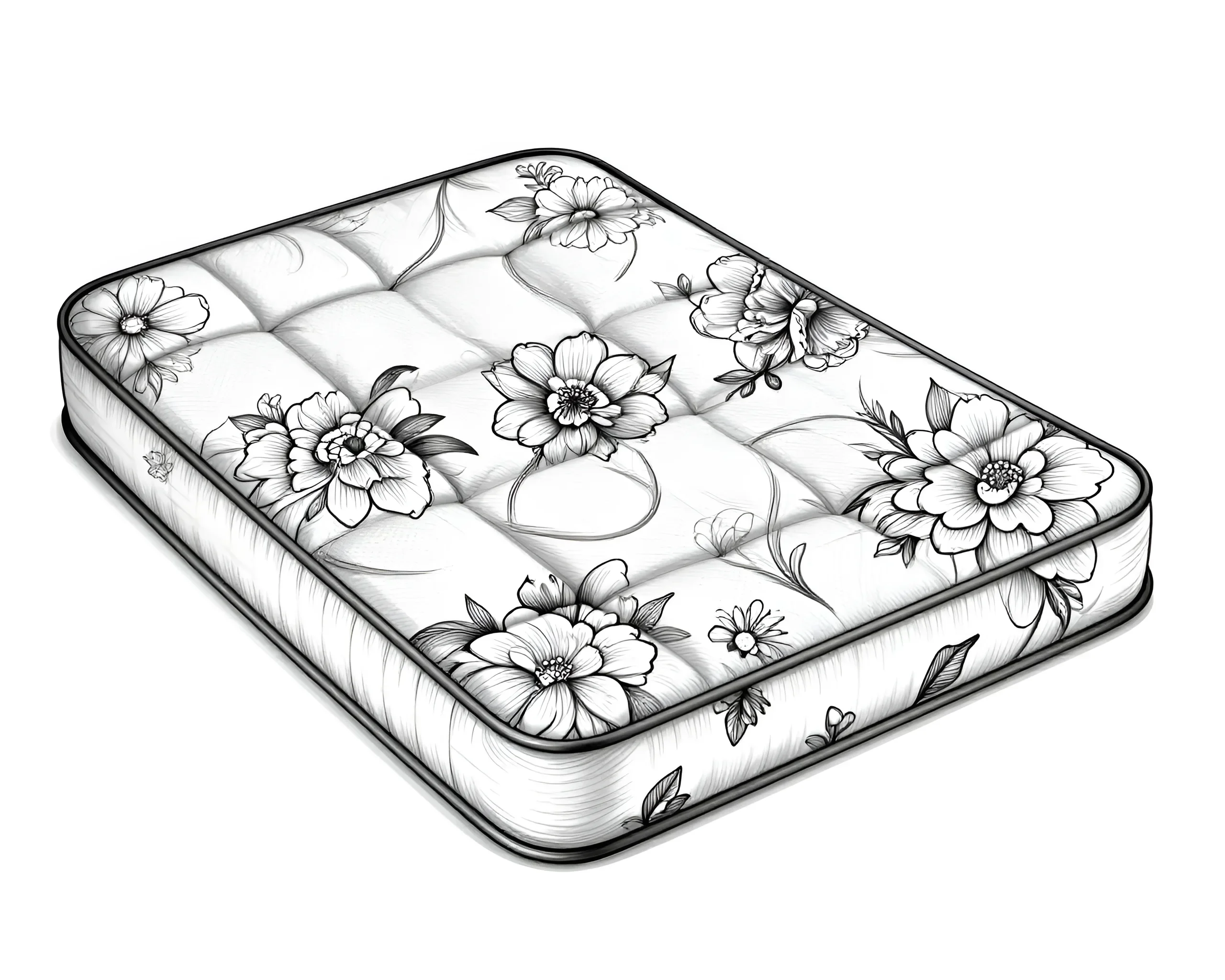
One of the most common mistakes when buying a mattress protector is choosing the wrong size. As a result, it either sags, bunches up, or does not cover the mattress completely. Let's figure out how to measure and choose the size correctly.
Standard mattress (and mattress protector) sizes in Russia and the CIS:
- Single: 80×190 cm, 90×190 cm, 80×200 cm, 90×200 cm
- One-and-a-half: 120×190 cm, 140×190 cm, 140×200 cm
- Double: 160×190 cm, 160×200 cm, 180×190 cm, 180×200 cm
- King size: 200×200 cm, 180×200 cm
- Children's: 60×120 cm, 60×160 cm, 70×160 cm, 70×190 cm
- Sofa (for folding sofas): 70×190 cm, 80×190 cm, 140×200 cm, 160×200 cm (depends on the sofa model)
How to measure a mattress:
- Place the mattress on the floor (if it is on a bed, remove the sheet and duvet cover).
- Measure the length and width with a tape measure along the surface (not at the corners, but in the middle of each side).
- Measure the height of the mattress (thickness) — this is important for mattress protectors with sides so they are not too short.
- Write down all three numbers: length, width, height.
Rules for choosing the size of a mattress protector:
- Without sides (just the top layer): the mattress protector should be 2–5 cm larger than the mattress in length and width. For example, for a 160×200 cm mattress, take a 165×205 cm or 170×210 cm mattress protector. This will provide a margin to tuck the edges under the mattress or fix them.
- With sides (like a fitted sheet): the mattress protector must exactly match the size of the mattress or be 1–2 cm larger. The sides must wrap around the mattress along the perimeter and go onto the bottom edge. The side height must be no less than the mattress height (usually 15–25 cm for standard mattresses, 25–35 cm for orthopedic ones).
- For sofas: measure the sleeping area of the sofa in the unfolded state, not the sofa itself. Often the size of the sleeping area differs from the dimensions of the sofa. Measure the length, width, and depth (the height of the sleeping area above the floor is not important, the thickness of the sofa mattress/filling is).
- For cribs: the size of the mattress protector must exactly match the size of the crib mattress, as the sides of the crib do not allow "tucking in" the excess. Usually 60×120 cm or 70×160 cm.
Common mistakes:
- Buying a mattress protector "by eye" without measuring. Result: does not fit the size.
- Buying a mattress protector without considering the mattress height. Result: sides do not reach the bottom edge, the mattress protector slips off.
- Buying a mattress protector for a sofa based on the size of the sofa itself, not the sleeping area. Result: does not match.
- Ignoring the fact that the mattress may "settle" or "expand" after purchase. If the mattress is new and has not yet expanded, it is better to take a mattress protector with a 2–3 cm margin.
Tip: if you are not sure about the size, take a mattress protector with a margin (5 cm larger) and with elastic sides. Elastic sides will stretch and fit a mattress of any size within ±5 cm. This is the most universal option.
Mattress protectors for children: safety and practicality
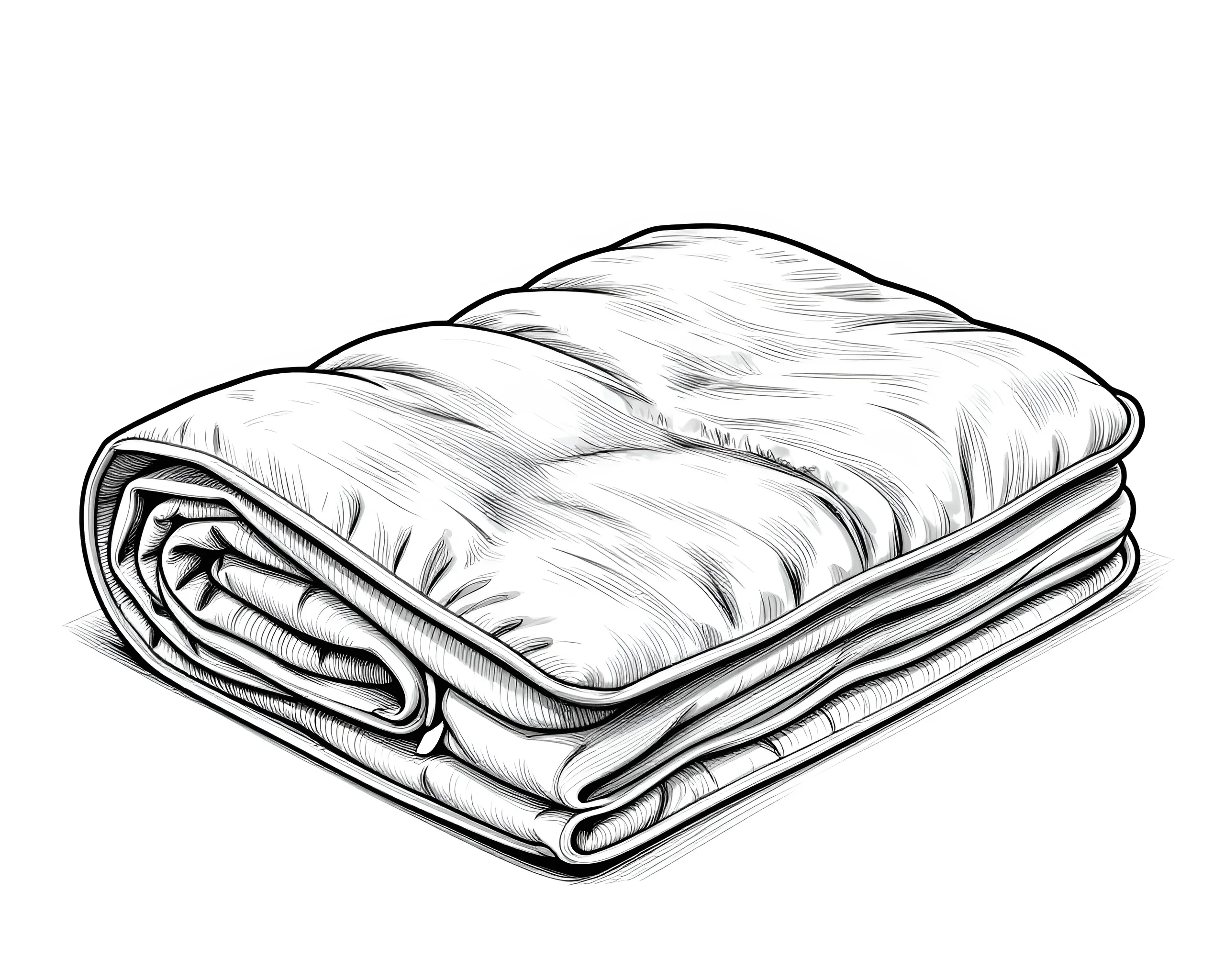
A children's mattress protector is a separate category, and the requirements for it are higher than for an adult one. A child can urinate, vomit, chew, spill juices and porridges. Plus, a child's skin is more sensitive, and materials must be hypoallergenic. Let's break down what is important for a children's mattress protector.
Age-related features:
- Infants (0–1 year): need a waterproof mattress protector with a soft membrane (TPU, 5000–10,000 mm), top layer — cotton or bamboo (hypoallergenic). Size — exactly for the crib mattress (60×120 cm or 70×160 cm). Fixation — silicone dots or elastic sides so it does not shift. Mandatory: no seams on the top surface (the child lies on their back and stomach, seams can press). Certificates: OEKO-TEX Standard 100, absence of formaldehyde.
- Toddlers (1–3 years): the child begins to stand, crawl, can tear and chew. Need a waterproof mattress protector with a reinforced membrane (10,000 mm), top layer — dense cotton (200–250 g/m²). Fixation — elastic sides or elastic bands around the perimeter. Size — for the bed mattress (70×160 cm, 80×190 cm). Important: no small parts that the child can tear off and swallow.
- Preschoolers (3–7 years): the child is already "active", can spill water, juice, draw on the mattress protector. Need a waterproof mattress protector with a 10,000–15,000 mm membrane, top layer — cotton or microfiber (easy to wash). Size — for the bed mattress (90×190 cm, 120×190 cm). Fixation — elastic sides. Important: washing at 60–90 degrees (kills bacteria and mites).
- Schoolchildren (7–14 years): closer to adult requirements, but taking into account growth and activity. Waterproof mattress protector with a 5000–10,000 mm membrane, top layer — cotton, bamboo, or microfiber. Size — for the mattress (120×190 cm, 140×190 cm, 160×200 cm). Fixation — elastic sides or silicone dots.
Safety: what to pay attention to:
- Materials: only certified fabrics and membranes. No "unclear" plastic. Top layer — natural cotton or bamboo (not synthetics that can cause allergies).
- No smell: a new mattress protector should not smell like chemicals. If there is a smell — air it out for 2–3 days before use. A strong chemical smell is a reason to return the product.
- Seams: there should be no seams on the top surface (where the child lies). If there are seams — they should be flat, glued, without sticking out threads.
- Fixation: the mattress protector should not shift, fold, or form "hills" that the child can slip on or get stuck in.
- Washing: a children's mattress protector needs to be washed more often than an adult one (every 1–2 weeks). Make sure it withstands washing at 60–90 degrees and frequent drying.
Practical tips for parents:
- Buy two mattress protectors: one on the mattress, the second in the wash or as a spare. This way you will always be clean.
- If the child still wets the bed — take a membrane from 10,000 mm and wash at 60 degrees at least once a week.
- For children with allergies — only cotton or bamboo, washing at 60–90 degrees, without fabric softener (it settles on the fabric and can cause a reaction).
- Do not use a mattress protector with filling (topper) for children under 3 years old: if the child tears or chews, the filling can be damaged, and the child will get access to the foam or holofiber.
- Check the mattress protector before sleep: are there any holes, cracks, detached seams. If the membrane is damaged — replace the mattress protector, otherwise the protection does not work.


