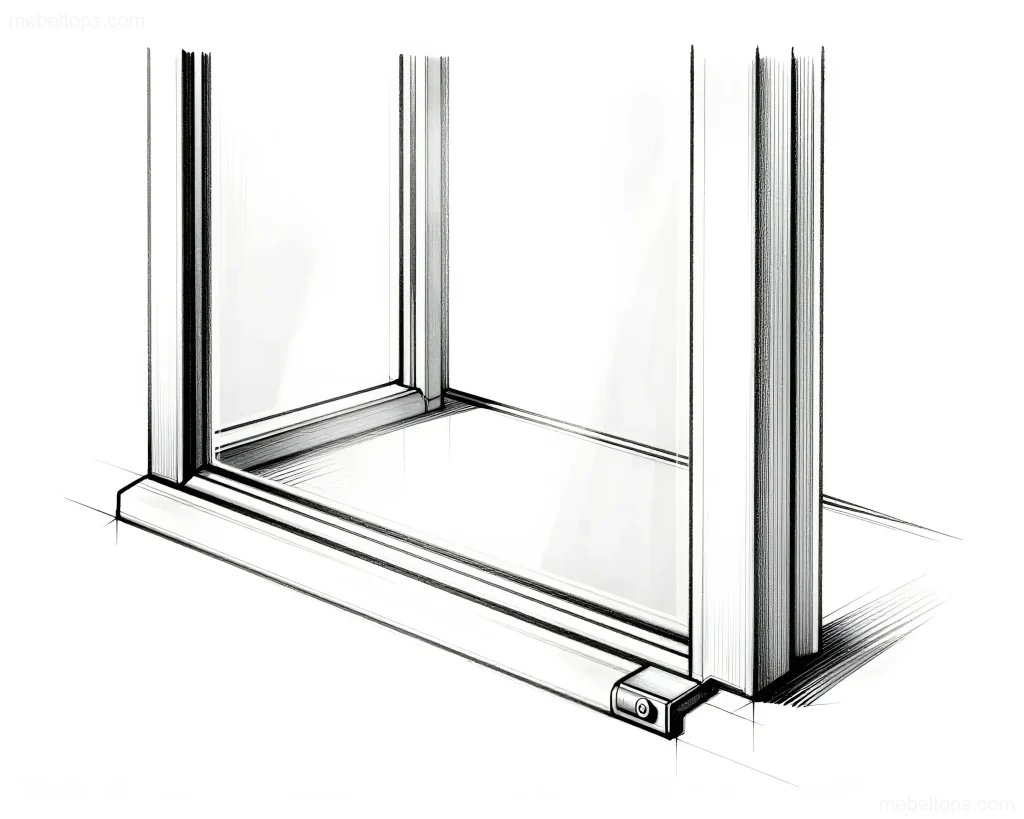
A sliding wardrobe door is not just the "front wall" of a piece of furniture. It is what you see every morning when you open your eyes in your bedroom. It is the surface you touch dozens of times a day, running your palm over smooth glass or warm wood. And it is the choice of door material that determines whether your wardrobe will delight your eyes for years or start to annoy you after just a couple of months of use. In this guide, we will break down each of the main materials in detail — from classic mirrors to modern milled MDF panels — so that you can make an informed decision with confidence that you are choosing exactly what suits your interior, lifestyle, and expectations of the furniture.
Overview of materials for sliding wardrobe doors: what is actually on the market
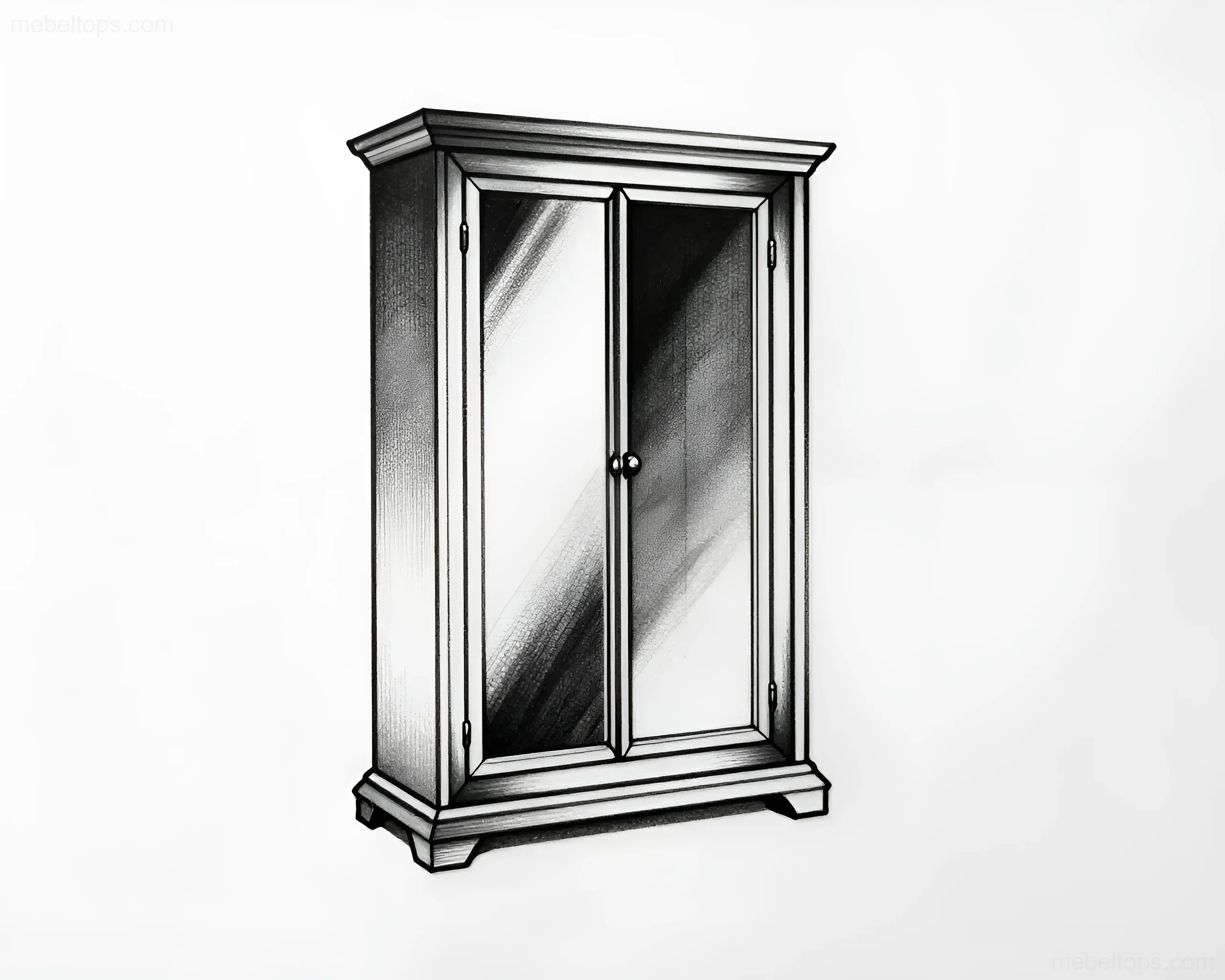
When you start choosing a sliding wardrobe, you usually face the question: "What are the doors actually made of?" And the answer turns out to be much more diverse than it seems at first glance. Let's go through all the main options you will encounter in furniture salon catalogs and on manufacturer websites.
Glass is perhaps the most versatile material for doors. It can be transparent, frosted, tinted, sandblasted, or coated with metallized films. Glass visually lightens the structure, makes the wardrobe "weightless," and does not clutter the space. For sliding wardrobe doors, glass from 4 to 6 mm thick is used, with 4 mm being the standard for most models, and 6 mm chosen for panels wider than 80 cm or when additional rigidity is important.
Mirror is, in essence, glass with a reflective layer (usually aluminum or silver) applied to the back. Mirrored doors are a classic genre for sliding wardrobes, especially in small rooms where it is important to visually expand the space. The thickness of mirrors for furniture doors is 4 or 5 mm. The edges of the mirror are necessarily processed: polished, beveled, or covered with a decorative edge to eliminate the risk of cutting.
MDF (Medium Density Fiberboard) is a fiberboard made from wood fiber and a synthetic resin-based binder. For doors, MDF with a thickness of 10, 16, or 19 mm is used. The MDF surface can be smooth (lacquered, enameled, with PVC film) or textured (wood-look, stone-look, with relief). MDF holds milling perfectly, which opens up huge opportunities for decorative solutions.
Laminated Chipboard (LDSP) is a more budget-friendly option consisting of wood chips impregnated with resin and covered with a decorative melamine film. The thickness for doors is 16 or 18 mm. LDSP cannot be milled (the chip structure does not allow for a clean relief), but it offers a huge selection of textures and colors, including realistic wood imitations.
Milled panels are not a separate material, but a method of processing MDF or solid wood. Milling creates relief patterns, frames, panels, and ornaments on the surface. It is milling that turns a flat panel into an expressive decorative element capable of setting the tone for the entire interior.
Combined solutions are a combination of two or more materials in one door or in a set of doors for one wardrobe. For example, a mirror panel combined with an MDF insert, or a glass section next to a wood-look LDSP panel. Combinations allow you to play with the contrast of textures and create individual solutions.
Each of these materials has its strengths and weaknesses, and the choice depends on many factors: room size, interior style, presence of children and pets, intensity of use, personal preferences regarding tactility and visual load. Below, we will analyze each material in more detail.
Glass: transparency, lightness, and play of light
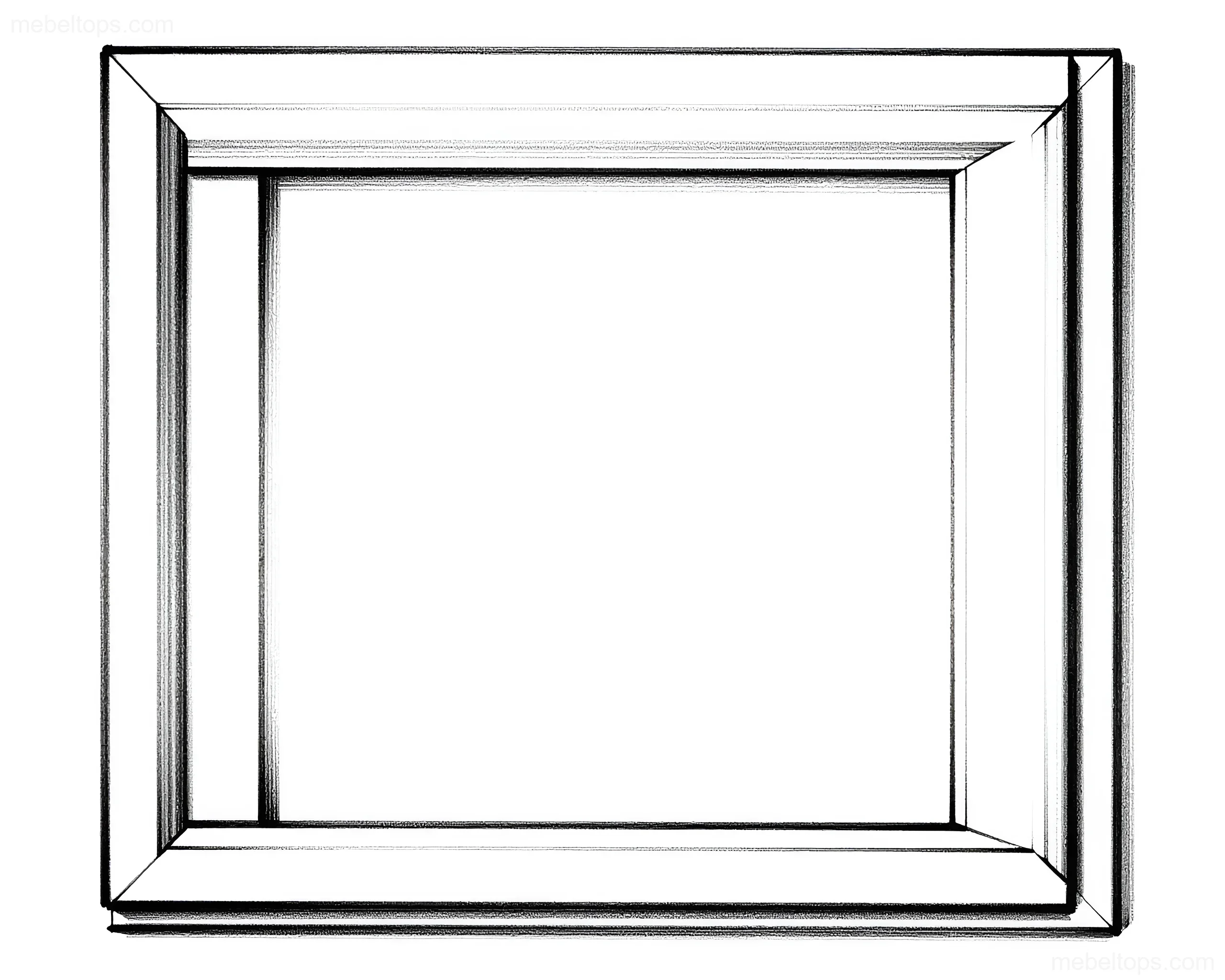
A glass door is the choice for those who value visual lightness and do not want the wardrobe to "eat up" space. Even with impressive dimensions (height up to 270 cm, width up to 120 cm per door), a glass panel does not create the feeling of a massive wall. Light passes through it, reflects, refracts — and the room remains bright and "airy."
Types of glass for doors:
- Transparent (clear) is a classic. It allows you to see the contents of the wardrobe if it is not covered by internal shelves. In sliding wardrobes, transparent glass is more often used in combination with opaque inserts so as not to turn the interior into a display case. A thickness of 4 mm is sufficient for doors up to 60 cm wide.
- Frosted (milky, satin) is glass treated with a sandblaster or covered with a matting film. It does not let a direct image through but diffuses light. An excellent option for wardrobes in the bedroom or nursery, where privacy is important but you want to maintain light permeability. A frosted surface does not show fingerprints as clearly as a glossy one, which simplifies maintenance.
- Tinted is glass with metal oxides added to the melt, which gives it color: graphite, bronze, green, blue, gray. Tinting can be of different densities: from a light haze to an almost opaque dark tone. Tinted glass fits perfectly into modern styles and adds depth to the interior.
- Coated (metallized) involves applying a thin layer of metal (aluminum, chrome, gold, copper) to the glass surface. It creates a "liquid metal" effect that shimmers when the viewing angle changes. Very effective, but requires careful maintenance so as not to scratch the coating.
- Lacobel (glass with decorative coating) involves applying a film or paint with a pattern, geometric design, or photo print to the glass. Lacobel allows you to implement almost any design: from abstract brushstrokes to painting reproductions. The coating protects the pattern from abrasion.
Tactility and sensations. Glass is cool to the touch, smooth, with a characteristic "cold" response to touch. If you like the feeling of cool smoothness under your palm, a glass door will be pleasant in daily contact. If you prefer the warm, slightly rough surface of wood, glass may seem too "sterile."
Strength and safety. Ordinary (non-tempered) glass for sliding wardrobe doors is no longer the same as window glass. Furniture glass undergoes annealing and has a uniform thickness over the entire area. However, under strong mechanical impact (a blow with a blunt object, a roller jamming followed by a jerk), it can crack. Therefore, for wardrobes in nurseries and homes with active children, tempered glass (thermally treated, 5–7 times stronger than ordinary) or glass with a protective film that holds shards in case of damage is recommended.
Expanding space. Transparent and frosted glass do not block light passing through the room. Unlike a massive wooden panel, a glass door does not create a "dark spot" on the wall. This is especially important in poorly lit rooms, on the north sides, and in corridors without windows.
Mirror: a classic that doesn't age
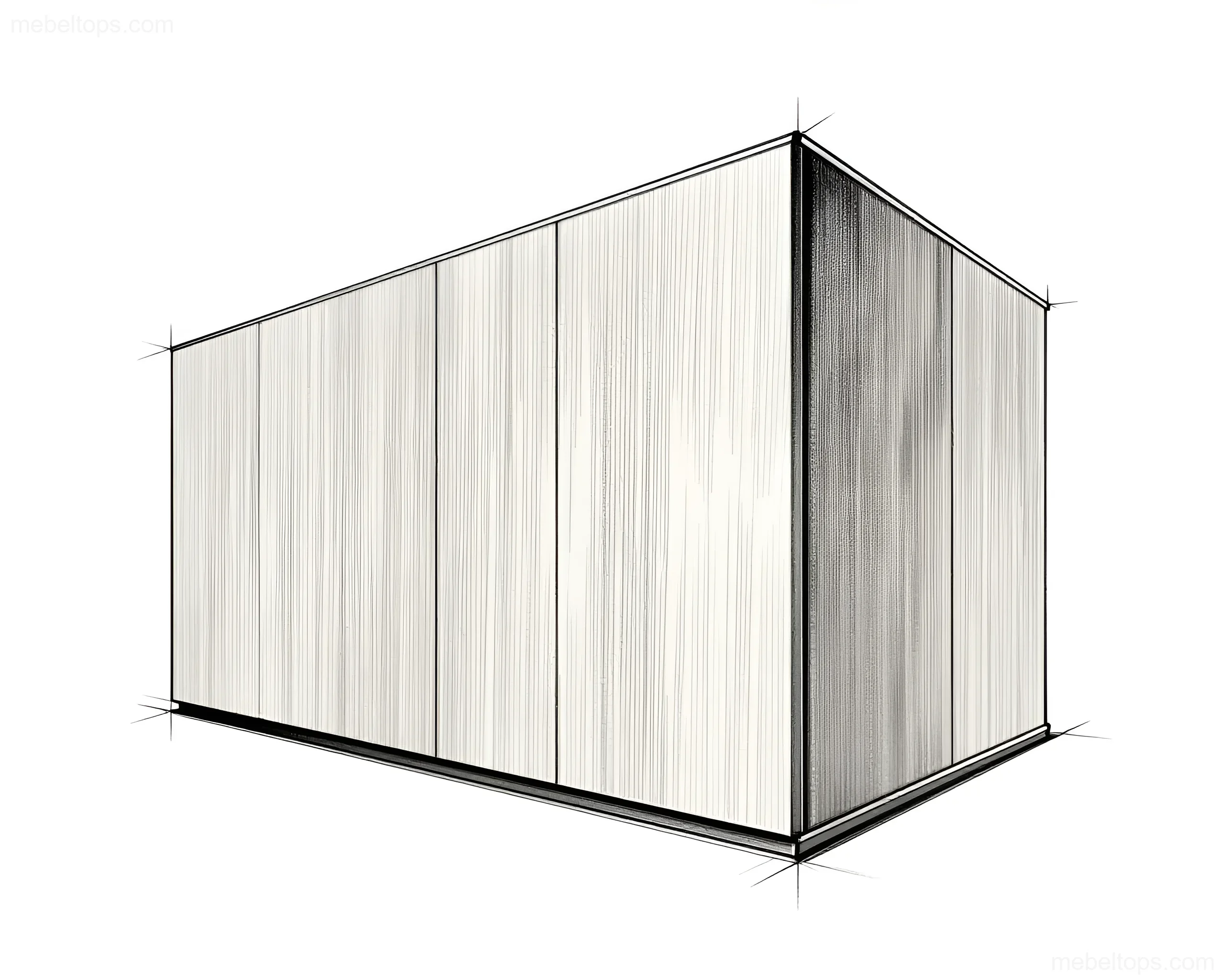
A mirrored sliding wardrobe door is perhaps the most popular choice among buyers. And it's no wonder: a mirror solves several tasks at once. It visually doubles the space, reflects light from windows and artificial sources, creates a sense of depth, and "pushes" the walls apart. In a small bedroom, a sliding wardrobe with a mirrored door can look twice as spacious as one with a solid wooden door.
Technical features of mirrors for furniture:
- Thickness: 4 mm (standard for doors up to 80 cm) or 5 mm (for wide panels and when rigidity is important).
- Edge: polished (smooth, without burrs), beveled (angled at 45°, looks neat and is safe), edging (decorative strip around the perimeter, hiding the edge).
- Reflective layer: aluminum (standard, can darken at the edges over time when exposed to moisture) or silver (more expensive, but more resistant to oxidation, gives a "warmer" reflection).
- Protective coating: on the front side, the mirror is covered with a film (protective or decorative) that prevents the appearance of "green" spots along the edge and simplifies maintenance.
Frosted mirror (antique, rustic). This is a mirror with an intentionally uneven surface, creating an "old" or "wavy" reflection effect. A frosted mirror does not give a clear image, but rather a soft, blurred one. It is less "flashy" than a classic mirror and fits better into calm interiors. Tactilely, a frosted mirror feels slightly rough, which adds tactile expressiveness.
Tinted mirror. A mirror with a colored coating: graphite, bronze, gold, copper, blue, green. A tinted mirror reflects with a color filter, which creates an interesting visual effect: the reflection of the room acquires a shade close to the mirror's tone. A graphite mirror is one of the most popular options for modern interiors, as it looks less "mirrored" and more like a dark glass panel with a slight reflection.
Safety. A mirror is a fragile material. During installation and operation, it is important that the edge is processed (polished or covered with a film/edging). In homes with small children, it is recommended to choose mirrors with a protective film on the front side: if the mirror does crack, the film will hold the shards, and they will not fly apart. It is also important that the guides and rollers work smoothly, without jerks — a sudden movement can lead to the panel hitting the frame.
Mirror care. A mirror surface does not tolerate abrasive agents and harsh cloths. For cleaning, use soft microfiber and a glass cleaner (or just warm water with a drop of dish soap). Apply the product to the cloth, not directly to the mirror, so that the liquid does not flow into the edge and damage the reflective layer. Wipe diagonally, then wipe dry to avoid streaks.
MDF: material plasticity and richness of textures
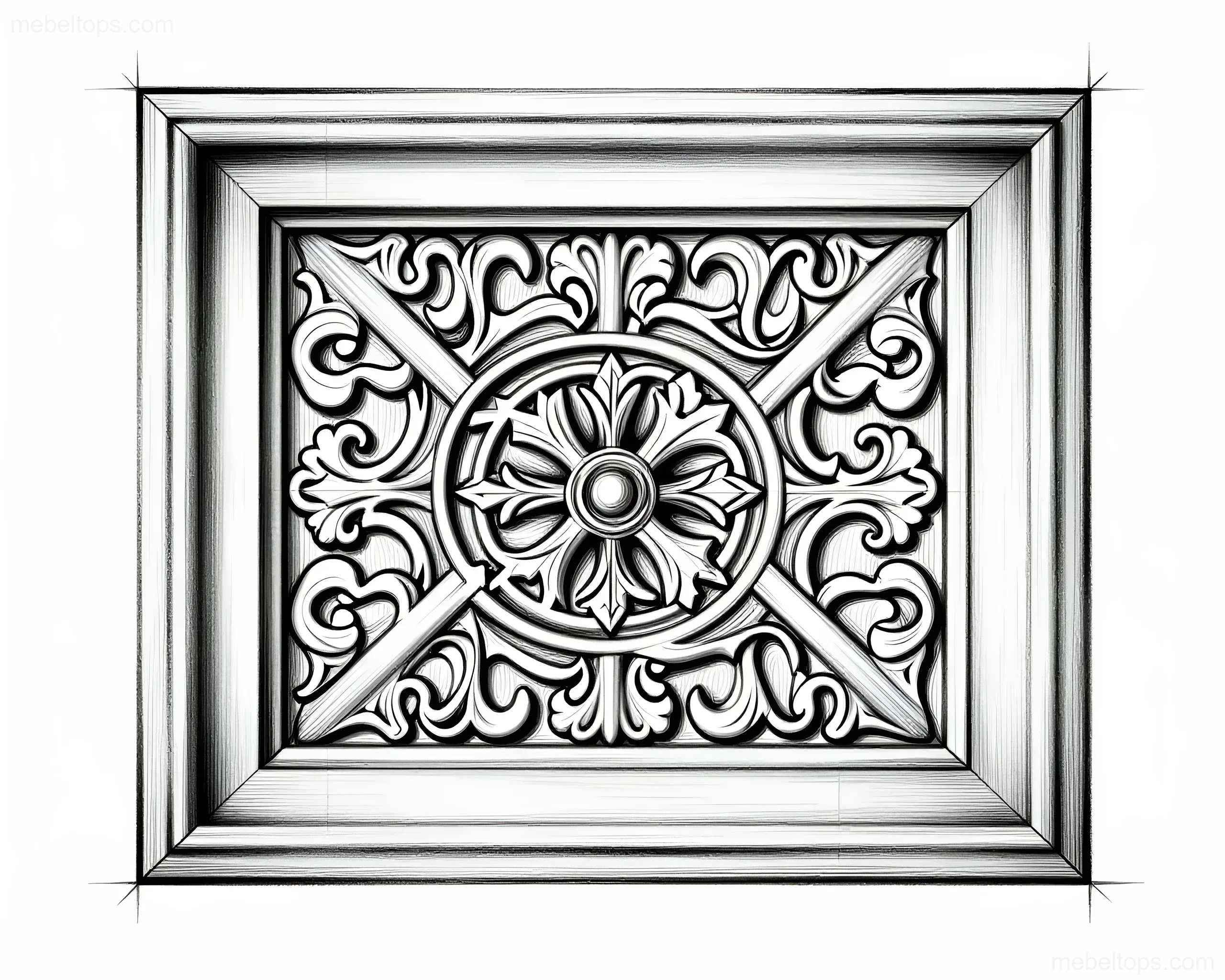
MDF is a material that furniture makers call the "golden mean" between the affordability of LDSP and the expressiveness of solid wood. An MDF board is homogeneous in structure (unlike LDSP, where chip particles are visible), which allows for clean milling, applying a smooth lacquer or enamel coating, and gluing films without bubbles and irregularities.
Thicknesses and formats. For sliding wardrobe doors, MDF is produced in thicknesses of 10 mm (light panels, inserts), 16 mm (standard for doors), and 19 mm (reinforced panels when additional rigidity is needed). The maximum MDF sheet size is 2800 × 2070 mm, which allows for the manufacture of doors of any height without joints.
MDF surfaces:
- Smooth lacquered — MDF is covered with several layers of lacquer (from 2 to 5). The surface is glossy or semi-matte, smooth, pleasant to the touch. Lacquered MDF is resistant to moisture (provided the edge is closed) and easy to clean. Minus: fingerprints and dust are visible on glossy lacquer, regular wiping is required.
- Enameled (polyester enamel) — a thicker and more durable coating than lacquer. Enamel does not crack, does not yellow, and is resistant to chemicals. Tactilely, enamel is slightly "warmer" than lacquer, with a deeper, "juicier" color. Enameled doors look expensive and solid.
- PVC film — MDF is covered with a film 0.3–0.6 mm thick. The film can be glossy, matte, with a wood, stone, or fabric texture. This is the most affordable MDF finishing option. The film is not afraid of moisture, but with prolonged exposure to high temperatures (for example, if the wardrobe is close to a radiator), it may start to peel off at the edge.
- Veneer — a thin layer (0.2–0.6 mm) of natural wood is glued to the MDF: oak, walnut, ash, wenge, teak. Veneer gives a real wood texture with a unique grain pattern. Lacquer (matte, semi-matte, or glossy) is applied over the veneer. A veneered door is already "premium" level, and in terms of tactility, it is as close to solid wood as possible.
Milling on MDF. It is MDF that allows for the implementation of complex relief doors. Milling is the mechanical processing of the surface by a milling machine, as a result of which depressions, protrusions, frames, and ornaments appear on the panel. The depth of milling is usually from 1 to 5 mm. After milling, the panel is covered with paint, lacquer, or enamel, and the relief becomes voluminous and expressive. Milled doors are perfect for neoclassicism, Provence, and modern classic style. In minimalism, milling is used minimally — a thin frame around the perimeter or a light panel.
Fingerprint resistance. Matte MDF surfaces (enamel, matte film, veneer under matte lacquer) do not show fingerprints. Glossy ones do, but they are easily wiped off. If you don't want to constantly wipe the door, choose a matte or semi-matte coating.
LDSP: practicality and a wide selection of textures
LDSP is a laminated chipboard. The word "laminated" means that the surface of the board is covered with decorative paper impregnated with melamine resins, which, when pressed, becomes a single whole with the board. The result is a durable, wear-resistant surface with a huge selection of colors and textures.
LDSP characteristics for doors:
- Thickness: 16 mm (standard) or 18 mm (reinforced version).
- Edge: glued with PVC edge (1 or 2 mm) or ABS (more durable, does not darken over time). The edge covers the ends of the board and protects them from swelling.
- Surface: matte, semi-glossy, glossy. Textures: solid (white, gray, graphite, black), wood-look (oak, walnut, ash, beech, wenge, teak), stone-look, fabric-look.
- Emission class: for furniture used in residential premises, class E1 is permissible (formaldehyde emission no more than 0.1 mg/m³ of air). When choosing LDSP for a nursery, pay attention to the E1 or E0 marking.
Tactility. LDSP feels like a smooth, slightly "cold" surface. Melamine film does not have the depth and "warmth" of veneer or solid wood, but it does not require special care, is not afraid of moisture (provided the edge is closed), and does not scratch from normal household use.
Limitations. LDSP cannot be milled — the chip structure does not allow for a clean relief. If you need a milled door, LDSP will not work. Also, LDSP cannot withstand prolonged contact with water: if the edge is damaged or peeled off, moisture will penetrate the board, and it will start to swell. Therefore, LDSP doors are not recommended for bathrooms and kitchens (although for sliding wardrobes in the bedroom or corridor, this is not a problem).
When LDSP is the optimal choice. If you need a practical, low-maintenance door in a solid or "wood" design, without complex milling, and you want the furniture to look neat and not require delicate care, LDSP will be an excellent solution. Matte LDSP in oak or a gray solid LDSP door fits perfectly into Scandi, minimalism, or loft styles.
Milling: volume, relief, and character
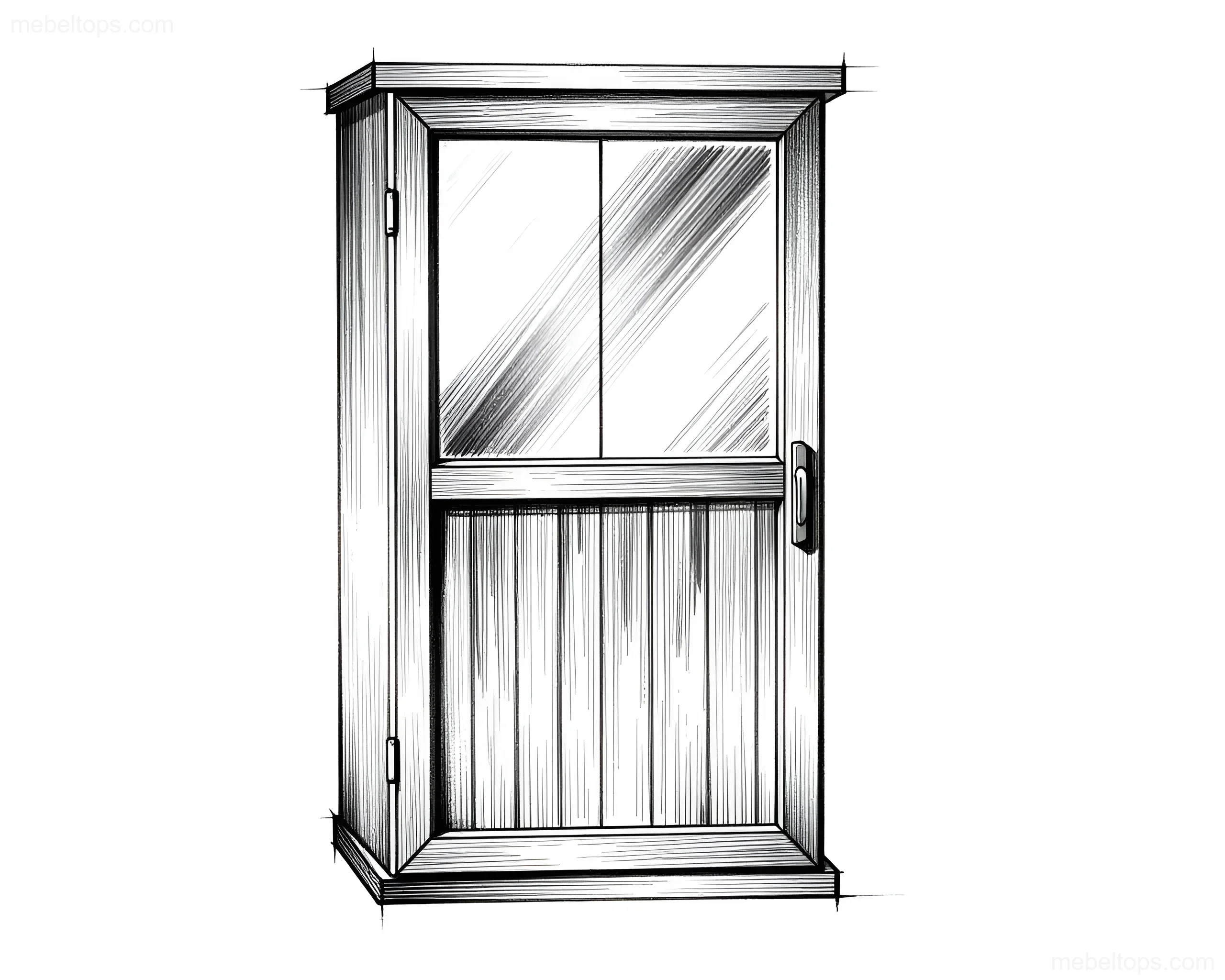
Milling is not a material, but a technology, but it changes the look of the door so much that it deserves a separate analysis. A milled panel is no longer a plane, but a voluminous sculpture on the wall of your wardrobe. The relief catches the light, creates shadows, and adds depth and "expensiveness" to the interior.
Types of milling:
- Frame (panel) — a depression around the perimeter of the panel, creating a "window" or "frame" effect. Depth 2–4 mm, width 20–60 mm. The simplest and most versatile milling option. Suitable for neoclassicism, modern classic style, Scandi (in minimal execution).
- Ornamental milling — floral motifs, curls, molded elements. Depth up to 5–8 mm. Characteristic of neoclassicism, Baroque, Empire. Requires high-quality MDF (density from 700 kg/m³) and a precise milling machine.
- Geometric milling — straight lines, rectangles, rhombuses, grids. Depth 1–3 mm. Suitable for modern style, minimalism, high-tech. Looks restrained but adds texture.
- Relief imitation — milling for "milky" texture, "hatching," "fabric." Creates a texture effect without using natural materials.
Material for milling. MDF with a density of 700–800 kg/m³ is best for milling. Solid wood (oak, ash, beech) is also milled, but this is a different price segment and has different requirements for drying and stabilizing the wood. LDSP cannot be milled. For milled doors in neoclassicism, MDF is often used, followed by coating with enamel or paint, which allows for creating the effect of "milky" or "matte" lacquer with deep relief.
Care for milled doors. The relief creates depressions where dust accumulates. For cleaning, use a soft brush (e.g., a makeup brush or a small paintbrush) to remove dust from the depressions, then wipe the surface with a damp microfiber cloth. Do not use harsh brushes — they can damage the coating in the relief protrusions.
How to choose a door for the interior style
Interior style is not just a set of furniture and colors. It is a system in which every element is subject to a common logic. A sliding wardrobe door is one of the largest elements in the bedroom or corridor, and it must "speak the same language" as the rest of the interior. Let's analyze which doors are suitable for popular modern styles.
Minimalism. Key principles: clean lines, lack of decor, restrained palette, functionality. Suitable for minimalism:
- Smooth LDSP doors in solid colors (white, gray, graphite, black, beige).
- Matte or tinted glass without decor.
- Mirror in the wall tone (graphite or transparent with tinting).
- MDF with minimal milling (thin 20 mm frame) or no milling.
- Absence of visible handles: doors open via hidden handles, magnetic latches, or recesses (rebates).
Tactility in minimalism is smooth, cool, "clean." Glass, mirror, matte LDSP. No texture, no relief. Light reflection is moderate, without glares. Matte surfaces are preferable to glossy ones.
Japandi. A fusion of Japanese minimalism and Scandinavian warmth. Key principles: natural materials, warm neutral tones, textures, asymmetry, calmness. Suitable for Japandi:
- Veneered MDF doors (oak, ash, walnut) under matte lacquer.
- LDSP with natural wood texture (warm tones: light oak, ash, beech).
- Combination of wood and frosted glass (e.g., wooden panel + narrow glass insert).
- Minimal milling or none at all.
- Colors: warm white, cream, light brown, muted green, graphite.
Tactility in Japandi is warm, natural, "alive." Wood under the fingers, slight roughness of veneer. Glass — only frosted, without gloss. Mirror — undesirable (too "cold" for Japandi), but acceptable as a narrow insert.
Scandinavian style (Scandi). Light tones, natural wood, functionality, coziness, lots of light. Suitable for Scandi:
- LDSP or MDF in white, light gray, light wood shade.
- Veneered doors (beech, ash, light oak).
- Mirrored doors (Scandi traditionally uses mirrors to expand space).
- Combination of a white door and a wooden insert.
- Simple shapes, without milling or with a minimal frame.
Tactility is smooth, light, "clean." White matte surface, warm wood. The mirror adds light and air. Avoid dark tones and gloss — Scandi loves matte and muted tones.
Neoclassicism. A combination of classic forms and modern materials. Symmetry, restrained decor, noble textures. Suitable for neoclassicism:
- Milled MDF doors with a frame, panels, light ornament.
- Enamel or lacquer coating (milky, beige, gray-blue, dusty pink, graphite).
- Veneered doors with milling (oak, walnut).
- Mirror inserts in combination with milled panels.
- Glass with sandblasted ornament (restrained, geometric).
Tactility is voluminous, "expensive," with a sense of depth. Relief of milling, smoothness of enamel, coolness of the mirror combined with the warmth of wood. Neoclassicism loves the contrast of textures: smooth mirror next to relief milling, matte enamel combined with polished veneer.
Safety of films, matting, and tinting: what is important to know
When it comes to glass and mirrored doors, the issue of safety and durability of the coating becomes key. Let's break down what lies behind the terms "protective film," "matting," "tinting," and "Lacobel," and what to look for when choosing.
Protective films for mirrors and glass. A protective film is often applied to the front side of a mirror or glass. It performs several functions:
- Protection against scratches during transport and installation (removal after installation).
- Retention of shards in case of damage (safety film, similar to automotive).
- Decorative function (tinting, matting, pattern).
- Protection against UV radiation (prevents fading and "greening" of the mirror edge).
A safety (anti-shatter) film is a polyester film 0.1 to 0.3 mm thick that is glued to the front side of the glass or mirror. If the panel breaks, the shards remain in the "cage" of the film and do not fly apart. For wardrobes in nurseries, in homes with active children, or in high-traffic areas (corridor), a safety film is a mandatory element. Make sure the film is applied to the entire area of the panel, without bubbles and peeling at the edges.
Matting. Matting glass or a mirror is the creation of a rough surface that diffuses light and does not give a clear reflection. Methods of matting:
- Sandblasting — a stream of abrasive (quartz sand, glass beads) is directed at the surface under pressure. Creates a uniform matte texture. You can matte the entire surface or make patterns (part matte, part transparent).
- Chemical etching — treatment with an acid solution that creates microscopic roughness. The matte surface is more uniform than with sandblasting.
- Matting film — glued to finished glass or a mirror. The simplest and reversible method (the film can be removed). Quality depends on the thickness and uniformity of the film.
A matte surface does not show fingerprints and dust as clearly as a glossy one. This is a practical choice for wardrobes that you don't want to wipe every day. At the same time, frosted glass and mirrors still let light through (diffuse it), so they do not "weigh down" the interior.
Tinting. Tinting glass or a mirror is giving the surface color. Methods:
- In the melt — colored oxides are added to the glass unit during production. The color is uniform throughout the thickness. The most durable option.
- Applying a film — a tinting film of the desired color is glued to the finished glass. There are many color options: graphite, bronze, gold, copper, blue, green, gray, pink. The film can be replaced if the color "gets boring."
- Coating — vacuum coating of a metal layer. Creates an "metallic" glass effect. More expensive than film, but more durable.
A tinted mirror is a mirror that reflects with a color filter. A graphite mirror reflects the room in gray-black tones, bronze — in warm golden ones. This creates an interesting visual effect: the reflection does not "copy" the room, but reinterprets it. Tinted doors work great in interiors with accent walls, in bedrooms with a dark palette, in corridors where you need to "smooth out" the reflection.


